How A Plumber Uses A Drain Camera To Find Blockages?
Modern plumbing has moved far beyond guesswork and trial‑and‑error methods, especially when it comes to diagnosing stubborn drain problems. One of the most powerful tools in a professional plumber’s arsenal is the drain camera, a small, waterproof camera mounted on the end of a flexible cable that can travel deep inside pipes while transmitting a live video feed. This technology allows plumbers to see exactly what is causing a blockage, where it is located, and how severe it is, all without digging up floors or walls. The result is faster, cleaner, and more accurate repairs that minimize disruption to your home and give you a clear picture of the underlying issue.
For homeowners who have experienced recurring slow drains, loud gurgling sounds, or multiple fixtures backing up at once, a drain camera inspection often provides the first accurate explanation of what has been happening behind the scenes. Instead of relying on assumptions about soap buildup or a simple grease clog, plumbers can now confirm the exact cause and then plan the most appropriate response, whether that is straightforward drain clearing or a more extensive repair or replacement of damaged pipe sections.
What A Drain Camera System Looks Like
A typical drain camera system consists of three main components: the camera head, the flexible push‑rod or cable, and the control unit with a display screen. The camera head is a small, waterproof capsule equipped with bright LED lights and a high‑resolution lens that can capture clear images even in the darkest, most debris‑filled sections of a pipe. The flexible cable can be several tens of feet long, allowing technicians to feed it through cleanouts, main sewer lines, and branch drains without kinking or buckling. The control unit is either a handheld monitor or a tablet‑style device that shows the live video feed and often includes basic recording and marking functions so the plumber can document problem areas.
Many modern systems also include depth‑marking or distance‑counting features that show how far the camera has traveled inside the pipe, along with directional indicators that help the plumber understand the layout of the plumbing system under the home. This combination of visual inspection and positional data means that if a plumber spots a tree root intrusion or a collapsed section of pipe, they can describe exactly where it is located in relation to fixtures, cleanouts, or other reference points. This precision is especially valuable when multiple contractors are involved or when future repairs or renovations are being planned.
When Plumbers Decide To Use A Camera
A plumber does not reach for a drain camera on every simple clog call. The tool is typically deployed when the problem is not straightforward, when symptoms keep returning, or when the blockage is suspected to be deep in the main sewer line rather than in a local trap or fixture. For example, if a kitchen drain backs up every time the washing machine runs, or if several bathrooms on the same floor start to drain slowly at the same time, these are classic signs that the issue may lie farther downstream than a single drain connection. In such cases, a camera inspection becomes almost essential to avoid unnecessary guesswork and repeated un‑productive drain clearing attempts.
Similarly, a plumber may recommend a camera inspection during a home inspection prior to a purchase, or as part of a preventative maintenance program for older homes with clay or cast‑iron sewer lines that are prone to cracking and root intrusion. If a homeowner has recently experienced a sewer backup or a major drain clearing event, a follow‑up camera inspection allows the plumber to confirm that the blockage has been fully removed and that no new damage or offsets have occurred in the pipe. This kind of deliberate, diagnostic approach significantly reduces the risk of future emergencies and supports how to build a long‑term plumbing care strategy for your home.
The Step‑By‑Step Inspection Process
When a plumber arrives to perform a drain camera inspection, the first step is an assessment of the plumbing system and the symptoms being reported. The technician will ask questions about when the issue started, which fixtures are affected, and whether there have been any previous attempts at drain cleaning. They will also inspect visible pipes, cleanouts, and access points to identify the best entry location for the camera. In many homes, this is a main sewer cleanout in the basement, garage, or outside the foundation, but in some cases the plumber may need to temporarily remove a toilet or use a secondary access point to reach the problem area.
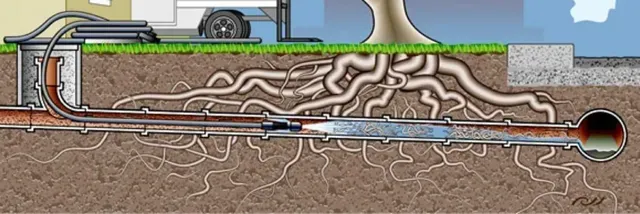
Once the best entry point is selected, the plumber prepares the site by opening the cleanout or removing the covering, then inserting the camera head into the pipe and slowly feeding the cable in while watching the live video feed. The cable is advanced carefully around bends and junctions, with the camera’s lights illuminating the interior of the pipe in real time. As the camera moves, the plumber scans for any signs of blockages, such as grease buildup, accumulated debris, or foreign objects, as well as structural issues like cracks, offsets, root intrusions, or collapsed sections. The entire inspection can take anywhere from a few minutes to half an hour, depending on the length and complexity of the pipe run being examined.
What The Plumber Is Looking For
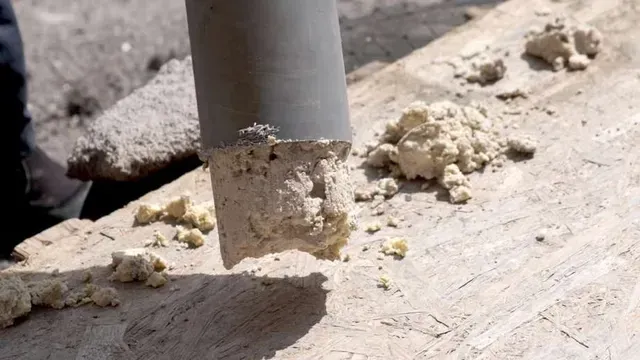
During a drain camera inspection, the plumber is not only searching for a single clog but also evaluating the overall condition of the piping. Common issues that show up clearly on camera include dense accumulations of grease, hair, and soap that have built up over time, tree roots that have penetrated joints in older sewer lines, scale or mineral deposits in hard‑water areas, and partial or complete collapses of pipe sections caused by age or shifting soil. The camera can also reveal misaligned joints, bellied sections where the pipe has sagged, or improperly installed fittings that restrict flow and create recurring blockages.
Because the video feed is real time, the plumber can pause the camera at any suspicious location, zoom in if the system allows, and take digital photos or short video clips of the problem area. This documentation is extremely useful for explaining the issue to the homeowner, for estimating repair costs, and for keeping a record in case similar problems arise again in the future. In many cases, the plumber can show the homeowner exactly where the blockage is, what it is made of, and how it is affecting water flow, which helps justify the need for professional drain clearing or more extensive sewer repair work.
Turning The Video Into A Repair Plan
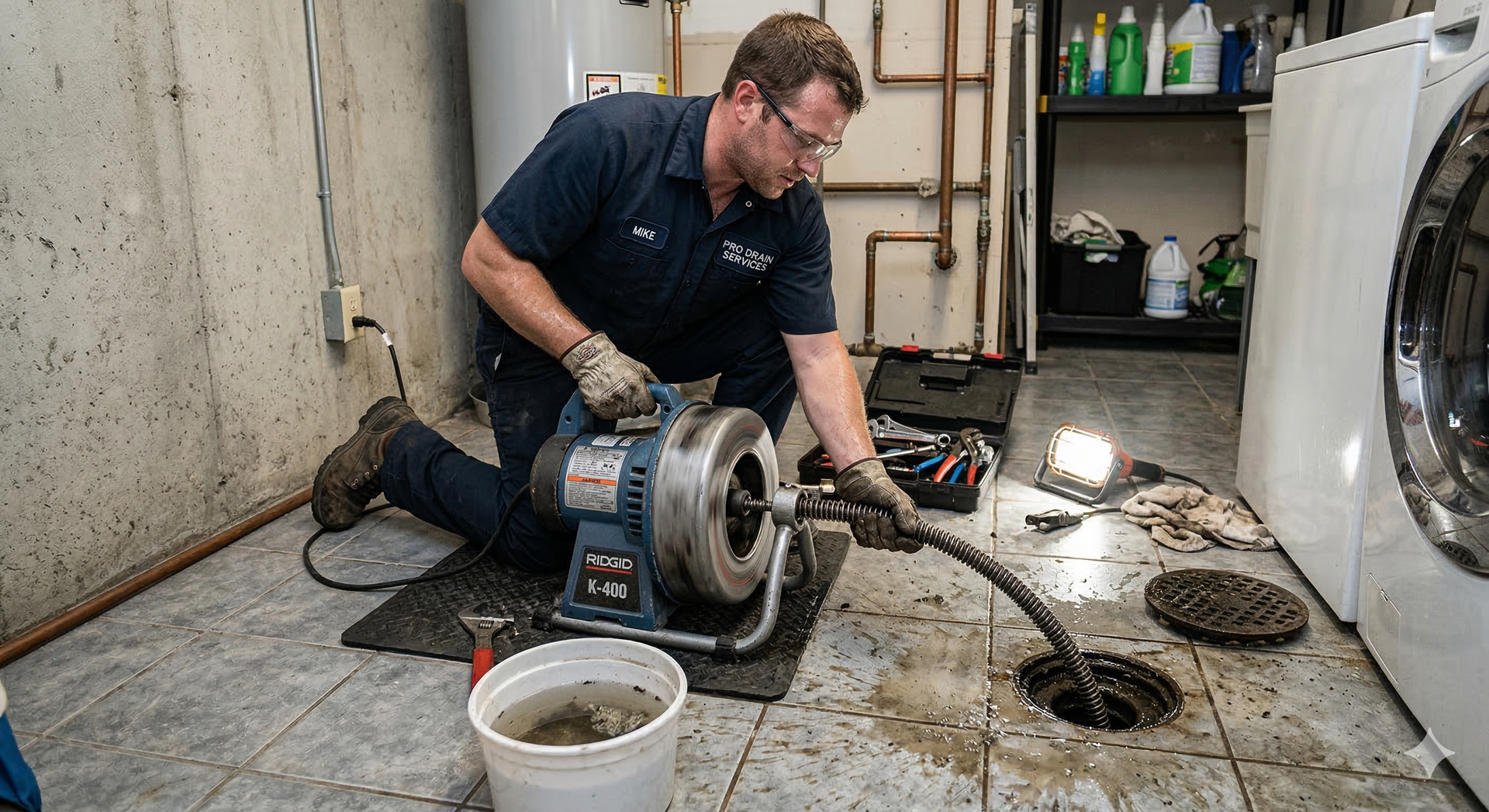
Once the inspection is complete, the plumber analyzes the footage and decides on the best course of action. If the camera reveals a straightforward stoppage that can be reached with a motorized drain snake or a hydro‑jetting system, they can proceed with targeted drain clearing at that exact location. If the camera shows a more serious structural problem—such as broken pipe, root‑filled sections, or severely corroded material—the plumber may recommend spot repairs, pipe relining, or full‑line replacement, depending on the severity and the homeowner’s budget and long‑term plans.
In some situations, the plumber may also suggest that the homeowner schedule periodic camera inspections as part of a preventative maintenance routine, especially if the home has older piping or if tree root intrusion has already been detected. By catching build‑up and minor damage early, these inspections can prevent major blockages and sewer backups down the line. This kind of forward‑thinking approach naturally feeds into how to build a long‑term plumbing care strategy for your home, where regular professional checks and documented conditions replace reactive emergency calls.
Advantages Over Traditional Drain Clearing Methods
Before drain cameras became common, plumbers often had to rely heavily on feel, experience, and guesswork when clearing drains. A technician might snake a line several feet and then judge whether the clog was cleared based on how freely the auger turned or how the water behaved afterward, but this approach could miss partial obstructions or secondary problems deeper in the system. In many cases, this led to repeated service calls, incomplete resolutions, or even damage to pipes that were already weakened but not yet visible.
Using a camera changes this dynamic completely. Instead of working blindly, the plumber can watch the obstruction as it is being broken apart or removed, adjust the angle or technique in real time, and confirm that the path is clear before removing the equipment. This level of visibility also reduces the risk of pushing a blockage further down the line or damaging older pipes with aggressive snaking. In practice, this means that homes that use camera‑assisted drain clearing often see fewer repeat visits, less damage to fixtures and flooring, and more predictable repair costs.
Integrating Camera Inspections Into Routine Maintenance
Because drain camera inspections are minimally invasive and highly informative, they have become an integral part of modern plumbing maintenance programs offered by many reputable companies, including All City Plumbers. These businesses may bundle camera inspections with regular drain clearing and system checks, especially for commercial properties, multi‑family buildings, and older homes where sewer lines are known to be vulnerable. By combining inspection with cleaning, they can remove debris and then immediately verify that the line is clear and structurally sound, which is far more reliable than relying on water flow alone.
Homeowners who invest in periodic camera inspections gain a detailed history of the condition of their pipes, which can be tremendously helpful when negotiating repairs, planning renovations, or selling a property. A clean, documented camera inspection can reassure buyers that the sewer system is in good shape, while a video showing root intrusion or early signs of deterioration can justify necessary upgrades before they turn into emergencies. Over time, this combination of inspection and proactive drain clearing becomes a core part of how to build a long‑term plumbing care strategy for your home, aligning maintenance with the building’s age, usage patterns, and local environmental factors such as tree density and soil conditions.
How Homeowners Can Work With A Plumber
When you schedule a drain camera inspection, it is helpful to be present for at least part of the process so you can see the footage and ask questions. A good plumber will walk you through the live video, pause at key points, and explain what you are seeing in plain language. They should also be willing to provide a copy of the inspection video or a brief summary report that you can file with your home maintenance records. If the inspection reveals a serious issue, the plumber can outline several options, from immediate drain clearing to phased repairs that spread the cost over time, allowing you to make informed decisions that match your budget and priorities.
Collaborating closely with a qualified plumbing company such as All City Plumbers not only improves the outcome of a single inspection but also sets the foundation for a long‑term relationship where recurring problems are tracked, trends are analyzed, and interventions are timed for maximum effectiveness. This partnership, combined with regular camera checks and targeted drain clearing when needed, transforms plumbing maintenance from a series of unpredictable emergencies into a structured, predictable part of your home care routine.
Conclusion
A drain camera is one of the most valuable innovations in modern plumbing, allowing plumbers to see inside pipes rather than relying on guesswork and repeated attempts at drain clearing. By using a small, waterproof camera mounted on a flexible cable, technicians can locate blockages with precision, evaluate the condition of the entire pipe, and tailor their repair strategy accordingly. This approach not only solves immediate drainage problems more effectively but also supports a broader, long‑term plumbing care strategy that keeps sewer systems healthy and reduces the risk of costly emergencies. For homeowners, understanding how a plumber uses a drain camera is the first step toward making smarter, more informed decisions about when and how to call for professional help.