When To Call Emergency Services For A Clogged Disposal?
Garbage disposals handle kitchen scraps efficiently, grinding food waste into fine particles that flush away with water, but when clogs occur, they can escalate from minor nuisances to plumbing crises. A persistent humming sound without grinding, accompanied by standing water in the sink, signals a jammed impeller or buildup in the drain line, often from fibrous materials like celery strings or potato peels that tangle blades. If the reset button on the unit's underside fails to restore function after cooling, or if water backs up into adjacent sinks, the issue likely extends beyond the disposal into the main drainpipe. Homeowners frequently underestimate these symptoms, attempting resets or plunges that worsen backups, leading to overflows onto countertops and floors. Understanding these indicators—such as foul odors from anaerobic bacterial growth or intermittent leaks from motor strain—helps differentiate routine jams from those demanding immediate attention. Early recognition prevents water damage, electrical hazards, and costly repairs, ensuring kitchen operations resume smoothly.
Initial Troubleshooting Steps Before Considering Emergency Services
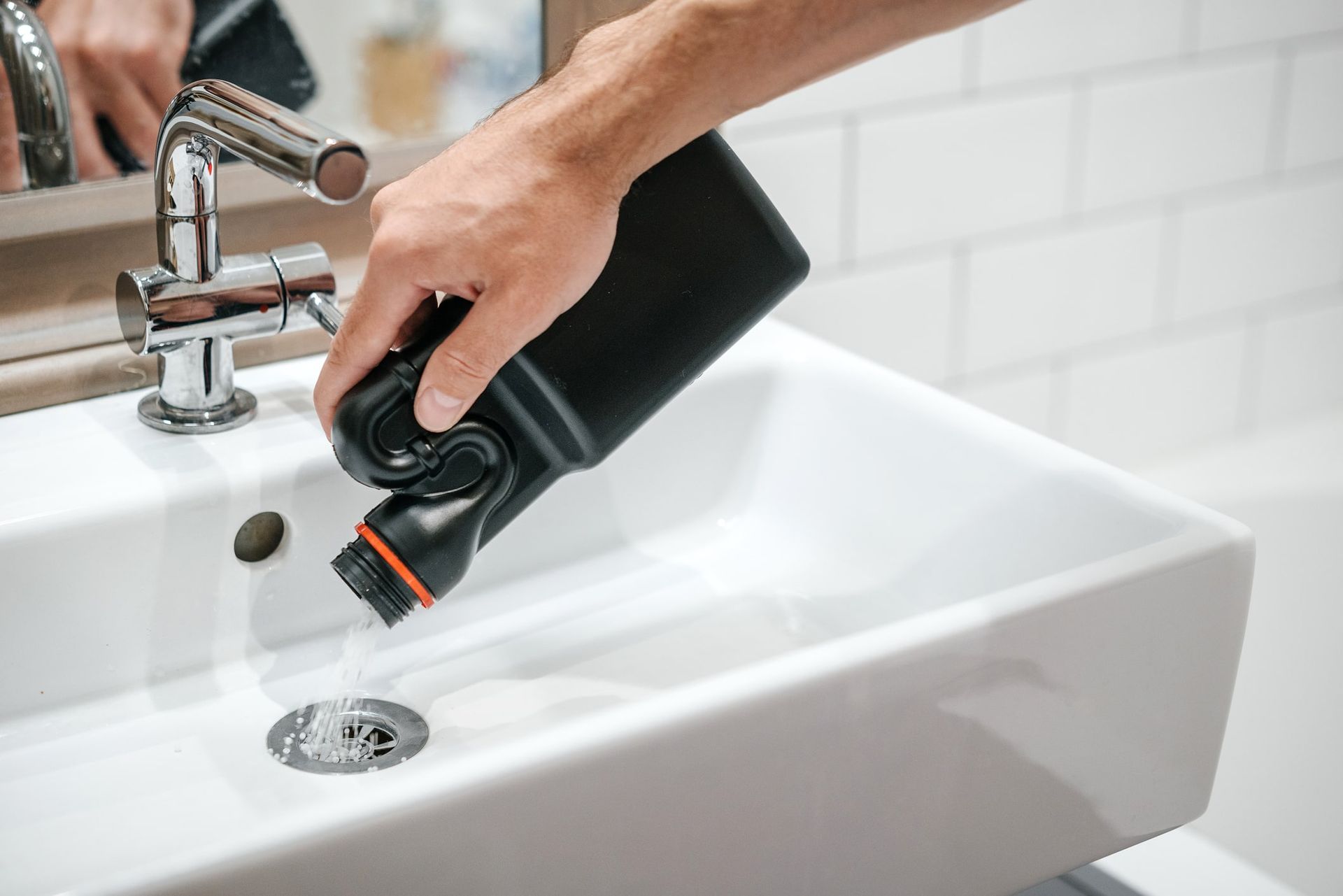
Before dialing for help, try safe, systematic checks to resolve minor disposal clogs at home. Unplug the unit or switch off the breaker to eliminate shock risks, then shine a flashlight down the disposal throat to spot visible obstructions like bones or utensils; use tongs or pliers—not hands—to remove them gently. Pour a half-cup of baking soda followed by vinegar into the drain, letting the fizzing reaction loosen organic buildup for 15 minutes before flushing with hot water. Insert an Allen wrench into the hexagonal hole at the motor base and turn it back and forth to free a locked rotor, restoring manual movement. Run cold water steadily during operation to solidify fats and carry particles away, avoiding hot water that melts grease into pipe-clogging sludge. These steps, performed methodically, clear up to 70 percent of simple jams without tools or chemicals. Document the process, noting what waste preceded the issue, to prevent recurrences and inform professionals if escalation occurs.
When Backups Indicate a Need for Professional Emergency Services
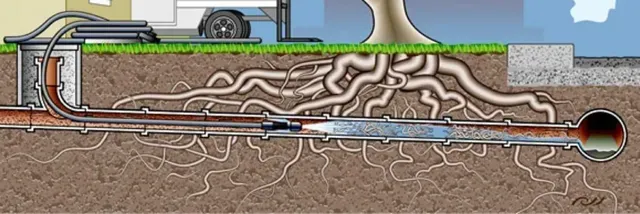
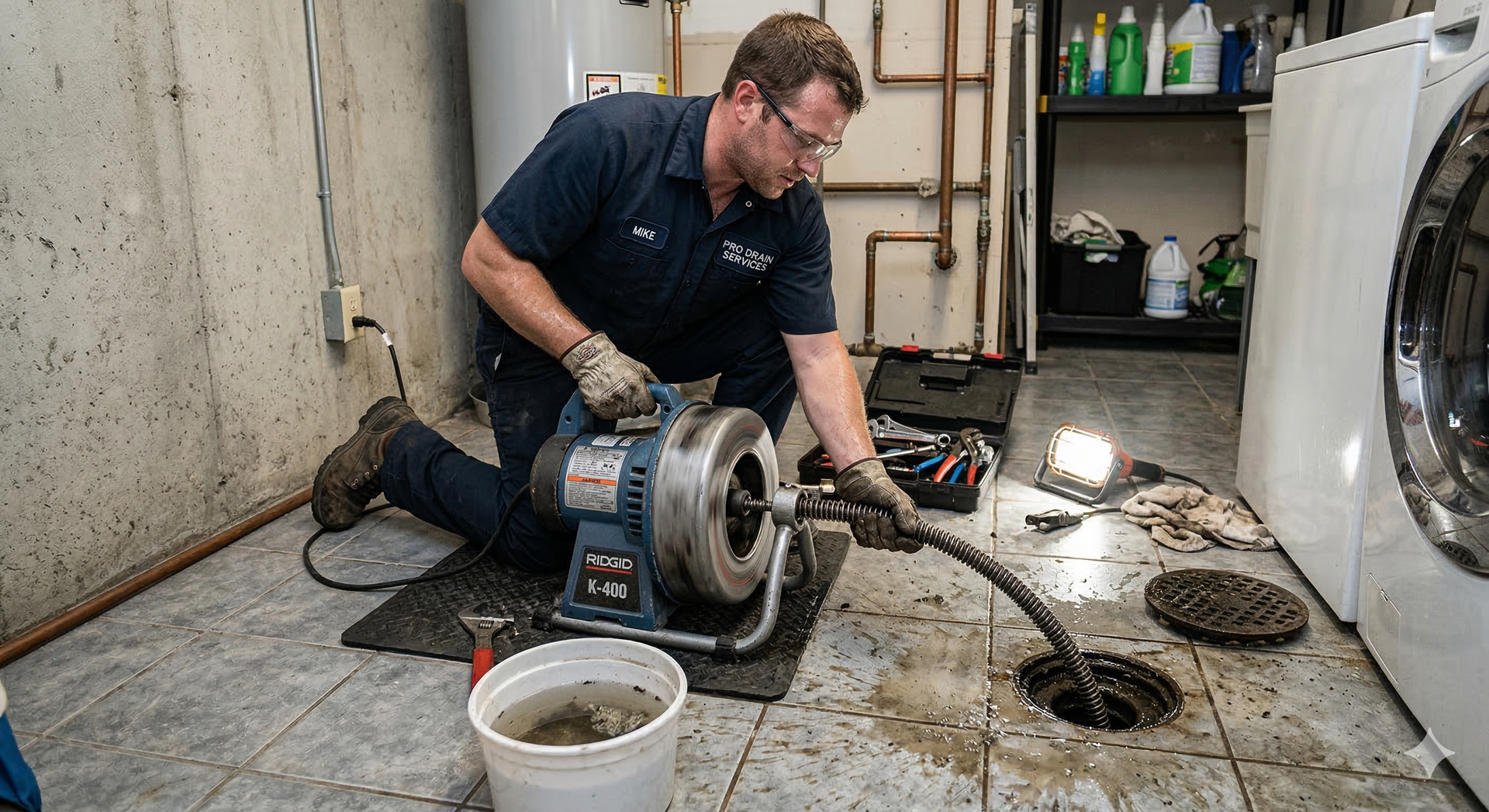
Certain red flags demand calling emergency services without delay, as they point to deeper plumbing failures beyond DIY fixes. If water rises rapidly in the sink despite multiple resets, or overflows into the dishwasher line—evident by suds in the appliance—this suggests a shared drain blockage affecting multiple fixtures. Gurgling sounds from toilets or slow-draining floor drains confirm the clog has migrated to the main sewer line, potentially from tree roots or grease buildup. Electrical symptoms like tripped breakers, burning smells, or sparks from the disposal motor signal motor failure or short circuits, posing fire risks that require immediate shutoff and expert intervention. During peak hours, such as holiday meals when disposals overload, delays exacerbate damage; professional teams arrive equipped with sewer cameras and hydro-jets to diagnose precisely. Firms like All City Plumbers specialize in these rapid responses, arriving within hours to prevent widespread flooding and structural harm.
Distinguishing Routine Clogs from Urgent Plumbing Emergencies
Not every disposal issue warrants lights-and-sirens urgency, but key distinctions guide the decision. Routine clogs stem from user error, like overloading with eggshells or fibrous veggies, and resolve with basic tools in under 30 minutes. Urgent scenarios involve systemic failures: repeated backups across fixtures indicate pipe collapses or vent obstructions, while sewage smells suggest sewer main issues. Consider timing—nights, weekends, or post-storm events amplify risks, as unresolved clogs lead to mold growth or electrical fires. If the disposal was recently installed or serviced, warranty-covered defects might apply, but tampering voids coverage. Weigh factors like household size; large families generate more waste, heightening escalation odds. Professional evaluation via phone triage often clarifies: describe symptoms accurately to receive tailored advice. This discernment saves time and money, reserving emergency services for true crises.
Handling Clogged Disposals in Flood Recovery Situations
Floods compound disposal clogs with sediment and contaminants, turning kitchen cleanups into complex recoveries. Debris-laden water infiltrates drains, jamming mechanisms and introducing bacteria that thrive in wet environments. In these cases, prioritize safety by shutting off power and water supplies before probing the unit. Use antimicrobial cleaners sparingly, as residues can harden into new blockages. To safely restore water at home after a flood, professionals deploy specialized pumps and cameras to clear silt without spreading pathogens. Avoid running the disposal until verified clear, as flood debris like insulation fibers binds irretrievably. Coordinate with restoration experts who assess electrical integrity, as submerged motors often fail catastrophically. Temporary measures include bypassing the disposal with a strainer basket, routing waste directly to plumbing. Post-flood, inspect for corrosion on mounting hardware, replacing as needed to avert future failures during routine use.
Preventive Measures to Minimize Emergency Calls
Long-term strategies reduce clogged disposal incidents, fostering reliability without frequent interventions. Grind only small amounts of soft foods, alternating with ice cubes to sharpen blades and clear residue, while avoiding stringy or starchy items entirely. Maintain monthly cleanings with citrus peels and ice, followed by boiling water to dissolve fats. Install a drain strainer to catch problem waste proactively, and educate household members on proper usage—always run water first and listen for normal grinding sounds. Upgrade to continuous-feed models with auto-reverse features for jammed protection, and schedule annual inspections to check seals and motors. Integrate smart home monitors that alert to irregular vibrations or backups via app. These habits, combined with manufacturer guidelines, extend unit life to 10-15 years, slashing emergency service needs by addressing root causes upfront.
Conclusion
Knowing when to call emergency services for a clogged disposal hinges on swift symptom assessment, safe troubleshooting, and a clear understanding of escalation triggers such as wastewater backups, persistent jams, or electrical irregularities. While minor clogs can often be addressed with basic steps—like cutting power, using a reset button, or manually clearing debris with proper tools—more serious indicators demand immediate attention. Standing water that won’t drain, foul odors spreading through connected lines, or repeated tripping of the unit’s breaker may signal deeper blockages or motor failure. Ignoring these signs can lead to overflow, pipe damage, or even electrical hazards, particularly if moisture reaches wiring components beneath the sink.
By distinguishing between manageable issues and true emergencies, homeowners can act decisively while minimizing risk. Preventative habits—such as avoiding grease buildup, running cold water during operation, and scheduling periodic drain maintenance—play a key role in reducing the likelihood of severe clogs. This becomes even more critical in high-risk scenarios like flood recovery, where debris and contamination can overwhelm disposal systems quickly. Taking an informed, proactive approach not only helps avert costly damage and unsanitary conditions but also ensures the kitchen remains fully functional, with reliable waste disposal and hot water supporting smooth, uninterrupted daily living.