How To Protect Your Water Heater From Drain Cleaning Mistakes?
Water heaters are essential household appliances that provide hot water for showers, laundry, and dishwashing, but they can become unintended casualties during drain cleaning efforts. Many homeowners attempt to clear stubborn clogs in sinks, showers, or main lines using chemical drain cleaners, plungers, or even makeshift tools, unaware that these actions can backfire on the water heater. The pressure from forceful plunging or the corrosive nature of certain chemicals can travel through the plumbing system, potentially damaging the heater's tank, valves, or heating elements. For instance, aggressive drain cleaning in a nearby line might cause sediment to dislodge and accumulate inside the water heater, leading to reduced efficiency or complete failure over time. This vulnerability arises because most residential water heaters are connected to the home's drain-waste-vent system, meaning disturbances in one area ripple outward. Recognizing these risks early allows you to take proactive steps, ensuring your water heater remains operational without costly repairs. By understanding the interconnected plumbing layout—typically with the water heater positioned centrally to supply multiple fixtures—you can anticipate how drain issues elsewhere might impact it.
Common Drain Cleaning Mistakes That Harm Water Heaters
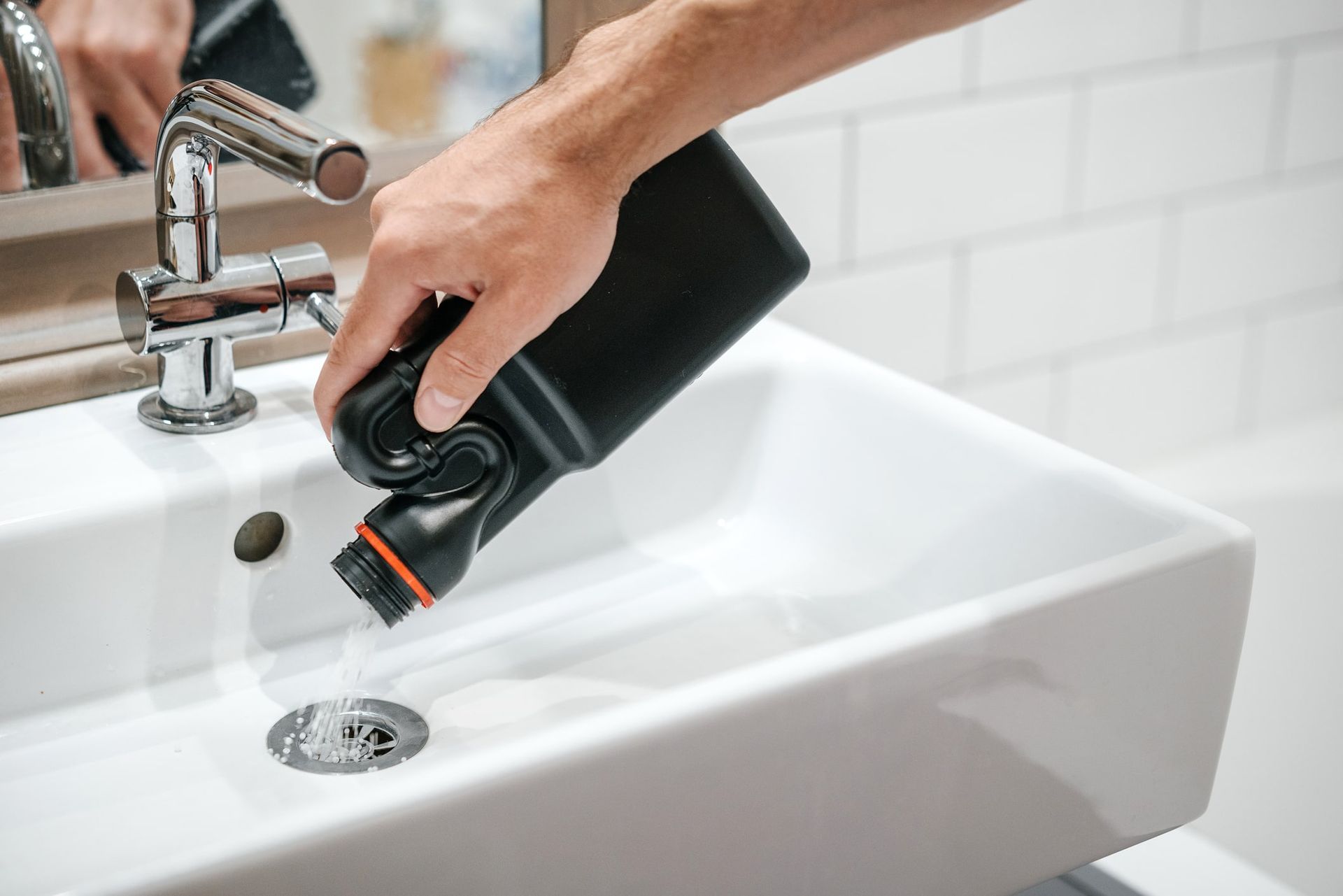
One of the most frequent errors occurs when homeowners pour harsh chemical drain cleaners directly into drains without considering downstream effects. These products, often containing sodium hydroxide or sulfuric acid, generate intense heat and corrosive reactions that can etch away at the water heater's anode rod, which is designed to prevent tank corrosion. Over time, this accelerates rust formation inside the tank, shortening its lifespan from the expected 10-15 years to just a few. Another pitfall is overusing mechanical snakes or augers without proper technique; pushing too hard can crack the water heater's dip tube, which directs cold water to the bottom of the tank for efficient heating. Imagine snaking a kitchen sink drain aggressively—the tool might bind and twist pipes, sending vibrations that loosen connections at the water heater. Additionally, ignoring backflow from drain cleaning can flood the heater's overflow drain or pressure relief valve, causing water damage or triggering shutdowns. Homeowners often repeat these mistakes in haste during emergencies, like a backed-up shower before guests arrive, only to face a cold shower and a hefty plumber bill later. Awareness of these patterns is the first line of defense.
Preparing Your Water Heater Before Any Drain Cleaning
Before tackling any clog, shut off the water supply to your water heater to minimize risks from pressure surges or chemical intrusion. Locate the cold water inlet valve—usually a lever or ball valve on the pipe entering the top of the unit—and turn it clockwise until it stops. This isolates the heater, preventing fresh water or contaminants from entering during drain cleaning. Next, turn off the power or gas supply: for electric models, flip the circuit breaker; for gas units, switch the control valve to "pilot" or "off." Draining a few gallons from the bottom valve can relieve internal pressure and flush out any existing sediment, creating a buffer against disturbances. It's also wise to inspect visible connections for leaks or wear, tightening fittings if needed with a wrench while wearing gloves to avoid burns from residual heat. This preparation ritual, which takes about 15-20 minutes, transforms a potentially destructive drain cleaning session into a controlled one. Professional services like All City Plumbers emphasize this step in their routines, ensuring client appliances stay protected amid routine maintenance.
Safe Techniques for Drain Cleaning Near Water Heaters
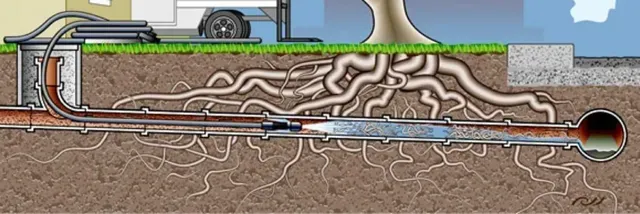
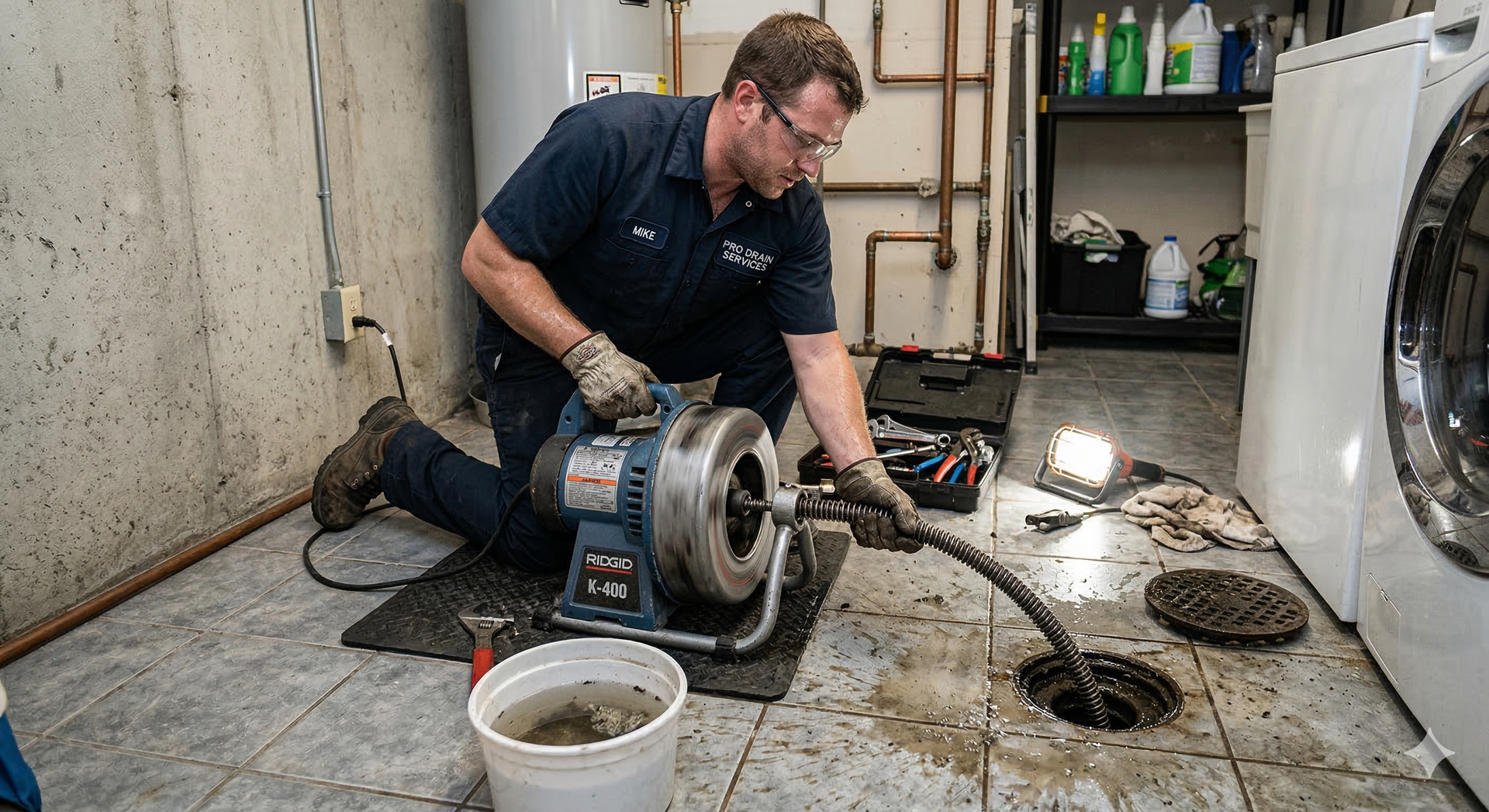
Opt for gentler, targeted methods to clear drains without propagating issues to your water heater. Begin with a plunger designed for the fixture type—cup-style for sinks, flange for toilets—using short, controlled pumps rather than full-force slams that create shockwaves through pipes. Apply petroleum jelly around the plunger's rim for a better seal, and fill the sink or tub with enough water to cover the bell, then plunge rhythmically for 15-30 seconds before checking progress. For tougher clogs, use an enzymatic drain cleaner instead of caustic chemicals; these biological agents break down organic matter like hair and grease over hours without generating heat or corrosion. Insert a drain snake cautiously, feeding it slowly in a clockwise rotation and avoiding high torque to prevent pipe bends or cracks that could stress the water heater. If the clog is in a main line, consider a wet-dry vacuum with a narrow hose attachment to suck out debris safely. These techniques not only resolve blockages effectively but also preserve the integrity of your plumbing network, including sensitive components like the water heater's thermostat and elements.
Integrating Flood Recovery with Drain Cleaning Precautions
Floods present unique challenges where drain cleaning intersects with broader restoration needs, such as safely restore water at home after a flood while safeguarding appliances. Water intrusion can saturate drains, leading to clogs from debris like silt or insulation fibers, tempting rushed cleaning attempts that endanger the water heater. In these scenarios, prioritize decontaminating standing water with antimicrobial treatments before any plunging or snaking, as bacteria-laden fluids could infiltrate the heater's tank via shared lines. Elevate the water heater temporarily on concrete blocks if flooding recurs, and install a flood-proof drain pan beneath it to catch overflows. During recovery, use low-pressure hydro-jetting only after confirming the heater is isolated, as high-velocity water can dislodge scale buildup inside the unit. Coordinate with experts who handle both aspects seamlessly, blending drain cleaning with appliance checks to prevent cross-contamination. This holistic approach ensures your home's hot water supply rebounds reliably without hidden damage from hasty interventions.
Long-Term Maintenance to Shield Against Future Risks
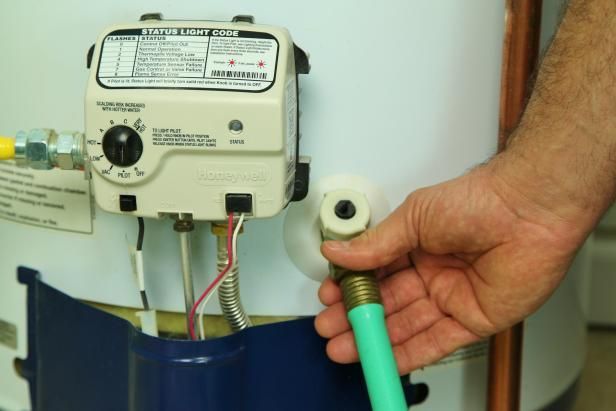
Routine upkeep fortifies your water heater against drain-related threats year-round. Schedule annual flushes to remove sediment accumulation, which often worsens after aggressive cleanings; attach a garden hose to the drain valve, run it to a floor drain, and open the valve while briefly firing the pilot light to agitate deposits. Test the temperature-pressure relief valve quarterly by lifting its lever—hot water should flow steadily, indicating proper function and readiness for pressure events from drain work. Install a water softener if hard water contributes to scale, as this reduces internal buildup vulnerable to cleaning disturbances. Consider upstream filters on drain lines to trap debris before it reaches the heater, and upgrade to a tankless model if frequent clogs persist, as these units lack sediment-prone tanks. Track your heater's age and performance log, noting any efficiency drops post-drain jobs, to catch issues early. These habits extend appliance life and avert emergencies, turning potential pitfalls into preventable routines.
Conclusion
Protecting your water heater from drain cleaning mistakes demands vigilance, preparation, and informed techniques that prioritize the entire plumbing ecosystem rather than just a single fixture. Because drain lines, supply lines, and heating components are interconnected, any aggressive cleaning approach—whether chemical or mechanical—can introduce risks that extend beyond the immediate blockage. Shutting off water and power supplies beforehand, isolating the heater, and allowing it to cool are critical first steps that prevent thermal stress and unintended backflow. Equally important is the choice of cleaning method: opting for mild, non-corrosive solutions or mechanical tools instead of harsh chemicals helps preserve the integrity of the tank lining, seals, and anode rod, all of which are essential for long-term performance.
Committing to regular maintenance further strengthens this protective approach and ensures the system operates efficiently under normal and stressed conditions. Periodic tank flushing removes sediment buildup that can trap heat and accelerate wear, while routine inspections allow you to detect early signs of corrosion or pressure imbalance before they escalate into major failures. By consistently applying these practices, you sidestep the corrosion, pressure damage, and efficiency losses that often plague unprepared homeowners. This proactive stance not only saves on costly repairs—often exceeding $1,000 for full tank replacements—but also guarantees reliable hot water when you need it most, ultimately supporting a durable and resilient home plumbing system for years to come.