Emergency Water Heater Failure And Plumber Tools
Water heaters are essential appliances in modern homes, quietly providing hot water for showers, dishwashing, and laundry without much fanfare until something goes wrong. An emergency water heater failure can strike at the worst possible times—think a freezing winter morning with no hot water for your family or a summer evening when guests arrive and the tank runs cold. These failures often stem from a buildup of sediment and minerals in the tank, which insulates the heating element and forces it to work harder, eventually leading to burnout. Over time, the anode rod, designed to prevent tank corrosion, corrodes away, allowing rust to take hold and weaken the entire system. Pressure relief valves can also fail under excessive internal pressure caused by thermal expansion, risking bursts that flood basements or damage floors. In high-usage households, constant demand exacerbates wear on dip tubes that direct cold water to the bottom of the tank, leading to cracks and inefficient heating. Recognizing these vulnerabilities early can prevent chaos, but when failure hits suddenly, it disrupts daily life and potentially causes thousands in water damage if not addressed swiftly.
Common Causes of Sudden Water Heater Breakdowns
Several factors contribute to abrupt water heater failures, turning a reliable unit into a liability overnight. Age plays a pivotal role; most conventional tank-style water heaters last 8 to 12 years, after which components like thermostats and heating elements degrade rapidly due to constant exposure to heat and moisture. Hard water regions accelerate this process, as calcium deposits form thick layers inside the tank, reducing efficiency by up to 20 percent and straining the system until it overheats or leaks. Electrical issues, such as faulty wiring or tripped breakers, often plague electric models, while gas heaters face risks from pilot light outages or thermocouple malfunctions that shut down operation entirely. Overloading the system by running multiple hot water appliances simultaneously can cause thermal shock, cracking the tank's inner lining. External factors like power surges or nearby construction vibrations add to the peril, dislodging connections and triggering leaks. Understanding these triggers highlights the importance of vigilance, as ignoring subtle signs like discolored water or unusual noises can escalate a minor issue into a full-blown emergency.
Spotting the Warning Signs Before Disaster Strikes
Early detection of water heater problems can avert catastrophe, yet many homeowners overlook subtle cues until it's too late. Listen for popping or rumbling sounds from the tank, which indicate sediment boiling and straining the heater. Rusty or metallic-tasting hot water signals internal corrosion, often accompanied by leaks pooling around the base. Fluctuating water temperatures point to a failing thermostat or element, while a complete lack of heat suggests a tripped high-limit switch or power disruption. In gas models, sooty residue near the burner or a yellow flame instead of blue warns of incomplete combustion, posing carbon monoxide risks. Pressure buildup might manifest as bulging tank sides or dripping from the relief valve. Regularly inspecting these indicators—perhaps during monthly checks—allows for proactive repairs. When these signs appear, hesitation only amplifies damage, underscoring why immediate action is crucial in potential emergencies.
Essential Plumber Tools for Diagnosing Water Heater Issues
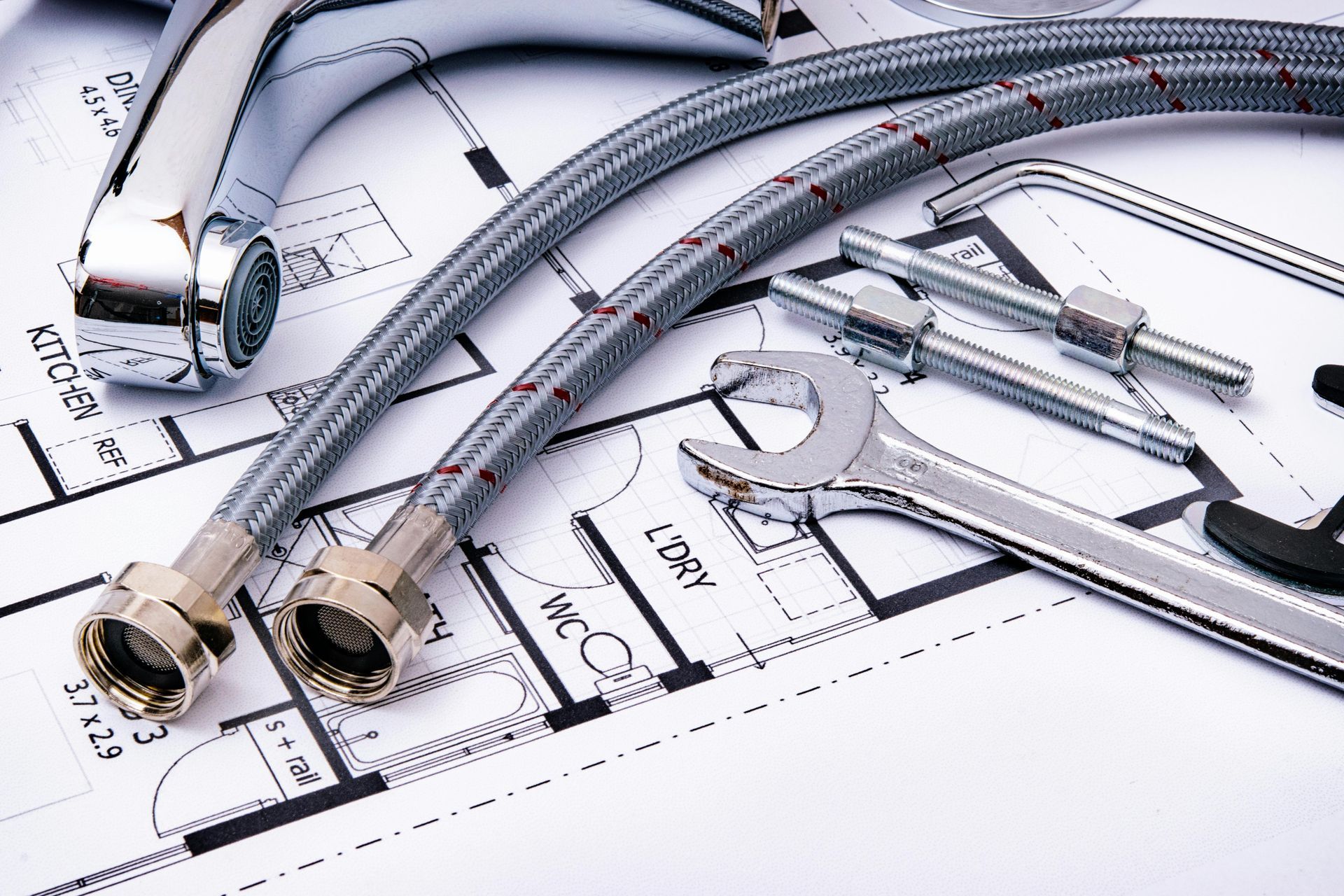
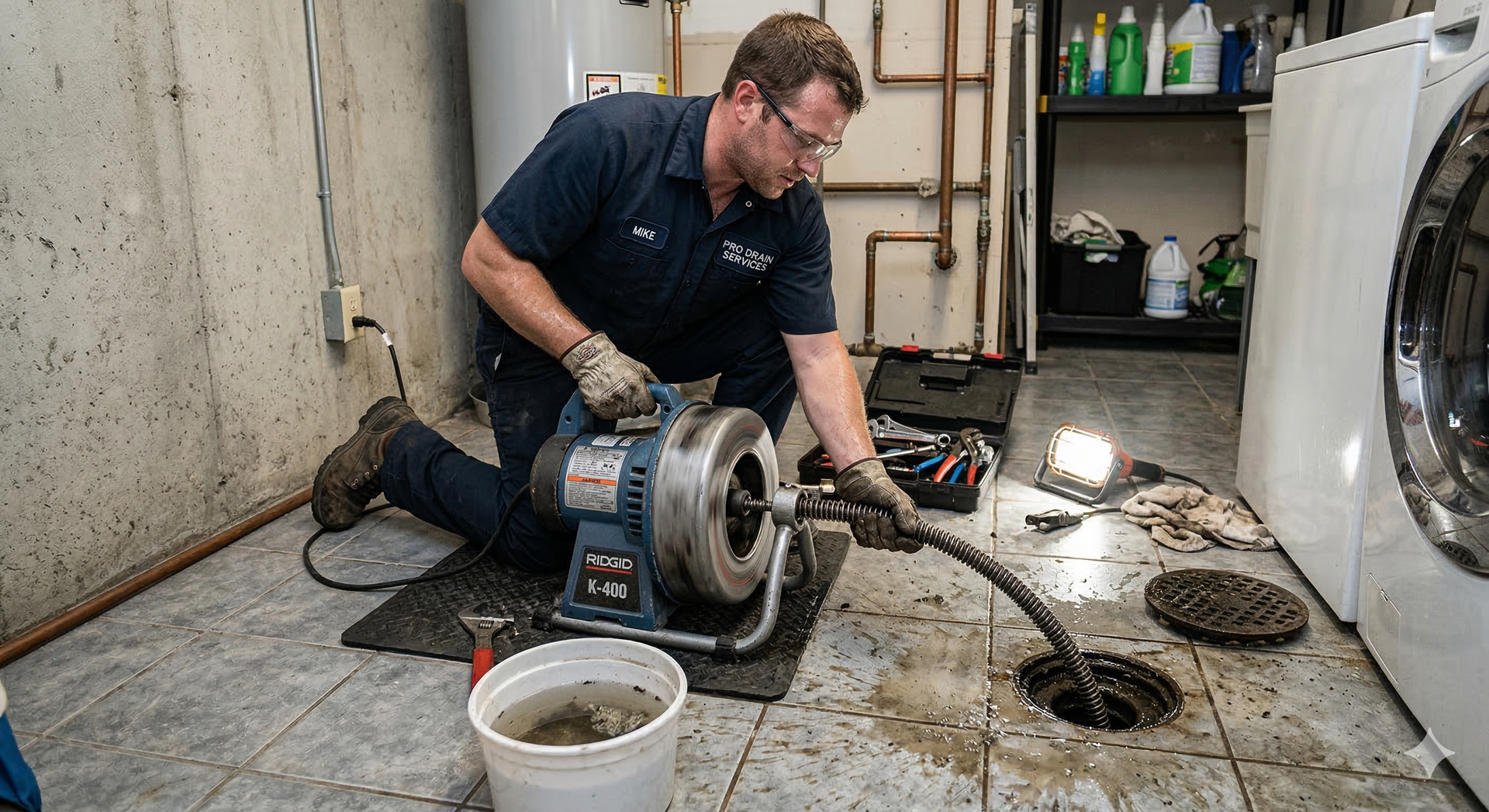
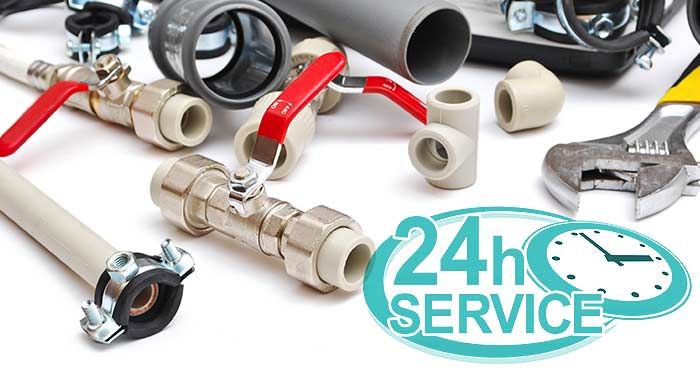
Professional plumbers rely on a specialized toolkit to diagnose and resolve water heater failures efficiently, ensuring minimal disruption. A digital multimeter tops the list for electric heaters, measuring voltage, continuity, and resistance to pinpoint faulty elements or thermostats with precision. Pipe wrenches and basin wrenches provide the leverage needed to disconnect stubborn fittings without damaging pipes, while channel locks offer adjustable grip for larger components. For sediment inspection, a flashlight and tank flush kit reveal buildup extent, paired with a water pressure gauge to check if excessive psi exceeds the 80-psi safety threshold. Gas leak detectors and manometers are indispensable for fuel-line troubleshooting, sniffing out propane or natural gas hazards. Non-contact voltage testers add safety by identifying live wires without direct contact, and drain snakes clear clogs in inlet lines. These tools, used in tandem, enable plumbers to perform thorough assessments, from flushing tanks to testing valves, restoring functionality swiftly.
Step-by-Step Handling of an Emergency Water Heater Failure
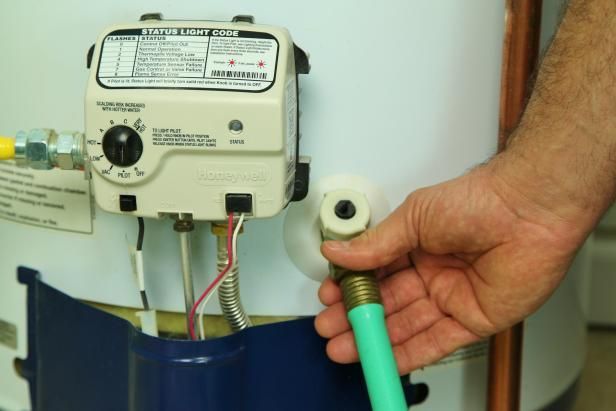
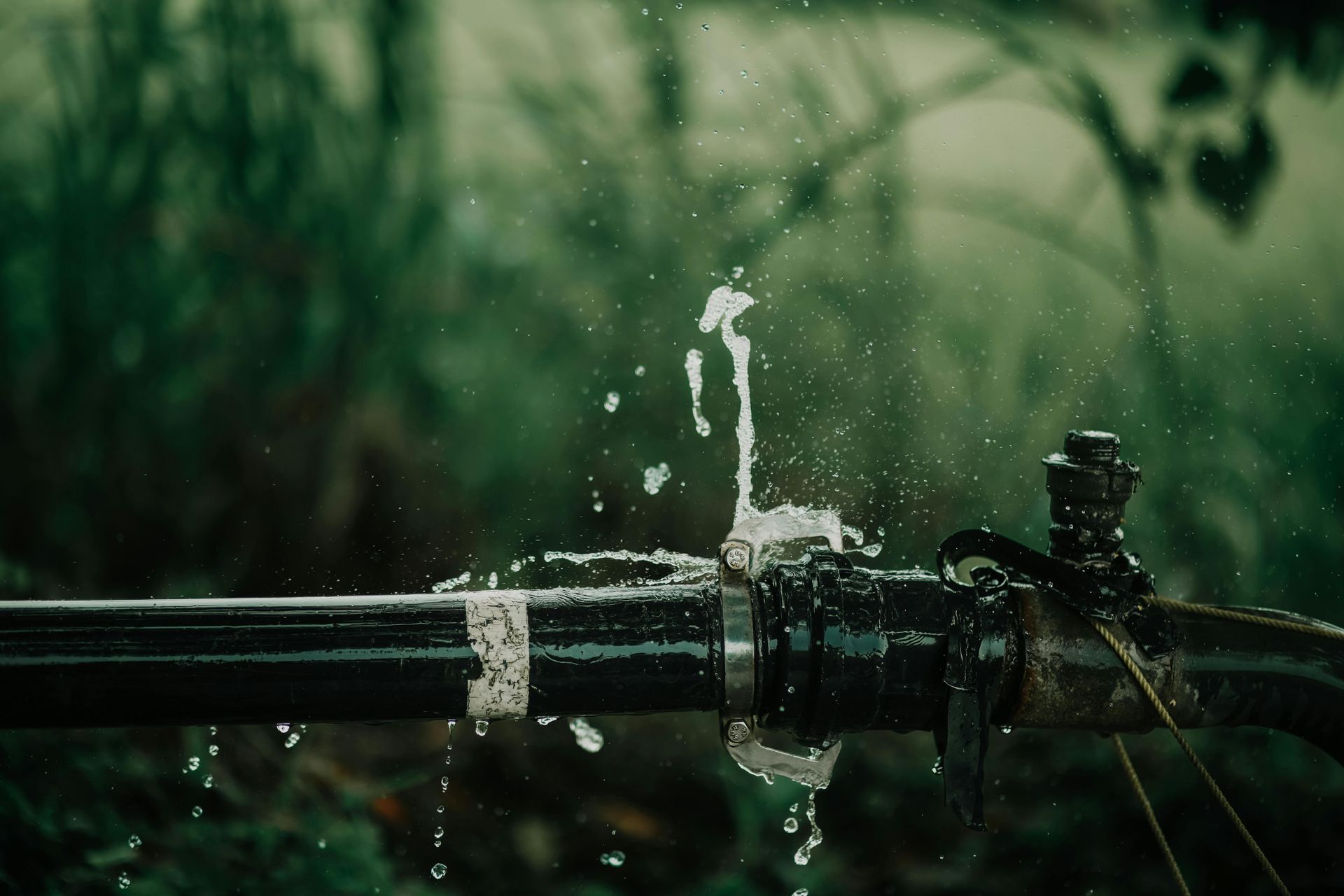
When a water heater fails unexpectedly, a systematic response minimizes damage and restores service. First, turn off the power or gas supply immediately to prevent electrical hazards or explosions—flip the circuit breaker for electric units or shut the gas valve for others. Place a bucket under any visible leaks and open the pressure relief valve briefly to release built-up steam safely. Next, shut off the cold water inlet valve to stop inflow, then drain the tank partially using a garden hose connected to the drain valve, directing water to a floor drain or outside. Assess the damage: if the tank is ruptured, contain the flood with towels and plastic sheeting while ventilating the area. Contact a reliable service like All City Plumbers for emergency services, as their 24/7 response teams arrive equipped to isolate the issue, whether it's a simple element replacement or full unit swap. Temporary fixes, such as bypassing the heater for cold water use, buy time, but pros ensure compliance with local codes during repairs.
Preventive Plumbing Maintenance: Why It Always Pays Off
Investing in routine upkeep transforms water heaters from ticking time bombs into dependable assets. Annual flushing removes sediment, extending tank life by years and slashing energy bills through improved efficiency. Replacing the anode rod every 3-5 years shields against corrosion, while insulating pipes curbs heat loss. Testing the temperature-pressure relief valve quarterly prevents pressure-related bursts, and installing a leak detector provides early flood alerts. Professional inspections catch issues like loose wiring or failing dip tubes before they escalate. Why preventive plumbing maintenance always pays off becomes clear when comparing costs: a $200 service call averts $3,000 in flood repairs or unit replacements. Homeowners who schedule biannual checks enjoy uninterrupted hot water, lower utility rates, and peace of mind, proving that small efforts yield massive long-term savings and reliability.
Professional Intervention and Long-Term Solutions
For emergencies, swift professional intervention from providers offering emergency services ensures safe, code-compliant resolutions. Technicians use advanced tools like thermal imaging cameras to detect hidden leaks and infrared thermometers for precise temperature mapping. Replacement decisions hinge on unit age and failure severity; upgrading to tankless models offers endless hot water with 30 percent energy savings and space efficiency. High-efficiency condensers recapture exhaust heat, ideal for larger homes. Post-repair, water quality tests confirm safe operation, and warranty registrations protect future investments. Long-term, smart leak monitors integrate with home automation for real-time alerts, while water softeners combat mineral buildup in hard-water areas. These strategies not only resolve crises but fortify systems against future failures, blending technology with craftsmanship for enduring performance.
Conclusion
Emergency water heater failures rarely happen at convenient times, which is why a structured, informed response is critical. Acting quickly—shutting off water supply lines, cutting power or gas, and assessing visible damage—can significantly reduce the extent of property loss. Equally important is having the right tools and a basic understanding of your system, allowing you to stabilize the situation before it escalates. Recognizing early warning signs such as fluctuating water temperatures, unusual noises, or minor leaks gives homeowners a valuable head start, often preventing a full system breakdown.
Beyond immediate response, long-term reliability hinges on consistent preventive maintenance and access to skilled professionals. Routine inspections, sediment flushing, and component checks extend the lifespan of the unit while maintaining efficiency. Establishing a relationship with a dependable emergency plumbing service ensures that when failures do occur, resolution is swift and technically sound. In practice, this combination of preparedness, vigilance, and expert support transforms water heater ownership from a reactive burden into a controlled, predictable aspect of home management.