Essential Plumbing Tools For Water Heater Emergencies
Water heaters are the unsung heroes of modern homes, quietly providing hot water for showers, dishwashing, and laundry until they suddenly falter. Emergencies like sudden leaks, no hot water, or strange noises can disrupt daily life, often striking at the worst times—late at night or during a family gathering. These issues typically stem from sediment buildup, faulty thermostats, corroded anode rods, or pressure relief valve failures, leading to flooding risks or scalding water. Recognizing the signs early, such as dripping from the base or discolored water, allows homeowners to act swiftly with the right tools rather than panicking. While professional intervention is ideal for complex repairs, having essential plumbing tools equips you to stabilize the situation temporarily, buying time until experts arrive. This preparation not only saves on immediate water damage but also empowers you to assess the problem accurately, ensuring repairs are targeted and efficient.
In many cases, a water heater emergency unfolds rapidly; for instance, a ruptured dip tube might cause cold water to mix with hot, frustrating users without an obvious fix. Tools become your first line of defense, helping isolate the issue without exacerbating it. Homeowners who stock these basics report fewer insurance claims and quicker resolutions, turning potential catastrophes into manageable inconveniences. By familiarizing yourself with common failure points—like the tank's pressure buildup or heating element burnout—you position yourself to respond methodically, prioritizing safety above all.
Must-Have Basic Tools for Quick Response
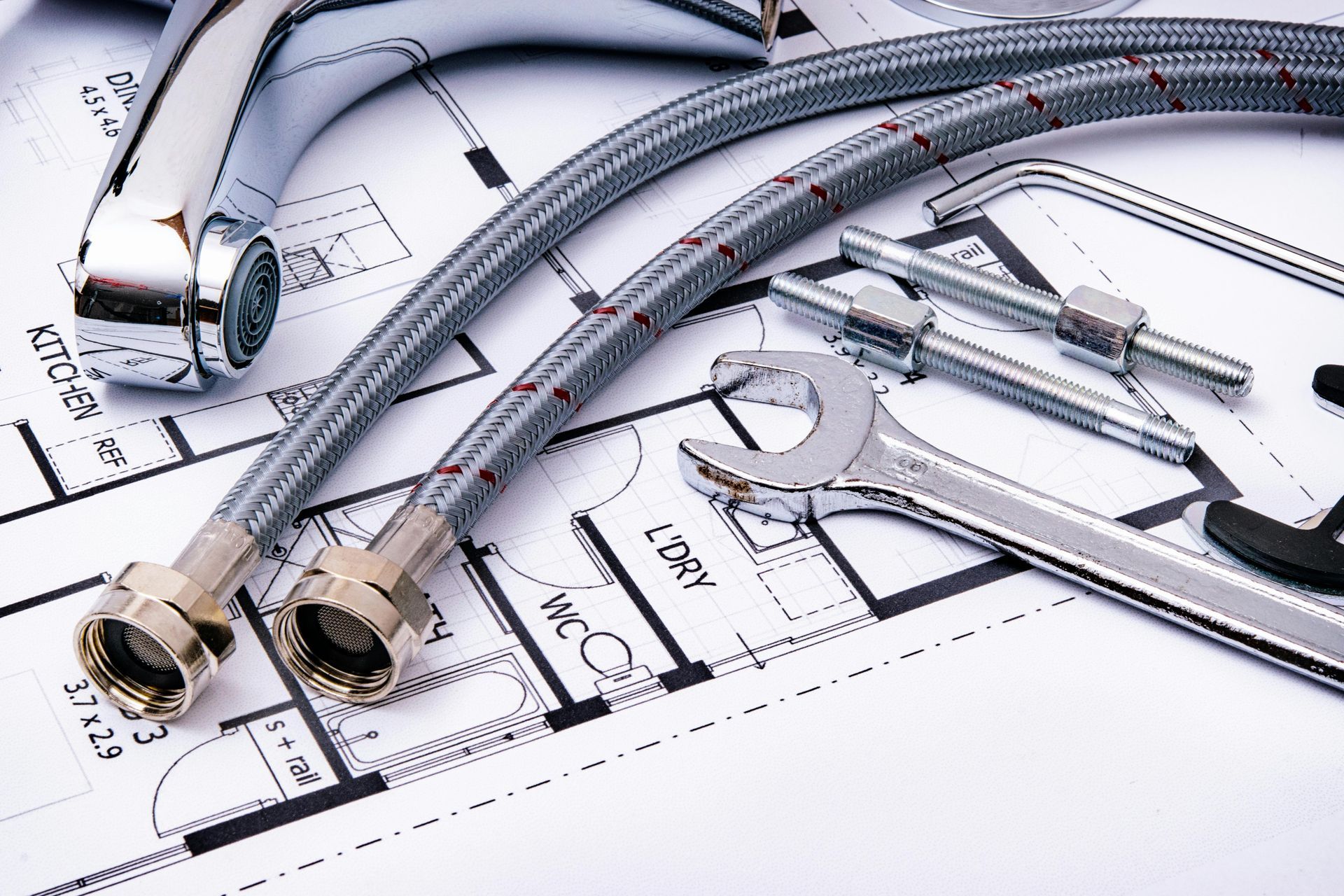
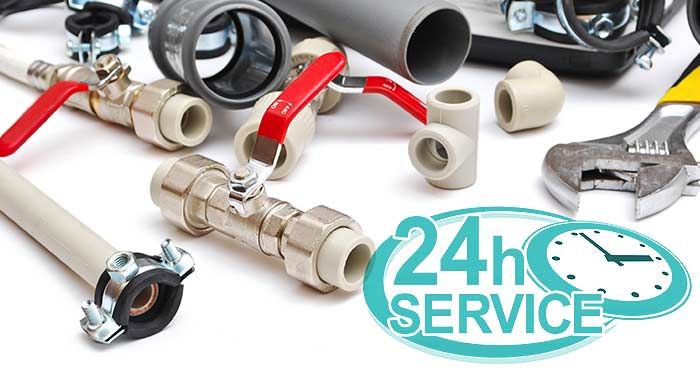
Every homeowner's plumbing kit should start with foundational tools tailored for water heater crises, ensuring you can shut down systems and contain messes without delay. A high-quality adjustable pipe wrench tops the list, versatile for gripping pipes, fittings, and valves up to several inches in diameter. Its smooth jaws prevent scratching chrome finishes, and a 14-inch model offers the leverage needed to turn stubborn shutoff valves under pressure. Pair it with a pair of slip-joint pliers for smaller nuts and a pipe cutter for cleanly severing corroded sections if needed—these tools allow you to disconnect inlet or outlet lines safely.
Beyond wrenches, a robust flashlight with a magnetic base proves invaluable in dimly lit utility closets, illuminating valve stems or leak sources while freeing your hands. Add a digital multimeter to test electrical components like heating elements, which often fail in older units; it measures voltage and continuity, helping diagnose if the issue is power-related rather than mechanical. A bucket or wet-dry shop vac handles initial water containment, preventing slips and floor damage. These basics form a compact emergency kit stored near your water heater, ready for deployment in seconds during a midnight leak.
Advanced Diagnostic and Repair Tools
For those willing to go beyond basics, advanced tools elevate your ability to troubleshoot water heater emergencies with precision, mimicking professional techniques. An infrared thermometer gun scans surface temperatures instantly, revealing hotspots on the tank that indicate failing insulation or internal blockages—ideal for spotting sediment-clogged bases running cooler than the top. A water pressure gauge screws onto a hose bib to check if excessive PSI (above 80) is straining the relief valve, a common culprit in explosive failures.
A socket set with deep-well extensions tackles anode rod inspections; these sacrificial rods corrode to protect the tank, and replacing them every few years extends unit life. Include a descaling kit with vinegar or citric acid pumps to flush sediment without harsh chemicals, restoring efficiency in hard-water areas. A pipe threader and Teflon tape ensure leak-free reconnections, while a tank flush valve adapter simplifies draining murky water. These tools require some practice but pay dividends, often resolving issues like low output before they escalate.
Safety Gear to Protect Yourself and Your Home
No water heater toolkit is complete without dedicated safety gear, as emergencies involve scalding water, electricity, and sharp edges that demand protection. Heavy-duty rubber gloves with nitrile coating shield hands from burns and chemicals during valve turns or element swaps, while safety goggles prevent splashes from reaching your eyes. A fire extinguisher rated for electrical fires (Class C) sits nearby, essential if a shorted heating element sparks—water heaters often pair with gas or electric risks.
Non-slip work boots and knee pads support prolonged crouching in tight spaces, reducing injury during extended sessions. A carbon monoxide detector ensures gas models aren't leaking silently, and a first-aid kit stocked with burn gel addresses inevitable mishaps. Integrating All City Plumbers' emergency services into your response plan means calling them for anything beyond stabilization; their 24/7 availability handles high-risk jobs like gas line purges, ensuring your home stays safe without unnecessary heroics.
Step-by-Step Handling of Common Scenarios
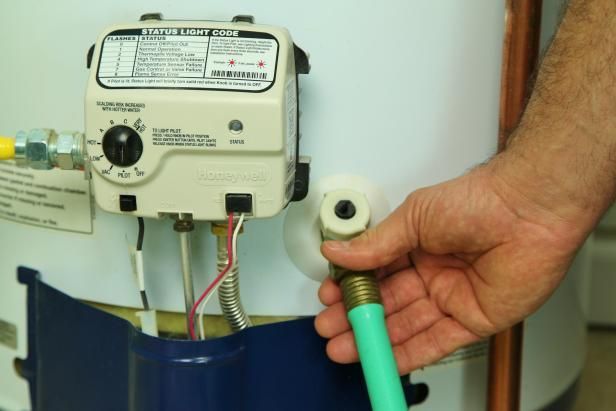
Applying these tools shines in real-world scenarios, where methodical steps turn chaos into control. For a leaking pressure relief valve, don your safety gear, use the pipe wrench to close the cold water inlet, and attach the pressure gauge to confirm overpressure—relieve it slowly via the garden hose connection to an outdoor drain. If no hot water flows, the multimeter tests elements while the infrared thermometer checks for even heating; sediment flushes follow with the descaling pump.
Noisy rumbling signals buildup—shut off power or gas, drain via the adapter, and inspect the anode with sockets. Flooding from a cracked tank? Vac the water, isolate with wrenches, and tarp the area until pros arrive. Each scenario underscores tool synergy: pliers hold fittings steady for cutters, flashlights guide multimeter probes. Practice these on non-emergency days builds confidence, minimizing errors when stakes are high.
Building a Long-Term Plumbing Care Strategy
Preventing water heater emergencies requires shifting from reactive fixes to proactive maintenance, forming the backbone of a resilient home. Regular annual flushes with your descaling tools remove sediment, while quarterly anode checks via sockets catch corrosion early. Monitor pressure monthly with the gauge, adjusting the expansion tank if needed, and test the relief valve biannually by lifting its lever briefly.
This evolves into how to build a long-term plumbing care strategy for your home: schedule professional inspections every two years through services like All City Plumbers' emergency services for thorough diagnostics beyond DIY reach. Track usage patterns in a log—higher family demands might warrant upsizing—and insulate pipes to curb heat loss. Integrate smart monitors that alert via app for leaks or temperature drops, pairing with your toolkit for hybrid vigilance. Over time, this strategy slashes repair frequency by 50%, extends heater life to 15+ years, and stabilizes utility bills.
Conclusion
Equipping yourself with these essential plumbing tools transforms water heater emergencies from overwhelming disasters into manageable, methodical challenges. Instead of reacting with panic, you’re able to approach the situation with a structured mindset—identifying the issue, isolating risks, and applying the right tool at the right moment. A well-prepared toolkit, ranging from adjustable wrenches and pipe cutters to more advanced diagnostic instruments, allows you to respond quickly to leaks, pressure irregularities, or heating failures. Just as important, it reinforces safe practices, helping you minimize damage, avoid unnecessary hazards, and maintain control during situations that would otherwise feel chaotic.
This level of preparedness doesn’t eliminate the need for professional intervention, but it sharpens your judgment on when to step in and when to step back. By understanding your limits and recognizing complex issues early, you can confidently involve experienced professionals like All City Plumbers at the right time, preventing minor faults from escalating into costly repairs. Over the long term, adopting a proactive maintenance approach—supported by the right tools and basic know-how—protects not only your water heater but the broader integrity of your home. It’s a practical investment in reliability, comfort, and property value that continues to pay dividends year after year.