Why Your Basement Sump Pump Keeps Cycling Frequently?
A basement sump pump that cycles frequently is a common household issue that indicates underlying problems requiring attention before they lead to pump failure or basement flooding. Frequent cycling, also known as short cycling, occurs when the pump turns on and off more often than normal, typically defined as more than once every few minutes under normal conditions. This behavior can stem from a stuck or improperly positioned float switch, a pump that is oversized for the pit, a check valve failure allowing water to flow back into the pit, a leaking discharge line, excessive groundwater infiltration, or a malfunctioning pressure switch. Identifying the root cause is essential for implementing the correct solution, as continuing to operate a frequently cycling pump accelerates wear, reduces lifespan, and increases the risk of burnout when the pump ultimately fails during a critical moment.
Diagnosing the Source of Frequent Sump Pump Cycling
Accurately diagnosing the source of frequent sump pump cycling is the first critical step toward permanent resolution. Start by observing the pump cycle pattern, noting how often it activates, how long it runs, and whether cycling increases during or after rainfall. Check the float switch mechanism manually by lifting it gently to ensure it moves freely without obstruction and returns to its resting position smoothly. A stuck float or one caught on the pit wall or discharge pipe will cause continuous or frequent cycling. Inspect the check valve located on the discharge line near the pump to ensure it is installed in the correct direction and functions properly, allowing water to flow out while preventing backflow into the pit. Examine the discharge line for leaks, cracks, or improper slope that may allow water to return to the pit. Listen for gurgling sounds after the pump shuts off, which indicate water flowing back into the pit due to check valve failure. If the pump pit fills rapidly even without rainfall, excessive groundwater infiltration or a leaking water line may be the cause, requiring further investigation.
The Role of Float Switches in Sump Pump Operation
The float switch is the primary control mechanism that determines when a sump pump turns on and off, making it a critical component in preventing frequent cycling. As water fills the sump pit, the float rises with the water level, triggering the switch to activate the pump when a predetermined height is reached. When water drains and the float drops, the switch turns the pump off. A malfunctioning float switch can cause frequent cycling in several ways. If the float becomes stuck in the raised position due to debris, pit wall contact, or mechanical failure, the pump will run continuously or cycle rapidly. If the float travel range is too short due to improper adjustment, the pump will activate and deactivate too frequently as small water volume changes trigger the switch. Some pumps use electronic float switches or pressure sensors instead of mechanical floats, and these can fail due to electrical issues or sensor malfunction. Adjusting the float arm to widen the activation range, cleaning debris from the float mechanism, or replacing a faulty float switch can resolve frequent cycling caused by switch problems.
Check Valve Failures and Water Backflow Issues
Check valve failure is a leading cause of frequent sump pump cycling, as a failed check valve allows water to flow back into the sump pit after the pump shuts off, causing the pump to immediately restart. The check valve is installed on the discharge line near the pump and is designed to allow water to flow only in one direction, out of the pit and away from the foundation. When the check valve fails due to debris preventing proper closure, a worn or broken flap, or incorrect installation orientation, water flows back into the pit through the discharge line. This backflow fills the pit rapidly, triggering the float switch and causing the pump to cycle repeatedly. To test for check valve failure, observe the discharge line after the pump shuts off and listen for water flowing back into the pit. If backflow is detected, the check valve should be replaced with a new unit installed in the correct direction. Installing a high-quality check valve with a durable flap and proper sizing prevents backflow and eliminates a common cause of frequent cycling.
The Professional Repair Process for Sump Pump Problems
When DIY troubleshooting fails to resolve frequent sump pump cycling, professional intervention becomes necessary to diagnose and repair complex plumbing issues. Professional technicians begin with a comprehensive assessment that includes visual inspection of the pump, float switch, check valve, and discharge line, testing pump operation manually, and measuring water inflow rate to the pit. For float switch issues, technicians verify proper adjustment, check for mechanical damage, and replace faulty switches with compatible units. Check valve problems require removing the old valve and installing a new one in the correct orientation, ensuring proper flow direction and secure connections. For pumps that are oversized for the pit, technicians may recommend replacing the pump with a properly sized unit or installing a variable speed pump that adjusts output to match water inflow. When excessive groundwater infiltration is detected, the repair process may involve addressing exterior drainage issues, installing French drains, or adding a secondary pump. Reputable companies like All City Plumbers employ technicians trained in sump pump repair and system optimization, ensuring the root cause is identified and addressed, preventing recurrence and protecting your basement from water damage.
Leak Isolation Techniques for Sump Pump Systems
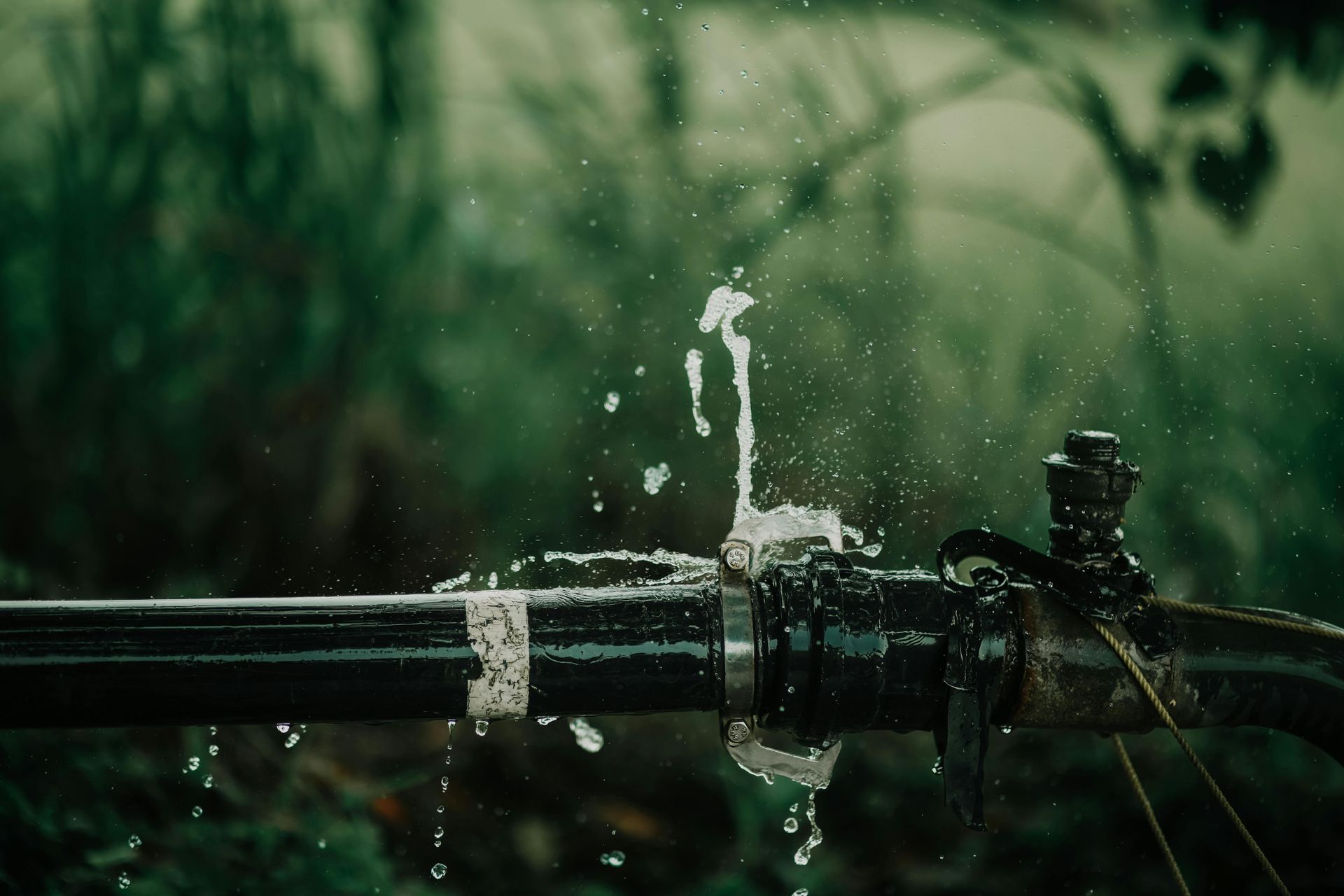
Leak isolation is a critical diagnostic technique when troubleshooting frequent sump pump cycling, as it helps pinpoint whether water entering the pit originates from groundwater infiltration, a leaking discharge line, or an internal water line leak. To isolate the source, technicians and homeowners can systematically test the system by shutting off the main water supply to the home and observing whether the pit continues to fill. If the pit stops filling when water is shut off, the source is an internal leak such as a burst pipe or faulty fixture. If the pit continues to fill despite shutting off house water, the source is groundwater infiltration from outside. For discharge line leaks, isolate sections of the line by capping at various points and observing whether backflow into the pit stops. Checking for leaks at pipe joints, cracks in the discharge line, or improper slope that allows water to pool and return to the pit helps identify the exact leak location. This methodical isolation process prevents unnecessary repairs and ensures resources are directed toward the actual problem area.
Temporary Patching Methods for Immediate Sump Pump Relief
Temporary patching methods can provide immediate relief from frequent sump pump cycling while you arrange for professional repairs or prepare for more permanent solutions. For float switches that are stuck or obstructed, cleaning debris from the float mechanism and ensuring free movement can restore normal operation temporarily. If the check valve is allowing minor backflow, temporarily clamping the discharge line near the pump can prevent backflow until the valve is replaced. For discharge line leaks, wrapping the leak area with waterproof plumbing tape or applying waterproof epoxy can seal small cracks temporarily. If the pump is cycling due to rapid water inflow during heavy rain, temporarily increasing the float activation height can reduce cycling frequency, though this increases the risk of overflow if water rises too quickly. These temporary measures provide immediate relief but do not address underlying issues such as faulty components, improper sizing, or excessive groundwater infiltration that require professional repair.
Sump Pump Repair and Replacement Considerations
When sump pump problems persist despite troubleshooting and temporary fixes, sump pump repair or replacement becomes necessary to restore reliable basement protection. Sump pump repair may involve replacing the float switch, installing a new check valve, cleaning the pump intake screen, or repairing discharge line connections. These repairs are cost-effective when the pump motor is still functional and the pump is relatively new. However, when the pump motor shows signs of wear, the pump is old and inefficient, or repair costs approach the price of a new unit, replacement is the smarter long-term investment. Modern sump pumps offer improved efficiency, quieter operation, better float switch reliability, and enhanced durability compared to older models. When selecting a replacement pump, consider pump capacity measured in gallons per hour, lift height required to discharge water away from the foundation, power source options including battery backup for power outages, and warranty coverage. Professional installation ensures proper sizing, correct plumbing connections, and optimal performance that protects your basement from water damage.
Long-Term Maintenance Strategies for Sump Pump Health
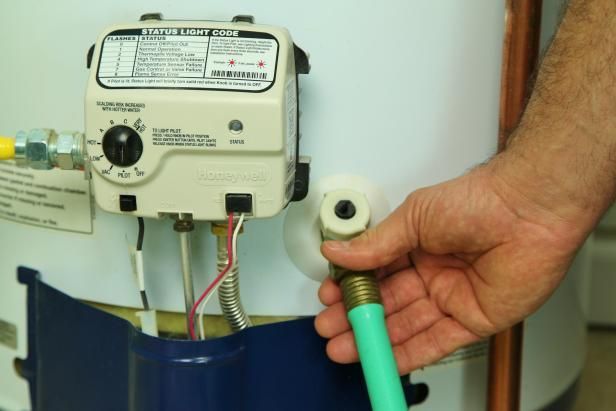
Implementing long-term maintenance strategies is essential for preventing frequent sump pump cycling, extending pump lifespan, and ensuring reliable operation when needed most. Test the sump pump monthly by pouring water into the pit and observing whether the pump activates, cycles properly, and shuts off automatically. Clean the pump intake screen regularly to remove debris that can impede water flow and cause overheating. Inspect the float switch monthly to ensure free movement and proper adjustment, clearing any obstructions that may cause sticking. Check the check valve annually for signs of wear, debris, or failure, and replace it if backflow is detected. Ensure the discharge line is clear of obstructions, slopes properly away from the foundation, and terminates at least ten feet from the house to prevent water from returning to the pit. In cold climates, ensure the discharge line is buried below the frost line or insulated to prevent freezing. Adopt monthly home maintenance for garbage disposal and water heater to ensure these appliances function properly and do not contribute to drainage problems or water infiltration that could overload the sump pump. Proper maintenance prevents problems, extends the life of your sump pump, and ensures reliable protection against basement flooding.
When to Call Professional Plumbing Services for Sump Pump Issues
Knowing when to call professional plumbing services for sump pump issues prevents minor problems from escalating and ensures proper diagnosis and repair. Professional assistance is necessary when frequent cycling persists despite troubleshooting float switches and check valves, when the pump motor shows signs of failure such as unusual noises, burning smells, or failure to start, when excessive groundwater infiltration overwhelms the pump capacity, when the discharge line requires redesign or regrading to function properly, when a battery backup system is needed for power outage protection, or when you lack the tools, knowledge, or physical ability to safely access and repair the sump pump system. Professional plumbers have specialized equipment including pipe locators, water flow meters, and repair tools that enable accurate diagnosis and effective repair. They also possess the expertise to identify complex issues such as inadequate pump capacity, improper pit sizing, or exterior drainage problems that require comprehensive solutions. Delaying professional intervention allows problems to worsen, potentially leading to pump burnout, basement flooding, extensive water damage, and significantly higher repair costs.
Conclusion
Understanding why your basement sump pump keeps cycling frequently requires identifying the root cause, whether it is a malfunctioning float switch, failed check valve, discharge line leak, oversized pump, or excessive groundwater infiltration. Simple measures like adjusting the float, cleaning debris, and replacing a faulty check valve can eliminate frequent cycling caused by component failures, while more complex issues require professional diagnosis and repair. Understanding the repair process, leak isolation techniques, and temporary patching methods empowers you to address problems effectively and know when professional sump pump repair is necessary.
Long-term maintenance strategies prevent frequent cycling from recurring and ensure reliable sump pump operation when basement protection is critical. Regular testing, monthly inspections, cleaning, and adherence to monthly home maintenance for garbage disposal and water heater create a comprehensive approach to plumbing care that prevents pump failures and basement flooding. By addressing frequent cycling promptly and maintaining your sump pump system proactively, you protect your home from water damage, extend pump lifespan, and ensure peace of mind during heavy rainstorms and seasonal water infiltration.