How Stormwater Overloads Affect Your Sewer Line and Water Heater
Stormwater overloads strike when heavy precipitation saturates drainage infrastructure, exceeding design capacities and reversing flows in sewer systems. Combined sewers, which handle both sanitary waste and runoff, become conduits for chaos during downpours, blending household effluent with street debris into a torrent that pressurizes underground networks. Pipes swell under the deluge, transmitting shockwaves that infiltrate home laterals, often manifesting as basement floods or fixture gurgles.
This phenomenon intensifies with urbanization: impervious surfaces like roofs and pavement accelerate runoff, funneling volumes that dwarf dry-weather flows. Climate variability brings fiercer storms, stressing aging pipes installed decades ago with materials prone to fatigue. The result is not just temporary inconvenience but progressive degradation, where each event chips away at system resilience.
Direct Impacts on Sewer Line Durability
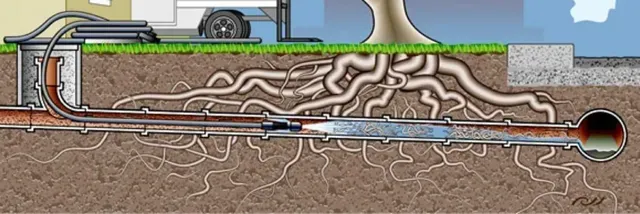
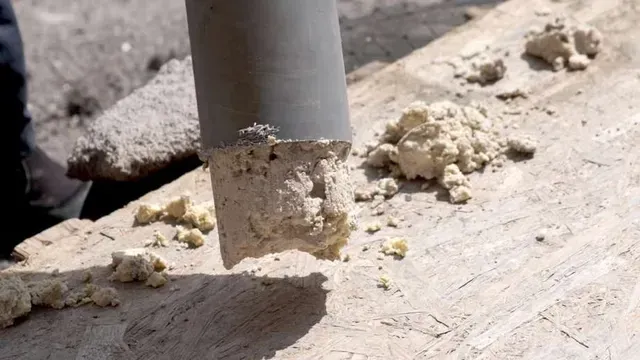
Sewer lines suffer profoundly from these overloads, facing abrasive scouring from grit-laden waters that strip protective coatings and expose vulnerable cores. Pressure surges exploit existing flaws—micro-cracks widen into fissures, inviting soil intrusion and collapse. Roots, ever opportunistic, probe these weaknesses, thickening into blockages that choke capacity long-term.
Sagging or offset pipes, common in shifting soils, trap sediments post-storm, fostering anaerobic bacteria that corrode from within. Diagnostic cameras reveal the toll: jagged tears, encrusted buildup, and offset joints misaligning flows. Without timely sewer line repair and replacement, these evolve into total failures, stranding waste and demanding disruptive digs.
All City Plumbers excels in assessing overload damage, deploying robotic cutters and epoxy liners for minimally invasive restorations that extend pipe life by 50 years or more.
Consequences for Water Heaters and Connected Systems
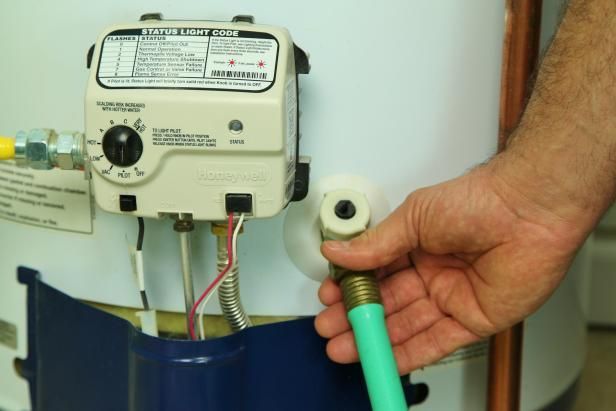
Water heaters, often tucked in basements or garages, fall victim to overload backflows that flood bases with contaminated slurry. This sludge infiltrates tanks, overwhelming sediment traps and abrading heat exchangers in tankless units. Pressure spikes force water backward through check valves, stressing dip tubes and anodes until they fracture, leading to leaks that scald floors.
Electrical panels short amid inundation, while gas vents clog with debris, risking incomplete combustion. Fixtures cycle under erratic heads, sputtering scalding bursts or tepid dribbles that signal deeper distress. Post-event flushing is vital, but ignored heaters succumb faster, their efficiency plummeting as scale accumulates.
Key Indicators of Overload-Related Damage
Vigilance reveals overload aftermath through telltale signs. Drains sluggish post-rain hint at compacted debris; sewer gas wafting indoors flags breaches. Water heaters groan with sediment boils or deliver rusty flows, while pressure gauges spike erratically. Basement dampness near utilities or sump bubbling confirms infiltration.
Track these during wet cycles—apps logging rainfall against performance pinpoint trends. Early alerts prevent escalation from annoyance to crisis.
Triggers for Professional Intervention
Overloads demand pros when backups surge or heaters falter mid-storm. Sewage irrupting from drains, sudden temperature drops, or alarming error lights warrant immediate halts to water and power. Technicians arrive with pumps and scopes to evacuate, diagnose, and stabilize.
For extensive harm, full sewer line repair and replacement restores integrity, often via no-dig methods that spare landscapes.
Proactive Strategies to Mitigate Risks
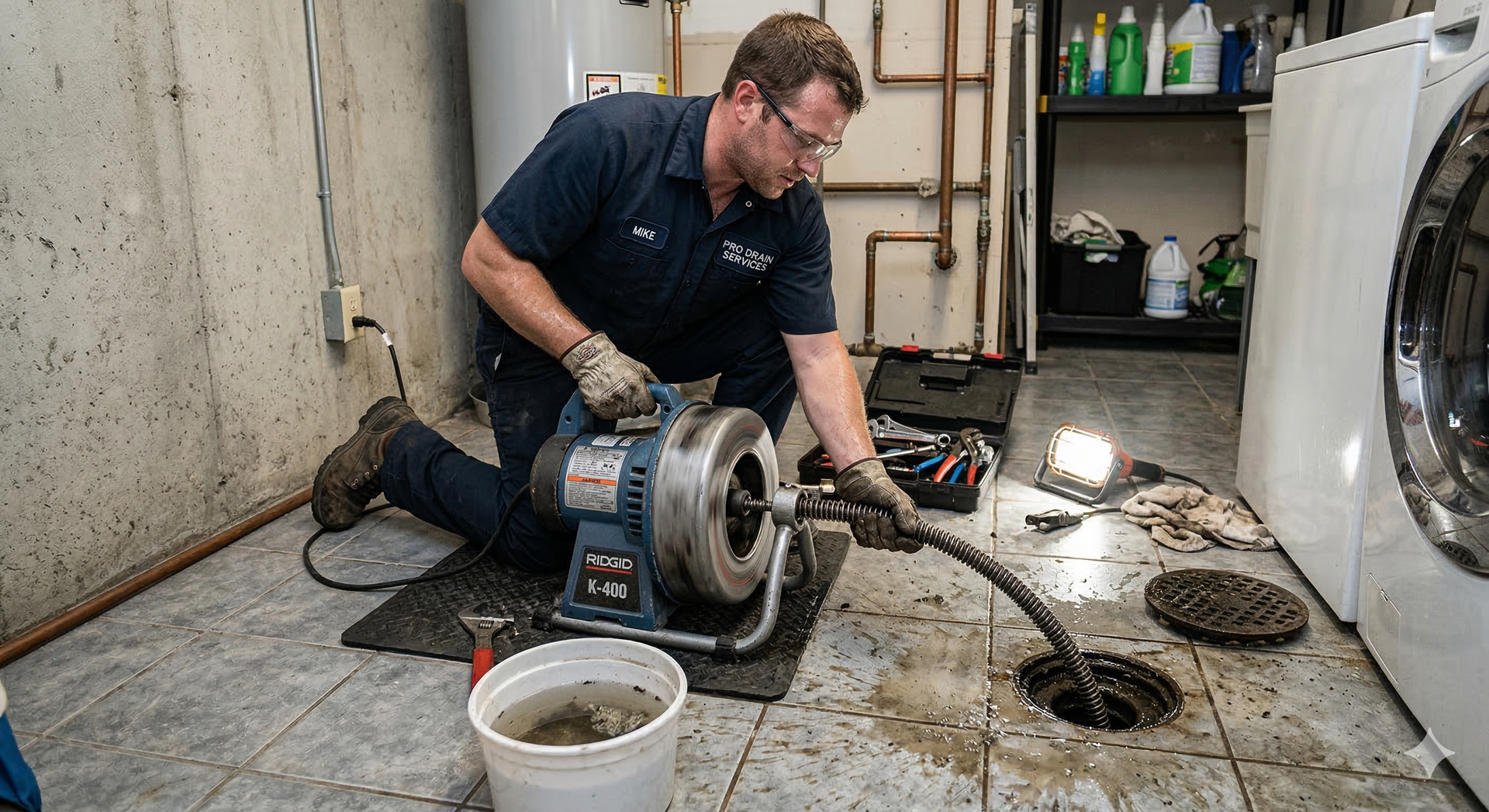
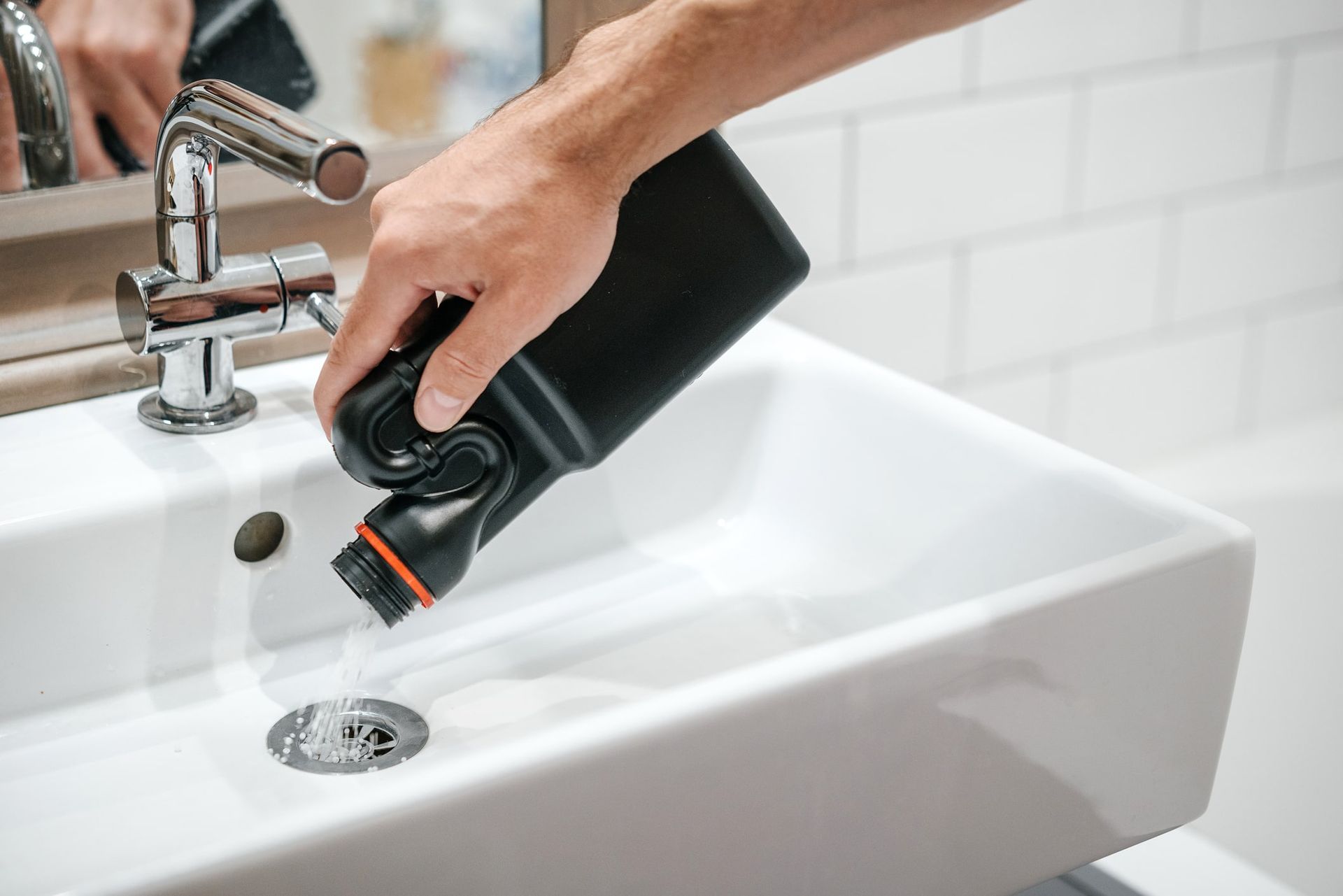
Fortify against overloads with sump pumps boasting alarms, backflow preventers sealing reverse paths, and downspout extensions diverting runoff. Elevate heaters on seismic platforms and insulate exposed pipes. The hidden costs of skipping regular drain cleaning loom large: debris from storms hardens into obstructions, inflating repair tabs from routine to ruinous, alongside water damage claims and utility hikes.
Bi-annual jetting dissolves buildup, while tree root inhibitors maintain clearance. Hydrostatic testing verifies seals, ensuring overload resilience.
Conclusion
In conclusion, stormwater overloads erode sewer lines and water heaters through relentless hydraulic assault, demanding proactive defense and expert care. Integrating prevention with services from All City Plumbers averts the hidden costs of skipping regular drain cleaning, securing enduring plumbing performance amid intensifying weather. Stay ahead, and your home remains a sanctuary, not a casualty.