Using Plumbing Tools to Detect Cracked Sewer Pipes
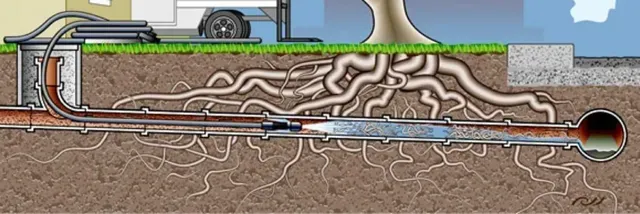
Cracked sewer pipes lurk beneath homes, silently allowing wastewater infiltration into soils, groundwater contamination, and structural collapses over time. Caused by root intrusion, ground shifts, soil erosion, or material fatigue in clay, cast iron, or Orangeburg lines, these fissures start as hairlines but widen, enabling backups, sinkholes, and health hazards from pathogens. Detecting them early averts catastrophic failures, preserving foundations and landscapes.
Unlike surface clogs, cracks demand specialized plumbing tools for subsurface revelation, shifting from reactive plunges to proactive diagnostics. This precision saves excavation costs and environmental impact, essential for properties over 20 years old.
Visual and Preliminary Indicators of Pipe Damage
Before deploying tools, observe precursors: recurring gurgling in unrelated drains, lush grass patches over lines from nutrient-rich leaks, or foul yard odors signaling exfiltration. Interior signs include damp basement walls or mold near cleanouts, while exterior heaving soil hints at voids from escaping effluent.
A slow drain becoming a plumbing emergency often masks cracks, where partial blockages from infiltrated debris accelerate failure. Log these across fixtures—kitchen to toilet—for patterns indicating mainline fractures versus laterals.
Essential Handheld Tools for Initial Detection
Handheld sewer cameras, slim probes with LED lights and waterproof housings, initiate inspections via toilet augers or cleanouts. Feed 100 feet of cable while viewing real-time feeds on handheld screens, spotting linear cracks, offsets, or root hairs glowing under illumination. Models with articulating heads navigate bends, zooming on bellied sags.
Acoustic listeners, stethoscope-like devices, amplify pipe vibrations; place on access points, correlating "knocking" with flow tests to map breaches. These portable allies empower homeowners, often revealing issues before pros arrive.
Advanced Mechanical and Acoustic Detection Devices
Line locators emit sonar pulses, tracing pipe paths and depths via surface wands, flagging deviations from soil voids. Hydrophones dropped in risers detect bubbling from cracks under hydrostatic load.
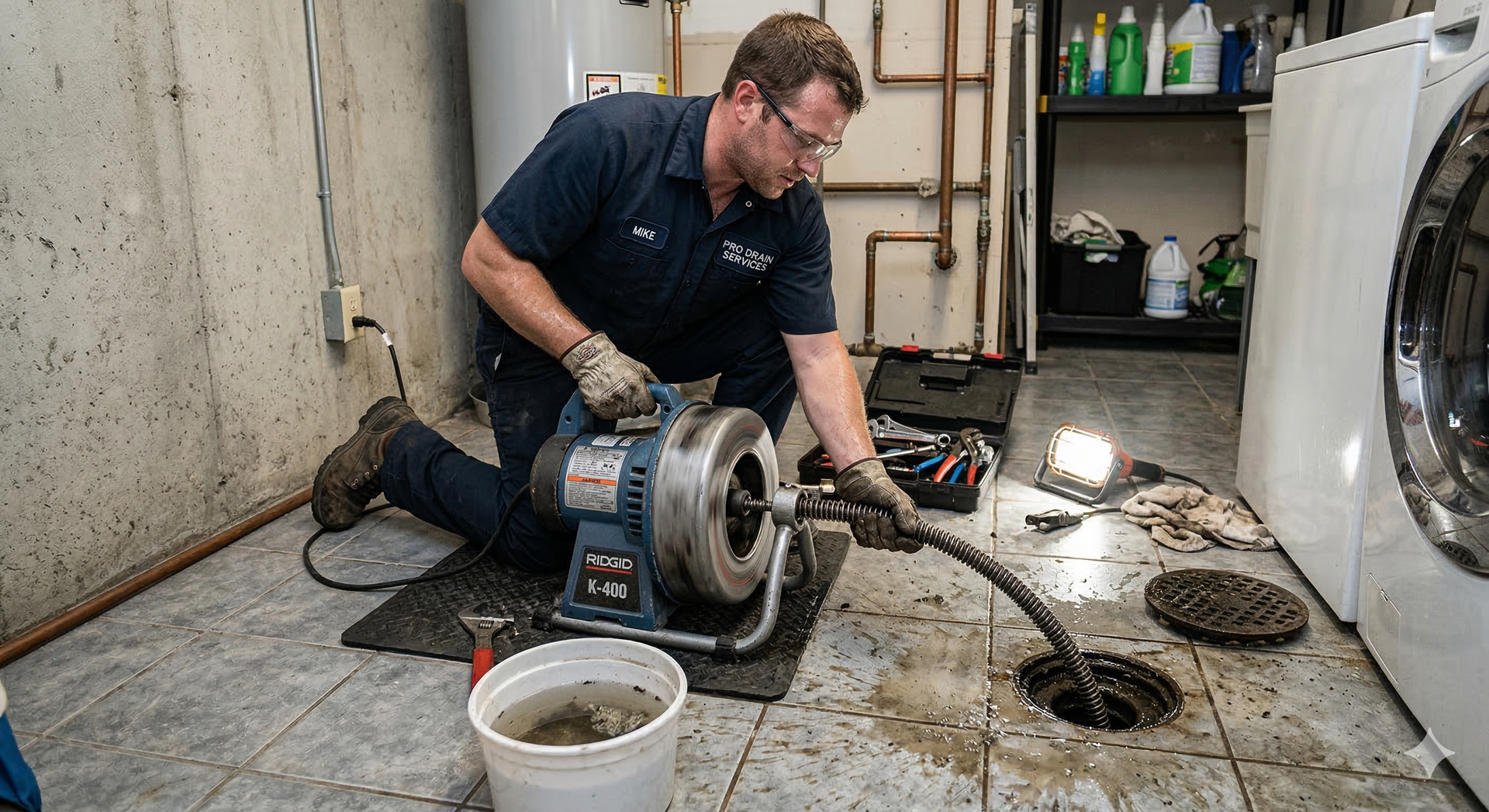
Mechanical drain snakes with CCTV heads, cranked manually, probe laterals; resistance at joints signals fractures. All City Plumbers favors these for cost-effective pre-dig surveys, integrating findings with GIS mapping for comprehensive reports.
Cutting-Edge Technologies for Precise Imaging
Video inspection reels, motorized with 200-foot cables and DVRs, deliver HD panoramas, articulating 90-degree bends to classify cracks—longitudinal versus circumferential. Sonar profilers pulse sound waves, profiling pipe interiors non-invasively, measuring wall loss in filled lines where cameras falter.
Smoke blowers puff non-toxic fog through systems, surfacing at cracks via surface vents, ideal for confirming air leaks doubling as sewage escapes. Ground-penetrating radar scans yards, imaging pipe anomalies up to 10 feet deep without digging.
Interpreting Findings and Next-Step Actions
Analyze footage for offset joints exceeding 1/8 inch or infiltration exceeding 10% flow, mandating repair. Pair with moisture meters probing soils near suspected lines for saturation proof. Sump pump repair intersects here, as cracked sewers overwhelm these, flooding sumps with tainted water—address pipes first.
Trenchless options like cured-in-place pipe (CIPP) liners seal cracks internally, while burst replacement swaps sections hydraulically. Document with timestamped videos for insurers and municipalities.
Preventive Maintenance and Long-Term Monitoring
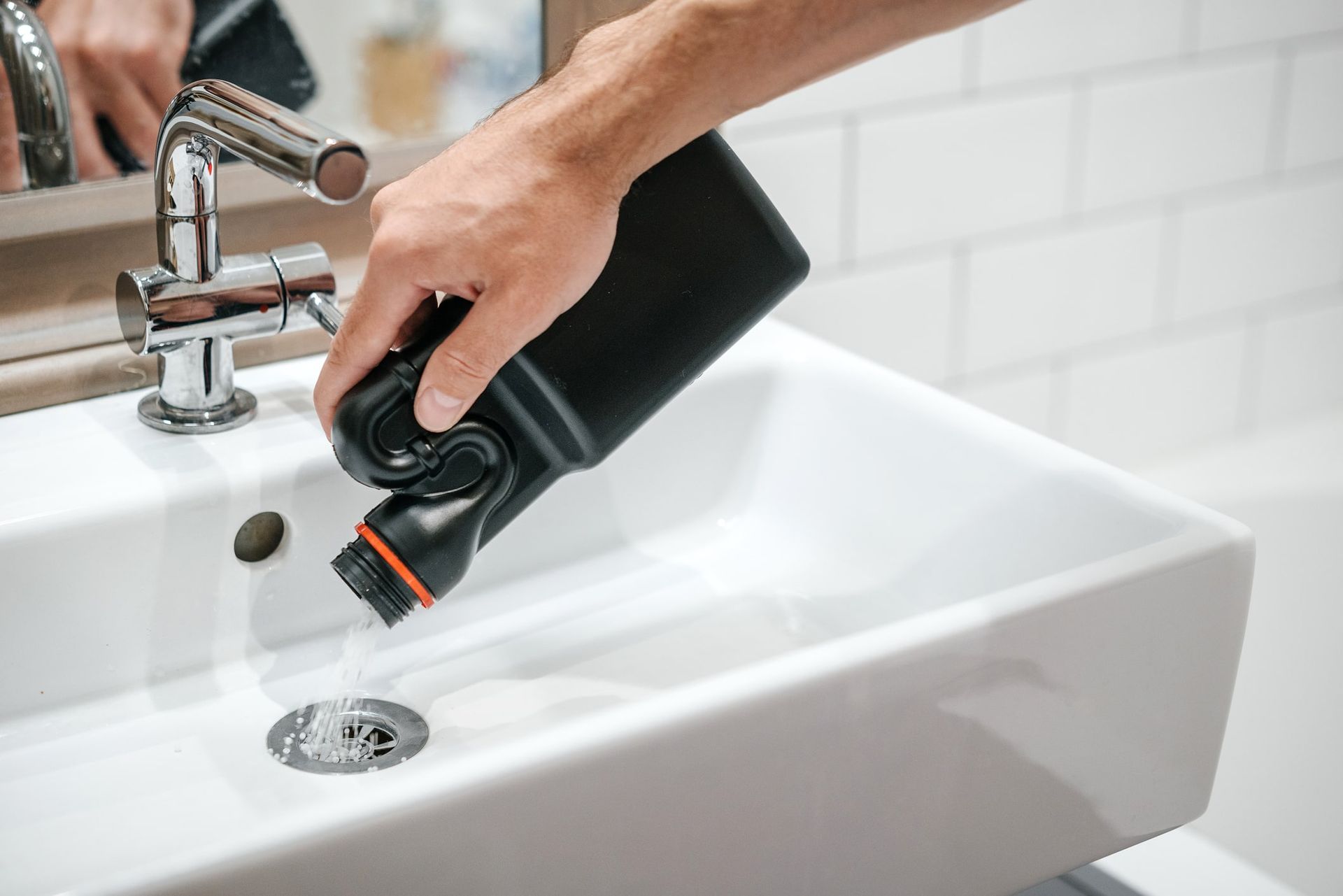
Sustain system integrity through a preventive maintenance program that combines mechanical protection and chemical treatment. Install root barriers to physically deflect invasive growth away from lateral lines, and apply targeted enzyme treatments to biologically digest early-stage root intrusions before they mature into structural obstructions. Schedule annual CCTV camera inspections to assess joint displacement, hairline fractures, offset connections, and early signs of infiltration, allowing corrective action before hydraulic capacity is compromised.
At the main line, deploy flow monitoring sensors to detect abnormal pressure drops or reduced flow rates that may indicate new cracks, joint separation, or developing blockages. When buildup is identified, use hydro-jetting to remove grease, scale, and organic debris at high pressure without abrasive mechanical contact, preserving pipe wall integrity while restoring full bore diameter.
Conclusion
Using plumbing tools—from handheld cameras to sonar profilers—unmasks cracked sewer pipes, transforming vague backups into actionable intelligence. Vigilant detection averts disasters, from a slow drain becoming a plumbing emergency to full collapses. Rely on experts like All City Plumbers for thorough scans and sump pump repair integrations, fortifying your sewer system's resilience for decades of trouble-free service.