Is Your Water Heater Installed to Code and Safety Standards?
Water heaters, the unsung workhorses of every household, demand precise installation to meet building codes and safety standards that prevent leaks, explosions, and inefficiencies. Non-compliant setups risk carbon monoxide poisoning from gas models, scalding from unchecked temperatures, or structural fires from electrical faults. Across the U.S., the International Residential Code (IRC) and Uniform Plumbing Code (UPC) dictate requirements like elevation, venting, and seismic strapping, varying slightly by locality but universally prioritizing occupant safety.
Homeowners often overlook these during replacements or renovations, assuming "it worked before" suffices, yet modern efficiency standards—such as Energy Factor ratings—elevate expectations. Verifying compliance not only avoids fines during inspections but also qualifies for rebates and insurance discounts. Proactive checks safeguard families, especially in earthquake-prone or flood-risk areas where improper placement amplifies dangers.
Essential Location and Clearance Requirements
Placement forms the foundation of code-compliant water heater installations, mandating 18-inch clearances from combustibles for gas units and dedicated closets for indoor models. Tanks must elevate 18 inches above garage floors on stands to deter flammable vapors, per IRC section P2804, with pans and drains routing to exteriors for leak containment. Outdoor setups require frost-proofing and wind-resistant anchoring, while attics demand insulated access paths.
Electrical heaters necessitate GFCI outlets within 30 feet, avoiding damp basements without subpanels. Consult local amendments—California's seismic straps, for instance, secure units against toppling. Measure your setup against these baselines; deviations signal professional realignment, as teams like All City Plumbers routinely audit for such oversights during routine service calls.
Gas and Venting Standards for Fuel-Fired Models
Gas water heaters hinge on flawless venting to expel combustion byproducts, requiring Type B vents rising vertically at least 12 inches before horizontal runs, capped with draft hoods per manufacturer specs. Codes prohibit downward venting or shared flues with other appliances, mandating 1-inch clearances and termination 3 feet above roofs or 2 feet above openings. Sediment traps and drip tees precede shutoff valves, ensuring clean fuel flow.
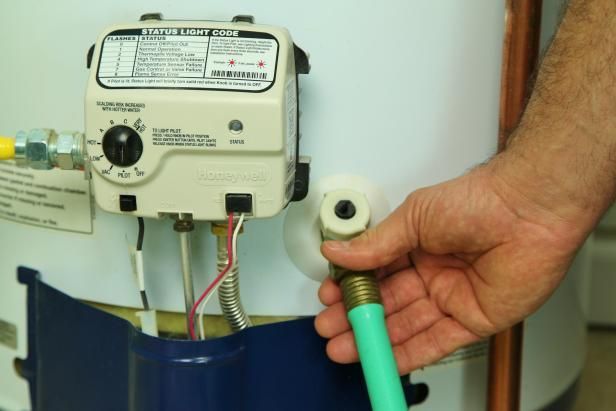
Pressure relief valves (T&P) rated 150 PSI anchor at the top, piping discharge to within 6 inches of floors without traps, tested annually for discharge. Non-compliance here invites backdrafting hazards; annual inspections confirm sediment flushing maintains efficiency, preventing anode rod corrosion that shortens lifespans.
Electrical and Hydropower Safety Protocols
Electric models demand dedicated 240V circuits with breakers matching ampacity—30A for 4500W elements—and conduit protection against abrasion. UPC mandates junction boxes at unit tops, with flexible cords impermissible. Hybrid heat pumps add defrost drains and air filtration, compliant only in ventilated spaces.
Panasonic relief valves extend to these, with expansion tanks buffering closed-loop systems against thermal expansion exceeding 50 PSI. Grounding bonds prevent shocks, verifiable via multimeter tests. These protocols, when ignored, spike energy bills and fire risks, underscoring the value of licensed verification.
Advanced Features and Modern Code Updates
Tankless units introduce flow sensors and digital controls, codes now requiring 0.82 EF minimums and condensate neutralization for condensing types. Smart integrations demand low-voltage wiring segregation from power lines. Expansion tanks, mandatory in non-potable loops, absorb pressure spikes from water heaters operating above 80 gallons.
Seismic zones enforce double-strapping at one-third and two-thirds heights, while flood areas elevate to base flood levels. A detailed garbage disposal installation guide parallels this rigor, as under-sink pairings affect drain venting; misalignment compromises both systems' safety.
Inspection Checklists and Professional Verification
Self-audits start with labeling: confirm ANSI Z21.10 certification tags, accessible shutoffs, and expansion tank pre-charges matching static pressure. Test T&P valves quarterly, observing full discharge without drips. Document with photos for insurers.
For certainty, enlist certified pros—All City Plumbers excels in code audits, providing stamped reports for permits. Upgrades like powered anodes extend compliance longevity, blending safety with sustainability.
Conclusion
Determining if your water heater meets code and safety standards requires methodical review of location, venting, electricals, and relief systems, ensuring protection against hazards while optimizing performance. From seismic strapping to T&P piping, adherence averts disasters and unlocks efficiencies. Consult experts like All City Plumbers for peace of mind, transforming potential liabilities into reliable assets that serve your home reliably for decades.