Why Garbage Disposal Clogs Need Emergency Plumbing?
Garbage disposal clogs transcend simple kitchen nuisances, rapidly evolving into system-wide threats that compromise entire plumbing networks. These units grind food scraps into slurry, but fibrous rinds, starchy potatoes, grease, and non-organics like bones or utensils jam impellers, halting drainage. What starts as humming motors escalates to backups flooding sinks, risking overflows into cabinets and subfloors.
Unlike toilet clogs, disposal issues interconnect with main drains, amplifying risks in multifamily dwellings. Immediate action prevents microbial breeding in stagnant water, safeguarding hygiene and appliances.
How Clogs Cascade into Plumbing Emergencies
Impeller stalls create pressure pockets reversing flow into dishwashers or sewers, while fibrous buildup hardens downstream. Grease congeals in traps, trapping hair and soap for compound blockages. A jammed unit overheats, tripping resets repeatedly and signaling deeper entrapment.
Ignoring hums leads to motor burnout, necessitating full replacements. Emergency services prove vital here, as DIY plunges often exacerbate by compacting debris further.
Immediate Risks and Hidden Dangers
Beyond inconvenience, clogs foster anaerobic bacteria producing methane odors and slime, eroding seals. Electrical shorts from water ingress pose fire hazards, while backups strain sewer laterals, inviting collapses. The hidden costs of skipping regular drain cleaning compound this—neglected maintenance balloons repair bills fivefold via entrenched biofilms demanding excavation.
All City Plumbers encounters these routinely, where unchecked clogs evolve from minor jams to pipe bursts within days.
Diagnostic Steps for Swift Confirmation
Reset button presses precede manual cranks with hex wrenches through unit bases, freeing jams without disassembly. Flashlights inspect grind rings for lodged items, while cold water runs test flows. Multimeters check motor continuity if humming persists.
Under-sink scoping cameras reveal trap entrapments, distinguishing unit faults from downstream issues. These confirm urgency before overflows commence.
Why Emergency Intervention Outpaces DIY Fixes
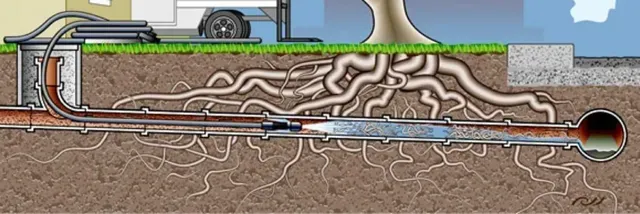
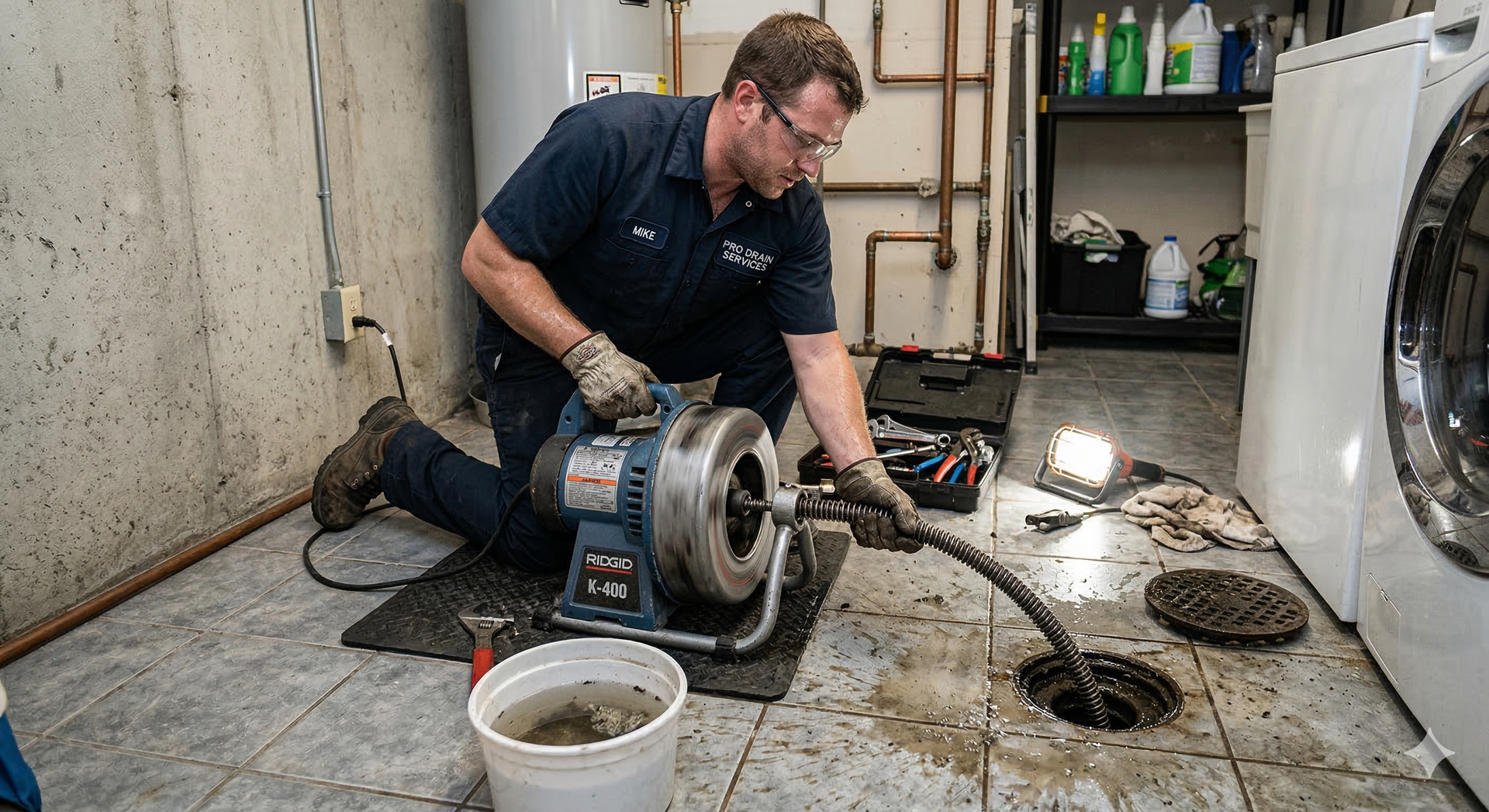
DIY plunges risk splashing contaminants or shattering porcelain; chemical cleaners corrode impellers and emissions. Professionals wield power augers bypassing units via cleanouts, extracting via specialized heads without damage.
Emergency services prioritize 24/7 response, averting secondary floods and mold. Technicians recalibrate batch-feed models post-clear, optimizing for longevity.
Advanced Clearing Techniques and Unit Revival
Hydro-jetting blasts 4,000 PSI streams through adapters, pulverizing grease cakes without abrasion. Enzymatic restoratives digest organics overnight, safe for septics. For burnt motors, drop-in replacements integrate seamlessly, often under warranty.
Baffle adjustments and splash guard cleans restore balance. Preventive baffles at dishwasher knockouts bar cross-flows.
Preventive Strategies to Avoid Future Clogs
Adopt pre-grind chopping, cold water chases, and no-go lists—citrus ok, celery forbidden. Quarterly ice grinds sharpen edges, while monthly baking soda-vinegar scrubs deter buildup. Regular drain cleaning schedules mitigate the hidden costs of skipping regular drain cleaning, ensuring fluid operations.
GFCI upgrades and overload protectors enhance safety.
Conclusion
Garbage disposal clogs necessitate emergency plumbing due to their rapid escalation from jams to overflows, fires, and sewer strains, amplified by the hidden costs of skipping regular drain cleaning. Prompt action via pros like All City Plumbers preserves kitchens and prevents cascading failures. Embrace diagnostics, swift clears, and rigorous prevention to transform this appliance into a reliable ally, not a liability.