Basement Drain Backups: When to Call Emergency Help?
Basement drain backups occur when wastewater from your home's plumbing system reverses flow and floods into the lowest level of your property, often the basement. This issue stems from blockages in the main sewer line or lateral pipes that connect your home to the municipal sewer system. Unlike minor clogs in a single fixture, these backups affect multiple drains simultaneously—sinks, toilets, floor drains, and showers all start gurgling or overflowing with foul-smelling sewage. The water that emerges is typically dark, murky, and laden with contaminants, posing immediate health risks from bacteria like E. coli and pathogens that thrive in stagnant wastewater.
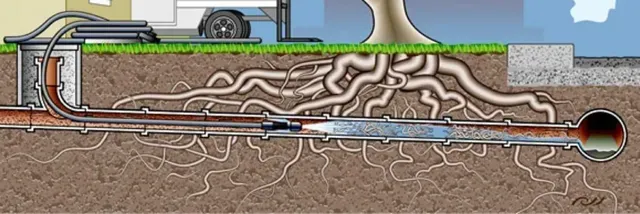
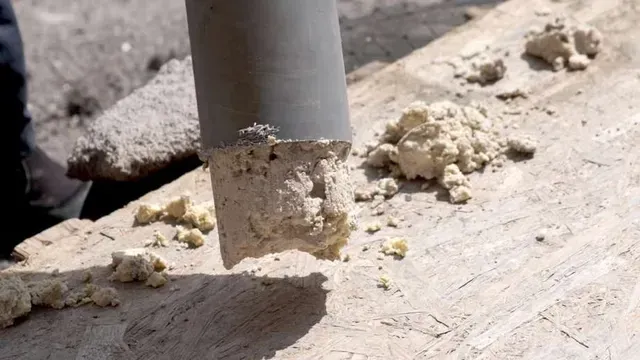
The root causes are multifaceted. Tree roots, common in older neighborhoods, infiltrate sewer pipes through tiny cracks, expanding and constricting flow over time. Grease buildup from kitchen drains solidifies in cooler pipes underground, creating fatty bergs that trap debris. Non-degradable items flushed down toilets, such as wipes, sanitary products, or even children's toys, accumulate into massive obstructions. Heavy rainfall can overwhelm municipal systems, causing backups in low-lying areas, while collapsed pipes from age or ground shifting exacerbate the problem. Homeowners often notice early warning signs like slow drains, gurgling sounds from fixtures, or sewage odors seeping through floor drains days before a full backup. Ignoring these signals allows pressure to build, turning a manageable issue into a catastrophic flood that can ruin carpets, drywall, furniture, and stored belongings.
In severe cases, the backup can reach ankle-deep levels within minutes, spreading across the entire basement floor. The financial toll is staggering: cleanup alone can cost thousands, not to mention structural repairs if water seeps into walls or foundations. Professionally addressing these backups requires specialized equipment like high-powered sewer cameras and hydro-jetting tools, underscoring why early detection through routine inspections is crucial for long-term plumbing health.
Common Causes of Basement Drain Backups
Several interconnected factors contribute to basement drain backups, often compounding over years of neglect. One primary culprit is the natural aging of underground pipes, many of which in older homes date back decades and were not designed for modern wastewater volumes. Corrosion from acidic household chemicals eats away at metal pipes, while soil movement from erosion or construction nearby can fracture them. During heavy storms, combined sewer systems—prevalent in many urban areas—overflow when rainfall exceeds capacity, forcing sewage back into homes through the lowest drains.
Human habits play a significant role too. Pouring cooking oils, fats, and grease down the drain seems harmless in small amounts, but they congeal into blockages that capture hair, food scraps, and soap scum. Even "flushable" wipes, marketed as biodegradable, rarely break down in sewer lines, forming dense mats that halt flow entirely. Tree roots pose another stealthy threat; their aggressive growth seeks moisture in pipes, splitting seams and creating irregular passageways. In homes with sump pumps, a failed pump or power outage during rain can mimic a backup, as groundwater floods the basin and overflows into the basement.
Compounding these are issues like improper pipe venting, which creates air locks that prevent proper drainage, or bellied pipes that sag in the middle, pooling debris. Each cause demands specific diagnostics: a video inspection reveals roots or breaks, while a line locator pinpoints pipe paths for targeted clearing. Understanding these triggers empowers homeowners to mitigate risks through mindful usage and seasonal checks.
Warning Signs That Signal a Backup
Recognizing the precursors to a basement drain backup can prevent disaster. The first indicators are subtle: toilets flushing sluggishly or water pooling in the bowl before draining. Sinks and showers may take longer to empty, with water levels rising higher than usual. Gurgling noises from drains, especially after using upstairs fixtures, indicate air pressure imbalances from downstream blockages. Foul odors resembling rotten eggs or sewage wafting from floor drains or vents signal bacterial activity in stagnating water.
As the blockage worsens, multiple fixtures act in unison—using the washing machine might cause the basement sump to bubble over. Water may seep from cracks in the floor or walls, initially as damp spots that darken over hours. In extreme scenarios, sewage erupts from the floor drain like a geyser, filling the space with inches of contaminated water. These signs escalate rapidly, often overnight, so vigilance is key. Keep a log of drain performance after heavy usage or rain to spot patterns early.
Homeowners should test floor drains monthly by pouring a bucket of water down them; if it doesn't flow freely, professional intervention is warranted. Ignoring these cues risks turning a $500 cleaning into a $10,000 flood restoration.
When to Call Emergency Plumbing Help
Not every slow drain requires an emergency call, but basement backups demand swift action to limit damage. If sewage overflows from any fixture, especially the basement floor drain, evacuate the area immediately and shut off the main water supply to prevent further influx. Multiple drains failing simultaneously, combined with rising water levels, signals a main line obstruction—do not attempt DIY fixes like plungers or chemicals, as they can worsen pressure buildup or damage pipes.
Call for emergency services if the backup occurs after heavy rain, as it may indicate a municipal overflow or collapsed line needing urgent camera scoping. Persistent gurgling across fixtures, even after basic plunging, or sewage odors persisting for days also necessitate pros with snake tools and jetters. Time is critical: the first hour of response can contain spread, avoiding mold growth and electrical hazards from submerged outlets.
All City Plumbers stands ready with 24/7 emergency services, deploying technicians equipped for rapid assessment and clearance. Delaying invites structural compromise, as sewage erodes concrete slabs and saturates insulation.
Risks and Hidden Costs of Delay
Procrastinating on a basement drain backup amplifies dangers exponentially. Standing sewage breeds mold within 48 hours, infiltrating HVAC systems and triggering respiratory issues for occupants. Contaminants carry diseases, necessitating professional biohazard cleanup with EPA-approved disinfectants. Electrocution risks loom if water contacts wiring, while weakened subfloors can collapse underfoot.
Financially, the hidden costs of skipping regular drain cleaning are staggering. A proactive $300 annual inspection prevents $5,000 backups by catching roots early. Neglect leads to pipe replacements costing $10,000-$20,000 per line, plus restoration fees for ruined drywall, flooring, and heirlooms. Insurance often excludes preventable floods, hiking premiums. Hidden expenses include lost productivity from disrupted living spaces, temporary housing, and diminished property value from unrepaired water damage.
Long-term, untreated backups erode pipe integrity, inviting frequent issues. Investing in maintenance like hydro-jetting every 1-2 years offsets these by maintaining flow efficiency.
Professional Solutions and Emergency Response
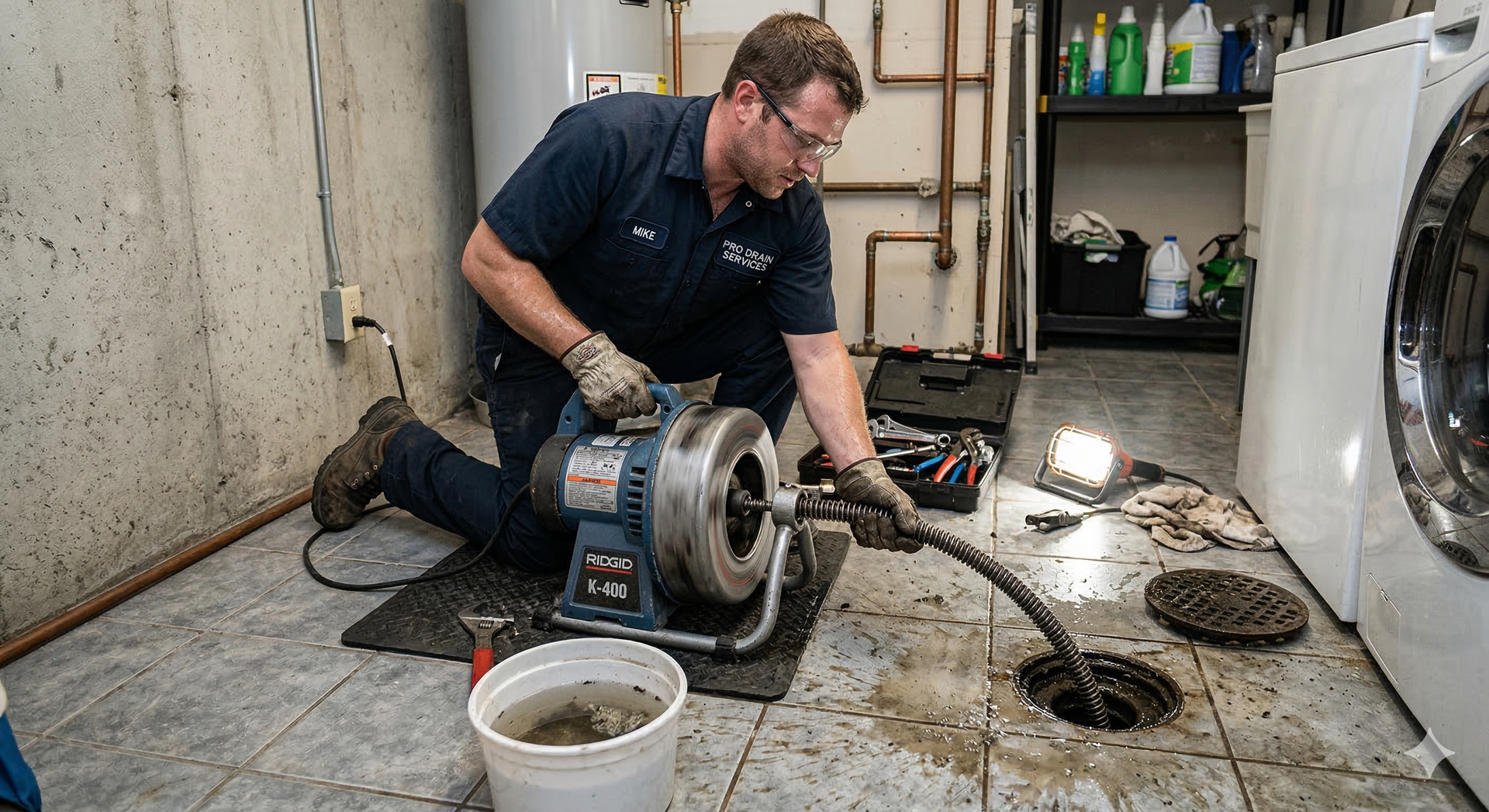
Emergency plumbers tackle basement backups with precision tools unavailable to DIYers. Upon arrival, they isolate the issue using a sewer camera snake, threading a fiber-optic lens through pipes to pinpoint blockages on a live video feed. Roots are mechanically cut with hardened blades, while grease and debris yield to 4,000 PSI hydro-jets that blast clean without chemicals.
For collapsed sections, cured-in-place pipe (CIPP) lining reinforces interiors with epoxy resin, extending life by decades trenchlessly. Sump pump upgrades or backwater valves prevent recurrence by sealing reverse flow. Technicians also pressure-test lines post-repair, ensuring full capacity.
Expect a thorough cleanup: pumps extract water, antimicrobial treatments sanitize surfaces, and dehumidifiers restore dryness. Reputable firms provide warranties, guaranteeing no-recall service.
Prevention Strategies for Long-Term Protection
Preventing basement drain backups starts with daily discipline: use sink strainers, dispose of grease in trash, and flush only toilet paper. Install backwater valves on main lines and ensure sump pumps have battery backups. Schedule biannual inspections, especially pre-rainy seasons, to hydro-jet lines and trim encroaching trees.
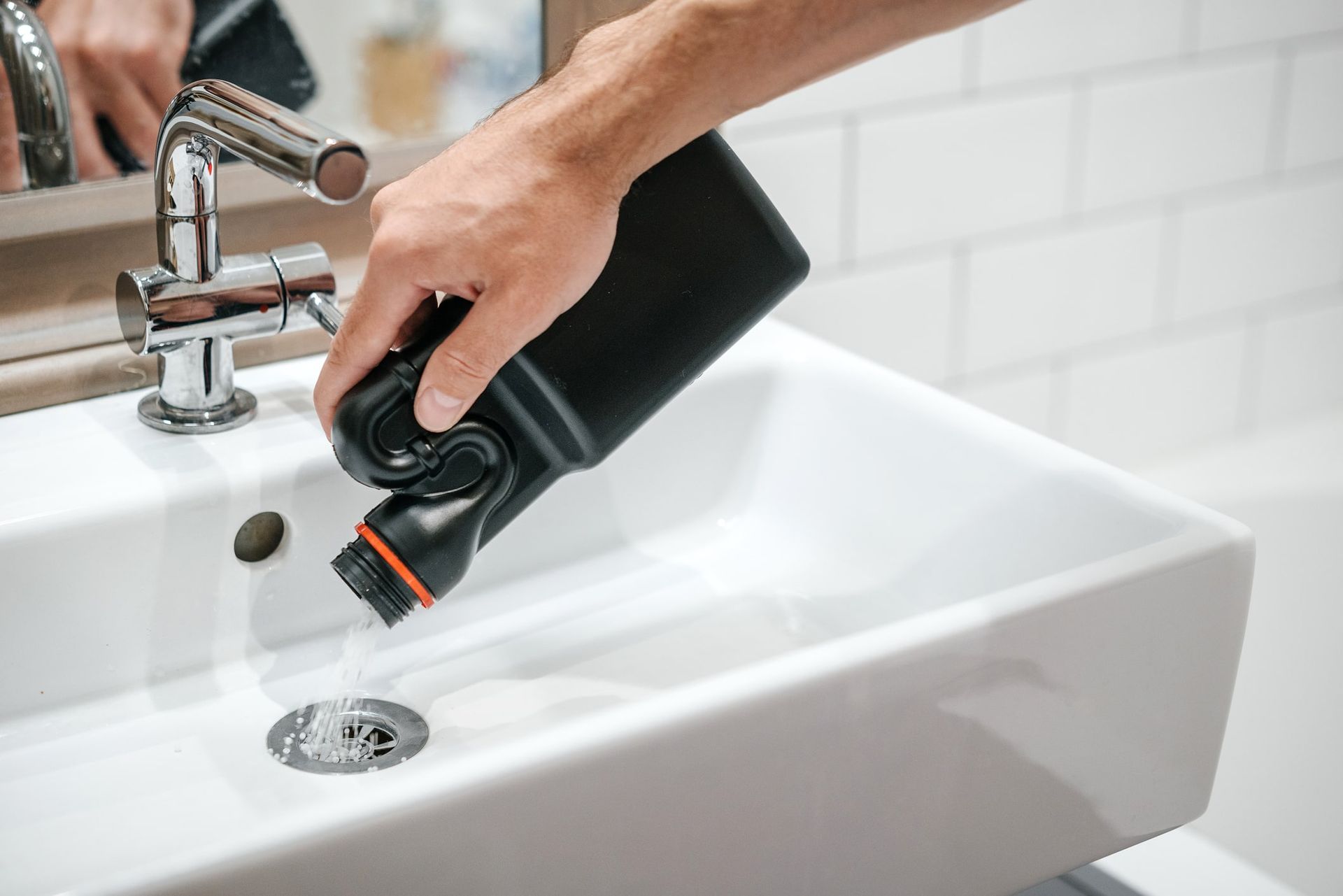
Educate household members on proper disposal, and consider enzyme cleaners monthly for organic buildup. Elevate basement appliances and seal floor drains with check valves. These habits, paired with professional tune-ups, fortify your system against inevitable wear.
Conclusion
In conclusion, basement drain backups demand respect for their potential to devastate homes swiftly. By heeding warning signs and calling experts like All City Plumbers for emergency services at the first overflow, you sidestep the hidden costs of skipping regular drain cleaning and safeguard your property's integrity. Proactive care transforms vulnerability into resilience, ensuring peace of mind year-round.