How To Protect Your Waterline from Heavy Rain Drain Issues?
Waterlines, the pressurized pipes delivering potable water from municipal mains to your home, face unique threats from heavy rain despite carrying clean supply rather than wastewater. Intense downpours saturate soil, exerting hydrostatic pressure that shifts foundations and shears buried lines, especially in expansive clay soils that swell and contract. Surface flooding infiltrates service boxes or meter vaults, corroding fittings and allowing contaminants into the system.
Freeze-thaw cycles post-rain exacerbate cracks, while erosion undermines trenches, exposing pipes to physical damage. Unlike sewer lines, waterlines operate under constant pressure—typically 50-80 PSI—amplifying leaks when breaches occur, wasting thousands of gallons and spiking bills. Urban areas compound risks with stormwater overwhelming curbside drains, ponding near service entries.
Mechanisms of Drain Issues During Heavy Rain
Heavy rain triggers drain issues that indirectly assault waterlines through interconnected plumbing dynamics. Overloaded storm drains back up, flooding landscapes and seeping into waterline trenches via porous backfill. This groundwater intrusion pressurizes pipes from outside, stressing joints and welds until they fail. Roof runoff, if poorly directed, erodes around foundations, compromising pipe anchors.
Garbage disposals, often overlooked, contribute when overuse during storms clogs kitchen sinks, backing pressure into main lines that ripple to water supplies. Stuff to know about your garbage disposal includes avoiding fibrous foods and running cold water to solidify grease, preventing downstream backups that strain the entire system. Proactive habits here safeguard upstream integrity.
Identifying Early Signs of Waterline Stress
Spotting rain-induced waterline woes early averts catastrophe. Watch for soft ground depressions over pipe routes, signaling washouts. Sudden pressure drops manifest as weak showers or sputtering faucets; discolored spurts indicate sediment intrusion from breaches. Elevated water bills without usage hikes point to silent leaks, while musty basement odors suggest infiltration near utilities.
Post-rain patrols reveal pooling near meters or frost heaves cracking access points. Indoor clues include damp walls adjacent to shutoffs or hissing under slabs from escaping air. Logging these post-storm builds predictive awareness.
Essential Protection Strategies for Waterlines
Shield waterlines with comprehensive grading: slope yards away from foundations at least six inches over ten feet, channeling runoff harmlessly. Install French drains or swales to intercept groundwater, piping it to street inlets. Downspout extensions, buried three feet deep with solid pipes, divert roof loads far from service lines.
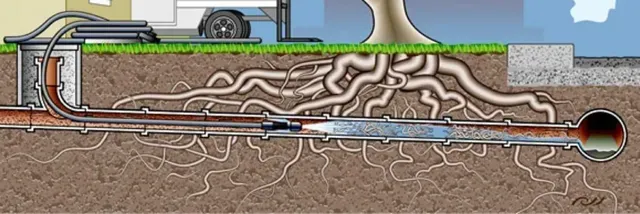
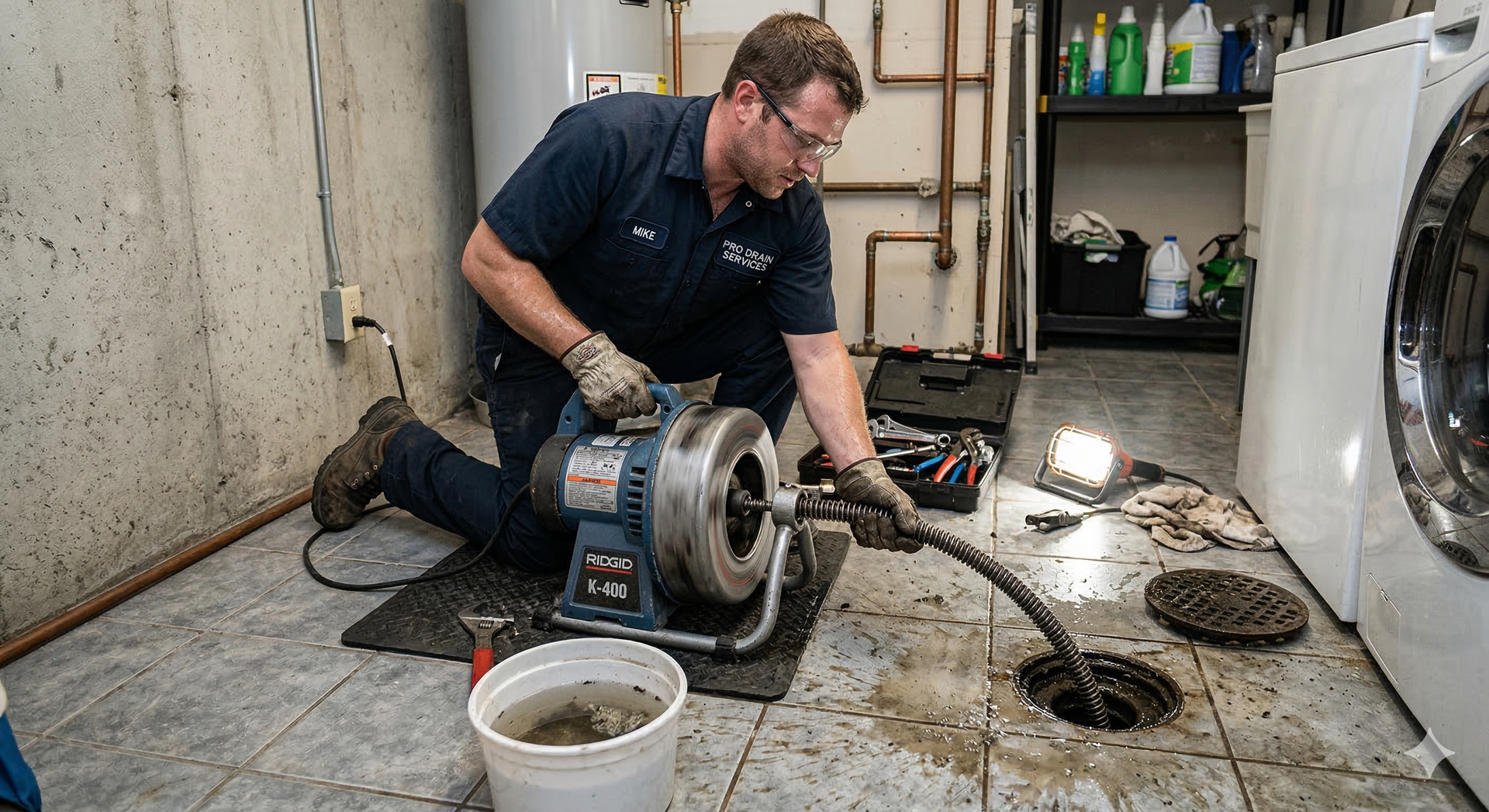
Reinforce with insulated sleeves in frost-prone zones and pressure-reducing valves to temper municipal surges. Regular inspections via acoustic leak detectors pinpoint weaknesses before rain exploits them. Drain cleaning emerges as a key ally, clearing lateral clogs that amplify backpressure during deluges—schedule it seasonally to maintain flow equilibrium.
Professional Interventions and Maintenance Routines
When rain exposes vulnerabilities, pros intervene decisively. All City Plumbers offers trenchless relining for corroded sections, slipping epoxy sleeves inside pipes to seal flaws without excavation. Ultrasonic testing maps buried paths accurately, guiding precise digs if needed.
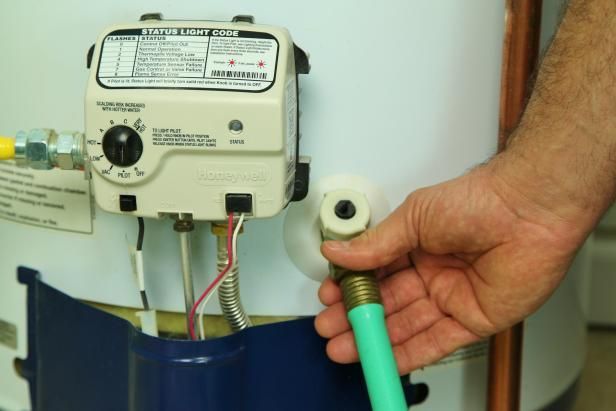
Routine maintenance includes flushing stagnated branches and exercising shutoff valves for reliability. For persistent issues, full reroutes to polyethylene mains resist soil shifts better than older copper or galvanized steel.
Advanced Tools and Long-Term Resilience Building
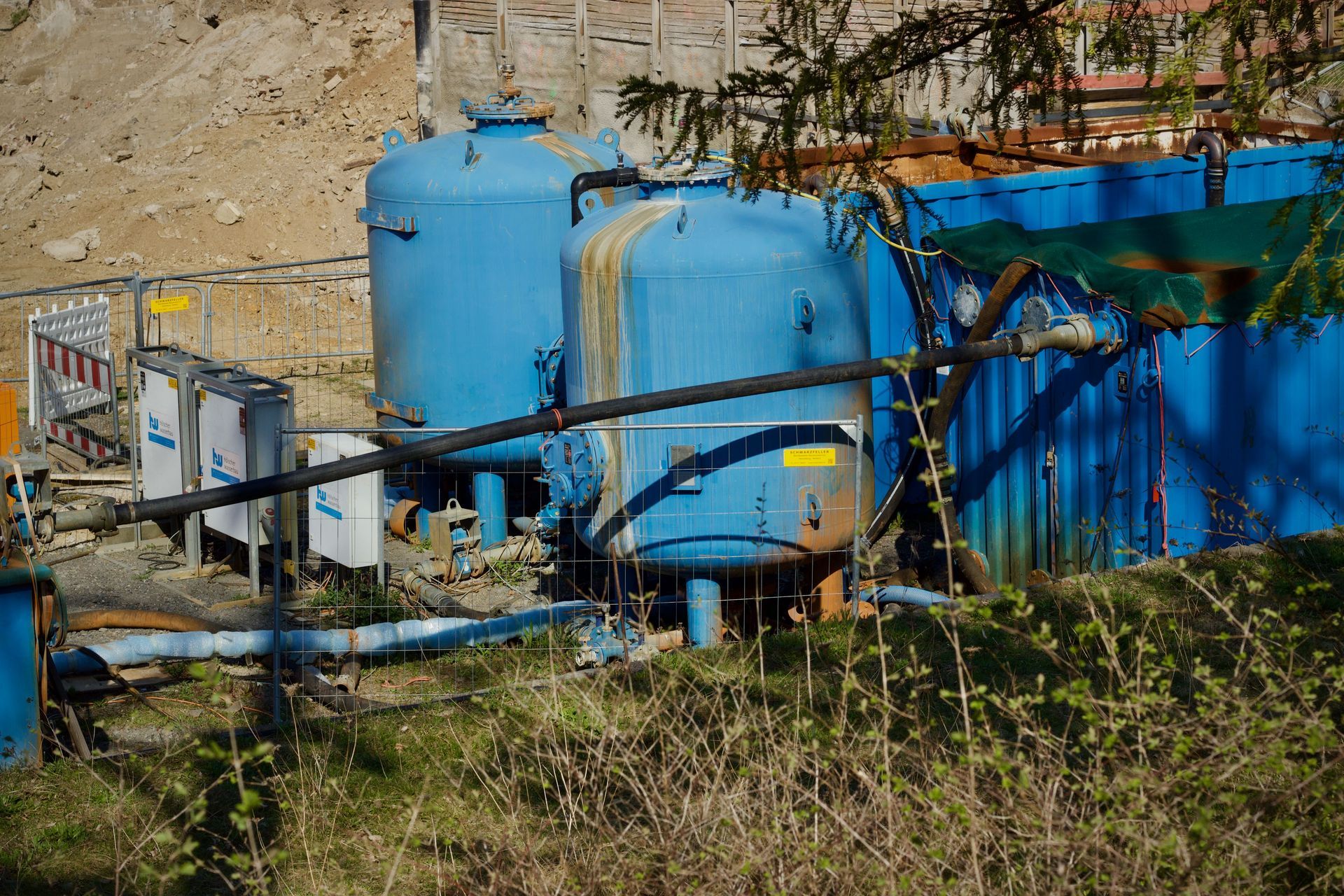
Embrace technology for enduring protection: smart water monitors alert to anomalies via apps, detecting leaks by flow variances. Permeable pavements and rain gardens absorb runoff onsite, easing drain burdens. Sump systems with battery backups handle infiltration, preventing flood contact with lines.
Educate on holistic care—pairing exterior grading with interior safeguards like water alarms under slabs. These layered defenses transform reactive fixes into proactive fortitude.
Conclusion
In conclusion, protecting waterlines from heavy rain drain issues requires vigilant design, habitual maintenance, and expert support to counter soil shifts, floods, and pressure assaults. Incorporating drain cleaning and insights like stuff to know about your garbage disposal fortifies the chain, while teams like All City Plumbers deliver tailored reinforcements. Embrace these measures, and your water supply endures storms unscathed, ensuring reliable flow for years ahead.