Emergency Sewer Line Repairs Before Major Damage
Recognizing the Urgency of Sewer Line Distress
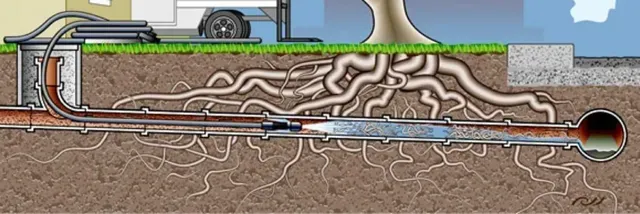
Sewer line emergencies unfold rapidly, transforming minor inconveniences into hazardous crises when cracks, collapses, or blockages go unaddressed. Tree roots invading joints, soil subsidence shifting alignments, or corrosion eating through cast-iron pipes create pathways for raw sewage to escape, contaminating soils and threatening foundations. Early intervention halts progression from bubbling toilets to sinkholes, preserving property value and health.
Homeowners often underestimate these threats, mistaking initial sluggishness for household clogs, yet interconnected mains demand swift action. Professional emergency services become indispensable, averting environmental fines and restoration costs exceeding tens of thousands.
Early Warning Signs Demanding Immediate Attention
Subtle indicators precede catastrophe: multiple fixtures backing up simultaneously, gurgling sounds during unrelated uses, or foul odors permeating yards. A slow drain becoming a plumbing emergency exemplifies this escalation, where gradual slowdowns signal downstream obstructions or breaches demanding urgent scoping.
Lush vegetation over lines, soggy ground sans rain, or increased sump activity further alert to exfiltration. Monitor cleanouts for overflow; even trace sewage mandates halting water use to assess scope.
Rapid Assessment Techniques for Sewer Emergencies
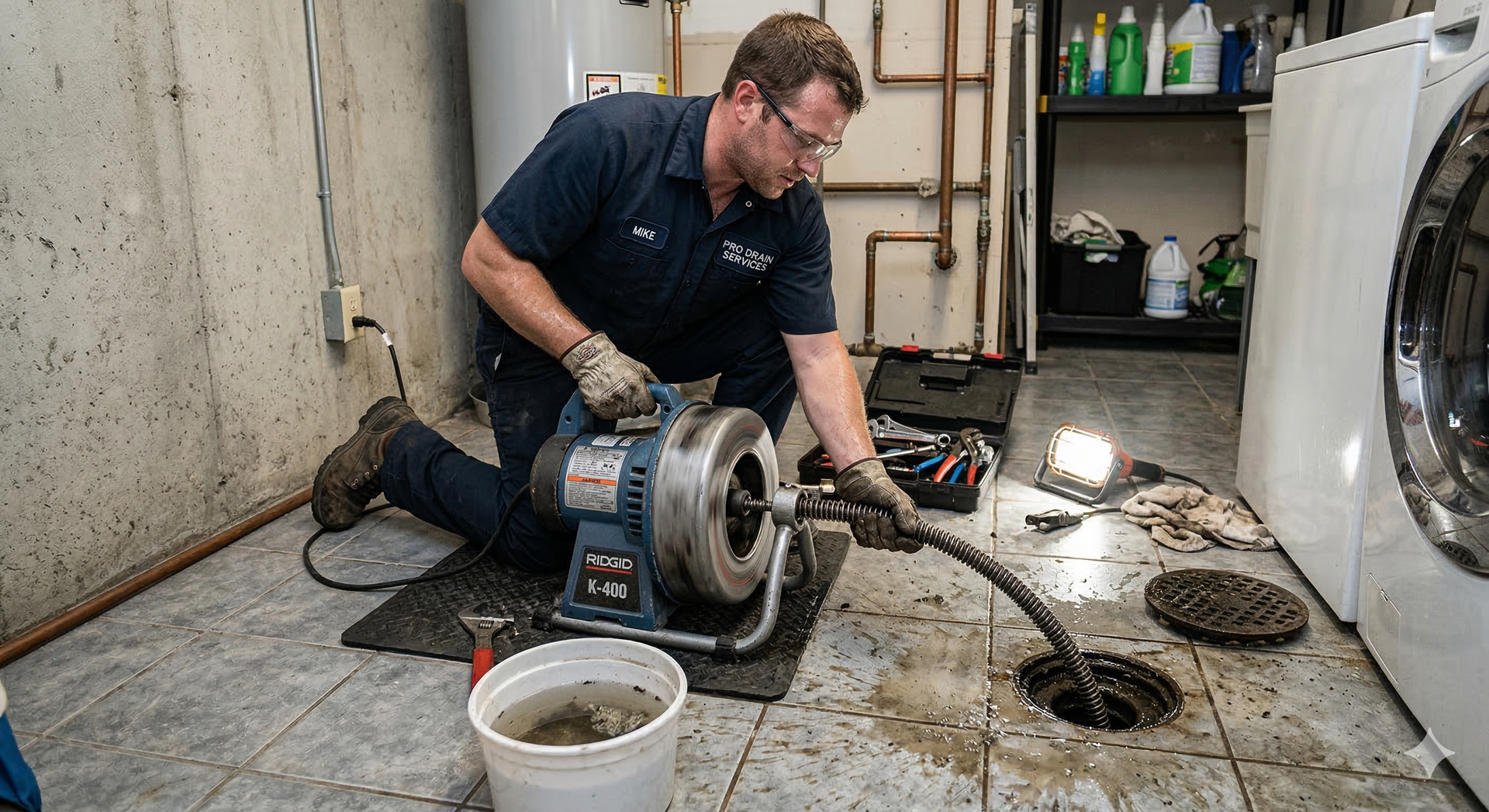
Initial triage employs portable cameras snaked through roof vents or toilets, revealing offsets, bellies, or root masses in HD. Acoustic probes differentiate collapses from clogs via echo patterns. Dye floods confirm leaks, staining surfaces downstream.
Professionals like All City Plumbers deploy these onsite within hours, prioritizing flow cessation via downstream plugs. Pressure tests quantify integrity, guiding excavation versus trenchless paths.
Trenchless Repair Methods for Swift Recovery
Trenchless technologies dominate modern emergencies, minimizing disruption. Cured-in-place pipe (CIPP) liners inflate epoxy-saturated felts inside existing lines, hardening into seamless barriers sealing cracks overnight. Ideal for 4-12 inch mains, they restore 95% flow without digging.
Pipe bursting hydraulically fractures old pipes while towing HDPE replacements, completing laterals in a day. These methods suit urban settings, bypassing landscape ruin and accelerating occupancy return.
Traditional Excavation for Severe Cases
When trenchless falls short—such as total collapses—targeted digs expose segments via potholing, minimizing footprint. Robotic cutters preprocess roots, followed by vitrified clay or PVC segments bedded in gravel for stability.
Post-repair, hydro-jetting clears debris, with laser profiling verifying alignments under 1% slope. Backfill compacts in lifts, topped with geotextiles against future shifts.
Post-Repair Protocols and Preventive Strategies
Immediate aftermath demands bacterial treatments digesting residues, alongside cleanouts for hygiene. Install remote monitoring sensors tracking flow anomalies. Root barriers and annual jetting forestall recurrences.
Expand capacity with larger diameters during repairs, future-proofing for additions. Emergency services contracts provide priority response, blending insurance with proactive audits.
Long-Term Resilience Building Measures
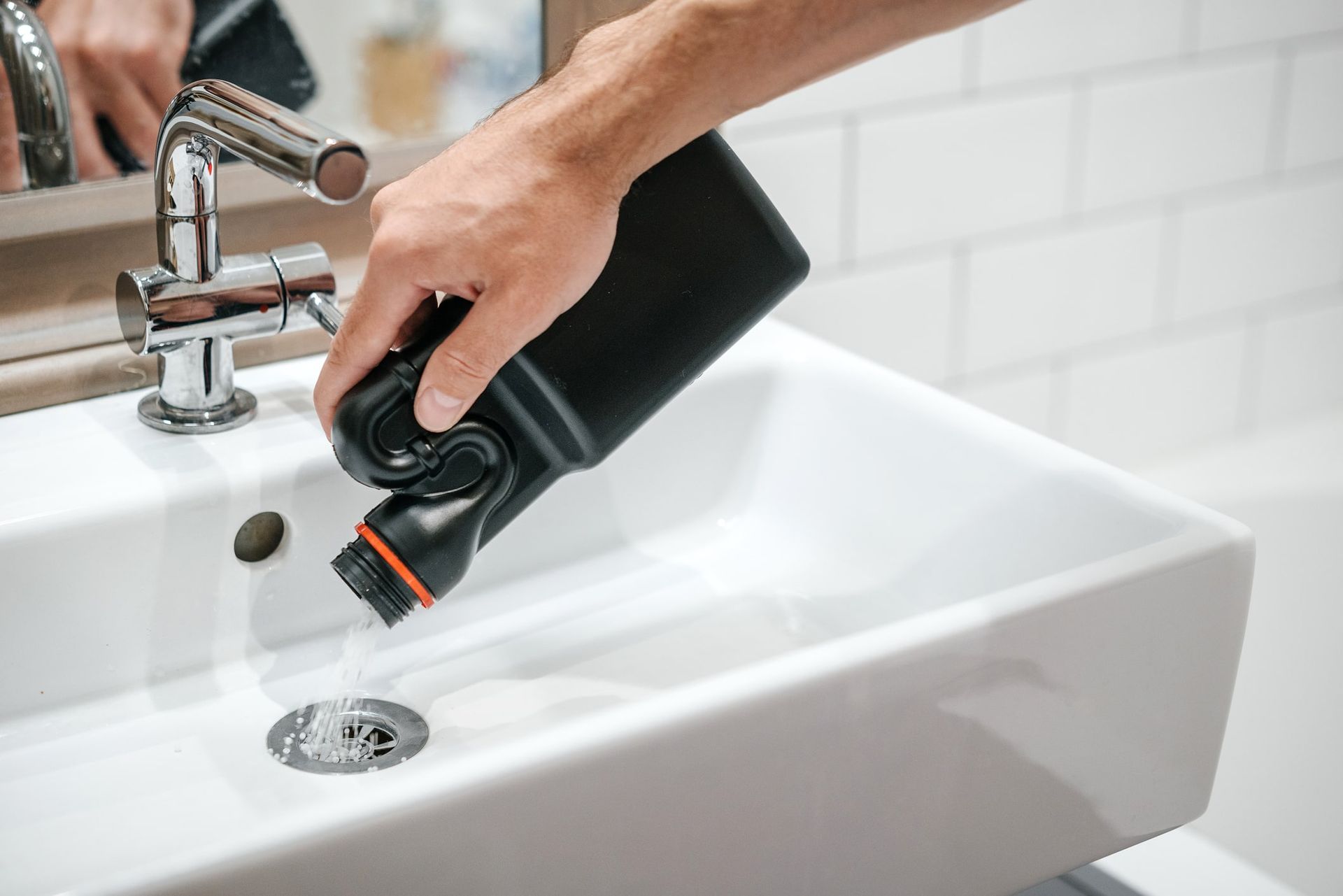
Sustain long-term repair performance through a layered preventive strategy that addresses chemical, hydraulic, and structural stressors. Routine dosing with enzyme-based maintainers helps break down residual organic matter within the line, reducing the likelihood of recurring buildup at previously repaired joints. Installing flow restrictors on irrigation systems minimizes hydraulic surges and chronic overloading, which can accelerate joint fatigue, soil saturation, and pipe displacement. In seismic regions, incorporating retrofits such as flexible couplings, reinforced bedding, and pipe restraints mitigates shear stress and ground-shift damage during tremors.
Beyond infrastructure measures, community education plays a critical role in preserving system capacity. Public awareness campaigns that discourage grease dumping, improper disposal of wipes, and foreign object flushing significantly reduce fatbergs and downstream blockages. By lowering the overall solids and FOG (fats, oils, and grease) load entering the network, municipalities can extend asset lifespan, reduce emergency callouts, and maintain stable hydraulic performance.
Conclusion
Emergency sewer line repairs, leveraging trenchless liners, bursting, or precise excavations, intercept major damage when heeded at early signs like a slow drain becoming a plumbing emergency. Swift engagement with providers like All City Plumbers ensures minimal downtime and maximal durability. Prioritize vigilance and rapid response to protect your home's underbelly, turning potential disasters into managed restorations.