Drain Maintenance Schedule to Prevent Grease Buildup
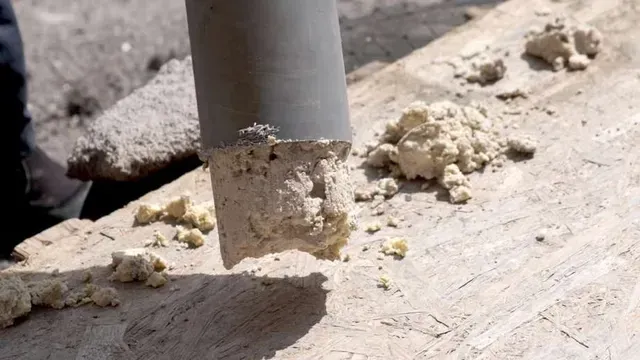
Grease buildup in drains stems from the oily residues of cooking fats, butter, meat drippings, and even dairy products that congeal upon cooling. Unlike hair or debris, grease forms a waxy coating inside pipes, narrowing passages and trapping other particles until flow slows to a trickle or stops entirely. In kitchen sinks, where hot water initially emulsifies these fats, they solidify downstream in cooler sections, creating "fatbergs" that mimic urban sewer blockages on a household scale. Without intervention, this leads to backups, odors, and potential pipe bursts from pressure overload.
Understanding grease's tenacity—its adhesion to PVC and metal surfaces—highlights the need for scheduled maintenance over sporadic fixes. Preventive routines disrupt accumulation cycles, preserving pipe integrity and avoiding the high costs of professional extraction. This approach suits busy households, extending beyond kitchens to utility sinks handling laundry detergents with oily components.
Weekly Drain Maintenance Routines
A robust weekly schedule begins with boiling water flushes, pouring a kettle's worth down each drain to melt nascent grease layers. Follow with a half-cup of baking soda, then a cup of white vinegar, allowing the fizzing reaction to scrub surfaces for 15 minutes before rinsing. This natural effervescence lifts oils without harsh chemicals, safe for septic systems and eco-friendly. Perform this every Sunday evening, targeting kitchen, bathroom, and laundry drains to catch early signs like gurgling.
Visual inspections complement this: remove strainers and scrape visible grease with a wooden spoon, wiping rims clean. For disposals, run cold water post-use to solidify scraps for grinding, preventing emulsified grease from slipping through. Consistency here halves buildup risks, as studies from plumbing associations show routine heat disrupts fat crystallization by 70%.
Monthly Deep Cleaning Protocols
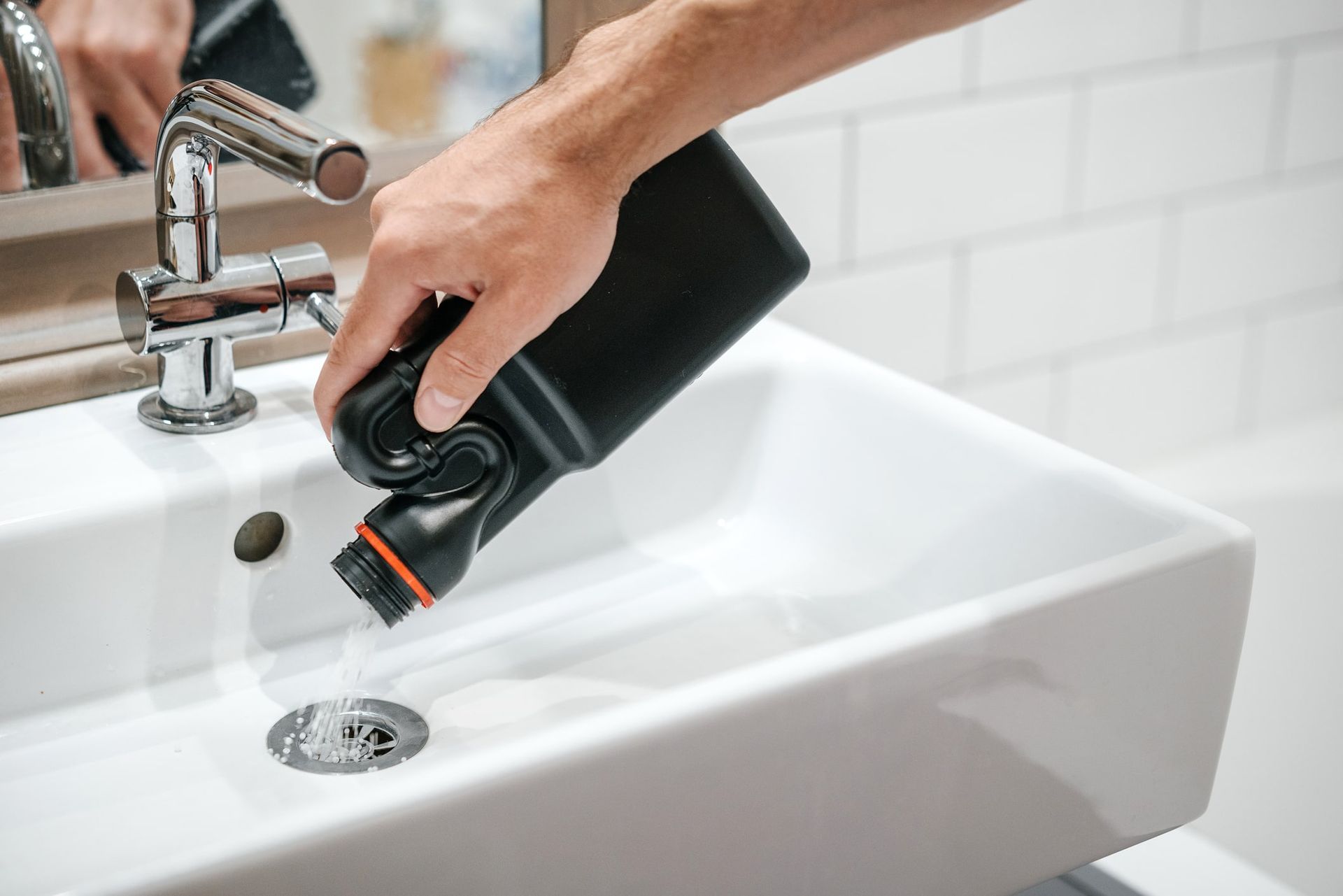
Escalate to monthly deep cleans using enzyme-based drain cleaners, which deploy bacteria to digest grease proteins over 24-48 hours. Apply after weekly flushes, pouring according to package directions and avoiding water use overnight for maximum efficacy. These biologics outperform caustic alternatives, avoiding pipe etching while targeting FOG—fats, oils, and greases—systematically.
Incorporate manual drain cleaning with a plunger or zip tool to dislodge softened deposits, followed by a pressure hose attachment on your faucet for targeted rinsing. Kitchen sinks demand extra attention: disassemble the trap quarterly within this cycle, wiping grease with paper towels before reassembling. Services like All City Plumbers recommend logging these sessions to track improvements in flow rates.
Quarterly Inspections and Heavy-Duty Treatments
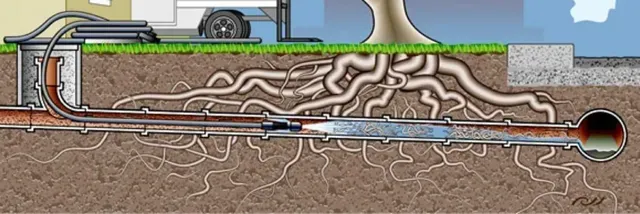
Quarterly rituals involve hydro-flushing rentals or garden hose bladders that blast 1,500 PSI streams to scour pipe walls, ideal for main lines prone to communal grease from multiple users. Insert via cleanouts, pulsing in short bursts to emulsify and expel buildup without abrasion. Pair with a drain camera snake for visual verification, spotting hidden grease caps before they harden.
For garbage disposals, reference a detailed garbage disposal installation guide to ensure proper alignment and reset buttons facilitate thorough cleaning cycles. Run citrus peels or ice cubes monthly to sharpen blades and dislodge fats, enhancing overall schedule efficacy. These steps fortify against seasonal spikes, like holiday cooking marathons.
Seasonal and Annual Overhauls
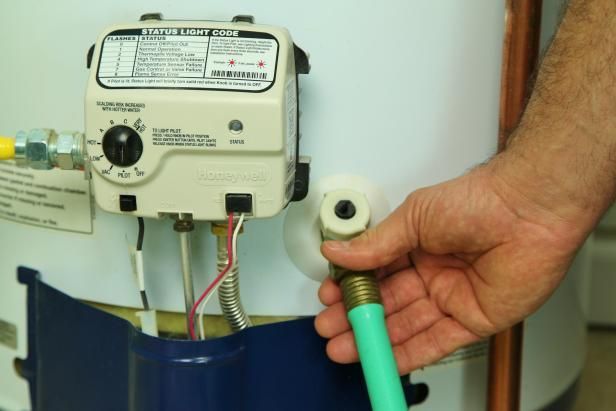
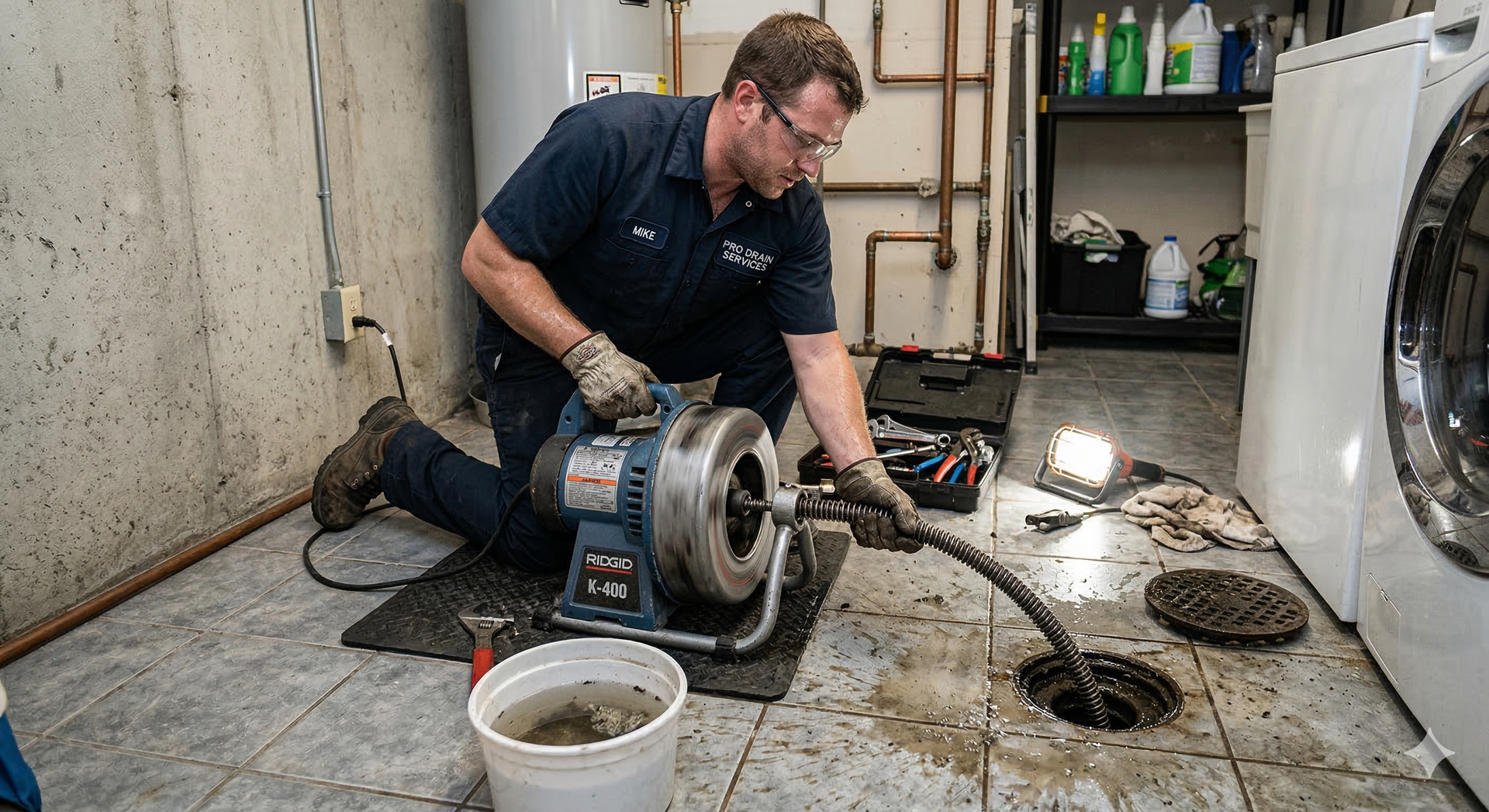
Annually, schedule professional drain cleaning or full-system flushes, especially pre-winter when cold snaps accelerate grease solidification. Technicians use powered augers and chemical neutralizers tailored to your pipe material, often uncovering multifixture issues missed at home. Integrate water heater maintenance here, as sediment-laden hot water exacerbates grease adhesion—flush tanks to restore efficiency.
Seasonally, audit habits: switch to grease traps under sinks in high-cook homes, collecting drippings for trash disposal. Educate family on "no grease down the drain" via posted reminders, reducing load by 50%. This comprehensive layering ensures pipes remain pristine year-round.
Long-Term Habits for Grease-Free Plumbing
Sustain your schedule with habit audits, like batching dishwashing to minimize hot water runs that carry grease afar. Install inline filters for utility sinks and opt for low-FOG detergents. Track via apps or calendars, adjusting for household changes like new appliances.
Conclusion
A disciplined drain maintenance schedule—from weekly flushes to annual overhauls—effectively prevents grease buildup, safeguarding your plumbing investment and daily routines. By embracing natural cleaners, mechanical aids, and informed practices like a detailed garbage disposal installation guide, alongside timely professional input from experts such as All City Plumbers, you create a resilient system. Commit to this plan, and enjoy unobstructed flows, reduced repair bills, and the confidence of proactive home care.