Spot Waterline Issues Behind Recurring Drain Backups
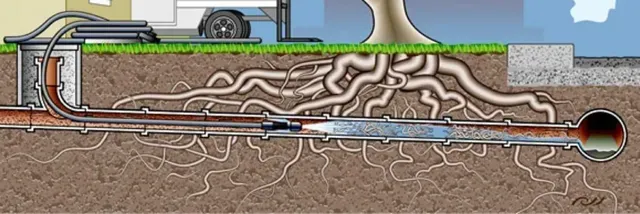
Recurring drain backups often mask deeper waterline problems, where supply lines under pressure interact adversely with drainage systems. Fresh water pipes, typically copper, PEX, or PVC, can harbor mineral scales, corrosion, or leaks that elevate hydrostatic pressures, forcing backups into fixtures. Unlike isolated clogs, these repeat offenses signal systemic imbalances, such as shared trenches where main waterlines cross sewers, allowing cross-contamination or pressure surges.
Homeowners dismiss early gurgling as grease or hair, yet persistent overflows in multiple drains point to waterline culprits. Pressurized leaks erode drain seals, while thermal expansions without relief mimic blockages. Recognizing these connections prevents misdiagnosis, saving thousands in misguided fixes.
Common Waterline Culprits Causing Backups
Corroded galvanized waterlines top the list, their rust flakes migrating to low spots and restricting flow, indirectly pressuring drains via erratic supply. High chlorine or sediment-laden municipal water accelerates this, manifesting as sluggish faucets preceding sink overflows. Pinhole leaks in copper, often from acidic water, drip into drain surrounds, saturating soils and compromising pipe joints.
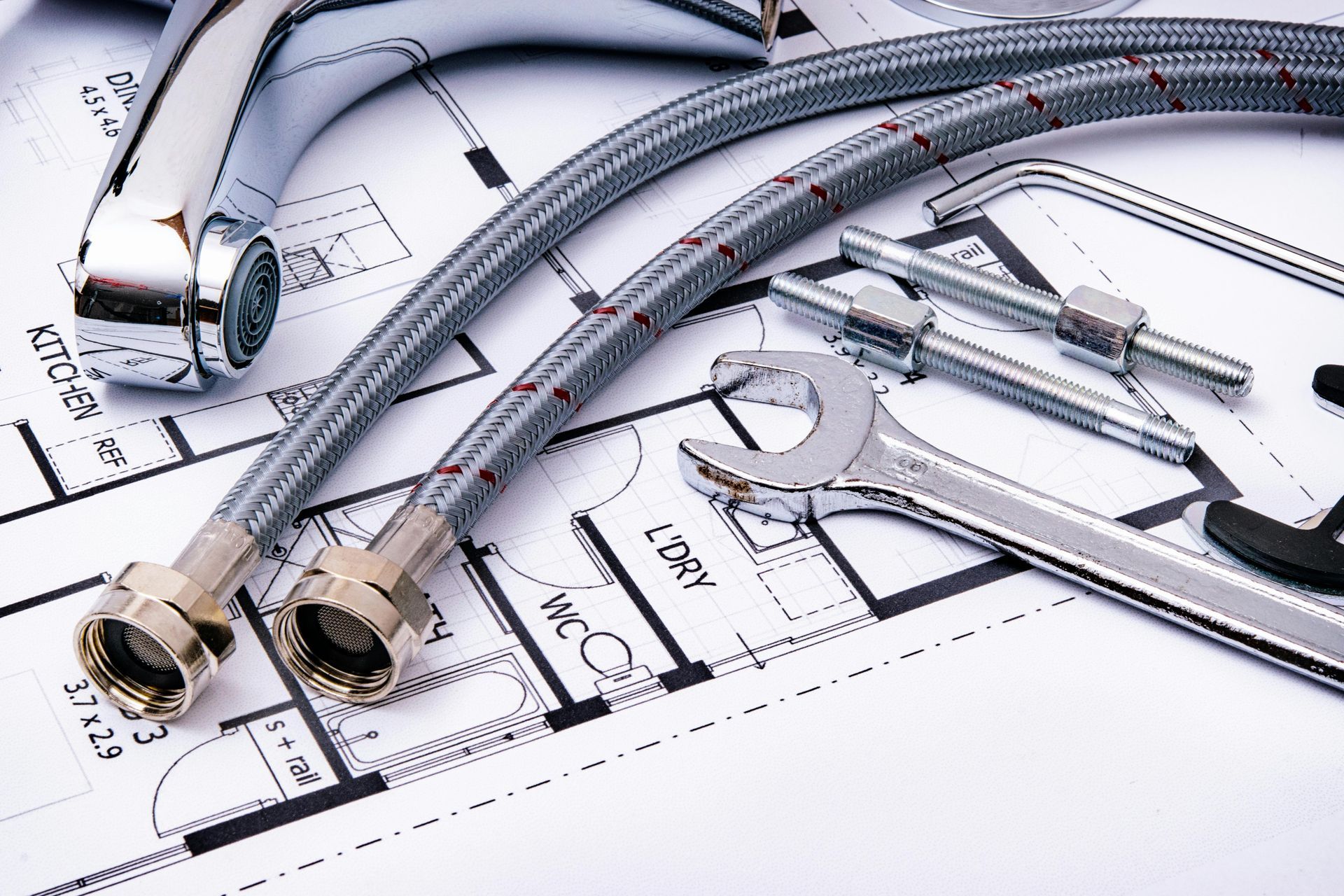
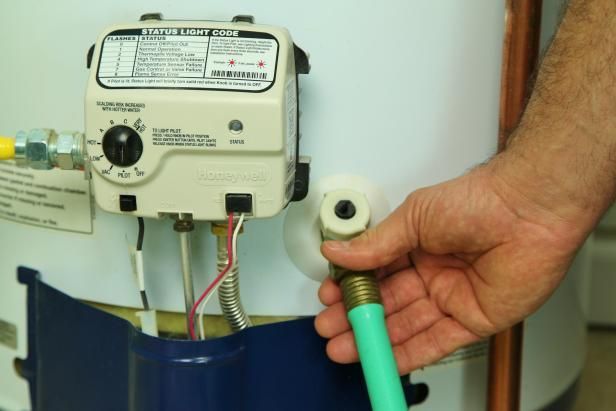
Expansion tanks play a critical role here; absent or waterlogged units fail to absorb thermal growth in closed systems, spiking pressures that reverse-flow into drains. Undersized mains from old homes compound this, unable to handle modern demands without surging. Mapping your setup—blueprint reviews or tracer wires—reveals these vulnerabilities early.
Visual and Auditory Signs of Hidden Issues
Spotting begins with observation: backups synchronized with high water use, like laundry cycles, suggest mainline pressure faults. Listen for hammering pipes post-shutoff, indicating water hammer from rapid velocity changes stressing drain traps. Discolored discharge—rusty or milky—hints at internal waterline erosion contaminating sewers.
Exterior clues include soggy yards near meter boxes or bubbling manhole covers, signaling underground breaches. Indoor red flags feature weeping shutoffs or bulging PEX loops, precursors to drain invasions. Track patterns in a log: time, affected fixtures, and water quality for diagnostic clarity.
Diagnostic Tools for Waterline Verification
Amateur diagnostics employ pressure gauges at hose bibs, readings above 80 PSI flagging regulator failures that overpressurize drains. Dye tests trace leaks: add food coloring to tanks, checking drains for tint after hours. Acoustic listeners amplify underground hisses from fractures.
Professional scopes with locators pinpoint crossings, while smoke tests reveal sewer-gas reversals from waterline-induced vacuums. All City Plumbers leverages these for precise interventions, often uncovering expansion tanks as overlooked backups sources in retrofits.
Advanced Pressure and Flow Analysis
Deeper analysis often relies on flow meters that log gallons per minute across the system, where abnormal deviations can indicate hidden constrictions that mimic the symptoms of drain clogs. Thermal imaging further assists by revealing cold spots along walls or floors, which may point to slow leaks saturating the areas surrounding drain lines. Manometer testing is also used to measure pressure changes and quantify trap seal losses caused by siphoning effects when turbulent waterlines disrupt normal venting balance.
Comprehensive closed-system audits also verify that check valves are properly installed and functioning to prevent backflow, a crucial safeguard after any significant backup event. At the fixture level, proper alignment of components is equally important. Integrating a detailed garbage disposal installation guide helps ensure under-sink systems remain balanced, as poorly mounted or misaligned disposals can amplify pressure vibrations and echoes created by unstable supply lines.
Remediation Strategies and Preventive Measures
Remediation often begins with line flushing through corporation stops to remove scale, sediment, and mineral buildup restricting flow. Once cleared, repiping with PEX may be recommended due to its flexibility and resistance to corrosion and pressure stress. Installing water hammer arrestors at appliances and pressure-reducing valves at entry points further stabilizes system dynamics, while properly sized expansion tanks—about 2% of total system volume—absorb pressure surges and thermal expansion.
Prevention focuses on regular maintenance and system efficiency. Annual flushing helps limit buildup, and water softeners reduce the impact of hard water that accelerates scaling. For deteriorating mains, trenchless relining can restore pipe integrity with minimal disruption. Educating homeowners about low-flow fixtures and efficient appliances also reduces overall demand and mechanical stress on the plumbing system.
Conclusion
Spotting waterline issues behind recurring drain backups requires careful attention to subtle warning signs within your plumbing system. Unusual pressure fluctuations—such as sputtering faucets, inconsistent water flow, or sudden drops in pressure—can indicate underlying problems within the water supply lines. Visible corrosion on exposed pipes, mineral buildup around fittings, or small persistent leaks may signal deterioration that disrupts the system’s balance. Additionally, components such as expansion tanks or pressure-regulating valves can malfunction over time, creating systemic imbalances that contribute to repeated drain stress and backups.
Early detection often begins with simple visual inspections, but more complex issues may require diagnostic tools such as pressure gauges, camera inspections, or leak detection equipment. Identifying these problems at an early stage prevents minor faults from evolving into major pipe failures or costly water damage. By addressing the root causes promptly and maintaining system components properly, homeowners can restore consistent water flow and extend the lifespan of their plumbing infrastructure. Working with experienced professionals, such as All City Plumbers, ensures accurate diagnosis and effective reinforcement of the system—protecting both the efficiency of your plumbing and the long-term integrity of your home.