How to Choose the Right Water Heater for Your Home
Choosing the right water heater for your home is crucial for ensuring comfort, energy efficiency, and cost savings. With so many options available, making the right choice can seem daunting. This guide will help you understand the different types of water heaters, the factors to consider when choosing one, and how to determine the best option for your household needs.
Types of Water Heaters
Tank Water Heaters Tank water heaters store a large volume of hot water in an insulated tank. They are the most common type of water heater.
Pros:
- Lower upfront cost
- Simple and reliable Cons:
- Higher energy consumption
- Limited supply of hot water
Tankless Water Heaters
Tankless water heaters heat water on demand, providing an endless supply of hot water without the need for a storage tank.
Pros:
- Energy efficient
- Unlimited hot water supply Cons:
- Higher upfront cost
- May require upgrades to your home’s electrical or gas systems
Heat Pump
Water Heaters Heat pump water heaters use electricity to move heat from the air or ground to heat water, making them very energy efficient.
Pros:
- Extremely energy efficient
- Lower operating costs Cons:
- Higher initial cost
- Require a warm climate or a well-insulated location
Solar Water Heaters
Solar water heaters use energy from the sun to heat water. They are an environmentally friendly option.
Pros:
- Low operating costs
- Environmentally friendly Cons:
- High initial cost
- Dependent on sunny weather
Condensing Water Heaters
Condensing water heaters are a type of gas water heater that is highly efficient and uses exhaust gases to heat the water.
Pros:
- Energy efficient
- Lower operating costs Cons:
- Higher upfront cost
- Requires a gas line
Factors to Consider When Choosing a Water Heater
Fuel Type
The fuel type affects the water heater’s efficiency, operating cost, and installation requirements. Common options include electric, gas, and solar. Choose based on availability and cost of the fuel in your area.
Size and Capacity
Choose a water heater size that matches your household's hot water needs. A tank water heater should be large enough to meet peak demand, while a tankless heater should have the capacity to provide continuous hot water during peak usage.
Energy Efficiency
Energy-efficient water heaters save money in the long run. Look for models with high energy ratings and consider the potential long-term savings on your energy bills.
Cost Consider both the initial cost and the long-term operating costs. Energy-efficient models may have higher upfront costs but lower operating expenses. Don’t forget to factor in installation costs and potential rebates or incentives.
Warranty and Lifespan
A good warranty can provide peace of mind and protect your investment. Check the expected lifespan of different types of water heaters and choose one with a solid warranty and a long lifespan.
Evaluating Your Household's Hot Water Needs
Average Water
Usage Calculate your household’s average water usage to determine the right size of the water heater. Consider daily activities such as showers, dishwashing, and laundry.
Peak Usage Times
Consider when your household uses the most hot water. If you have high peak usage times, a tankless water heater or a larger tank water heater might be necessary.
Number of Occupants
The size of your family impacts your hot water needs. More occupants mean higher demand for hot water, so choose a water heater that can handle your household size.
Installation and Maintenance
Professional Installation While some water heaters can be installed by DIY enthusiasts, professional installation ensures safety and compliance with local codes. Professionals can also help with selecting the right unit and installing it correctly.
Regular Maintenance
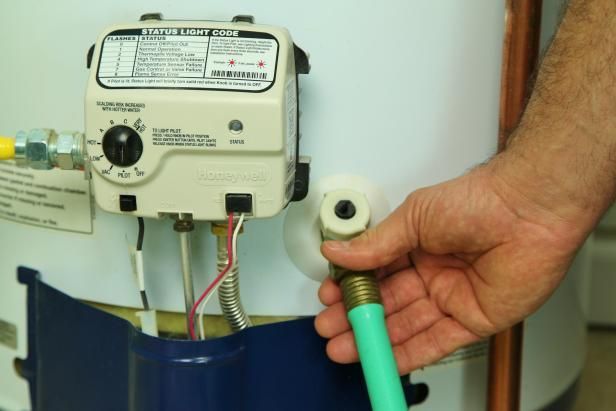
Tips Regular maintenance can extend the life of your water heater and keep it running efficiently. Common maintenance tasks include flushing the tank, checking the anode rod, and inspecting for leaks.
Environmental Impact
Energy-Efficient Models Choosing an energy-efficient water heater reduces energy consumption and lowers your carbon footprint. Look for ENERGY STAR-rated models for the best efficiency.
Reducing Carbon Footprint
Consider the environmental impact of your water heater. Solar and heat pump water heaters are the most environmentally friendly options.
Sustainable Practices
Incorporate sustainable practices by regularly maintaining your water heater, using a timer, and insulating hot water pipes to minimize heat loss.
Conclusion
Choosing the right water heater for your home requires careful consideration of various factors, including the type of water heater, fuel type, size, and energy efficiency. By understanding your household’s hot water needs and the available options, you can make an informed decision that ensures comfort, efficiency, and cost savings.