How to Choose the Right Water Softener for Hard Water?
Choosing the right water softener for hard water is a crucial decision for homeowners who want to protect their plumbing, improve water quality, and enhance the efficiency of their appliances. Hard water, which contains high levels of calcium and magnesium, can cause scale buildup in pipes, reduce the lifespan of water heaters and dishwashers, and leave unsightly stains on fixtures. With a wide array of water softener systems available, it’s important to understand your household’s specific needs, the types of softeners on the market, and how to balance performance with sustainability. This guide will help you make an informed choice, integrating considerations such as eco-friendly plumbing fixtures, emergency services, and the value of professional support from All City Plumbers.
Assessing Your Water Hardness and Household Needs
The first step in selecting the right water softener is to determine the hardness of your water. You can do this by using a home test kit or requesting a professional water analysis. Water hardness is typically measured in grains per gallon (GPG) or parts per million (PPM). Knowing your water’s hardness level will guide you in choosing a system with the appropriate grain capacity—essential for effectively treating your home’s water supply.
Next, consider your household’s water usage. Larger families or homes with multiple bathrooms and appliances will require a water softener with a higher capacity. Most manufacturers provide sizing charts to help you estimate the right system based on the number of occupants and average daily water consumption.
Exploring Types of Water Softeners
Several types of water softeners are available, each with distinct advantages and considerations:
Salt-Based Ion Exchange Softeners
These are the most common and effective systems for removing hardness minerals. They work by exchanging calcium and magnesium ions in the water with sodium or potassium ions, preventing scale buildup and protecting appliances. Salt-based systems require periodic replenishment of salt or potassium pellets and regular maintenance, but they offer thorough softening and are suitable for most households.
Dual-Tank Water Softeners
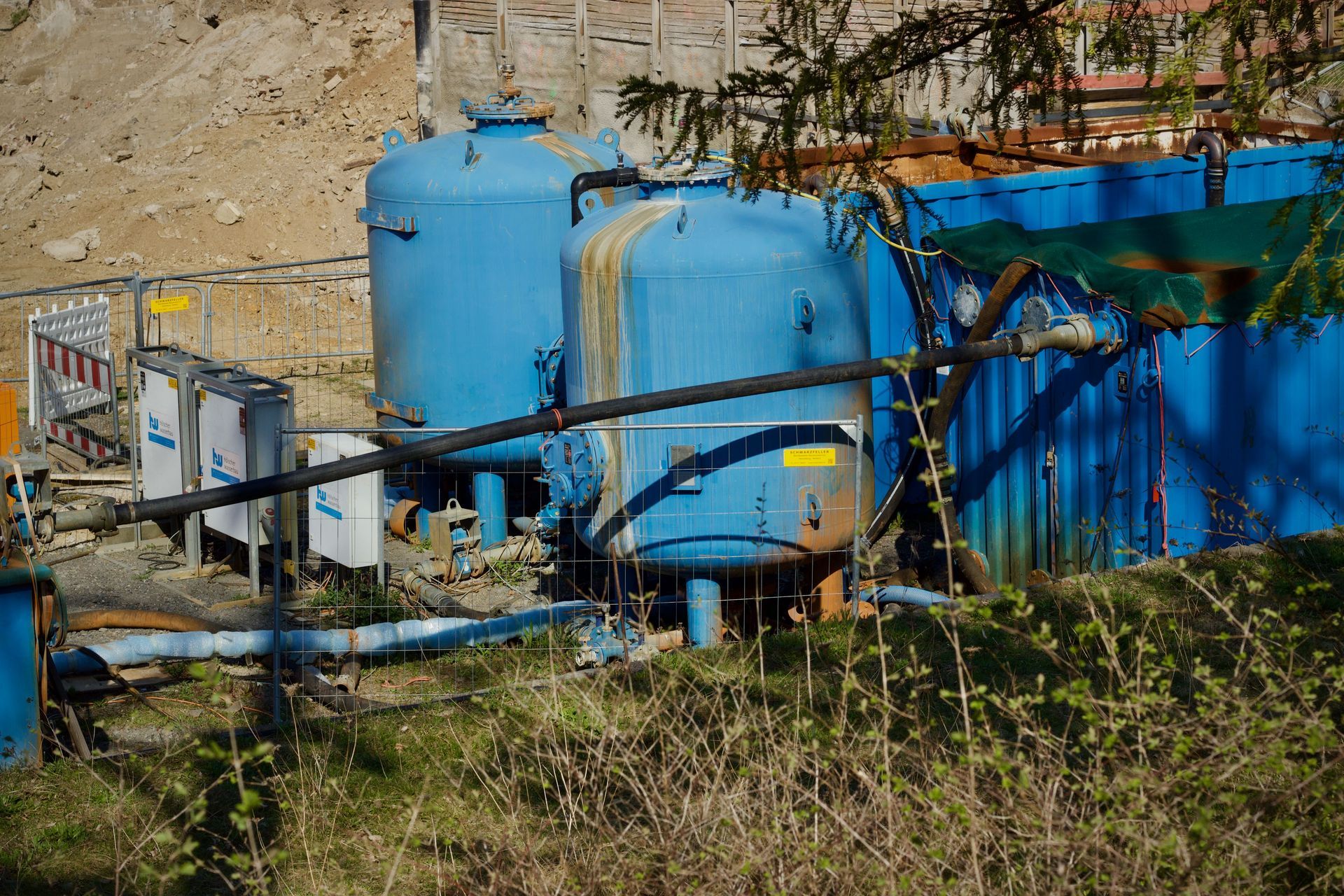
Ideal for large homes or high-water usage, dual-tank systems feature two resin tanks that operate alternately. When one tank regenerates, the other continues to provide softened water, ensuring uninterrupted supply. This design is particularly beneficial for households that use water continuously throughout the day.
Salt-Free Conditioners
Salt-free systems, also known as water conditioners, do not remove hardness minerals but alter their structure to prevent scale formation. These are a good option for those concerned about sodium intake or looking for minimal maintenance. However, they may not be as effective in areas with extremely hard water.
Magnetic or Electronic Descalers
These devices use electromagnetic fields to change the properties of hardness minerals, reducing their ability to form scale. While easy to install and low-maintenance, their effectiveness is debated, and they may not provide the same level of protection as traditional softeners.
Eco-Friendly Water Softeners
For homeowners committed to sustainability, eco-friendly water softeners are designed to minimize waste, conserve water, and use environmentally safe components. Salt-free systems and magnetic descalers are popular eco-friendly options, but even some salt-based systems now feature efficient regeneration cycles and reduced salt usage to lower environmental impact. Pairing a water softener with other eco-friendly plumbing fixtures can further reduce your household’s environmental footprint.
Key Features and Considerations
When evaluating water softeners, look for features that match your lifestyle and preferences:
- Regeneration Settings: Choose between timer-based, meter-based, or demand-initiated regeneration. Meter-based systems regenerate only when needed, saving water and salt.
- Salt and Water Usage: Consider systems that use less salt and water during regeneration for greater efficiency and environmental responsibility.
- Certification and Warranty: Opt for models certified by reputable organizations and backed by strong warranties for peace of mind.
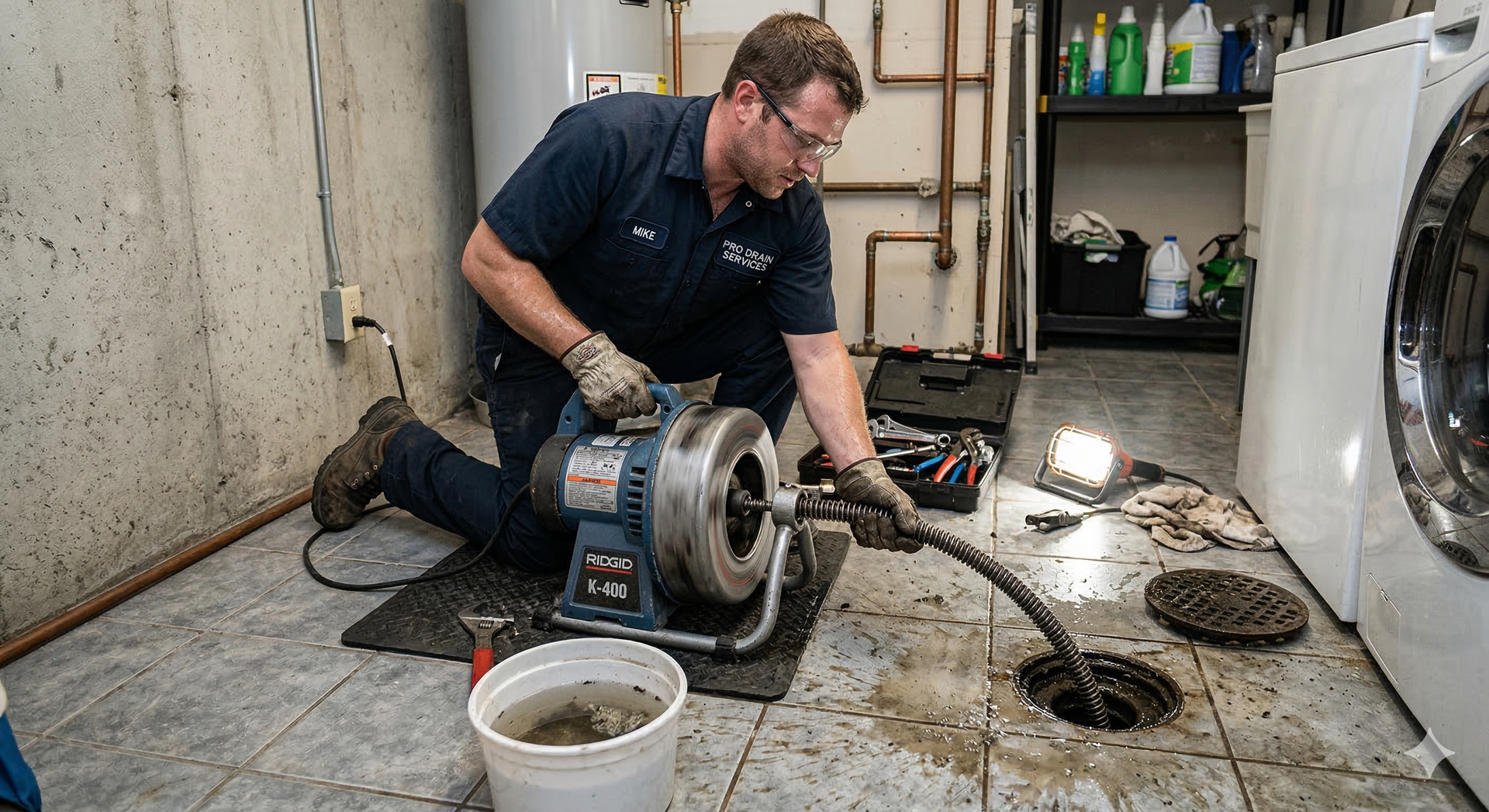
- Installation and Maintenance: Some systems are easier to install and maintain than others. Professional installation from experts like All City Plumbers ensures your system is set up correctly and operates efficiently.
Professional Consultation and Emergency Services
While many homeowners can perform basic research and selection, consulting with a professional plumber is highly recommended. All City Plumbers can provide a thorough water analysis, recommend the best system for your needs, and handle installation and ongoing maintenance. Their expertise is invaluable, especially if your home has unique plumbing challenges or if you want to integrate your water softener with other eco-friendly plumbing fixtures.
Additionally, choosing a reputable provider ensures you have access to emergency services should your system malfunction or require urgent repairs. Quick response to issues can prevent water damage and maintain the quality of your water supply.
Balancing Performance, Cost, and Sustainability
The right water softener balances effective hard water treatment with energy and resource efficiency. While salt-based systems are generally the most effective, salt-free and eco-friendly options may be preferable for those looking to reduce environmental impact or avoid regular salt maintenance. Consider the total cost of ownership, including purchase price, installation, maintenance, and ongoing salt or filter expenses.
Conclusion
Choosing the right water softener for hard water involves careful assessment of your water hardness, household needs, and sustainability goals. By understanding the different types of systems, key features, and the benefits of eco-friendly plumbing fixtures, you can make a choice that protects your home, saves money, and supports environmental responsibility. For expert guidance, installation, and emergency services, rely on trusted professionals like All City Plumbers to ensure your water softener delivers reliable, efficient performance for years to come.