How To Detect And Repair Common Faucet Leaks?
Faucet leaks are a common plumbing nuisance that can lead to wasted water, increased utility bills, and potential damage to your home if left unattended. Understanding how to detect and repair these leaks early not only conserves water but also preserves the integrity of your plumbing system. This detailed guide walks you through recognizing signs of different types of faucet leaks, step-by-step repair processes, and when it is advisable to seek professional assistance from experts such as All City Plumbers.
Identifying the Signs of Faucet Leaks
Leaks can manifest in several ways including drips from the faucet spout, pooling water around the base, or damp cabinetry below sinks. Common indications include a persistent dripping sound even when the faucet is turned off, diminished water pressure, or visible water stains and corrosion around fixtures. Early detection hinges on both visual inspection and attention to unusual noises or water usage fluctuations.
Common Causes of Faucet Leaks
Faucet leaks often arise from worn-out washers, damaged O-rings, corroded valve seats, or deteriorated seals within cartridge or ball-type faucets. Mineral buildup from hard water can exacerbate these issues by damaging components and impairing smooth operation. Over time, the rubber and plastic parts degrade, causing water to escape through gaps or faulty seals.
Step-By-Step Repair of a Dripping Faucet
Before beginning any repair, it is critical to shut off the water supply to avoid flooding. Start by covering the drain to prevent small parts from falling.
For compression faucets, replace old washers and O-rings that generally wear out first. With cartridge, ball, or ceramic-disc faucets, inspect and replace cartridges or seats as needed. Clean all parts thoroughly to remove mineral deposits.
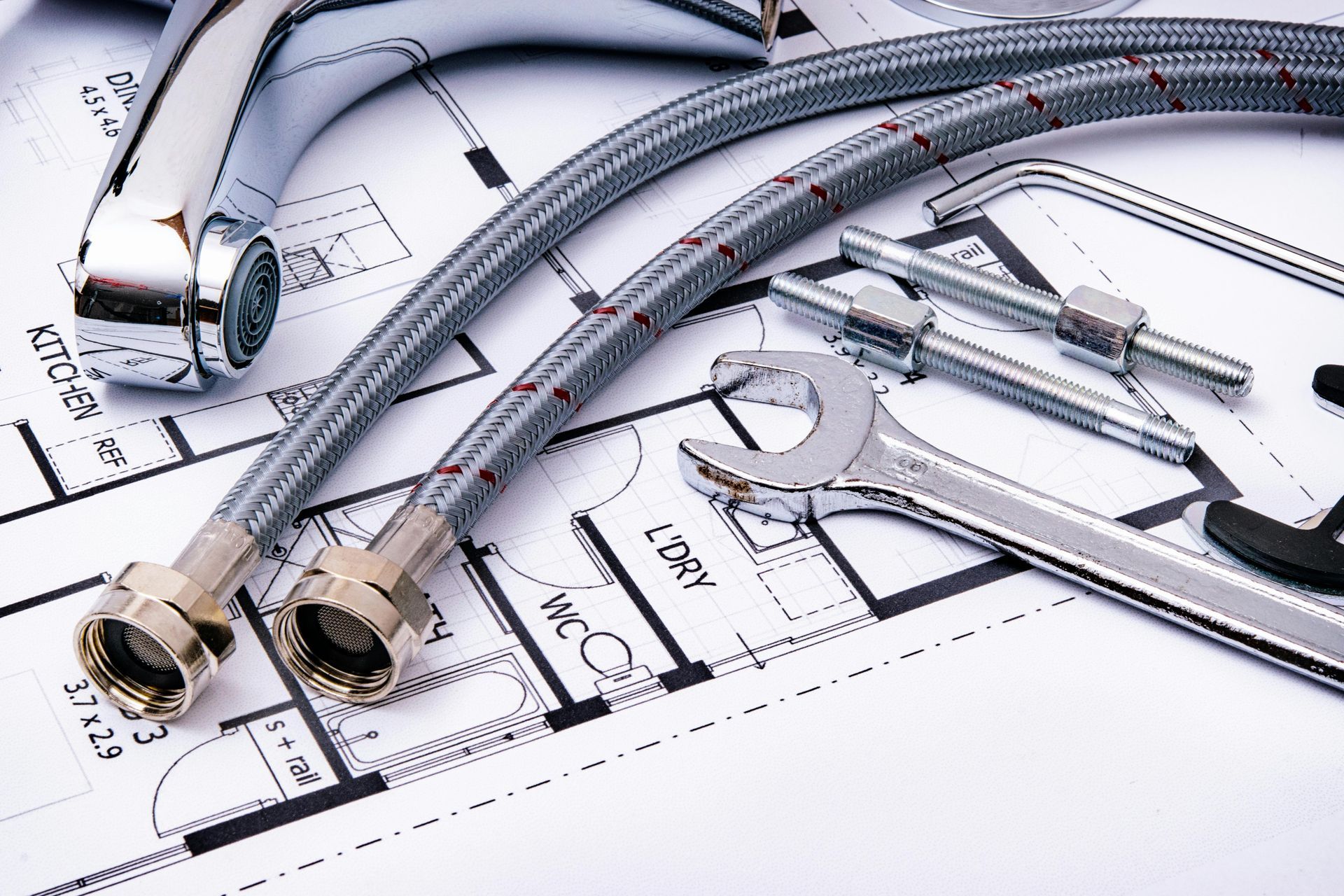
Carefully disassemble the faucet handle using appropriate tools, taking note of the sequence for reassembly. After replacing the worn components, reassemble the faucet, restore water supply, and test for leaks.
When To Seek Professional Assistance
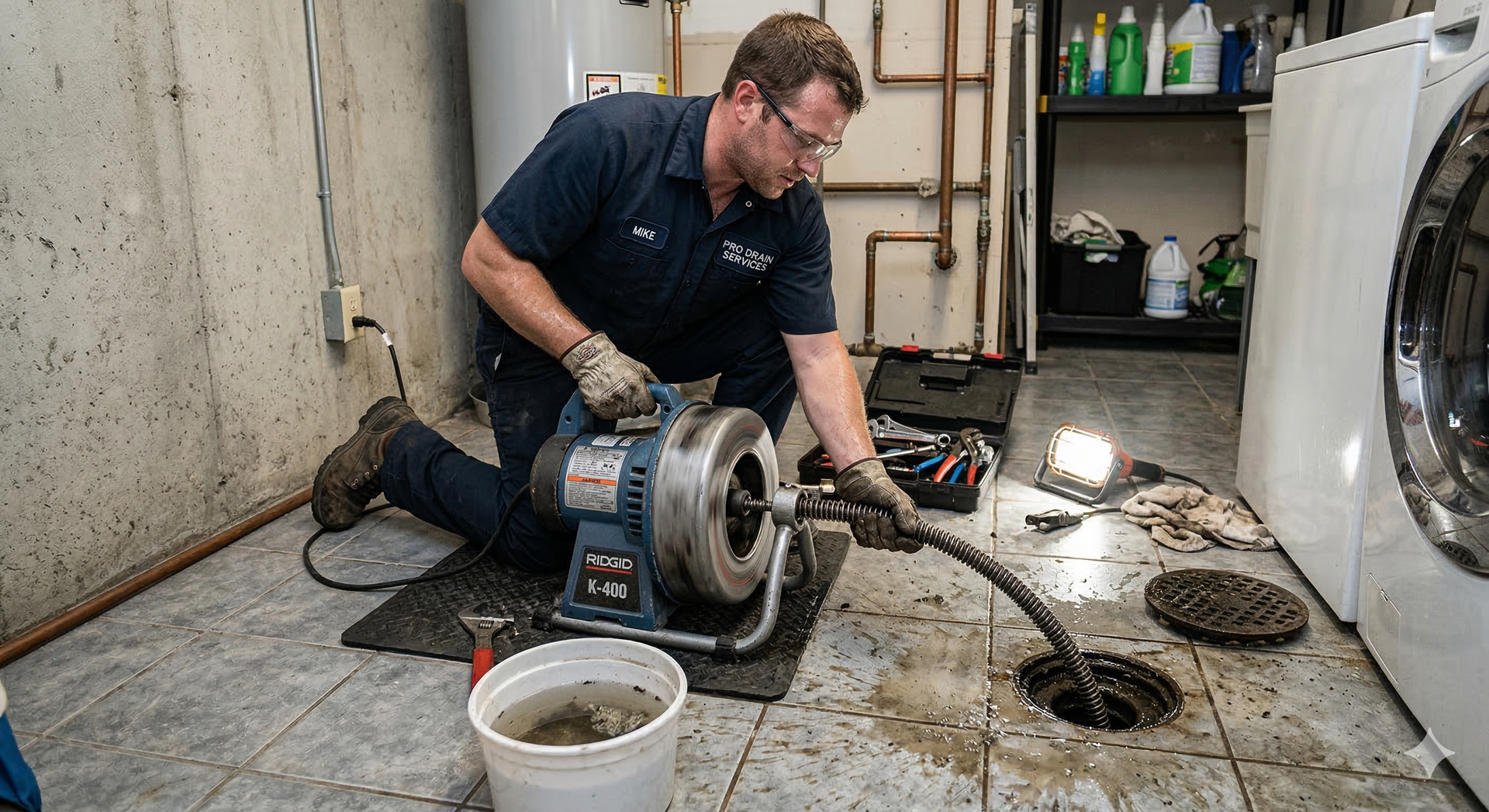
While minor leak repairs are manageable for experienced DIYers, persistent leaks, complex faucet types, or inaccessible plumbing benefit from professional expertise. All City Plumbers offer comprehensive diagnostic and repair services that ensure leaks are fixed securely and efficiently, preventing recurrence. Additionally, if leaks are combined with drainage slowdowns, professional drain clearing services may also be needed.
Understanding the impact of garbage disposals on septic systems is also essential, as improper disposal use can contribute to clogs or leaks indirectly by affecting the drainage system connected to your faucets.
Preventive Maintenance Tips
Routine faucet maintenance prolongs fixture life and reduces leak risk. Regularly clean aerators to prevent clogging, lubricate moving parts, and check for early signs of wear. Addressing water quality issues with softening treatments can reduce mineral damage.
Conclusion
Detecting and repairing common faucet leaks promptly conserves water, avoids costly repairs, and maintains home comfort. By following methodical repair steps or enlisting trusted professionals like All City Plumbers, you can address leaks efficiently. Combining vigilant maintenance with professional support safeguards your plumbing system and home investment.