How To Do Simple Garbage Disposal Maintenance At Home?
Keeping a garbage disposal in good condition is one of the simplest yet most impactful things you can do for your kitchen plumbing. A well‑maintained unit not only grinds food waste more efficiently but also reduces the chance of clogs, foul odors, and unscheduled repairs that can quickly snowball into larger plumbing issues. When homeowners adopt a few consistent habits, they extend the life of the appliance, protect nearby pipes, and often avoid the need for garbage disposal repair and replacement for many years. This kind of routine care is a textbook example of why preventive plumbing maintenance always pays off, both in upfront cost savings and in the peace of mind that comes from a kitchen that runs smoothly.
How a garbage disposal actually works
Understanding basic operation helps you maintain a garbage disposal more effectively and avoid common mistakes. Inside the unit, an electric motor spins a set of rotating impellers or grinding plates that force food particles against a stationary shredder ring, breaking them into small fragments that can pass through the drain line. Unlike older myths, there are no sharp blades; instead, blunt, rotating components rely on force and impact to crush waste. The whole process happens under a constant flow of water, which carries the pulverized particles down the drain and into the main plumbing system. Because the mechanism is simple but power‑hungry, overloading it with too much material at once or running it dry can overheat the motor and damage internal components. Recognizing this design logic makes it easier to adopt safe, low‑strain habits that protect both the appliance and the surrounding plumbing.
Daily habits to keep your disposal running smoothly
Developing a short set of daily routines can dramatically improve a garbage disposal’s longevity and performance. Always run a steady stream of cold water before turning the unit on, keep it on while you feed in small amounts of food, and continue running water for about fifteen to thirty seconds after the grinding sound stops. Cold water helps solidify grease and fats so they can be flushed away rather than coating the inside of pipes and disposal chamber. It is important to avoid “dumping” everything in at once; instead, feed scraps gradually, allowing each batch to clear before adding more. This prevents jamming and keeps the motor from working at maximum strain. Over time, these small adjustments add up to cooler operation, quieter grinding, and fewer clogs further down the line.
What you should (and should not) put down the disposal
Not every item that looks like food waste belongs in the garbage disposal, and sticking to the right foods is a cornerstone of simple home maintenance. Ideal candidates include small portions of soft vegetable trimmings, fruit peels, cooked meats, and small amounts of pasta or rice. These items are relatively easy for the impellers to break up and, when flushed with sufficient water, rarely cause buildup. On the other hand, fibrous vegetables such as celery, corn husks, and artichokes tend to wrap around the rotating parts and can lead to jams. Grease, cooking oil, and large bones should never go in because they either clog the drain or damage the grinding mechanism. Hard seeds, coffee grounds, and pits can also cause wear or blockage over time. By applying these guidelines consistently, you make the disposal’s job easier and reduce the risk of premature failure.
Simple cleaning and deodorizing at home
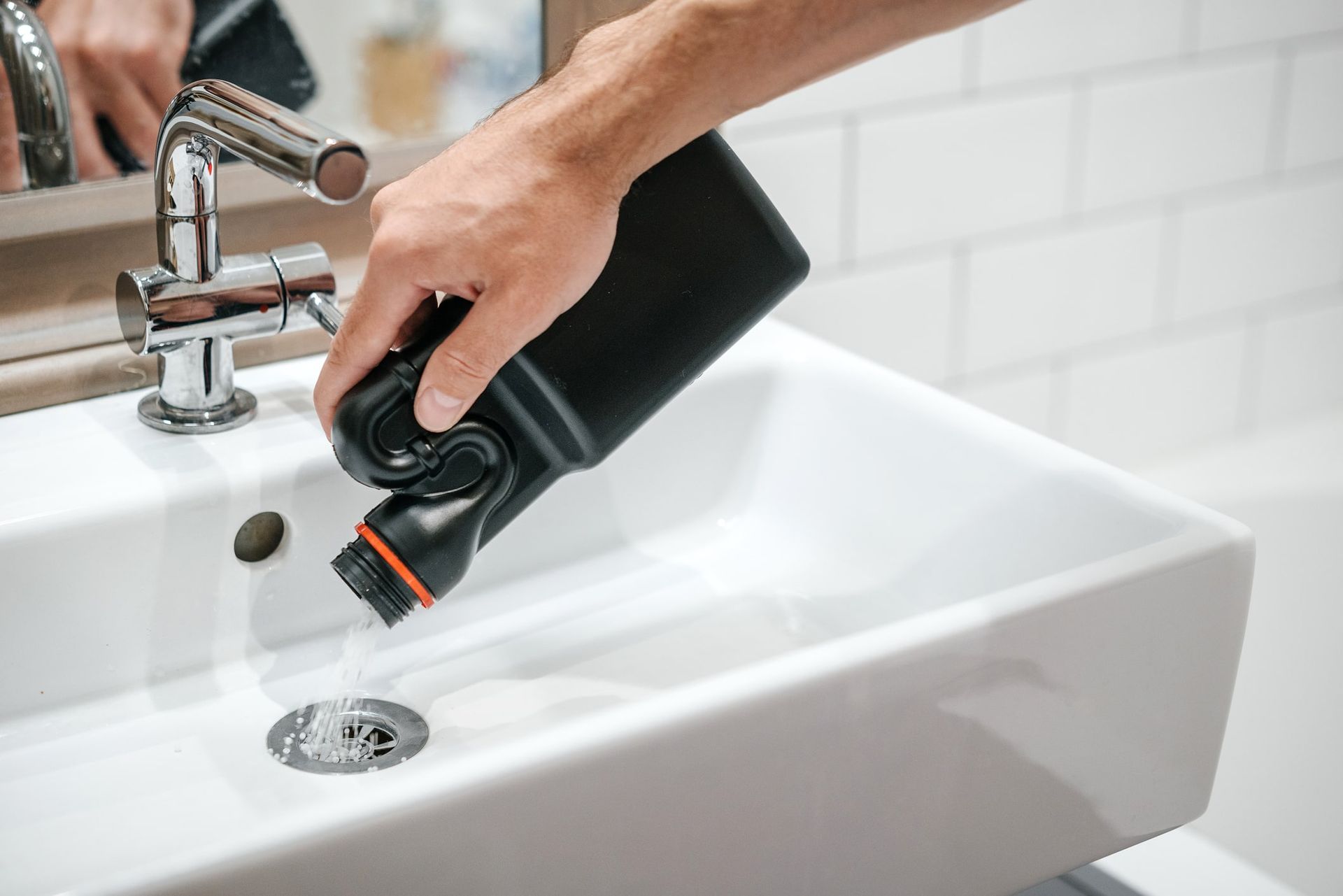
A clean garbage disposal smells better, drains more efficiently, and is less likely to host bacterial growth that can affect nearby pipes. One of the simplest and safest methods is to use ice cubes along with a small amount of rock salt or baking soda. Drop a handful of ice into the running disposal, add a scoop of salt or baking soda, and let the unit grind for a short while. The ice helps scrub the interior surfaces, while the abrasive particles help loosen stuck food debris and reduce the film that can cause odors. Another effective option is to grind small pieces of citrus peel, such as lemon or orange, which adds a fresh scent and helps neutralize lingering smells. After this, run plenty of cold water to flush everything through the drain. These gentle, non‑chemical approaches are far kinder to the plumbing system than harsh drain cleaners, which can corrode older components and create more problems over time.
Routine checks and troubleshooting minor issues
Even with good habits, minor issues can still appear, and knowing how to address them quickly prevents small problems from turning into major repairs. A common sign of trouble is a humming sound without any grinding, which often indicates that the impellers are jammed by a piece of food or foreign object. In this case, the first step is always to turn off power to the unit at the circuit breaker or dedicated switch and confirm that it is electrically isolated. Many disposals come with a hex wrench or Allen key that fits into a hole on the bottom of the unit; inserting this tool and gently turning it back and forth can free the jam without having to open the whole housing. If the unit still does not respond, pressing the reset button on the side or bottom of the unit may restore power. These steps are usually enough for minor jams, but if the unit continues to behave erratically or refuses to start, it may be time to call professionals such as All City Plumbers for more thorough inspection and possible garbage disposal repair and replacement.
When to call a professional instead of DIY
There are situations where simple home maintenance no longer suffices, and calling a licensed plumber or service team is the safer and more cost‑effective choice. If the disposal repeatedly trips the circuit breaker, leaks water around the base or connections, produces persistent loud grinding or rattling, or refuses to reset, these are signs of internal damage or electrical faults that are not suitable for casual DIY repair. Attempting to disassemble or rewire the unit without proper training can introduce safety hazards, including electrical shock or water damage. A professional plumber has the tools and experience to inspect the disposal, test the motor, check for leaks, and determine whether the unit can be repaired or needs to be replaced. Recognizing the boundary between safe homeowner maintenance and work that belongs to a specialist is an important part of keeping your kitchen plumbing both functional and safe.
How preventive care protects your entire plumbing system
Regular garbage disposal maintenance does more than just keep one appliance running well; it also supports the broader health of your kitchen plumbing. A poorly maintained disposal can push grease, fibrous material, and small food solids into the drain line, where they accumulate and combine with mineral deposits over time. This buildup constricts flow and increases the risk of slow drains or complete blockages further down the system. When clogs occur, they place additional stress on adjacent components, from the P‑trap under the sink to the connection to the main drain run. Simple, consistent habits—such as using cold water, avoiding inappropriate items, and cleaning the disposal periodically—minimize the amount of debris that ever reaches the pipes. This is exactly why preventive plumbing maintenance always pays off: fewer clogs mean fewer emergency calls, less strain on fixtures, and a longer lifespan for the entire drainage network.
Simple upgrades and long‑term maintenance planning
Beyond basic cleaning and usage habits, a few thoughtful upgrades can further extend the life and usefulness of a garbage disposal. Installing a water filter or softener can reduce mineral buildup in the grinding chamber and nearby pipes, which is especially helpful in areas with hard water. Some homeowners choose to add a dedicated air switch or touch‑less switch, which reduces the risk of electrical issues associated with in‑sink or wall‑mounted switches and makes operation more convenient. As the unit ages—typically after eight to fifteen years, depending on usage and build quality—consider scheduling a professional inspection to evaluate whether repair or replacement makes more sense. Older models may lack modern safety features or energy‑efficiency benefits, and upgrading to a newer unit can improve both performance and sound insulation. When a replacement is needed, experienced teams such as All City Plumbers can handle safe removal, proper electrical and plumbing connections, and positioning that aligns with local code requirements.
Conclusion
A garbage disposal is a relatively small appliance in the grand scheme of a home, but its day‑to‑day impact is significant. With simple, regular maintenance—proper use, careful feeding, gentle cleaning, and timely troubleshooting—most homeowners can keep their unit running smoothly for many years without major issues. These habits also reduce stress on the surrounding plumbing, lowering the chances of clogs, slow drains, and more serious repairs. When problems do arise, knowing when to stop DIY efforts and bring in a professional helps protect both the appliance and the safety of the household. By integrating these practices into your routine, you embrace a broader philosophy in which why preventive plumbing maintenance always pays off becomes evident in cleaner drains, quieter operation, and fewer surprise service calls.