Why Drain Cleaning Helps Before Repairing A Waterline?
Home plumbing systems operate as interconnected networks where drains and waterlines rely on each other for optimal function, yet many overlook how clogs in one can doom the other. Waterlines deliver fresh supply to fixtures, while drains carry away wastewater; when drains accumulate grease, hair, soap scum, or mineral deposits, pressure imbalances emerge that stress waterline integrity. This buildup creates backpressure, forcing wastewater to seek alternative paths and straining supply lines with unusual vibrations or surges. Over time, these forces erode pipe walls, leading to pinhole leaks or full ruptures that demand costly repairs. Addressing drain issues first restores hydraulic balance, preventing misdiagnosis of waterline problems as isolated failures. Understanding this synergy reveals why rushing to waterline fixes without drain clearing often wastes time and money, setting the stage for recurring headaches.
How Clogged Drains Damage Water Supply Lines
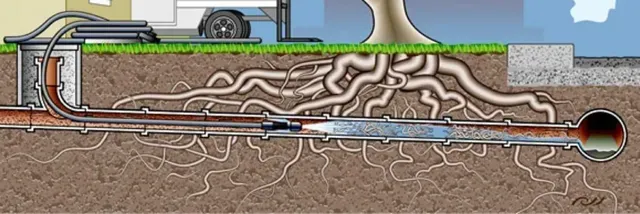
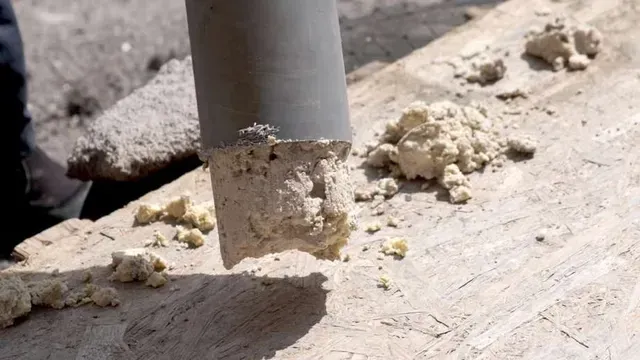
Clogged drains exert insidious pressure on waterlines, accelerating wear through mechanisms that go unnoticed until catastrophe strikes. Organic debris like food particles and fats congeal into blockages, slowing drainage and causing wastewater to pool, which generates hydrostatic pressure waves rippling back through the system. These waves hammer supply pipes, loosening joints and fittings over months of repeated stress. In older homes with galvanized or polybutylene lines, corrosion accelerates as stagnant water promotes bacterial growth and acidic conditions that pit metal walls. Tree roots invading drain laterals exacerbate this by compressing shared trenches, kinking waterlines and restricting flow. The result? Reduced pressure at faucets, discolored water, or sudden bursts during peak use. Statistics show that up to 40 percent of waterline repairs stem from upstream drain neglect, proving that clearing drains first halts this cascade of damage and extends pipe lifespan significantly.
Identifying Symptoms of Drain-Related Waterline Stress
Recognizing early indicators of drain-induced waterline strain empowers homeowners to intervene before repairs become inevitable. Gurgling sounds from sinks or toilets signal air pockets from partial blockages pushing back into supply lines, often accompanied by low faucet pressure or sputtering flows. Foul odors emanating from drains indicate anaerobic bacterial activity in standing water, which corrodes nearby waterline fittings through hydrogen sulfide exposure. Visible signs include damp spots under slabs or along walls where backpressure forces leaks, while sewage backups flood fixtures connected to the main line. Fluctuating hot and cold water temperatures arise when clogs disrupt mixing valves, straining pipes with thermal expansion. Routine checks, such as running water through all drains and monitoring pressure gauges, uncover these links. Prompt action here averts escalation, highlighting drain clearing as a foundational step in plumbing diagnostics.
Essential Drain Cleaning Techniques for Waterline Protection
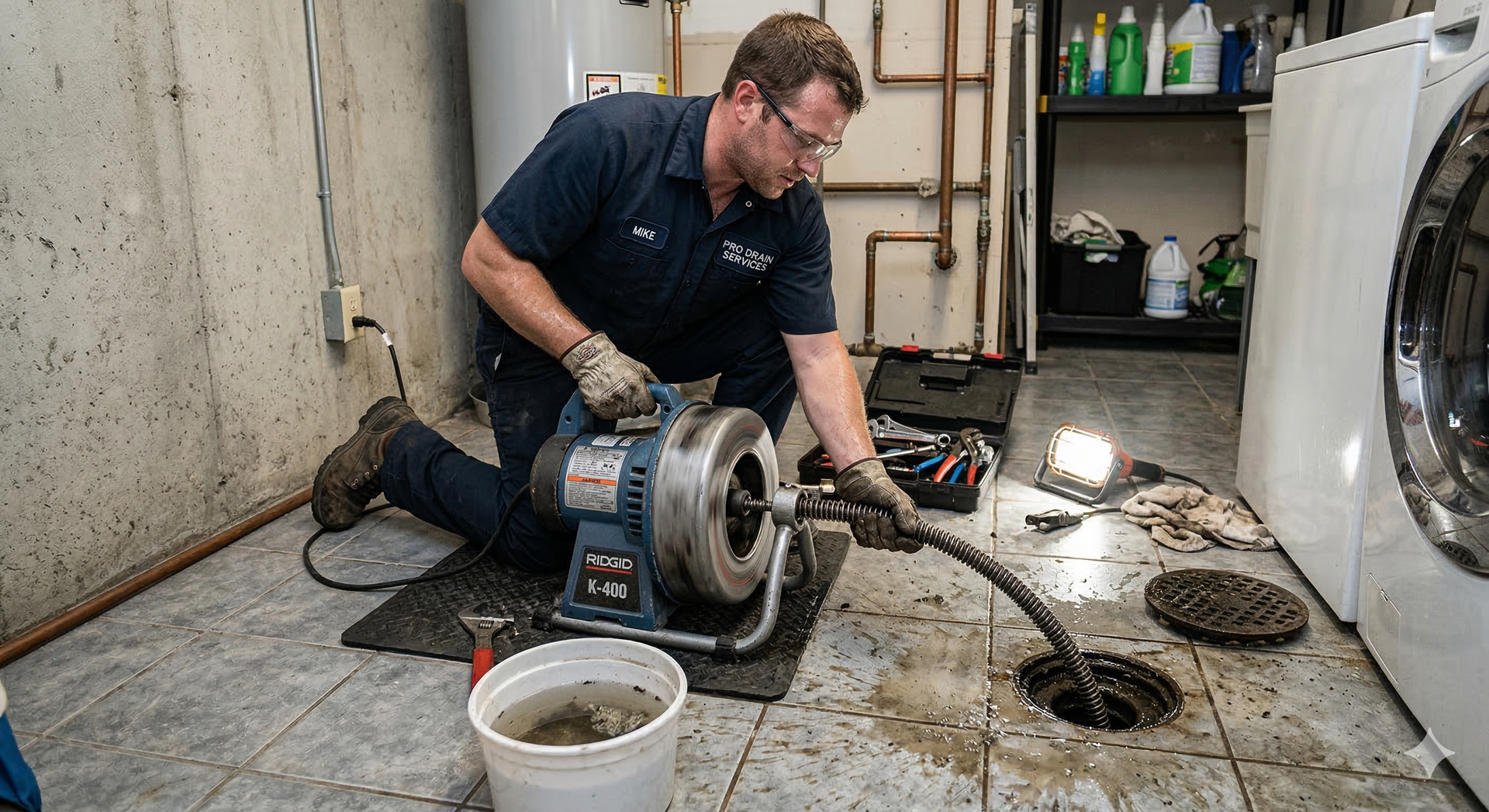
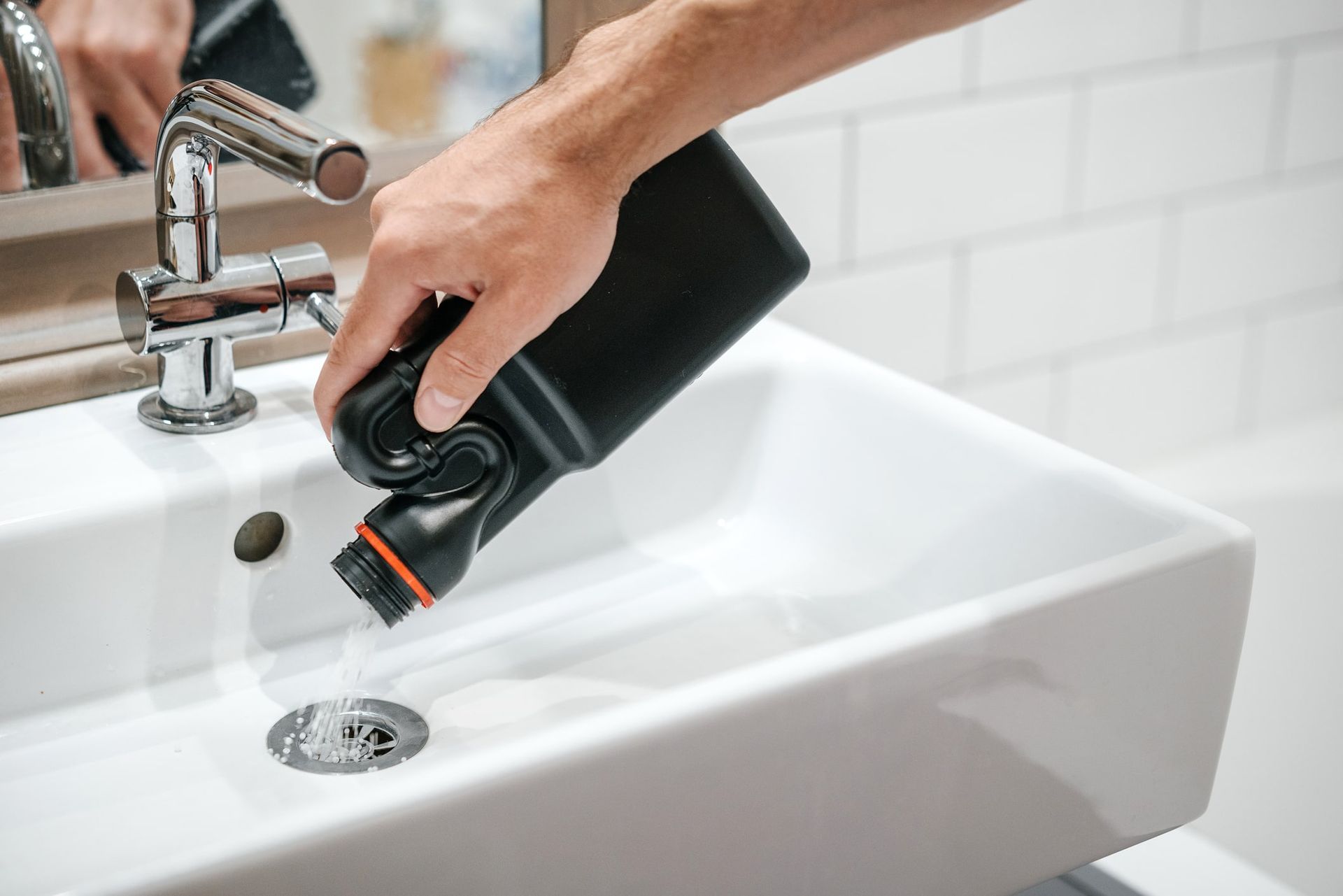
Effective drain cleaning employs targeted methods to eliminate blockages, safeguarding waterlines from secondary harm. Mechanical snaking uses flexible cables with cutting heads to pulverize grease and roots, restoring full flow without harsh chemicals that could degrade supply pipes. Hydro-jetting blasts high-pressure water at 3,000-4,000 psi through specialized nozzles, scouring pipe interiors down to bare metal and dislodging even hardened scale. Enzymatic cleaners introduce bacteria that digest organic matter over hours, ideal for eco-conscious maintenance in sensitive systems. Camera inspections precede cleaning, scoping pipe interiors to map clogs precisely and assess waterline proximity. Professionals like All City Plumbers integrate these techniques seamlessly, ensuring thorough drain clearing that balances the entire system. Post-cleaning flow tests confirm equilibrium, preventing pressure spikes that threaten waterlines.
Step-by-Step Process: Clean Drains Before Waterline Repairs
A structured approach prioritizes drain clearing to ensure waterline repairs succeed long-term. Begin with a full-system inspection using video cameras to locate blockages and evaluate waterline condition, identifying if clogs caused the damage. Isolate the affected drain by shutting off water supply and bailing standing water, then deploy hydro-jetting or snaking to clear obstructions methodically from the farthest fixture upstream. Flush the line with hot water and baking soda to neutralize residues, followed by pressure testing to verify balanced flow. Only then proceed to waterline excavation or repiping, as clean drains prevent recontamination of new sections. Monitor for 24-48 hours post-repair, adjusting as needed. This sequence, often provided through specialized drain clearing services, slashes repair failure rates by addressing root causes upfront.
The Value of Preventive Plumbing Maintenance
Routine care fortifies drains and waterlines against intertwined failures, yielding dividends in reliability and cost savings. Quarterly enzyme treatments dissolve buildup proactively, while annual hydro-jetting maintains peak capacity in high-use homes. Installing drain screens and water softeners curbs debris entry and scale formation, preserving pipe health. Why preventive plumbing maintenance always pays off shines through in data: homes with scheduled cleanings face 70 percent fewer waterline emergencies, with savings offsetting service fees manifold. Smart sensors now alert to flow anomalies via apps, enabling preemptive action. This forward-thinking strategy transforms plumbing from a reactive burden into a seamless backdrop for daily life.
Professional Solutions for Lasting Plumbing Harmony
Engaging experts ensures drain cleaning and waterline repairs integrate flawlessly for enduring results. Certified technicians deploy truck-mounted jetters for deep cleans and trenchless pipe relining to rehabilitate waterlines without demolition. Upgrades like PEX piping resist corrosion better than copper, paired with backflow preventers to isolate drain issues. Post-service warranties and maintenance plans provide ongoing assurance. These comprehensive interventions not only resolve immediate problems but engineer systems resilient to future clogs and stresses.
Conclusion
Drain cleaning is not a secondary task—it is a foundational step that directly influences the success of any waterline repair. Accumulated debris, grease buildup, and mineral deposits create internal pressure imbalances that accelerate pipe deterioration and mask underlying structural issues. By addressing these obstructions first, homeowners enable accurate diagnostics and ensure that subsequent repairs are applied to a stable, uncompromised system. Ignoring this sequence often results in recurring failures, as unresolved blockages continue to strain joints and weaken pipe integrity over time.
A disciplined approach that combines professional drain clearing with ongoing preventive maintenance delivers long-term system resilience. Routine inspections, hydro-jetting where necessary, and mindful usage habits reduce the likelihood of future clogs while preserving optimal flow dynamics. Partnering with experienced plumbing services ensures that both immediate issues and latent risks are handled with technical precision. Ultimately, this integrated strategy minimizes unexpected breakdowns and reinforces a plumbing system that consistently supports daily living rather than disrupting it.