How to Effectively Clear Clogged Drains Without Damaging Your Pipes
Clogged drains are a common household issue that can lead to inconvenience, unpleasant odors, and potential water damage if not addressed promptly and properly. Clearing these blockages effectively while preserving the integrity of your plumbing requires careful attention to methods and tools used. This detailed article explores best practices for safely and efficiently clearing clogged drains, providing guidance from trusted experts like All City Plumbers. Additionally, it touches on broader water management strategies such as how to save water with low-flow fixtures and appliances.
Understanding the Causes of Drain Clogs
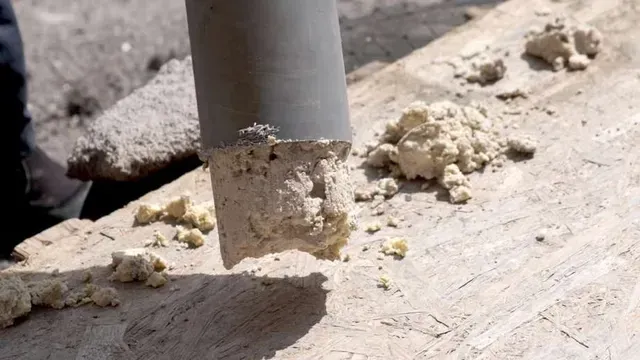
Drain blockages can originate from a variety of sources including accumulation of hair, grease, soap scum, food particles, mineral deposits, or foreign objects that accidentally fall into the drain. Over time, these materials build up and restrict water flow, leading to slow drainage or complete stoppage. Kitchen sinks often contend with grease and food debris, while bathroom drains commonly suffer from hair and soap blockages.
Recognizing the specific cause helps in selecting the most appropriate clearing method. For instance, grease hardened inside pipes may require different treatment compared to hair or mineral deposits.
Safe and Effective Methods for Clearing Clogged Drains
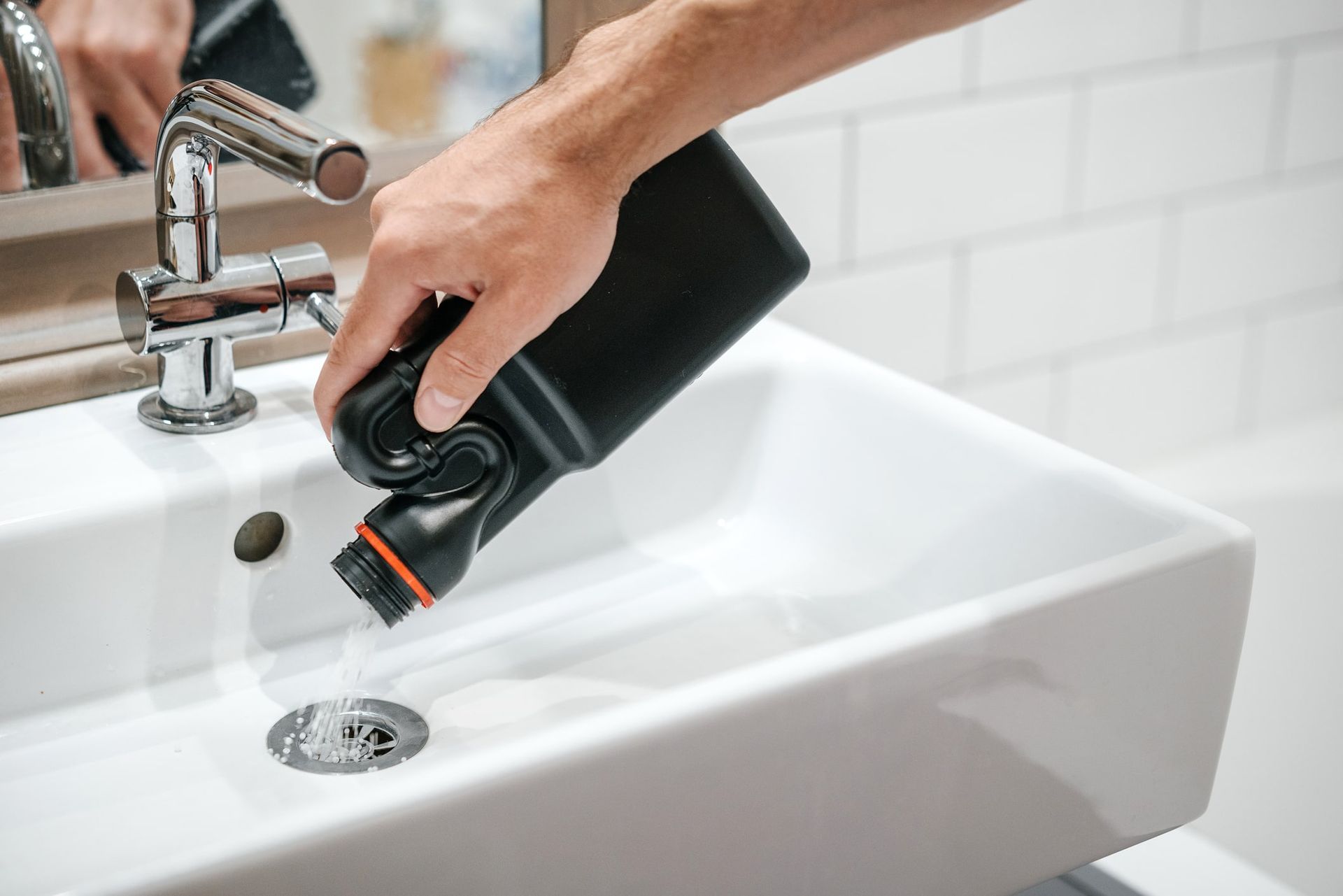
Homeowners have multiple options for addressing clogs, but using techniques that avoid damage to pipes is crucial. Chemical drain cleaners, although popular, contain harsh substances that can erode pipe material and harm the environment. Therefore, mechanical and natural methods are generally safer and recommended.
Manual Techniques
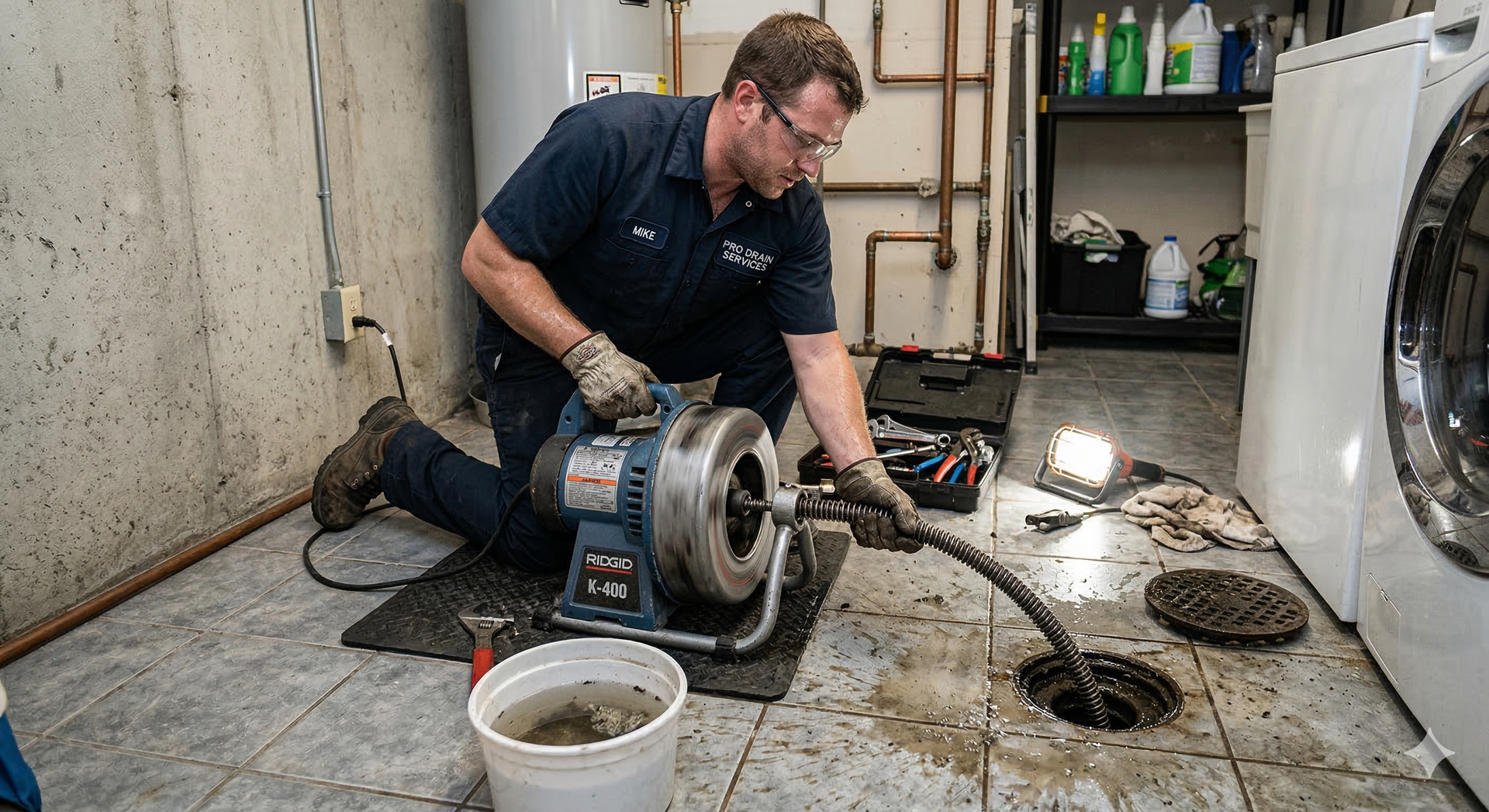
Using a plunger designed for sinks or toilets is often the first step. It creates suction to dislodge blockages without introducing chemicals. For persistent clogs, a drain auger or plumber’s snake can be employed to physically break apart or extract the obstruction deep within the pipe.
Care should be taken to use augers appropriately to avoid scratching or puncturing pipe interiors. For delicate pipe materials such as PVC, flexible and appropriately sized augers are preferable.
Natural Solutions
A mixture of baking soda and vinegar followed by hot water can help dissolve minor blockages and deodorize drains. This method is environmentally friendly and compatible with most plumbing systems, though it may act more slowly on severe clogs.
Professional Intervention
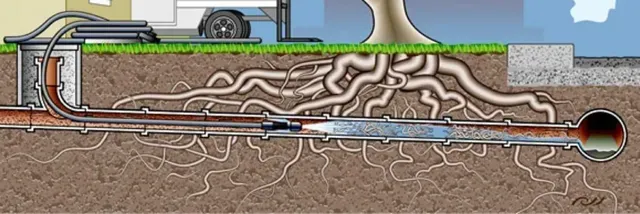
When home remedies fail or in complex cases involving repeated clogs or pipe damage, seeking professional drain clearing services is advisable. Experts like All City Plumbers have access to advanced equipment such as hydro jetting machines that use high-pressure water streams to cleanse pipes thoroughly without causing damage.
Preventive Measures to Avoid Future Clogs
Prevention is better than cure when it comes to maintaining clear drains. Installing strainers over drains to catch hair and food particles is a simple yet effective step. Proper disposal of grease by wiping pans before washing and limiting the amount of soap and debris entering drains reduces buildup.
Additionally, incorporating water-efficient technologies can indirectly support drain health. Choosing to save water with low-flow fixtures and appliances decreases water volume passing through and can reduce the accumulation speed of mineral deposits and sediment.
Importance of Regular Maintenance and Professional Plans
Routine maintenance significantly lowers the risk of severe blockages and costly plumbing repairs. Establishing a maintenance plan with professionals like All City Plumbers offers systematic inspections and timely drain clearing before issues worsen.
These programs may include regular flushing of pipes, testing water flow rates, and cleaning vulnerable piping sections, ensuring longevity and smooth operation.
Conclusion
Effectively clearing clogged drains without damaging your pipes involves understanding the nature of the clog, selecting appropriate clearing methods, and adopting preventive habits. Combining manual and natural techniques with professional services ensures safety, efficiency, and environmental responsibility.
By partnering with experienced providers such as All City Plumbers and using water-saving devices, homeowners can maintain healthy plumbing systems, avoid emergencies, and contribute to sustainable water use.
Regular vigilance and informed care guarantee that your drains remain clear, your pipes intact, and your household running smoothly.