How to Create a Year-Round Plumbing Maintenance Calendar?
Creating a year-round plumbing maintenance calendar provides homeowners with a structured and proactive framework for managing their plumbing systems rather than reacting to failures after they occur. By organizing routine inspections, cleaning, and minor repairs into a scheduled plan, homeowners can significantly reduce the likelihood of sudden breakdowns, extend the operational lifespan of pipes and fixtures, and maintain consistent system efficiency. This approach also enables better budgeting, as predictable maintenance costs replace the financial strain of emergency repairs.
A well-designed calendar takes into account seasonal variations—such as increased water usage in summer, potential pipe freezing in winter, and debris accumulation during fall—as well as household-specific usage patterns that may accelerate wear in certain areas. It also targets common vulnerabilities, including drain blockages, mineral buildup, seal degradation, and pressure inconsistencies across fixtures and main lines. By addressing these factors systematically throughout the year, homeowners can detect early warning signs, implement corrective measures promptly, and ensure the plumbing infrastructure remains reliable and cost-effective over the long term.
Benefits of a Structured Maintenance Calendar
A well-designed calendar transforms reactive repairs into proactive care, catching issues like mineral buildup or joint wear before they cause floods or backups. By scheduling tasks around weather shifts and peak usage periods, homeowners reduce energy waste from inefficient water heaters and avoid sewer overflows during heavy rains. Consistent attention preserves warranty coverage on newer appliances and boosts resale value through documented upkeep. Families with high water demands benefit most, as calendars prevent clogs from grease or hair accumulation that plague busy households. Over time, this discipline cuts service calls by up to 50 percent, freeing budgets for upgrades rather than emergencies. Integrating reminders via apps or wall charts ensures adherence, fostering habits that safeguard health by curbing bacterial growth in neglected pipes.
Essential Tools and Supplies for Maintenance
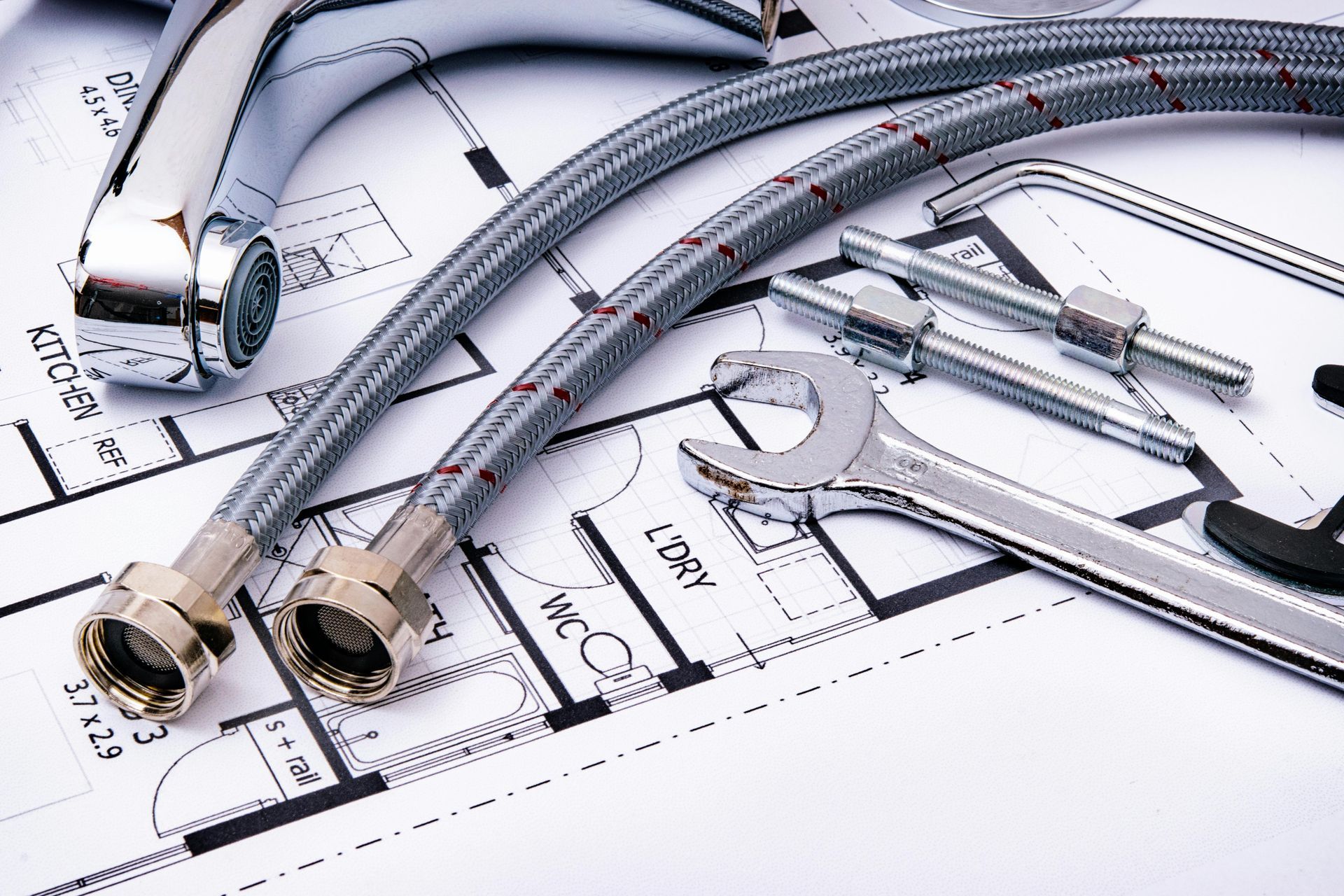
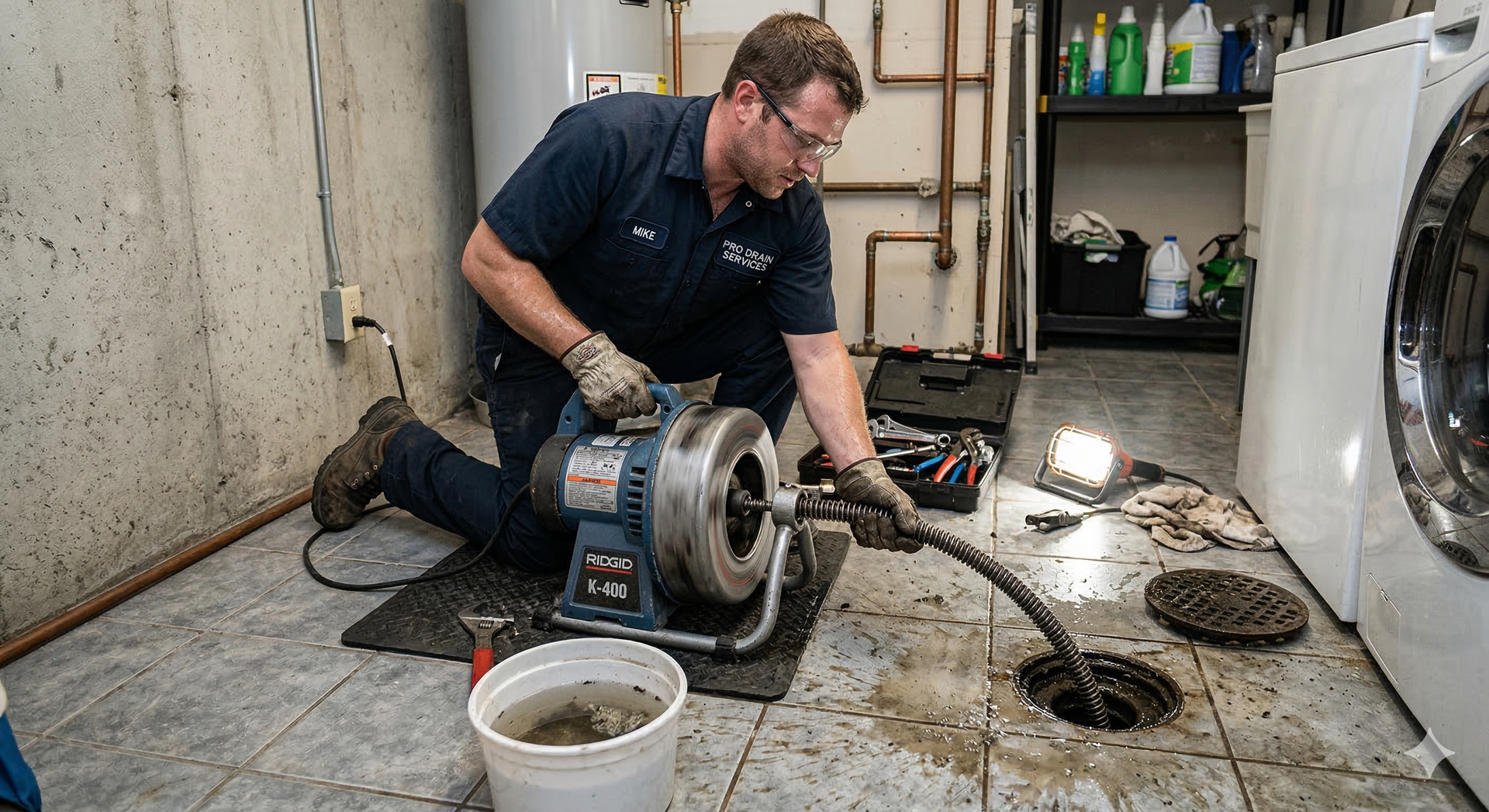
Stock a basic kit with plunger, drain snake, pipe tape, bucket, flashlight, and natural cleaners like baking soda and vinegar for quick fixes. Adjustable wrenches, pipe brushes, and water pressure gauges aid inspections, while safety gear such as gloves and goggles protects during messy tasks. Digital cameras or borescopes allow non-invasive pipe views, essential for logging conditions over time. Eco-friendly enzyme treatments and root-killing foams round out supplies for organic preventives. Professional-grade items like infrared thermometers detect hidden leaks by spotting temperature anomalies. Keeping these organized in a dedicated space streamlines calendar execution, empowering confident DIY efforts while knowing when to pause for experts.
Winter Plumbing Protection Strategies
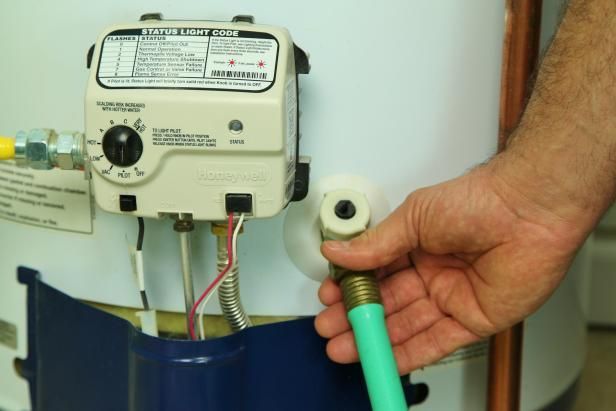
January launches the calendar with insulating exposed pipes in crawlspaces, attics, and exterior walls to combat freezing temperatures that crack copper or PVC. Disconnect outdoor hoses and drain spigots, then inspect faucets for drips that waste heat and signal washer wear. February focuses on water heater flushing to remove sediment, checking anodes for corrosion, and verifying pressure relief valves function smoothly. Test sump pumps by simulating floods, clearing debris from intakes. March thaws bring yard checks for frost heaves around cleanouts. These steps prevent 90 percent of cold-weather failures, maintaining steady flow when demand peaks for hot showers.
Spring Cleaning and Inspection Routines
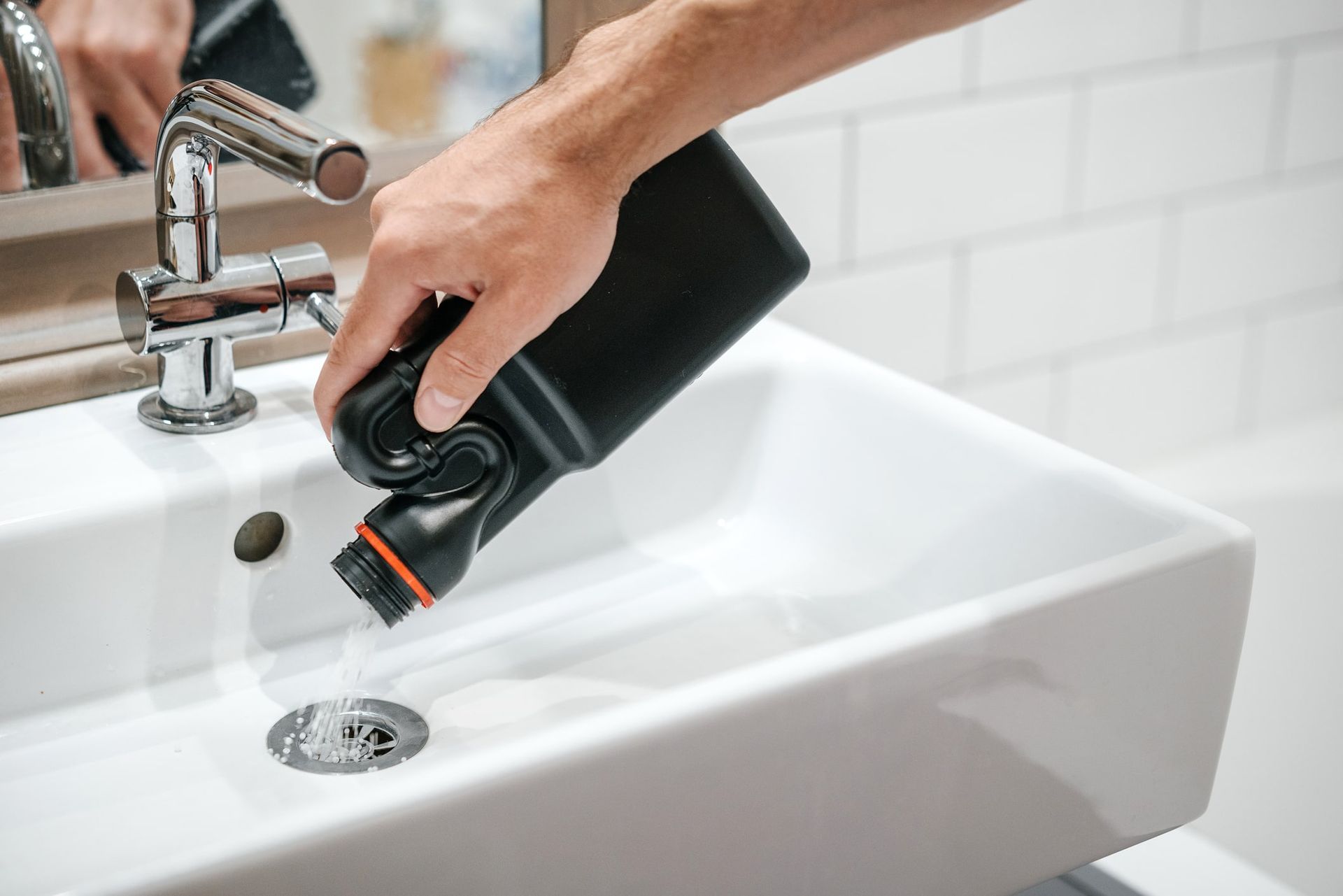
April initiates deep cleans, starting with sink traps emptied of hair and soap scum using enzyme gels applied overnight. Run hot water weekly to melt grease in kitchen drains. May involves pressure testing main lines by capping outlets and monitoring gauges for drops indicating leaks. Inspect washing machine hoses for bulges or cracks, replacing rubber ones over five years old. June targets bathrooms, snaking showers and clearing toilet jets with vinegar soaks. Video scope sewer laterals if accessible, noting bellied sections. Spring rains test systems, so clear gutters to divert runoff from foundations. These efforts restore full capacity post-winter stagnation.
Summer Usage Optimization Tasks
July heats up with water softener recharges to combat mineral scaling from hard water evaporation. Check irrigation lines for leaks, tightening fittings strained by expansion. August reviews garbage disposals, sharpening blades with ice cubes and citrus peels while avoiding fibrous foods. Inspect septic baffles if applicable, pumping every three years per usage. September prepares for school-year surges by descaling coffee makers and dishwashers connected to home plumbing. Monitor for why your sink gurgles after you flush the toilet, often due to shared vent stacks overwhelmed by sudden vacuum—clear roof vents of nests to equalize pressure. Summer's high flows demand vigilance against overuse strains.
Fall Preparation for Colder Months
October schedules furnace and boiler checks, bleeding radiators tied to domestic hot water loops for efficiency. Examine expansion tanks on water heaters, tapping to ensure air cushions remain; replace if waterlogged to prevent pressure spikes. November clears leaves from downspouts, preventing clogs that backfeed sewers. Test backwater valves and cleanouts for accessibility. December inventories antifreeze for RVs or cabins, then schedules annual professional hydro-jetting for mains. These pre-winter actions fortify against contractions that split fittings.
Quarterly Professional Service Integration
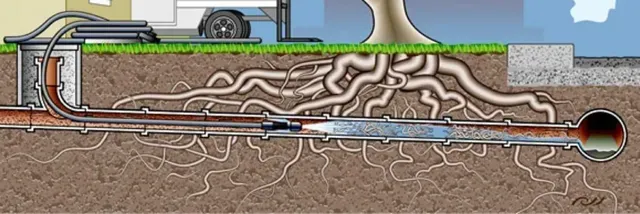
Every three months, enlist technicians for camera inspections and targeted cleanings, adjusting based on findings. The frequency of professional drain cleaning varies—quarterly for restaurants, biannual for families—to preempt roots or scale. Companies like All City Plumbers offer bundled packages, combining scopes with jetting for comprehensive diagnostics. Log reports to track trends, budgeting $400 yearly for peace of mind. These visits catch subtleties like micro-cracks missed by DIY tools.
Tracking and Adjusting Your Calendar
Use spreadsheets or apps to log dates, photos, and notes, reviewing quarterly for refinements based on local water quality or family changes. Set phone alerts for tasks, sharing access with household members. Annual audits compare pre- and post-maintenance flow rates, tweaking intervals if backups recur. Factor in remodels or appliance swaps that alter demands. Adapt for rentals by simplifying to monthly visuals and semi-annual pros.
Conclusion
Even diligent plans face surprises, so designate emergency services contacts upfront, prioritizing 24/7 responders with camera vans. Practice shutoff valve locations monthly, ensuring quick isolation. Calendars include post-flood protocols like drying lines with fans to prevent mold. Insurance riders for water damage complement routines, with claims streamlined by upkeep records.
In conclusion, a year-round plumbing maintenance calendar empowers homeowners to anticipate and avert issues through seasonal, quarterly, and daily actions. Committing to this framework yields reliable performance, cost savings, and confidence in a resilient system year after year.