The Best Maintenance Schedule for Main Sewer Lines
Maintaining main sewer lines is a proactive measure that helps prevent costly disruptions, emergency repairs, and potential property damage while also extending the overall lifespan of your home’s plumbing infrastructure. Over time, factors such as grease buildup, debris accumulation, tree root intrusion, and pipe material degradation can compromise flow efficiency and structural integrity if left unaddressed.
Implementing a structured maintenance schedule, tailored to your property’s age, geographic conditions, pipe materials, and household usage patterns, ensures consistent system performance. Routine inspections and preventative cleaning (such as hydro jetting or mechanical snaking) enable early detection of developing issues like partial blockages, cracks, or misalignments. This approach not only minimizes the risk of unexpected failures but also allows for targeted, cost-effective interventions before problems escalate into major repairs or replacements.
Importance of Main Sewer Line Maintenance
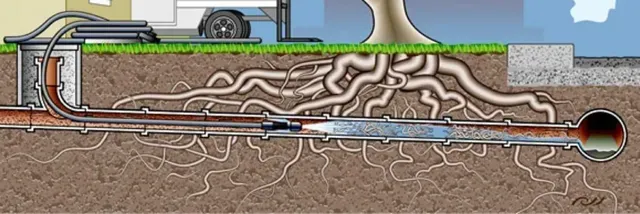
Main sewer lines, which carry wastewater from your home to the municipal system or septic field, endure constant exposure to moisture, debris, tree roots, and shifting soil. Neglect leads to gradual buildup of grease, scale, and organic matter that narrows pipe diameters, eventually causing backups, overflows, and structural failures. Proactive care identifies vulnerabilities like cracks or bellied sections before they escalate into emergencies, saving thousands in repairs. In urban settings with clay or cast iron laterals, maintenance becomes even more critical due to age-related corrosion accelerated by acidic wastewater. Homeowners often overlook these lines until symptoms like gurgling toilets or marshy lawns appear, but consistent upkeep preserves property value and avoids health hazards from sewage exposure. Industry data shows well-maintained systems last 50 to 100 years, compared to premature failure in untreated ones.
Factors Influencing Your Maintenance Schedule
Several variables dictate the ideal frequency, starting with pipe material; PVC and ABS withstand decades with minimal intervention, while older galvanized or orangeburg pipes demand closer monitoring. Soil type plays a role—expansive clays shift seasonally, stressing joints, whereas sandy soils allow root infiltration. High-water usage households, such as those with large families or garbage disposals, accelerate grease accumulation, shortening intervals between services. Proximity to mature trees heightens root intrusion risks, particularly for laterals under 10 feet deep. Local climate influences schedules too; freeze-thaw cycles in northern regions loosen fittings, while heavy rains in wetter areas test seal integrity. Property age provides a baseline—homes built before 1980 typically require more frequent checks. Customizing based on these factors prevents over-servicing newer lines or underestimating risks in legacy systems.
Recommended Inspection Intervals
Video camera inspections serve as the cornerstone, recommended every one to two years for homes over 25 years old, or every three years for newer constructions. These scoping sessions reveal hidden defects like joint separations, scale buildup, or invasive roots without invasive digging. Annual visual checks of cleanouts and yard easements spot surface indicators early. For high-risk properties near vegetation, quarterly external surveys during growing seasons supplement internal views. The frequency of professional drain cleaning ties into this rhythm; moderate-use homes benefit from annual hydro-jetting or snaking, while low-flow setups extend to biennial treatments. Pairing inspections with cleaning maximizes efficiency, as technicians can clear minor blockages immediately upon discovery.
Routine Cleaning Protocols
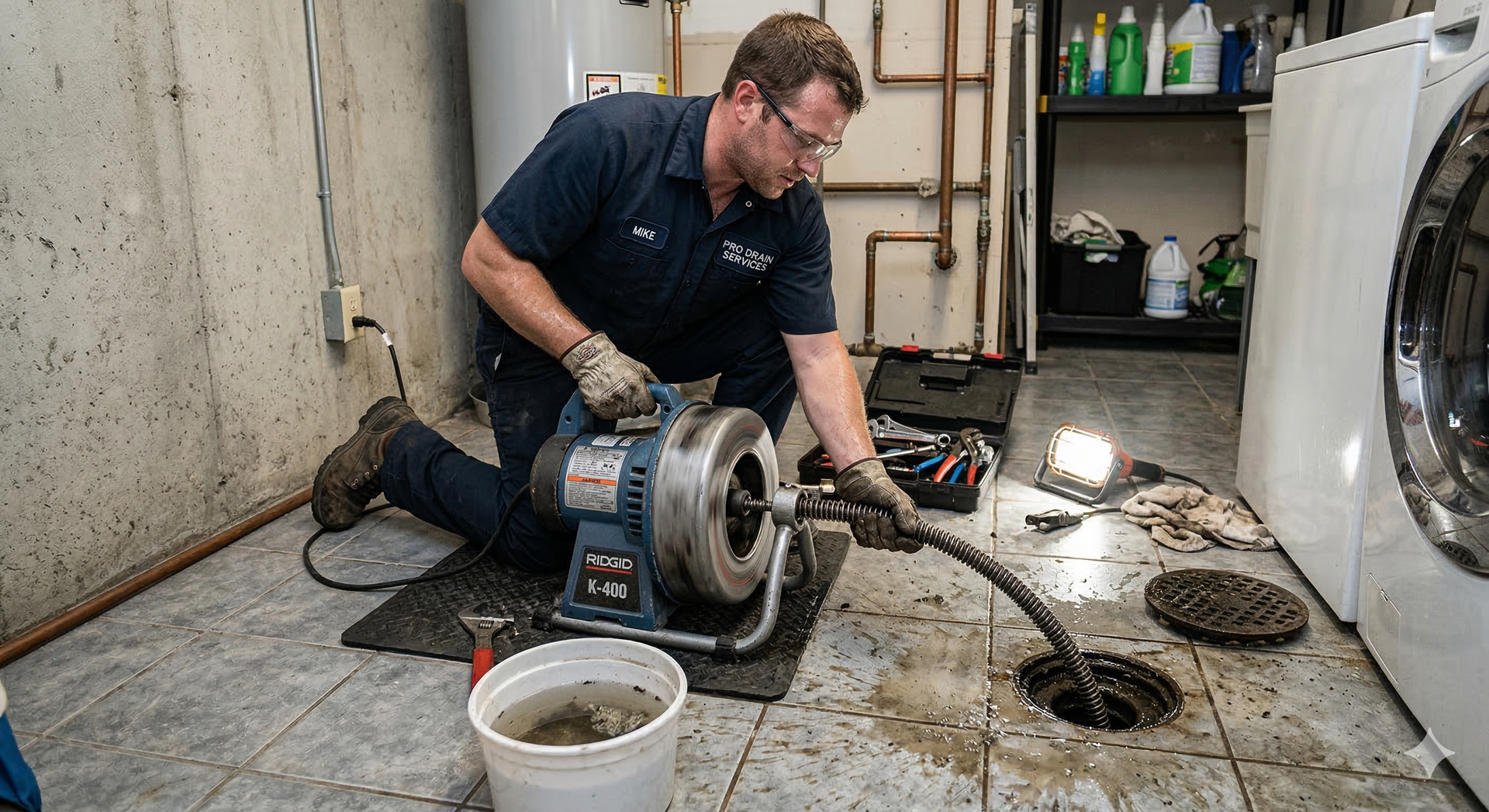
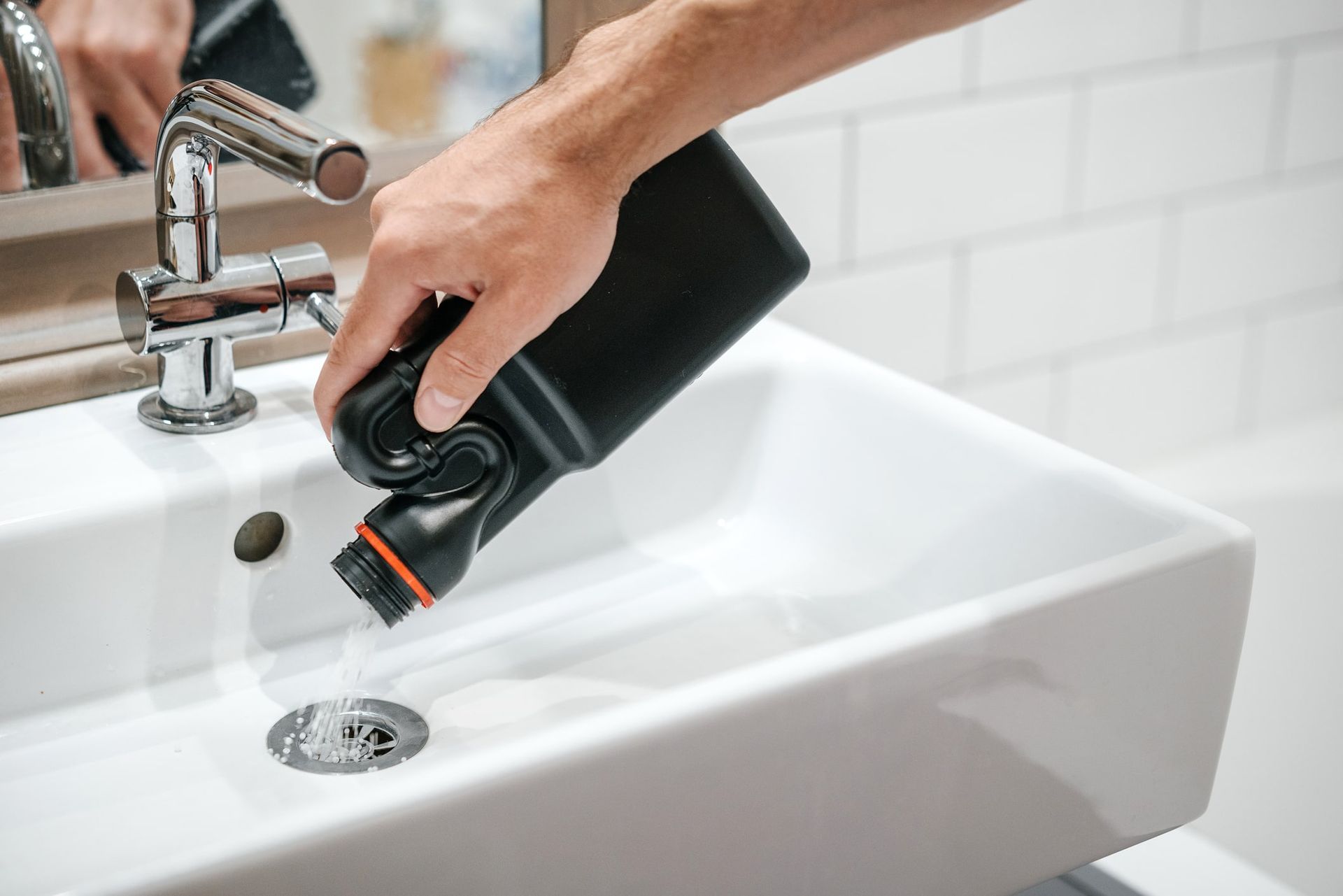
Mechanical snaking every 12 to 18 months clears soft debris like wipes and food waste, using flexible cables to navigate bends without pipe stress. Hydro-jetting follows every two years for thorough wall scouring, blasting away mineral deposits at controlled pressures. Enzyme treatments applied monthly digest organics proactively, fostering beneficial bacteria that break down grease naturally. Avoid chemical drain cleaners, as they corrode interiors over time. Seasonal flushes with boiling water or baking soda solutions maintain flow in upper laterals. Professional services like those from All City Plumbers integrate these steps seamlessly, often bundling them for cost efficiency.
Addressing Tree Roots and Vegetation Threats
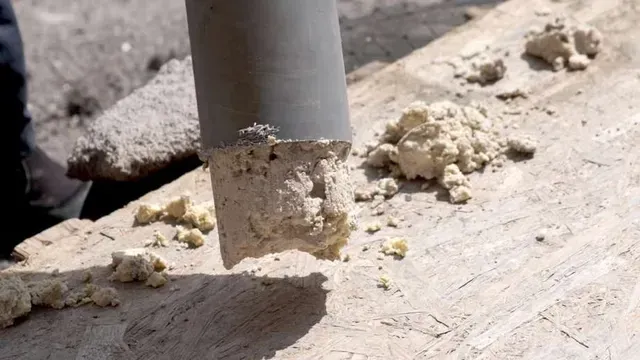
Roots account for 40 percent of sewer blockages, drawn to pipe leaks for moisture. Install root barriers during landscaping to deflect growth from lines. Chemical foaming agents, applied biannually, kill intrusions at entry points without excavation. For severe cases, mechanical root cutting every six months shears dense mats, followed by preventive barriers. Copper sulfate crystals flushed quarterly deter regrowth in septic-adjacent systems. Regular tree trimming keeps canopies from shading lines, reducing moisture-seeking behavior.
Monitoring for Early Warning Signs
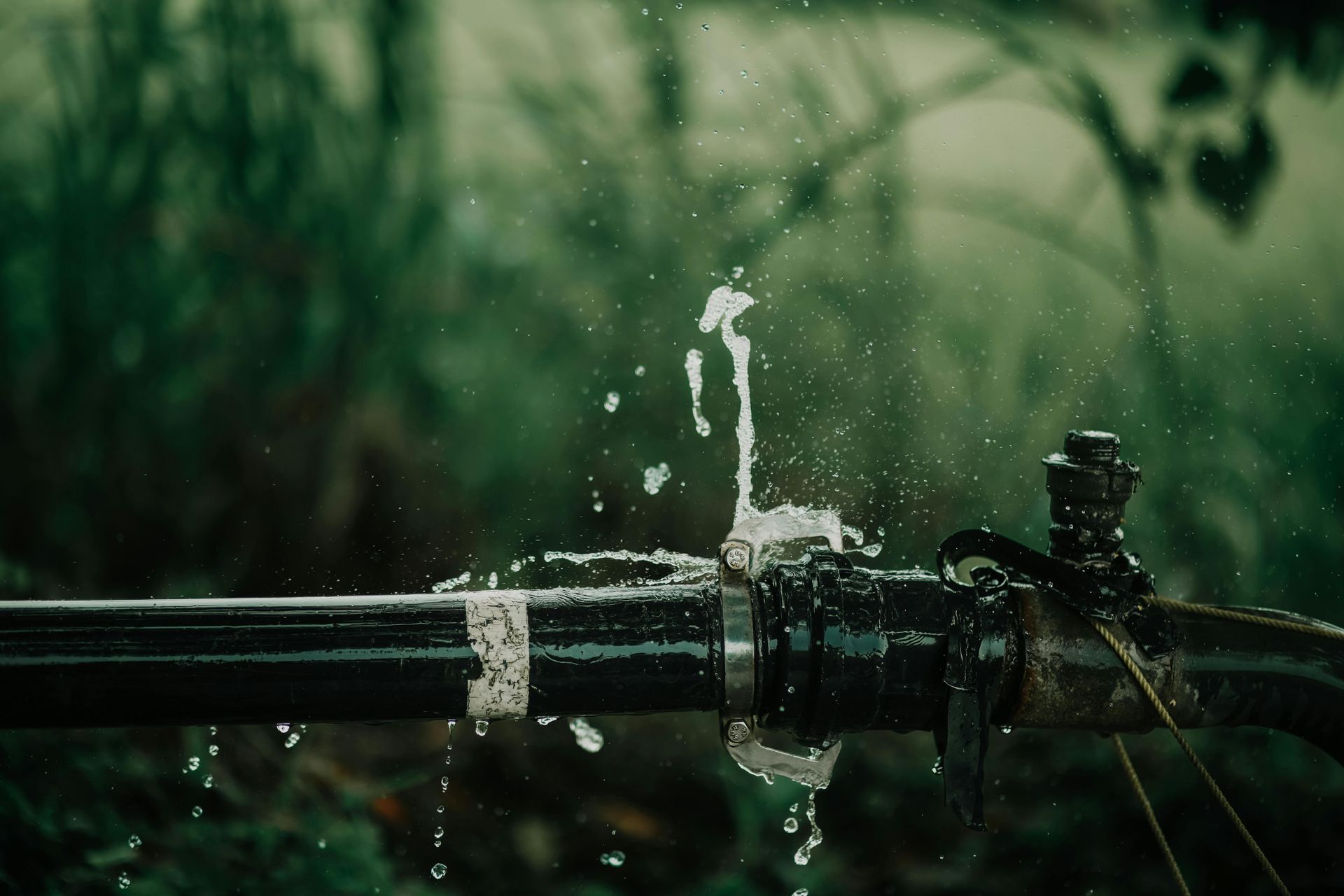
Homeowners should log subtle cues like slow drains across multiple fixtures, foul odors from unused drains, or lush grass patches over the line path. Gurgling sounds during flushes or toilet backups during showers indicate downstream restrictions. Wet spots or sinkholes signal breaches. Install backwater valves and cleanout caps for quick access. Monthly flow tests—timing drain emptying—track progressive narrowing. Smart sensors in modern setups alert via apps to pressure drops.
Advanced Preventive Technologies
Epoxy pipe lining every five to ten years seals cracks internally, creating a seamless barrier against leaks and roots. Cured-in-place pipe (CIPP) relining rehabilitates collapsed sections affordably. Sewer line replacement emerges as the ultimate safeguard for pipes over 60 years old or with multiple failures, using trenchless methods to minimize disruption. Flow monitors and remote cameras provide ongoing data. Water softeners reduce scaling from hard water.
Conclusion
Basic inspections run $200 to $400, cleaning $300 to $600, with linings at $80 to $150 per foot. Delaying until failure multiplies expenses tenfold via excavation. Annual maintenance budgets of $500 yield returns through avoided floods and fines. Insurance discounts often apply for documented schedules.
In conclusion, a tailored maintenance schedule—balancing inspections, cleanings, and preventives—safeguards main sewer lines against inevitable wear. Homeowners investing in vigilance enjoy uninterrupted service, lower costs, and peace of mind for generations.