Hydro Jetting Risks to Old Pipes and When to Involve a Plumber
Hydro jetting represents a highly effective drain cleaning technique, utilizing high-pressure water streams to clear stubborn blockages, grease buildup, and sediment from pipe interiors. However, this same force that makes it effective also introduces significant risks—particularly for aging or compromised plumbing infrastructure. Older pipes, especially those made from clay, cast iron, or deteriorated PVC, may have weakened walls, cracks, or joint instability that can be exacerbated or even ruptured under intense pressure.
Understanding these risks is critical before opting for hydro jetting. A thorough assessment—often involving camera inspections—helps determine whether the system can withstand the process or if alternative methods are more appropriate. Knowing when to engage professional services ensures that the procedure is executed with the correct pressure calibration and technical oversight. This approach not only enhances cleaning effectiveness but also safeguards the structural integrity of the plumbing system, reducing the likelihood of unintended damage and costly repairs.
Understanding Hydro Jetting Basics
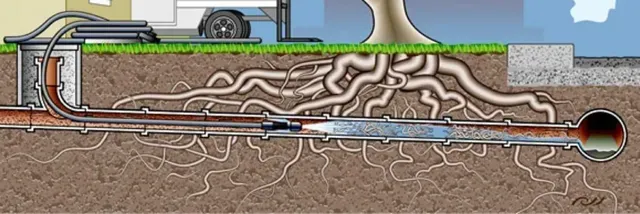
Hydro jetting uses a specialized hose equipped with a high-pressure nozzle that blasts water at forces ranging from 3,000 to 4,000 pounds per square inch to scour pipe interiors. This method excels at removing stubborn buildup like grease, scale, minerals, and debris that standard snaking might miss, propelling water in multiple directions to clean the full circumference of the pipe. Technicians typically insert the jetter through an access point like a cleanout, advancing it slowly while the pump delivers a continuous stream capable of cutting through roots or compacted sludge. The process often incorporates a camera beforehand to map the line and avoid surprises, with water recycling systems minimizing waste in modern setups. While highly effective for commercial kitchens or multi-family dwellings with chronic grease issues, hydro jetting requires precise control over pressure settings, as excessive force can propel loosened debris downstream or erode fittings. Its thoroughness extends pipe life when applied judiciously, but mismatched application to fragile systems invites disaster.
Vulnerabilities of Old Pipes to High-Pressure Cleaning
Older plumbing, particularly from the mid-20th century or earlier, features materials like galvanized steel, cast iron, or orangeburg pipe that degrade over decades through corrosion, sediment accumulation, and ground shifts. These pipes often hide hairline cracks, bellied sections, or weakened joints from tree root pressure and soil chemistry, making them susceptible to the shearing action of hydro jet streams. Water at extreme velocities can widen micro-fractures into full splits, dislodge rust flakes that clog downstream traps, or even collapse thin-walled sections entirely, leading to leaks or complete failures. Clay tile sewers, common in pre-1970s homes, prove especially brittle; their unglazed interiors absorb moisture unevenly, amplifying stress from jet blasts that might otherwise rinse smooth PVC. Internal diameters narrow over time from scale, forcing higher localized pressures that exacerbate vulnerabilities. Statistics from plumbing industry reports indicate that improper jetting accounts for up to 15 percent of emergency pipe bursts in legacy systems, underscoring the need for preemptive assessments.
Specific Risks and Potential Damages
The primary dangers include hydraulic shock waves that travel through standing water, rattling joints loose or popping seals in sweat-soldered fittings. Abrasive particles in the wastewater can act like sandblasting, polishing away protective linings and accelerating future corrosion. In galvanized lines, jetting dislodges decades of zinc plating, exposing bare steel to rapid oxidation and pinhole leaks. Root-intruded pipes face compound threats, as severed fibers swell upon rehydration, potentially blocking restored channels. Electrical grounding faults arise if jets breach pipes near wiring conduits, while septic systems suffer bacterial die-off from chlorinated municipal water surges. Post-jetting inspections frequently reveal bellied sags worsened by water weight or displaced sediment, complicating gravity flow. These cascading effects often manifest hours or days later, turning a routine service into a full excavation job with costs escalating from hundreds to thousands of dollars.
Signs That Your Pipes Cannot Handle Hydro Jetting
Homeowners should watch for sluggish drains confined to one fixture, metallic tastes in water, or low pressure from multiple taps, all hinting at internal decay unfit for aggressive cleaning. Visible rust stains around drains, frequent minor leaks patched with tape, or sewer odors without obvious clogs signal material fatigue. Age alone raises red flags; pipes over 40 years old warrant caution unless recently inspected. Gurgling across plumbing zones or backups during heavy rain suggest sags or cracks primed for worsening. Expansion tanks play a critical role in older water systems, buffering pressure spikes that could mimic jetting stresses during normal operation, but their absence or failure amplifies risks in hot water lines tied to drains. A professional camera scope remains the gold standard for confirmation, revealing unseen weaknesses before irreversible harm occurs.
Safer Alternatives for Fragile Plumbing Systems
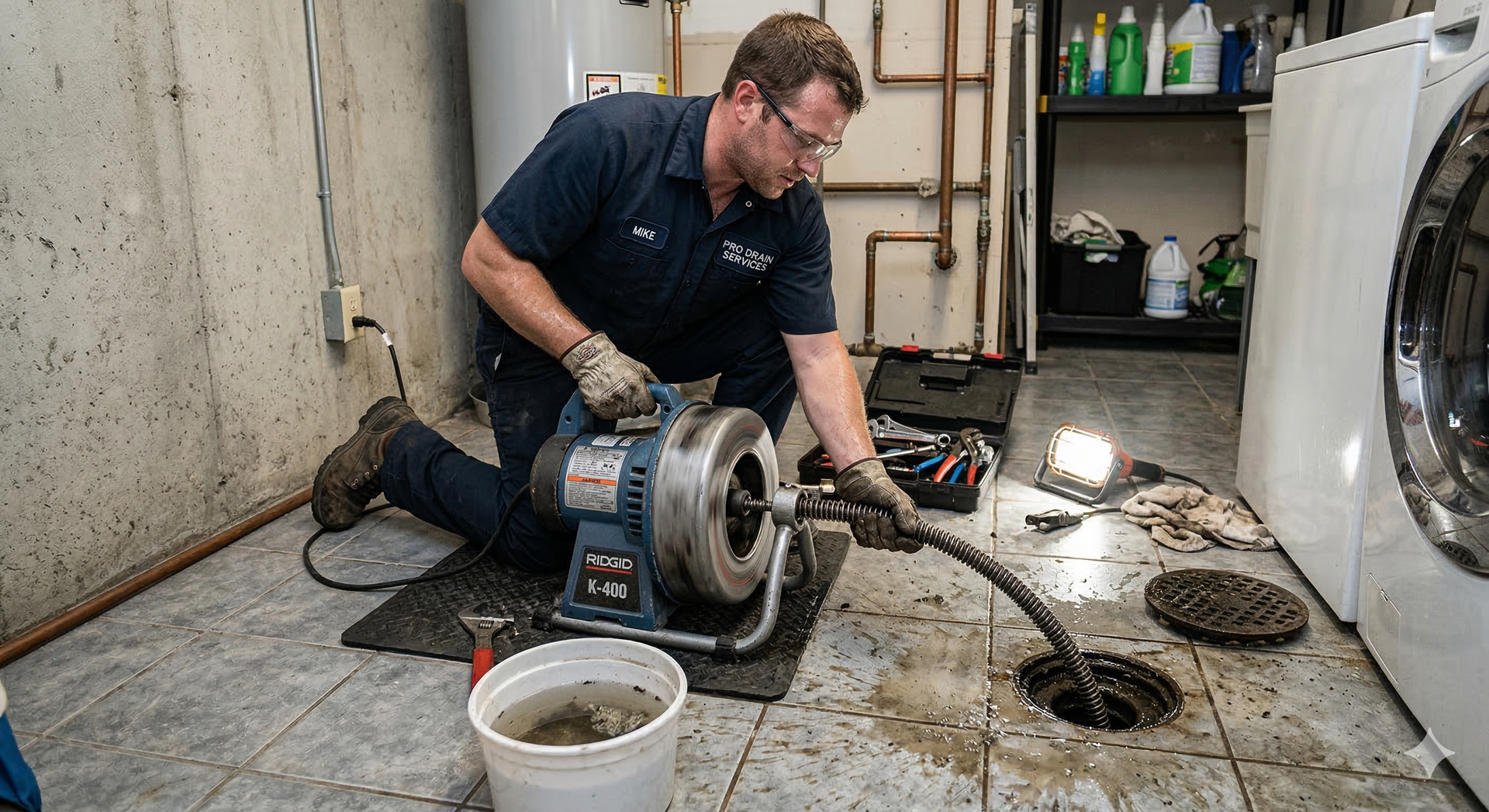
For delicate old pipes, mechanical snaking with soft auger heads offers a gentler scrape, boring through clogs without water force. Chemical drain openers, used sparingly, dissolve organics over hours rather than minutes, though they demand ventilation and pipe compatibility checks. Enzyme-based treatments foster natural bacterial breakdown weekly, ideal for ongoing maintenance without abrasion. Manual rodding suits short runs like sinks, while powered sectional machines navigate bends precisely in cast iron. Hydro-jetting at reduced pressures—under 1,500 PSI—serves as a compromise for moderately aged PVC, paired with pre-flushing to clear loose debris. Companies like All City Plumbers integrate these options seamlessly, tailoring approaches to diagnostics for minimal disruption.
When to Involve a Professional Plumber Immediately
Call a plumber at the first hint of multi-fixture slowdowns, sewage backups, or wet yard spots near the main line, as these bypass DIY fixes and demand expert intervention. Persistent clogs after basic plunging indicate deeper issues unfit for amateur jetting rentals, which lack calibration for home pipes. Noisy operation or vibrations during any cleaning signal imminent failure, requiring shutdown and pro evaluation. The frequency of professional drain cleaning depends on usage; busy households benefit from biannual services, while low-flow homes stretch to yearly to preempt hydro jetting necessities. Professionals bring liability insurance, warranty-backed tools, and post-service guarantees absent in self-attempts.
Conclusion
Regular camera inspections every two years map deterioration early, guiding non-invasive repairs like epoxy lining that seals cracks internally. Insulating exposed pipes curbs thermal expansion, while root barriers deter invasions near laterals. Biodegradable cleaners monthly keep grease at bay without residue. Upgrading to PEX or copper in phases modernizes weak spots affordably. Water softeners mitigate mineral scaling, extending viability.
In conclusion, while hydro jetting transforms stubborn blockages, its risks to old pipes necessitate caution through diagnostics and alternatives. Engaging skilled plumbers at warning signs preserves infrastructure, averting catastrophic failures and promoting sustainable plumbing health for years ahead.