Why Minor Drips Become Major Plumbing Disasters?
Minor drips often indicate deeper vulnerabilities within a plumbing system that extend beyond simple surface-level wear. These small leaks can result from deteriorating seals, hairline cracks, or pressure inconsistencies within pipes and fixtures. If left unaddressed, even a slow drip can gradually erode surrounding materials, weaken pipe integrity, and disrupt internal pressure balance. Over time, this continuous stress can expand minor faults into more severe issues, including joint failure, pipe bursts, and hidden water damage within walls or flooring.
Recognizing and addressing these early warning signs enables homeowners to take timely corrective action before the problem escalates. Prompt repairs not only prevent unnecessary water waste but also protect structural elements from moisture-related deterioration such as mold growth, wood rot, and foundation weakening. By treating minor leaks as indicators rather than inconveniences, homeowners can maintain system stability, reduce long-term repair costs, and preserve the overall reliability of their plumbing infrastructure.
The Science Behind Drips and Initial Damage
A drip originates from worn washers, corroded seals, or mineral-encrusted valves where fittings no longer form watertight bonds. Each drop represents about 1/20th of a gallon, seemingly trivial, but over 24 hours, a single faucet leak wastes up to 20 gallons, straining municipal supplies and inflating utility statements. Water's persistent contact softens surrounding materials—rubber gaskets swell and degrade, metal surfaces oxidize into rust, and adhesives in glued joints weaken under hydrolysis. In walls or under slabs, concealed drips foster mold colonies within 48 hours, releasing spores that compromise indoor air quality. Pressure fluctuations from leaks accelerate fatigue in adjacent pipes, creating micro-cracks that propagate under cyclic stress. This initial phase sets a chain reaction, as dripping water carries dissolved minerals that recrystallize downstream, hardening into scale that narrows passages and spikes system demands.
Escalation Through Erosion and Corrosion
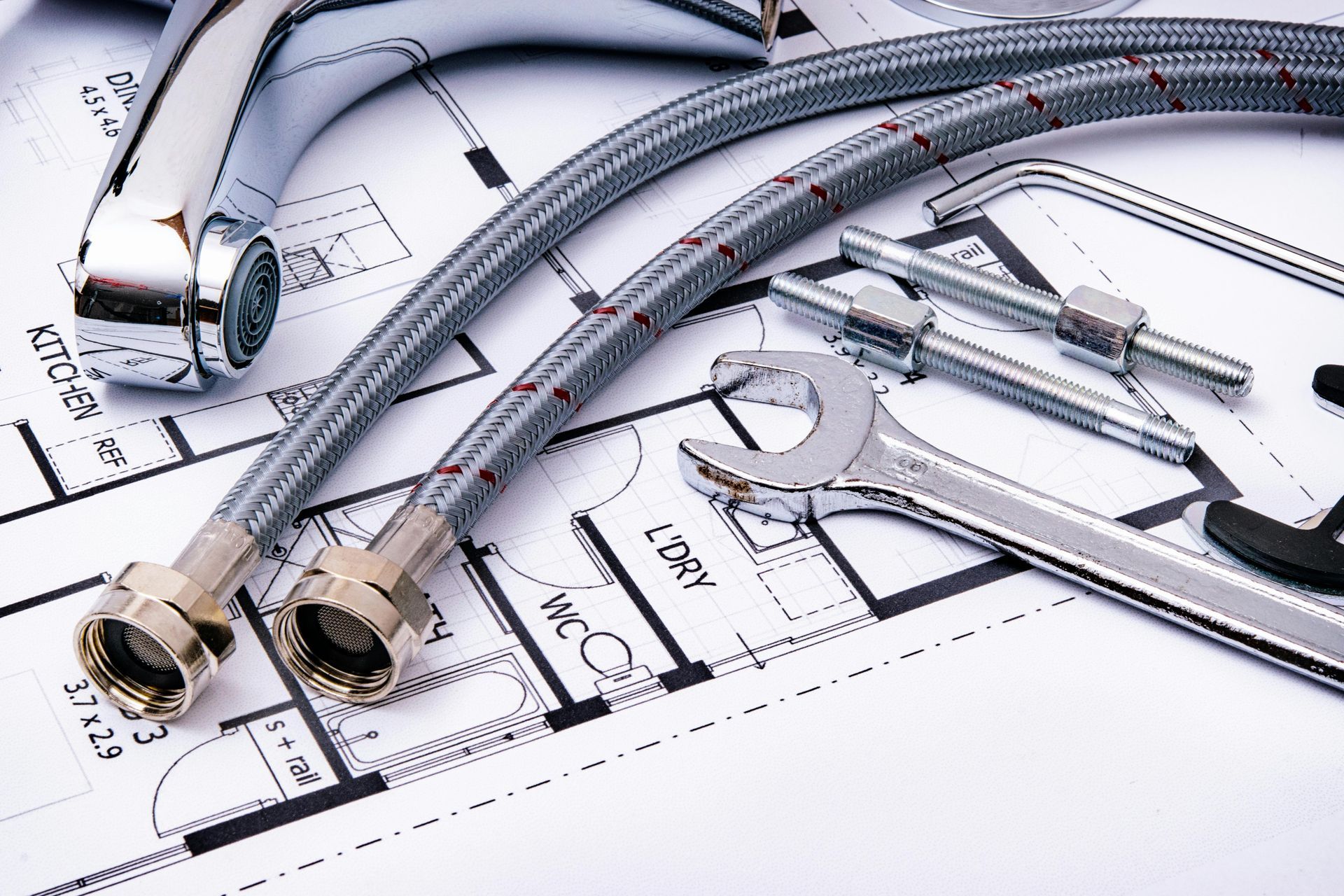
Unchecked drips evolve into steady streams via turbulent flow that scours interiors, thinning pipe walls much like a river carves canyons. Galvanized steel, common in pre-1980s homes, succumbs fastest; zinc coatings flake away, exposing iron to galvanic corrosion that pits surfaces at rates exceeding 1/32 inch annually. Copper lines fare better but develop pinhole leaks when acidic water—often from well sources—erodes protective patinas. Flexible supply lines with braided stainless exteriors hide internal delamination, where oscillations from drips fray polymer liners until bursts occur. Under slabs, erosion undermines concrete footings, leading to settlement cracks that admit more moisture. This progressive wear compounds with thermal cycling; hot drips expand fittings unevenly, loosening threads and inviting air pockets that foster bacterial growth. Homeowners notice escalating water bills first, followed by discolored stains or musty odors signaling irreversible material loss.
Water Damage to Structures and Belongings
Moisture from drips seeps into subfloors, drywall, and insulation, reducing structural integrity as cellulose fibers swell and lose tensile strength. Wood framing warps, inviting termite infestations drawn to damp rot, while drywall sags and crumbles under mold's enzymatic assault. In finished basements, carpet padding becomes a sponge, harboring mildew that emits volatile compounds affecting health. Personal items like furniture, electronics, and documents suffer irreparable harm; waterlogged books curl, metals tarnish, and circuit boards short-circuit from mineral residues. Vapor barriers fail under prolonged exposure, allowing capillary action to wick moisture upward through slabs. Insurance claims reveal that 23 percent of homeowner policies stem from such "slow leaks," with average payouts exceeding $10,000 due to demolition for drying and microbial remediation. The hidden spread often spans rooms, turning a bathroom drip into a kitchen ceiling collapse.
Pressure Imbalances and System-Wide Failures
Drips disrupt hydraulic equilibrium, dropping main line pressure and starving fixtures of adequate flow. Compensatory mechanisms like pressure regulators strain, overheating and failing prematurely. Downstream, reduced velocity allows sediment to settle, forming blockages that mimic clogs but stem from upstream losses. Multi-fixture homes experience cascading effects; a kitchen drip lowers bathroom performance, prompting overuse that fatigues pumps in well systems. Gurgling noises emerge as air entrains through leaks, creating slugs that hammer valves—water hammer that cracks solder joints. Why your sink gurgles after you flush the toilet traces to shared vent disruptions from pressure drops, where vacuum pulls drain traps dry, admitting sewer gases. These imbalances telegraph toward major ruptures, as weakened sections bulge under residual forces.
Health Hazards from Prolonged Neglect
Stagnant drip pools breed legionella and e. coli, aerosolized during showers for respiratory risks. Mold byproducts trigger allergies, asthma flares, and cognitive fog in sensitive individuals. Pathogens migrate through porous materials, contaminating HVAC intakes. Structural rot compromises safety, with sagging joists posing fall hazards. Insurance often denies claims lacking maintenance proof, compounding financial strain amid health interventions.
Financial Ramifications of Ignoring Small Leaks
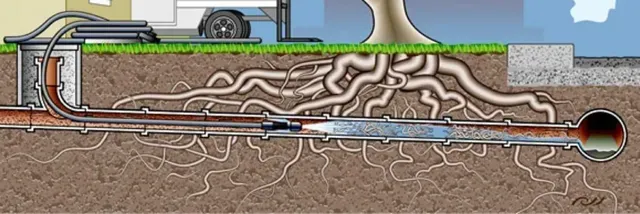
A $5 monthly bill spike from drips balloons to $200 within months as flows double. Professional detection costs $150, but post-escalation repairs hit $5,000 for slab leaks or $20,000 for repiping. Waterline repair and replacement dominates budgets in older neighborhoods, with trenchless methods at $100 per foot still dwarfing early fixes. Lost wages from disruptions and temporary relocations add indirect tolls. Proactive audits save 70 percent versus crisis responses.
Detection Techniques for Early Intervention
Auditory checks at midnight amplify drip rhythms; meter tests with all fixtures off confirm hidden flows. Thermal imaging reveals cold spots on hot lines. Dye tablets trace paths, while pressure gauges log variances. Annual pro scopes inspect mains. Smart meters flag anomalies via apps.
Conclusion
Licensed technicians like those at All City Plumbers deploy ultrasonic detectors and smoke tests for precision. They replace washers preemptively, upgrade to compression fittings, and install leak alarms. Emergency services activate for after-hours drips, containing spread. Bundled audits integrate with calendars for ongoing vigilance.
In conclusion, minor drips evolve into disasters through relentless erosion, pressure chaos, and microbial proliferation, demanding swift action to avert catastrophe. Homeowners armed with detection and professional partnerships transform vulnerabilities into fortified systems, ensuring enduring reliability and tranquility.