How To Maintain Your Outdoor Spigots for Longevity?
Outdoor spigots are essential fixtures that provide convenient access to water for gardening, cleaning, and other outdoor tasks. Proper maintenance of these spigots can prevent leaks, freezing, and costly repairs, ensuring they function well year-round. This detailed guide explores best practices for maintaining outdoor spigots, from routine inspections to winterizing techniques, with expert insights to help extend their lifespan.
Understanding Outdoor Spigot Basics
Outdoor spigots, also known as hose bibs or faucet taps, are water supply valves installed on the exterior of homes. Their exposure to weather elements makes them susceptible to damage such as frost cracking, rust, and wear. Knowing the type of spigot you have—such as standard, frost-proof, or anti-siphon—can guide appropriate maintenance techniques. Frost-proof spigots, for example, have longer stems designed to keep water flowing away from colder outdoor temperatures.
Regular Maintenance Practices
Routine inspection is critical in spotting leaks, corrosion, or deterioration early. Regularly check for drips around the handle and hose connection, as well as signs of rust forming on metal components. Tightening loose fittings and replacing washers or gaskets can often resolve minor leaks before they worsen.
Cleaning the spigot screen, which prevents debris from entering the water supply, improves flow and prevents clogs. It’s advisable to remove the screen periodically and clean it gently with a brush and water.
Insulating the exposed pipework attached to outdoor spigots is vital in colder climates. Foam pipe insulation sleeves or heat tape protect against freezing, reducing the risk of burst pipes. When winter approaches, shutting off the shutoff valve inside the home that supplies the outdoor spigot and draining the remaining water from the outdoor faucet are essential preventive steps.
Addressing Common Issues
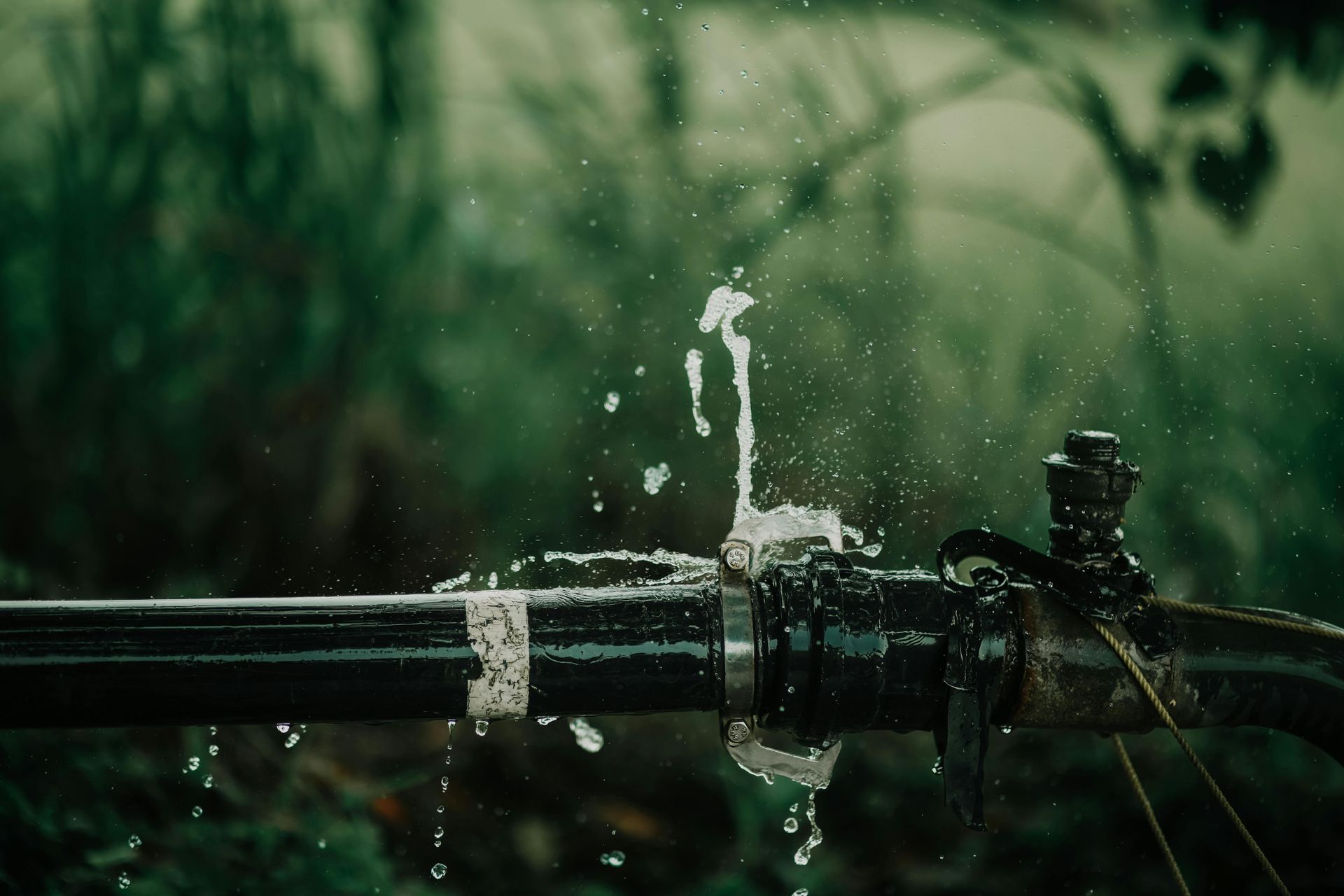
Leaking spigots often stem from a worn packing nut or damaged washers. Replacing these components or the entire spigot may be necessary depending on damage extent. In cases of low water pressure at outdoor faucets, checking for blockages or sediment buildup inside the pipes is recommended.
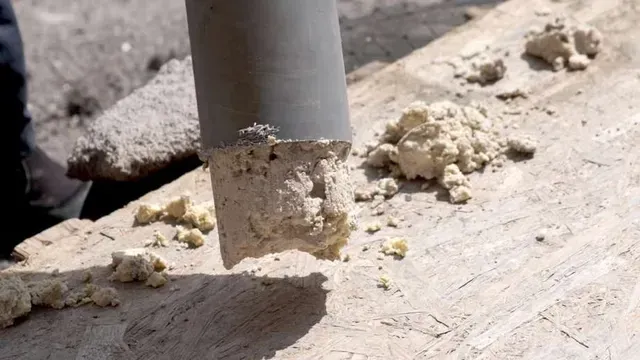
Burst pipes in spigot lines are a severe consequence of freezing. Should this occur, immediately turn off the main water supply and contact professionals.
Professional Plumbing Support
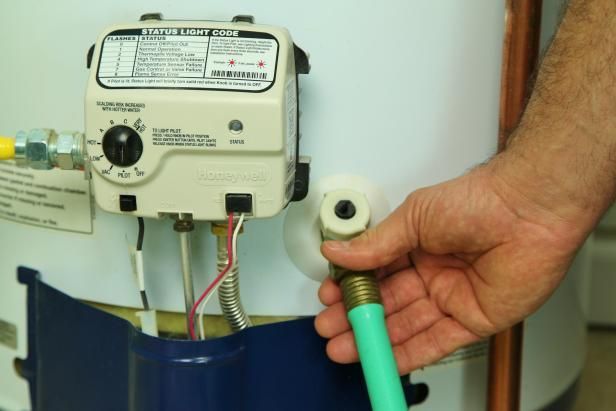
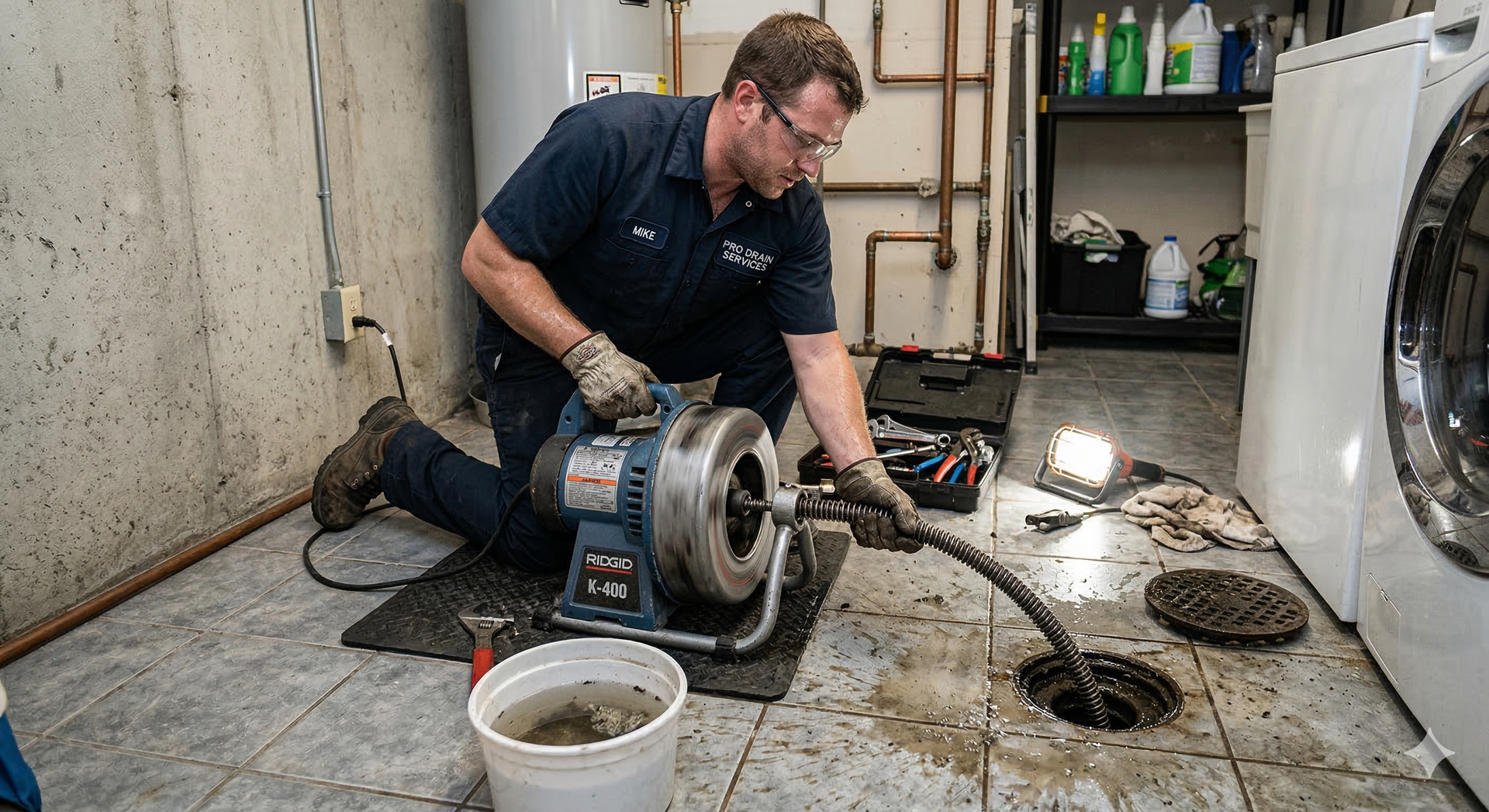
For complicated repairs, or to ensure comprehensive seasonal preparation, hiring licensed plumbers like All City Plumbers is prudent. Professional services can efficiently perform tasks such as waterline repair and replacement, and check the broader plumbing system, including indoor connections like the garbage disposal or water heater. Proper maintenance contributes to preventing sediment buildup in water heater tanks and prolongs the life of your plumbing system.
Conclusion
Maintaining outdoor spigots involves routine inspections, cleaning, insulation, and timely repairs. By incorporating these practices, homeowners can prevent water waste, avoid costly damage, and enjoy reliable outdoor water access year-round. Partnering with experienced plumbers such as All City Plumbers ensures expert care for your entire plumbing system, both indoors and out.