Homeowner's Guide to Water Pressure Testing & Adjustment
Water pressure plays a critical role in how your plumbing system performs every day. When pressure is within the optimal range, fixtures work smoothly, appliances last longer, and your pipes operate quietly and efficiently. When it is too high or too low, you may face everything from weak showers and slow‑filling toilets to noisy pipes, leaks, and premature wear on plumbing components and appliances.
This homeowner’s guide explains what water pressure is, why it matters, how to test it accurately, and how to adjust it safely. You will also learn when it is better to call a professional plumbing company such as All City Plumbers to diagnose complex issues or make system upgrades.
Understanding Residential Water Pressure
Water pressure is the force that moves water through your pipes and out of your faucets, measured in pounds per square inch (psi). Most homes perform best in the range of about 40 to 60 psi. Below this range, fixtures may trickle instead of flow, and some appliances may not operate correctly. Above it, you risk stressing pipes, valves, and seals, which can lead to leaks and costly damage.
Your water pressure is influenced by several factors, including the municipal supply pressure, the elevation of your home, the layout of your plumbing, and any pressure‑regulating devices installed on your system. Over time, these components can wear, get out of adjustment, or become partially blocked, changing the effective pressure inside your home.
Understanding the basics of water pressure gives you context for the testing and adjustment steps that follow. When you know what “normal” looks like, it becomes easier to spot early warning signs that something is wrong before you experience a major problem.
Signs Your Water Pressure Needs Attention
Your plumbing often gives clues when water pressure is out of balance. Low pressure may show up as weak flow at faucets, slow‑filling toilets, or washing machines that take longer than usual to fill. You might notice one fixture performing poorly or see a more general drop throughout the house.
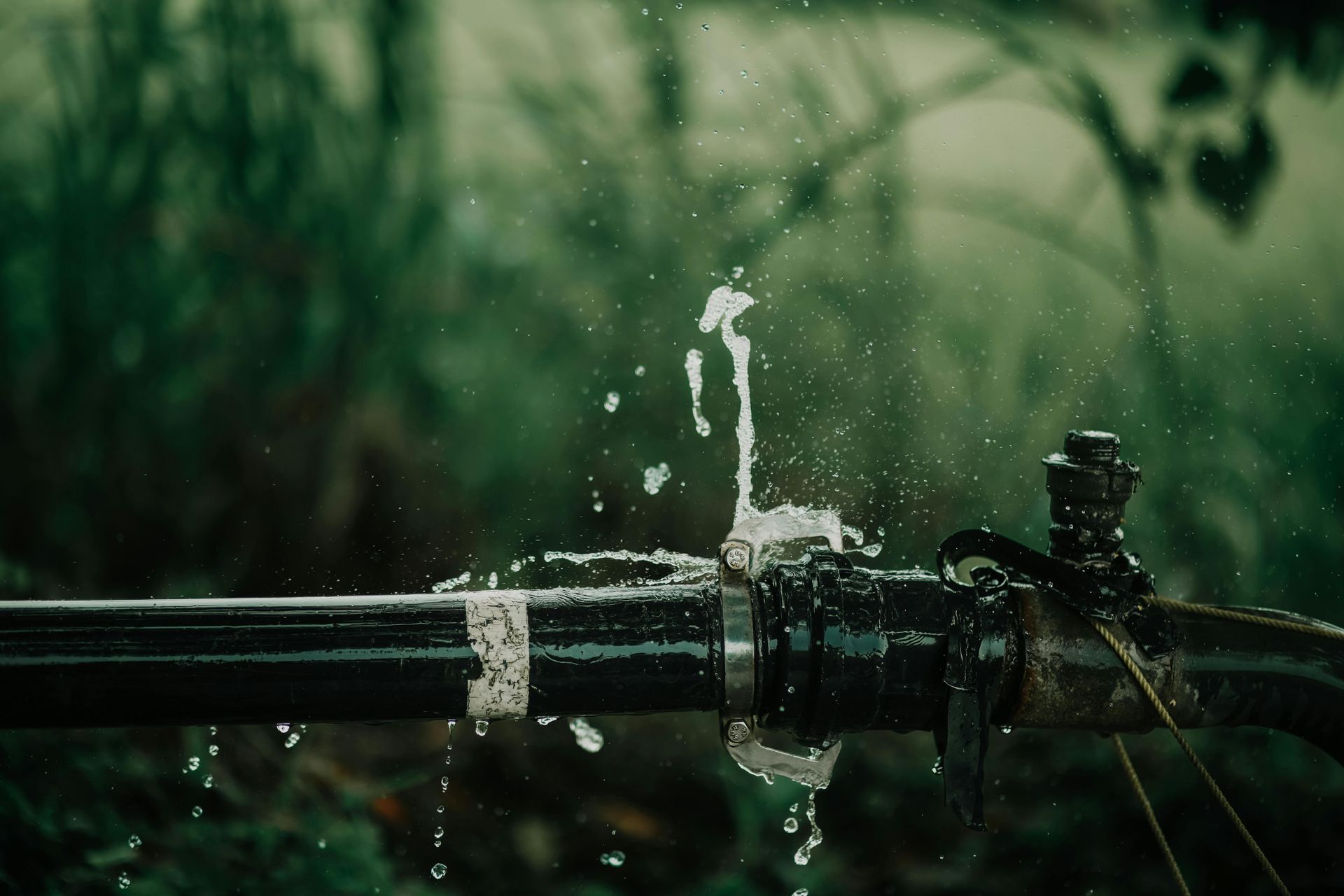
High pressure is sometimes less obvious until damage occurs, but there are warning signs. You may hear banging or knocking noises in your pipes when you turn off a faucet quickly, known as water hammer. You might see frequent leaks at joints, dripping faucets, or premature failure of water heaters and other appliances. Flexible supply lines and seals tend to fail more often when pressure is consistently high.
Sudden changes in performance, such as a noticeable drop in shower strength or a new banging noise, are signals that you should test your water pressure. Regular testing is equally important even without symptoms, because it helps you establish a baseline and catch problems early.
Tools and Safety Preparation for Testing
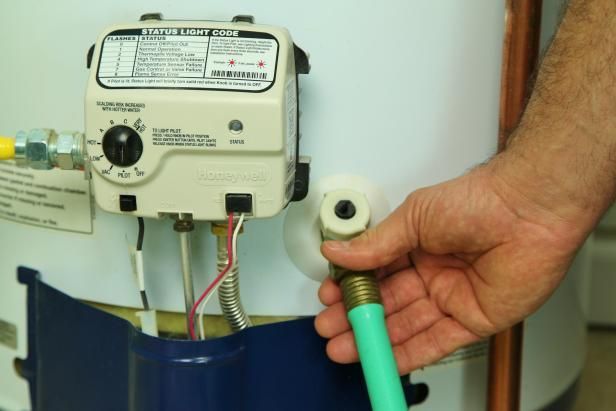
Testing your home’s water pressure is a straightforward task if you have the right tools and take basic safety steps. The primary tool you will need is a simple, screw‑on water pressure gauge. These are designed to connect to threaded hose bibs, laundry faucets, or other standard outdoor spigots and are widely available at hardware and home improvement stores.
Before testing, locate a suitable connection point, such as an outdoor faucet or a laundry sink faucet that ties directly into your main water line. Make sure the fixture is in good condition and that any attached hoses are removed so you can connect the gauge directly. Check the gauge for any obvious damage and verify that the rubber washer inside the fitting is present and in good shape to help prevent leaks during the test.
Although pressure testing is generally low risk, it is smart to be cautious. If you suspect extremely high pressure or have noticed frequent leaks or bursts, consider consulting a licensed plumber before proceeding. In some homes, especially those with older plumbing or complex upgrades like backflow preventers and expansion tanks, professional guidance ensures that testing and any resulting adjustments are done safely and correctly.
How to Test Water Pressure Step by Step
To get a reliable reading, try to test at a time when water demand inside the home is low. Ask family members not to run faucets, showers, dishwashers, or washing machines during the test. The more stable the system, the more accurate your pressure measurement will be.
Start by threading the pressure gauge onto the chosen faucet or hose bib, tightening it by hand until snug. If necessary, use a small wrench to gently secure it, but avoid overtightening, which can damage the fitting or the gauge. Once the gauge is attached, slowly open the faucet fully and watch the needle on the gauge.
After a few seconds, the reading should stabilize. Note the number and compare it to the general residential target range of 40 to 60 psi. If your home is in the 50 to 60 psi range, you are typically in a good spot. Readings below about 40 psi or above 80 psi are cause for concern and warrant further investigation or adjustment.
For a more complete picture, you can repeat the test at different times of day and at more than one fixture, if possible. Consistent readings across multiple tests give you confidence in the results and help rule out temporary fluctuations or localized problems.
Understanding Pressure Regulators and Related Components
Many homes have a pressure reducing valve, often called a pressure regulator, installed on the main water line. This device takes the higher pressure from the municipal supply and reduces it to a safer, more manageable level for your home. Over time, regulators can wear out, accumulate mineral deposits, or drift out of their original setting, causing pressure to rise or fall gradually.
In systems where pressure regulators work alongside backflow preventers or closed‑loop designs, additional components, such as expansion tanks near water heaters, may be present to handle thermal expansion. These parts work together to protect your plumbing from excessive pressure swings, especially when water is heated and has nowhere to expand.
Knowing whether you have a pressure regulator and how it connects to other components is essential before making adjustments. If you are uncertain about what you are looking at near your main shutoff valve or water meter, it is often helpful to consult product labels, building documentation, or a professional plumber to avoid misidentifying critical parts.
How to Safely Adjust a Pressure Regulator
If your water pressure is consistently too high or too low and you have a pressure regulator installed, it may be possible to adjust it. First, locate the regulator, which typically sits just after the main shutoff valve on the incoming water line. It often has a bell‑shaped body with an adjustment screw or bolt on top.
Before making any changes, connect your pressure gauge as described earlier so you can monitor the effect of adjustments in real time. Loosen the locknut on the regulator’s adjustment screw if one is present. Turning the screw clockwise usually increases pressure, while turning it counterclockwise reduces it, but always confirm with the manufacturer’s instructions or markings on the valve.
Make small adjustments, turning the screw only a quarter turn at a time. After each adjustment, allow the system a moment to stabilize and then check the gauge reading. Aim to set the pressure within the recommended range, often around 50 to 60 psi for residential comfort and safety. When you reach the desired pressure, tighten the locknut carefully and recheck the reading to ensure nothing shifted.
If the regulator does not respond to adjustments or cannot maintain a stable pressure, the internal components may be worn out. In this case, replacement is usually the most reliable solution, and many homeowners prefer to have a professional handle that task due to the importance of a secure, leak‑free installation.
Addressing Low Water Pressure Issues
When your test results show consistently low pressure, it is important to confirm whether the issue is affecting the whole home or only certain fixtures. If only one faucet or shower has poor performance, the problem is often localized, such as a clogged aerator, partially closed shutoff valve, or mineral buildup in the fixture itself.
If low pressure is widespread, consider possible causes such as a partially closed main shutoff valve, a malfunctioning pressure regulator, leaks in the system, or supply limitations from the municipality. Inspect visible valves to ensure they are fully open and in good condition. Look for signs of leaks, such as damp spots, unexplained water usage, or constantly running toilets, which can reduce effective pressure and flow.
In some cases, aging pipes with heavy corrosion or mineral buildup can restrict water flow even when pressure is technically adequate. Diagnosing and correcting these problems often requires specialized tools and expertise. A professional plumber can evaluate the condition of your piping, identify hidden restrictions, and recommend solutions ranging from targeted repairs to partial pipe replacements.
Managing High Water Pressure and Its Risks
High water pressure can feel convenient at the faucet, but it is one of the most damaging conditions for your plumbing system. Persistent high pressure puts constant stress on pipe joints, flexible connectors, seals, and appliance components. This can lead to frequent leaks, premature failure of water heaters, and failures in fixtures like faucets and toilets.
If your pressure tests show readings above about 80 psi, you should act promptly. The first step is to verify whether you have a functioning pressure regulator. If you do, attempt careful adjustments as described earlier. If adjustments do not bring the pressure into range or if the regulator appears old or corroded, replacement is likely necessary.
In homes without a regulator, installing a new pressure reducing valve on the main line is the standard solution. This job involves cutting into the main supply pipe and may require new fittings and careful sealing. Because of the importance of a properly installed regulator, many homeowners choose to hire a licensed plumber to ensure the work is performed safely and complies with local codes.
Maintenance, Upgrades, and Preventative Care
Maintaining healthy water pressure is not a one‑time task. Over the years, components such as regulators, shutoff valves, and connectors can wear, corrode, or accumulate mineral deposits. Scheduling periodic pressure tests, for example once or twice a year, helps you confirm that everything is still operating within the desired range.
During routine plumbing maintenance, it is wise to inspect visible valves and supply lines for signs of wear, corrosion, or small leaks. If you see moisture, rust, or cracking on fittings, it may be time to update them. Working with a professional, you can safely replace worn‑out valves and connectors to prevent sudden failures and keep your system operating reliably.
System upgrades are also worth considering, especially in older homes. Installing or replacing a pressure regulator, adding suitable expansion tanks near water heaters, and modernizing piping materials can significantly improve performance and reduce the risk of pressure‑related damage. A thorough evaluation by a professional service, such as All City Plumbers, can identify which upgrades will deliver the most value and protection.
When to Call a Professional Plumber
While basic testing and minor adjustments are within reach for many homeowners, there are clear situations where professional help is the safest and most efficient choice. If you cannot locate a pressure regulator, if adjustments produce unpredictable results, or if your pressure remains outside the safe range despite your efforts, it is time to contact a licensed plumber.
Professionals bring diagnostic tools that go beyond a simple pressure gauge. They can check for hidden leaks, inspect regulators and valves internally, and evaluate the impact of your water pressure on appliances and fixtures throughout the home. They can also handle more complex work such as cutting into main lines, installing new regulators, and ensuring that all connections are secure and code‑compliant.
In addition, a professional plumber can look at the bigger picture of your plumbing system. They can assess whether your pipes, fixtures, and water‑using appliances are sized correctly for your current needs and whether long‑term reliability might be improved with targeted replacements or upgrades. This holistic approach can save you money and inconvenience over time by preventing pressure‑related failures before they occur.
Conclusion
Water pressure testing and adjustment may seem like small tasks, but they have a major impact on the comfort, safety, and longevity of your home’s plumbing system. By understanding what water pressure is, learning how to measure it accurately, and knowing how to adjust or correct problems, you gain valuable control over an important part of your home infrastructure.
Regular testing, careful observation of symptoms, and attention to key components like pressure regulators and valves help keep your system within a healthy range. When issues are more complex or involve working on main lines and critical devices, partnering with a professional plumber ensures the work is done correctly and safely. With a thoughtful combination of do‑it‑yourself awareness and expert support when needed, you can maintain stable, reliable water pressure and protect your home from avoidable plumbing damage.