How To Properly Use The Plumber's/Teflon Tape?
Teflon tape, commonly known as plumber’s tape, is an essential tool in plumbing installations and repairs, ensuring a watertight seal on threaded pipe connections. Its application prevents leaks, guards against corrosion, and facilitates easier assembly and disassembly of plumbing components. This detailed guide explores the proper techniques to apply Teflon tape, explaining its importance and broader context such as how it integrates with modern plumbing tasks, including drain clearing and upgrades like transitioning to a heat pump water heater. Trusted professionals like All City Plumbers emphasize correct use to maximize system reliability and longevity.
Understanding the Purpose and Benefits of Teflon Tape
Teflon tape, technically referred to as PTFE (polytetrafluoroethylene) tape, serves as a thread sealant in plumbing systems. Its non-adhesive, non-stick surface fills small gaps between male and female pipe threads, preventing water or air leaks. Beyond sealing, the tape reduces friction during pipe assembly, helping to protect delicate threads from damage and corrosion.
Unlike other sealing compounds, Teflon tape is resistant to high temperatures and chemical corrosion, making it suitable for various plumbing applications, including potable water, gas lines, and heating systems. Its reliability makes it indispensable for professional plumbers and DIY enthusiasts alike.
Preparing Pipes and Choosing the Right Tape
Proper use begins with preparation. Pipe threads must be clean and dry, free of dirt, grease, or old sealants, which can compromise adhesion and sealing capacity. Using a wire brush or cloth to clean threads before application ensures better tape adherence.
There are different types of plumber’s tapes available, including white general-purpose tape, thicker pink tapes for water lines, and yellow tapes specifically rated for gas pipes. Selecting the correct tape type suited to the application is crucial for safety and effectiveness, especially when performing tasks such as drain clearing or installing components while upgrading to a heat pump water heater.
Step-by-Step Guide to Applying Teflon Tape
The most critical aspect is wrapping the tape correctly on the male pipe threads in the same direction that the pipe will be screwed into its fitting. This clockwise wrapping aligns with the tightening action, preventing the tape from bunching or unraveling during installation.
Start the tape on the second thread to avoid excess tape interfering with the first thread’s seal. Keep the tape taut and smoothly apply it around the threads, overlapping by about half the tape width. Three to five full wraps are sufficient; excessive padding can prevent tight fitting and cause leaks.
After wrapping, smooth the tape with your fingers to adhere fully, ensuring no bunched or loose sections remain. When the pipe is tightened into the fitting, the tape compresses, creating a watertight seal.
Common Mistakes and Troubleshooting
A frequent error is applying the tape in the opposite direction, causing it to unravel as the fitting tightens, resulting in leak risks. Another pitfall is using too much tape, which may prevent proper thread engagement. Equally, applying tape to female threads or already taped fittings is ineffective.
If leaks occur despite correct application, checking for damaged threads or the need for additional wraps is necessary. In persistent cases, consulting plumbing professionals like All City Plumbers is advisable for expert diagnosis and repair.
Integrating Teflon Tape in Broader Plumbing Projects
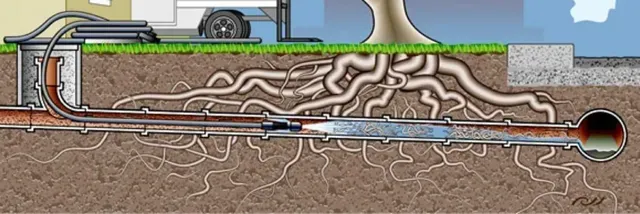
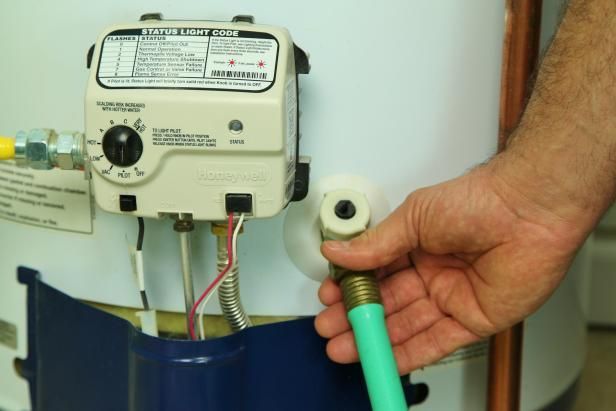
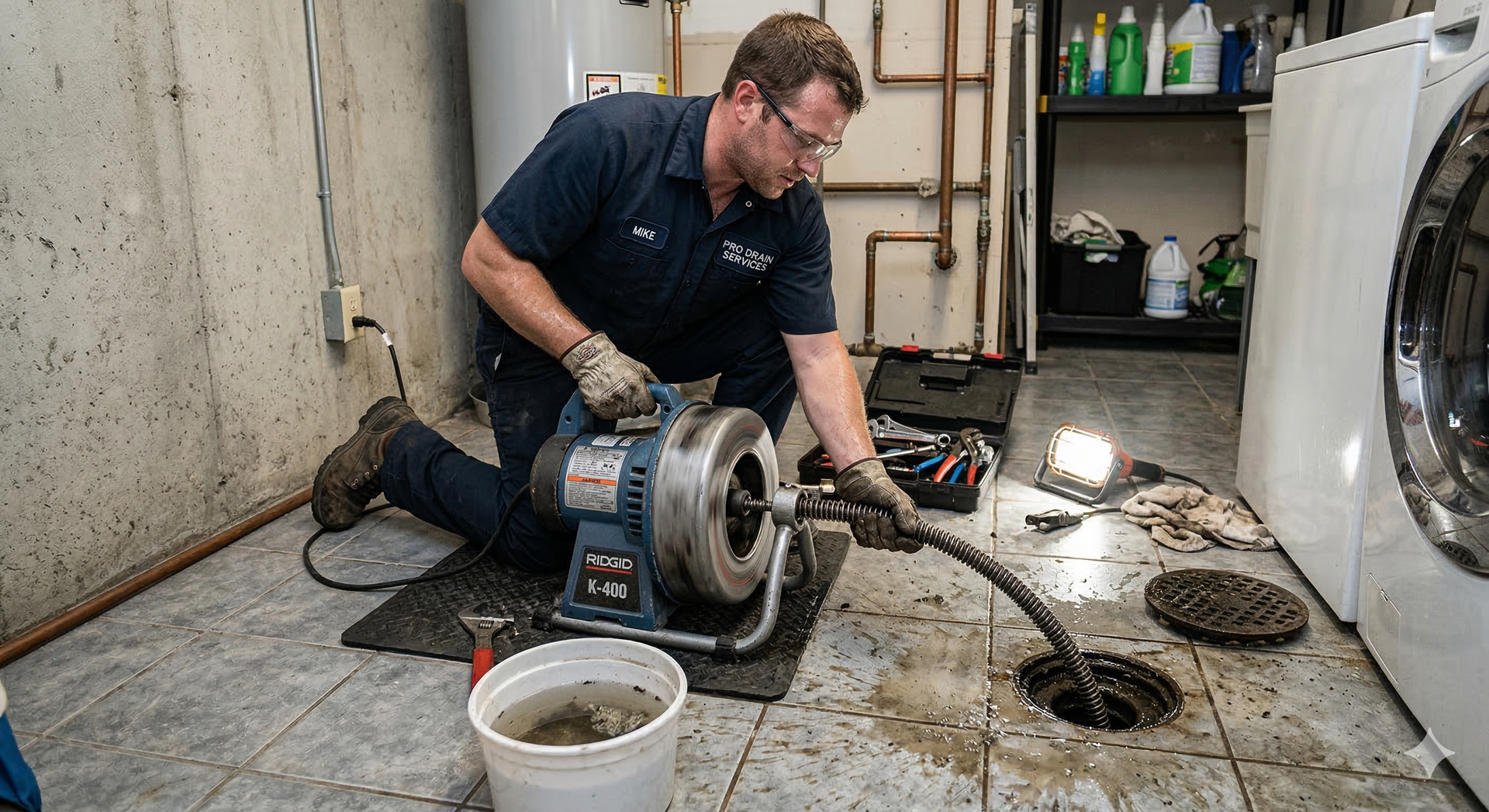
While often viewed as a small accessory, proper use of plumber’s tape plays a significant role in comprehensive plumbing maintenance and upgrades. Whether addressing issues during drain clearing efforts or performing installations related to upgrading to a heat pump water heater, ensuring thread connections are sealed effectively prevents future leaks and system failures.
Professional plumbers rely on Teflon tape as a simple yet highly effective solution in their toolkit, underscoring its importance in overall plumbing system integrity.
Conclusion
Using plumber’s or Teflon tape correctly is vital for creating durable, leak-free threaded connections in plumbing systems. Starting from cleaning threads, choosing the right tape, to applying it in the correct direction with proper tension and overlap, each step ensures optimal sealing performance.
Experienced services like All City Plumbers emphasize this practice, knowing that reliable sealing protects installations from leaks, reduces maintenance needs, and supports the functioning of critical systems, whether in everyday drain clearing or complex upgrades like transitioning to heat pump water heaters. Mastering Teflon tape application is a foundational skill indispensable for plumbers and homeowners alike.