How to Reduce Water Damage While Waiting for Professional Help?
Water damage from plumbing failures can escalate rapidly, turning a minor leak into a major flood that threatens your home's structure, belongings, and health. Burst pipes, overflowing toilets, or malfunctioning appliances release thousands of gallons daily if unchecked, leading to warped floors, ruined drywall, and mold growth within 48 hours. While waiting for professional help—often 30 minutes to several hours in peak demand—homeowners can take targeted actions to contain the spread, minimize saturation, and protect valuables. These steps buy critical time, potentially saving thousands in restoration costs that average $2,000 to $10,000 per incident. Preparation, including knowing your home's main water shut-off location, empowers calm, effective response amid chaos. By acting decisively, you preserve your property's integrity and create optimal conditions for arriving technicians.
Locating and Shutting Off the Water Supply
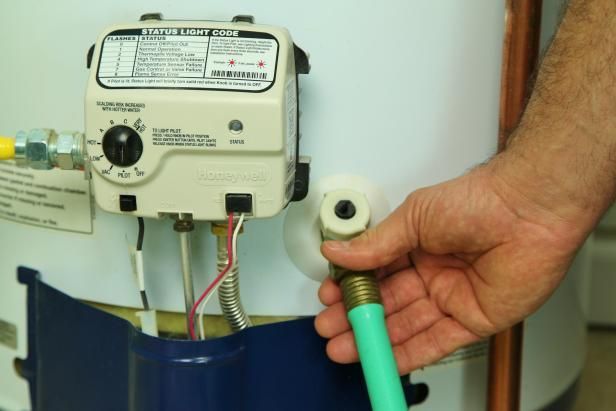
Your first priority in any water emergency is halting the source to prevent further influx. Familiarize yourself with your home's main water valve, typically near the water meter, basement entry, or exterior faucet, and shut it clockwise firmly but gently to avoid pipe stress. For isolated issues like a kitchen faucet spray, use the under-sink valve if accessible. Once off, open all faucets—hot and cold—to drain residual pressure and trapped water from lines, reducing burst risks elsewhere. If the leak stems from your water heater, switch off its cold-water inlet and power source to avoid scalding floods or electrical hazards. This foundational step alone can slash damage by 80 percent, as every minute of flow compounds losses. Label valves clearly for household members, ensuring swift action even in low visibility or panic.
Containing and Removing Standing Water
With the supply secured, focus on capturing and extracting pooled water to limit penetration into floors, walls, and cabinets. Deploy buckets, pots, or absorbent towels strategically around the leak, prioritizing pathways to adjacent rooms or lower levels. For larger volumes, a wet-dry shop vacuum excels, sucking up gallons efficiently without spreading debris—rent one nearby if needed, as they handle sludge better than household models. Elevate furniture legs on blocks or foil-wrapped risers to shield bases from wicking moisture, and roll up rugs to prevent saturation. Direct water toward drains using squeegees or makeshift channels from plastic sheeting. Avoid mopping into carpets, which traps moisture deeper; instead, blot excess first. These containment measures prevent subfloor delamination and electrical shorts, preserving usability while professionals assess structural impacts.
Protecting Belongings and Electrical Hazards
Safeguarding possessions and safety requires immediate relocation and isolation tactics. Move electronics, artwork, and fabrics to higher, dry ground, prioritizing irreplaceable items like photos or documents. Cover vents and outlets with plastic sheeting taped securely to block water migration into walls and HVAC systems, averting mold and system contamination. Unplug appliances near the incident but avoid standing water while doing so—use a dry extension cord from a safe distance if powering tools. Turn off electricity at the breaker for affected zones to mitigate shock risks, confirming with a non-contact voltage tester. For basements, avoid sump pump overuse if overwhelmed, as it strains circuits. Providers like All City Plumbers emphasize these protections during emergency services calls, noting how they facilitate faster, cleaner repairs upon arrival.
Promoting Ventilation and Evaporation
Accelerating drying combats hidden moisture that breeds mold and weakens materials. Position box fans or blowers to create cross-breezes, directing airflow over wet surfaces toward open windows or doors—aim for outward exhaust to expel humid air. Dehumidifiers pull ambient moisture aggressively, targeting below 50 percent relative humidity; run them continuously in sealed rooms for best results. If unavailable, air conditioners on low suffice by condensing vapor. Remove baseboards or soaked panels if safe, exposing cavities to circulation without prying destructively. Avoid heat guns or hair dryers, which evaporate surface water prematurely while trapping interiors damp. Monitor progress with a moisture meter from hardware stores, testing wood and drywall for under 15 percent readings. This proactive drying extends usability and reduces remediation needs, often halving professional drying times.
Documenting Damage for Insurance and Repairs
Thorough documentation strengthens claims and informs pros, transforming chaos into an organized handoff. Snap timestamped photos and videos of the source, spread, and affected items from multiple angles, including pre-mitigation states. Note timelines, water volume estimates, and actions taken in a log, aiding adjusters in proving prompt response. Contact your insurer immediately for guidance, as many cover mitigation efforts like fan rentals. Sketch floor plans marking wet zones to guide extractors precisely. Regular maintenance, such as flushing sediment to extend your water heater life beyond 12 years, prevents many such events, but records validate claims regardless. This step not only expedites reimbursements—often 20 to 30 percent of totals—but ensures arriving plumbers focus on roots without redundant assessments.
Conclusion
Optimal conditions speed resolutions, so clear access paths by moving obstacles and securing pets or family in safe areas. Place a marker like a cone at the shut-off and incident site, with your documentation summary handy. Relay details verbally upon contact—leak type, water volume, and mitigation steps—to prioritize tools like cameras or pumps. Stock basic supplies like gloves and tarps for ongoing containment. Review warranties on appliances involved, as temporary fixes preserve them. These preparations minimize on-site time, cutting labor fees and secondary damage risks.
In conclusion, reducing water damage while awaiting help hinges on swift shut-offs, containment, protection, drying, documentation, and preparation—actions that collectively avert escalation and costs. Mastering these empowers homeowners as first responders, bridging to expert intervention seamlessly. Integrate them into your emergency plan today for resilience against inevitable plumbing surprises.