Emergency Drain Blockages: Immediate DIY Steps to Unclog Fast
Emergency drain blockages strike without warning, turning a simple sink or shower into a frustrating pool of standing water that disrupts your entire day. These sudden clogs often result from everyday buildup like grease, hair, soap scum, or food particles accumulating over time until they form an impenetrable barrier deep within the pipes. The good news is that with the right immediate DIY steps, you can restore flow quickly without waiting for professional help, saving both time and money while preventing minor issues from escalating into costly plumbing disasters.
Understanding the Urgency
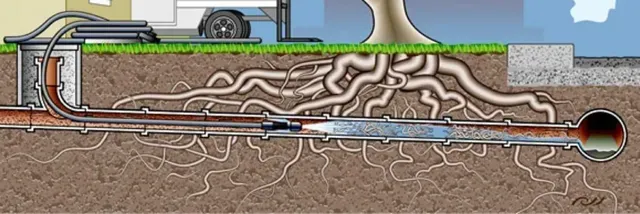
When a drain blocks suddenly, water backs up rapidly, risking overflow onto floors, furniture, and walls, which can lead to slips, stains, and even structural damage if mold takes hold. In kitchens, grease from cooking fats solidifies in cooler pipes, creating a stubborn plug that hot water alone struggles to dissolve, while bathroom drains suffer from hair tangles mixed with toothpaste residue and skin cells. Acting within the first hour is crucial because prolonged stagnation allows bacteria to thrive, producing foul odors and health hazards that permeate your home. Moreover, pressure from backed-up water can strain pipe joints, leading to leaks that demand expensive repairs later. By addressing the problem head-on with proven DIY techniques, you maintain control over your household plumbing and avoid the inconvenience of emergency service calls during peak hours.
Initial Assessment Techniques
Before diving into solutions, carefully evaluate the clog's severity to choose the most effective approach and avoid unnecessary effort. Start by running a small amount of water to observe the backup rate; a slow trickle suggests a partial blockage higher in the drain, whereas complete stagnation points to a deeper obstruction. Check multiple drains—if the kitchen sink and dishwasher both slow, the issue likely stems from the main line under the sink, warranting focused attention there first. Use a flashlight to peer into the drain opening for visible debris like hairballs or food scraps, and note any gurgling sounds or sewer-like smells, which indicate trapped air or organic decay. This diagnostic step, taking just minutes, ensures you target the problem precisely, maximizing the success of subsequent unclogging efforts and preventing repeated attempts that waste time and resources.
Essential Household Tools and Supplies
Stocking your home with basic, inexpensive items positions you for rapid response to any drain emergency, empowering you to act confidently without last-minute store runs. A sturdy rubber plunger forms the cornerstone of your toolkit, ideally one with a flange for sinks and toilets or a flat cup for showers and tubs, as its suction power dislodges clogs through alternating pressure waves. Keep baking soda, white vinegar, and boiling water on hand—these natural agents create a fizzing reaction that breaks down organic matter safely without harsh chemicals that could corrode pipes. A drain snake or flexible wire hanger serves as a mechanical retriever for stubborn hair or objects, while dish soap and salt provide abrasive alternatives for grease-heavy blockages. Having gloves, a bucket for catching overflow, and old towels ready transforms a chaotic scene into a manageable cleanup, ensuring safety and efficiency throughout the process.
Step-by-Step Plunging Method
The plunging technique stands as the first line of defense for most emergency drain blockages due to its simplicity and high success rate on shallow clogs. Begin by clearing standing water to about an inch deep in the sink or tub, then position the plunger directly over the drain to form an airtight seal, pressing down firmly to expel trapped air. Pump vigorously up and down 10 to 15 times, applying more force on the downstroke to generate suction that loosens the obstruction, and pause to check flow by running water. If the initial round fails, add petroleum jelly around the plunger's rim for a tighter seal and repeat, varying rhythm to disrupt compacted debris. This method excels in bathrooms where hair clogs predominate, often clearing passages in under five minutes by physically shifting the blockage toward the pipe's curve. Patience here pays off, as over-plunging risks splashing but steady persistence typically yields a satisfying whoosh of draining water.
Natural Chemical Reaction Approach
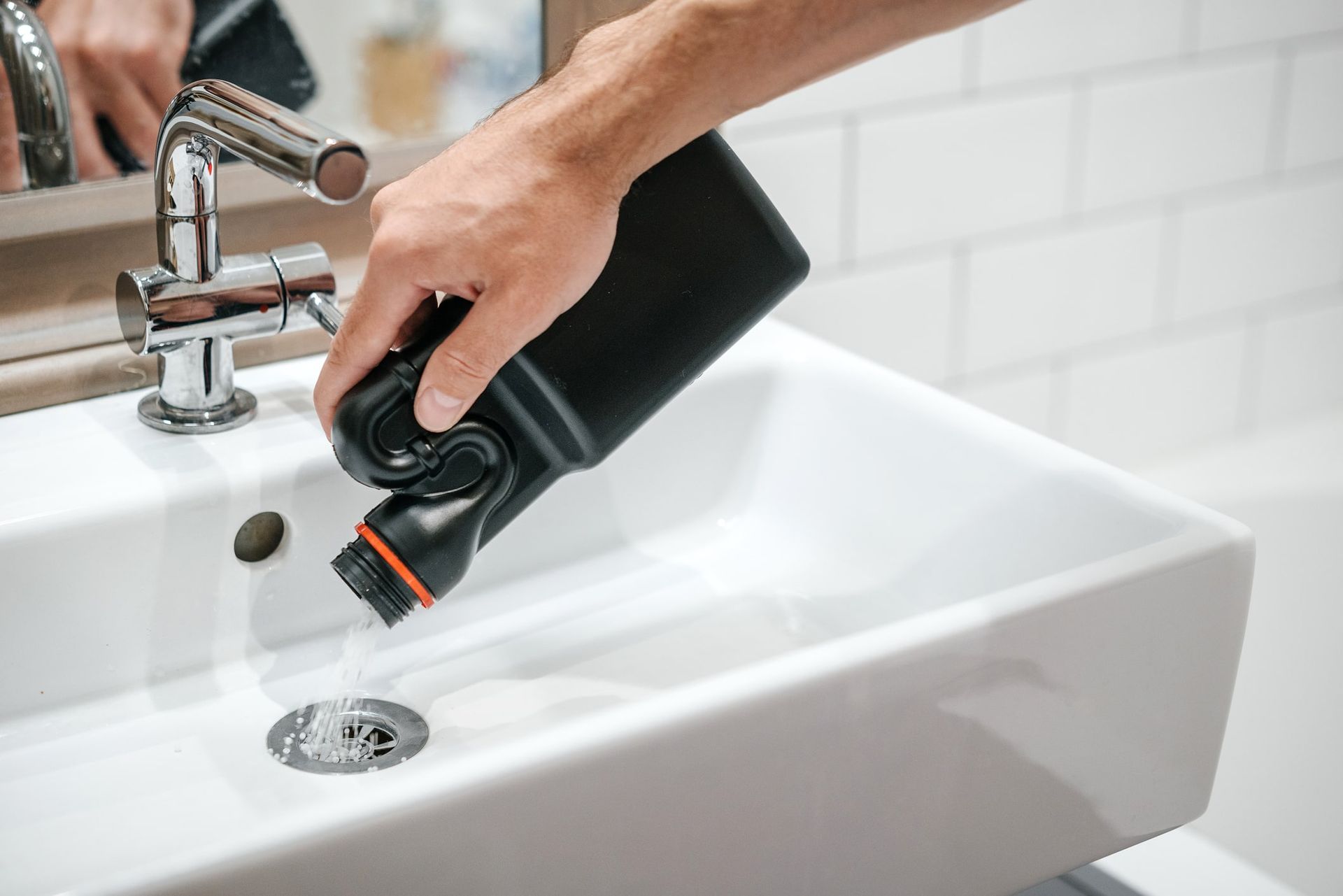
For clogs resistant to plunging, harness the power of a baking soda and vinegar reaction, a time-tested DIY solution that dissolves buildup without damaging your plumbing. Pour one cup of baking soda directly into the drain, followed immediately by one cup of vinegar, which triggers an effervescent foam that penetrates and breaks apart grease, soap, and minor food debris through chemical agitation. Cover the drain with a plug or wet cloth to contain the reaction for 15 to 30 minutes, allowing the mixture to work deeply into the pipes. Follow with a full kettle of boiling water to flush remnants, repeating the cycle if needed for layered clogs. This approach shines in kitchen sinks overwhelmed by oily residues, restoring smooth flow while deodorizing naturally. Services like All City Plumbers often recommend this drain clearing method for its eco-friendliness and effectiveness in preliminary stages before more invasive tools come into play.
Hot Water and Additive Flushes
Sometimes, the simplest fix proves most potent: scalding hot water paired with everyday additives melts away grease-based blockages that plague kitchen drains after heavy meals. Boil several kettles of water while removing as much standing water as possible with a cup, then pour the first batch steadily down the drain to soften solidified fats without splashing. Mix in half a cup of salt or dish soap beforehand to enhance scouring action, as salt's granules abrade pipe walls gently while soap emulsifies grease for easier rinsing. Allow brief intervals between pours to let heat transfer fully, then test with cool water to confirm clearance. This technique addresses why your hot water runs out faster than it should during repeated attempts, as inefficient clogs force excessive flushing; mastering it preserves your water heater's capacity for other household needs. Regular monthly application prevents recurrence, keeping pipes slick and free-flowing year-round.
Mechanical Retrieval Options
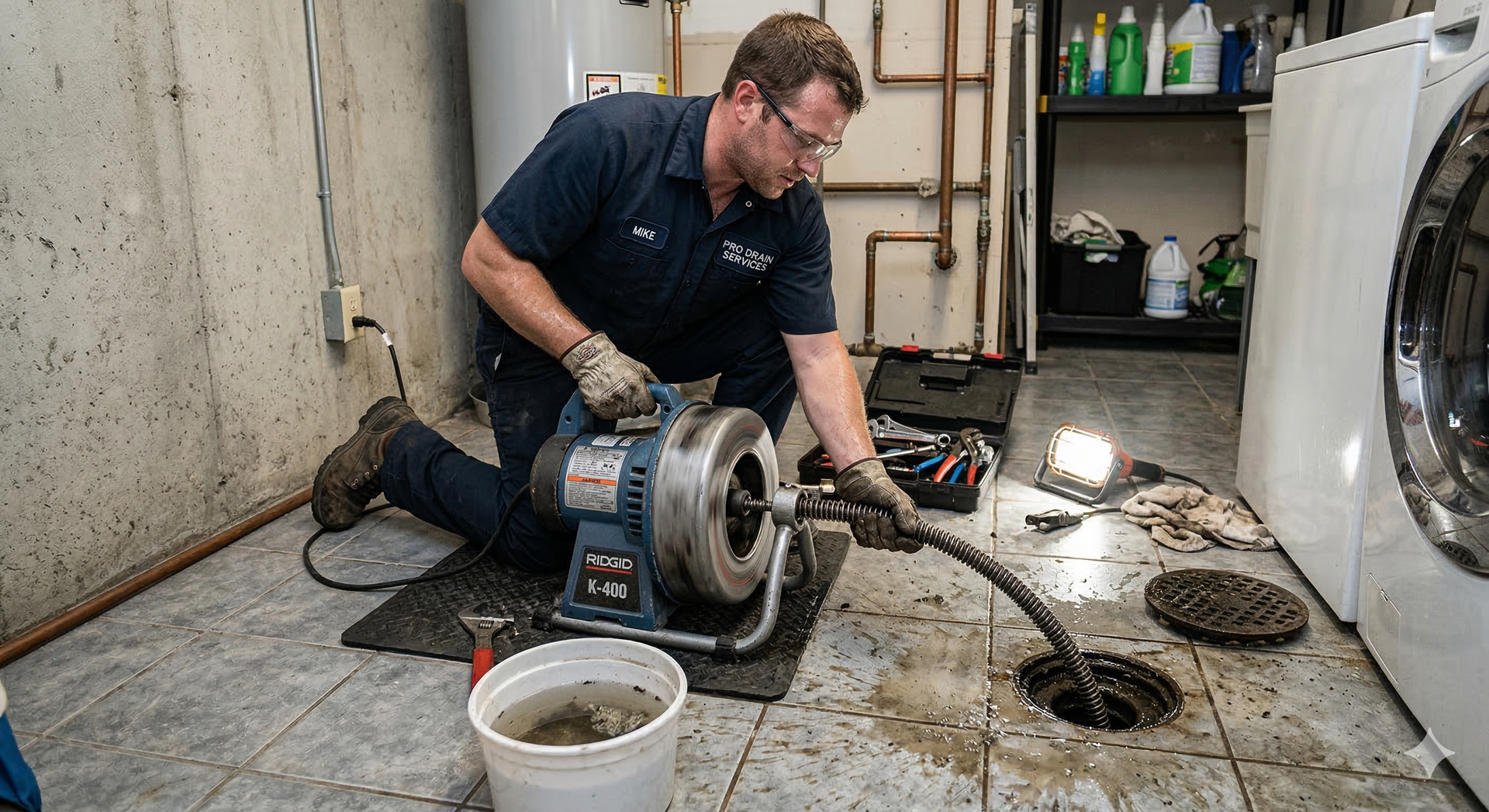
When chemical methods fall short, mechanical tools retrieve solid obstructions like hair or foreign objects lodged beyond reach. Fashion a hook from a wire coat hanger by straightening it mostly while leaving a small barb at one end, then gently feed it into the drain while twisting to snag debris, pulling it out incrementally for inspection. For deeper access, a plastic drain snake from a hardware store weaves through traps without scratching porcelain, rotating as you advance to break up tangles. Wear gloves and work over a bucket to contain extracted gunk, flushing with hot water after each pull to gauge progress. This hands-on strategy suits shower and tub drains where long hair forms dense mats, often succeeding where suction alone fails by physically extracting the culprit.
Conclusion
Beyond immediate fixes, proactive habits safeguard against future emergencies, extending the life of your drains and reducing intervention frequency. Scrape plates before rinsing to minimize food entry, and install mesh screens over sink and tub openings to trap hair and particles effortlessly. Weekly hot water flushes with a splash of vinegar maintain pipe cleanliness, dissolving early buildup before it hardens. Avoid pouring grease down drains by cooling it first in a can for trash disposal, and limit chemical cleaners that erode seals over time. Educating household members on these routines fosters a clog-resistant home, where plumbing hums reliably without surprise disruptions.
In conclusion, mastering these immediate DIY steps equips you to conquer emergency drain blockages swiftly, restoring order with minimal hassle and maximum effectiveness. From plunging basics to natural reactions and mechanical aids, each method builds on the last for comprehensive coverage of common scenarios. By integrating prevention into your routine, you not only unclog fast today but ensure smoother flows tomorrow, keeping your home's plumbing dependable and drama-free.