How to Safely Unclog a Garbage Disposal
A clogged garbage disposal can be an incredibly frustrating experience, disrupting your kitchen workflow and leaving behind unpleasant odors. While it might be tempting to grab the nearest plunger or chemical cleaner, unclogging a garbage disposal requires care to avoid causing damage or injuries. All City Plumbers is here to guide you through safe and effective methods to restore your garbage disposal’s functionality while keeping your kitchen a safe space.
Identifying the Cause of the Clog
Before attempting any fixes, it’s important to determine what caused the clog. Often, the issue arises when unsuitable items are put down the disposal, such as fibrous vegetables, eggshells, grease, or large chunks of food waste. Overloading the disposal or allowing non-food items like silverware or plastic to enter the unit can also lead to blockages. Knowing the culprit can help you approach the problem with the right tools and methods, minimizing the risk of further complications.
"What Foods Should Never Go Down a Garbage Disposal?"
Turn Off the Power for Safety
Safety should always come first when working with any electrical appliance, especially one with sharp, rotating blades. Before examining or attempting to unclog the disposal, ensure the unit is completely turned off. Unplug the disposal from the power source or switch off the circuit breaker connected to it. This simple step eliminates the risk of accidental activation, which could result in severe injuries.
Use a Flashlight to Inspect the Disposal
A quick inspection can reveal the nature of the clog and whether it’s accessible. Shine a flashlight into the disposal’s opening to look for visible obstructions. Avoid sticking your hand into the disposal, even when the power is off, as residual sharp edges or trapped debris can cause harm. If the blockage is visible and reachable, proceed with caution, using tools designed for safe removal.
Use Tongs or Pliers to Remove Visible Obstructions
If you can see the clog, use long-handled tongs or pliers to carefully extract the item causing the blockage. This method is effective for items like silverware, large food scraps, or small debris caught in the blades. Be patient and avoid forcing the obstruction out, as this could damage the internal components of the disposal.
Reset and Test the Disposal
After removing visible obstructions, reset your garbage disposal. Most units have a reset button located on the bottom or side of the device. Press the button to restart the motor, and then run cold water as you briefly test the disposal. If the clog seems to persist, do not force it to operate, as this could overheat the motor or worsen the blockage.
Use a Disposal Wrench for Stubborn Clogs
Many garbage disposals come with a specialized wrench designed to manually rotate the blades and free up any blockages. Insert the wrench into the hex-shaped hole at the bottom of the disposal and turn it back and forth to loosen the clog. This method is particularly effective for clearing stubborn debris without requiring professional assistance.
Avoid Chemical Drain Cleaners
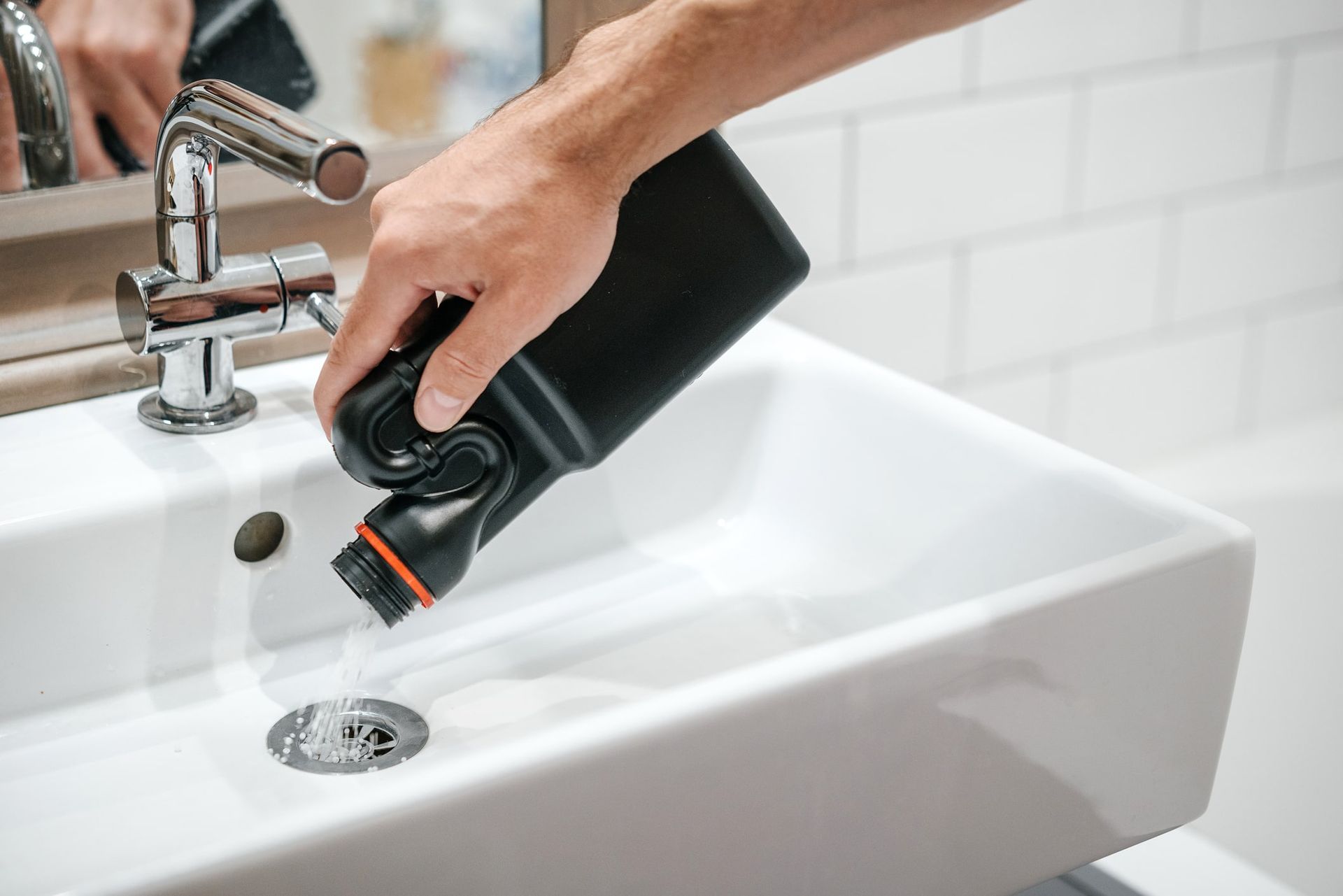
While chemical drain cleaners might seem like a quick fix, they can damage the disposal’s internal components and pipes. The harsh chemicals can corrode metal parts and weaken seals, leading to leaks and costly repairs. Instead, stick to mechanical methods like manual extraction or plunging for safe and effective results.
Call All City Plumbers for Expert Help
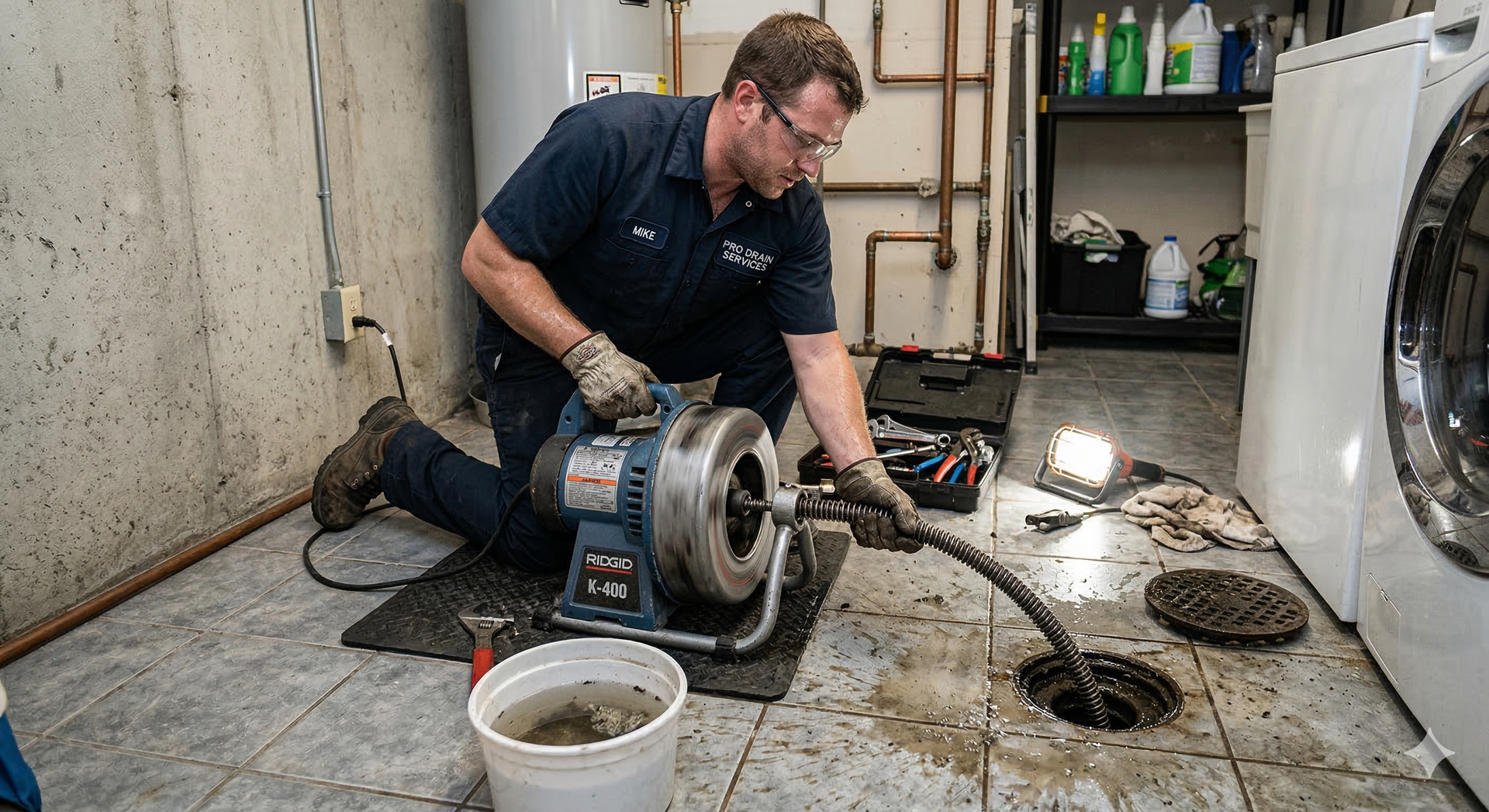
If your efforts to unclog the garbage disposal are unsuccessful or if the unit continues to malfunction, it’s time to call in the professionals. All City Plumbers specializes in garbage disposal repair and maintenance, ensuring your kitchen appliance is restored to optimal condition. Our team uses advanced tools and techniques to resolve even the most stubborn clogs without causing damage to your disposal or plumbing system.
Preventing Future Clogs
Once your garbage disposal is functioning again, take steps to prevent future clogs. Avoid putting grease, bones, or fibrous foods down the drain, and always run cold water while operating the disposal to help flush out waste. Regular maintenance, such as cleaning the disposal with a mixture of baking soda and vinegar, can also keep it running smoothly.
Conclusion
Unclogging a garbage disposal doesn’t have to be a daunting task when approached with caution and the right tools. By identifying the cause, following safe methods, and knowing when to call in professionals like All City Plumbers, you can keep your kitchen running smoothly and avoid costly repairs. Remember, a little preventative care goes a long way in maintaining the efficiency and longevity of your garbage disposal. For reliable assistance and expert plumbing services, reach out to All City Plumbers today!