How To Say Goodbye To Stubborn Clogs Forever?
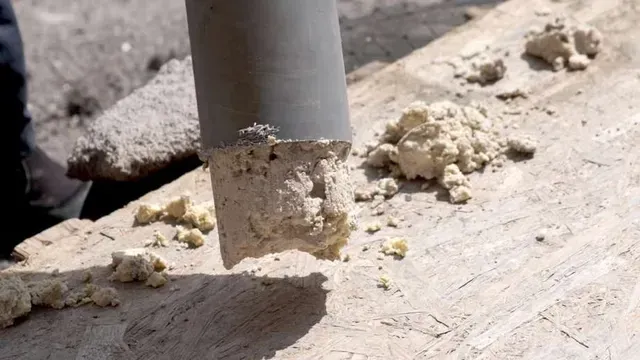
Stubborn clogs in your plumbing system arise from the accumulation of various materials such as grease, hair, soap scum, food residues, and foreign objects. These blockages usually develop slowly over time and can severely disrupt the natural flow of water in your pipes. Unlike simple blockages, stubborn clogs are more difficult to clear because they often lodge deep inside the drainage system or combine multiple clog components, making them resilient to common DIY fixes. Recognizing the cause of these clogs is the first step towards a lasting solution.
The Importance of Professional Drain Clearing
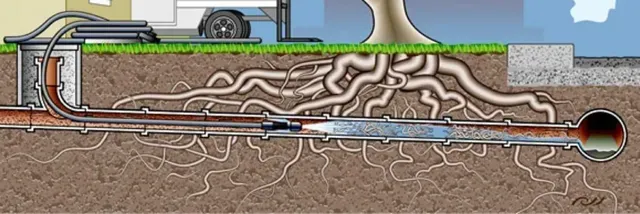
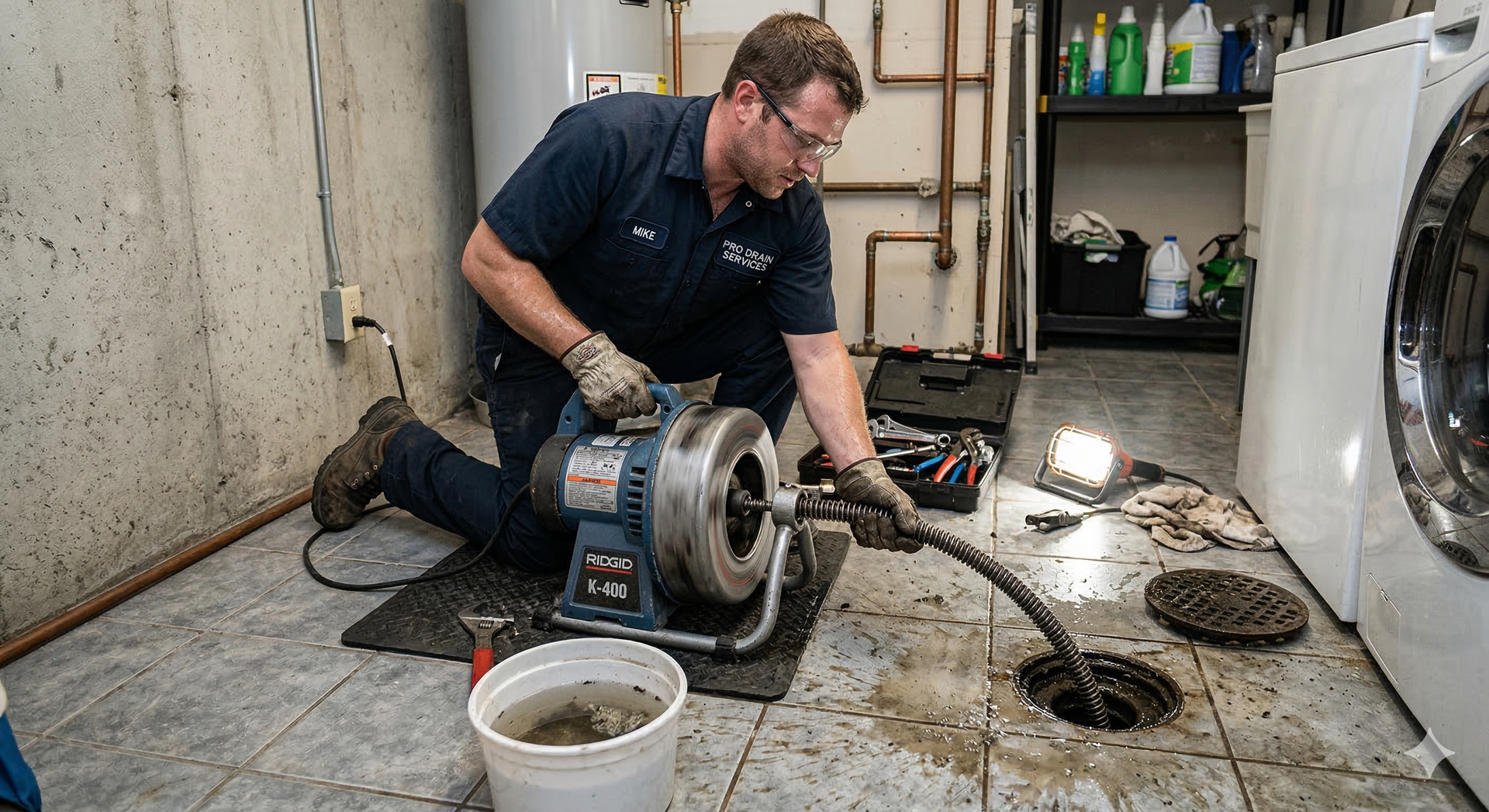
Professional drain clearing is the most effective way to eliminate stubborn clogs permanently. Services such as those offered by All City Plumbers specialize in using industry-grade tools including motorized drain snakes and high-pressure hydro-jetting machines, which efficiently break up and flush out debris that standard methods cannot tackle. Professional intervention not only thoroughly clears your drains but also protects your plumbing system from damage that improper clog removal methods might cause. Moreover, experts can identify underlying issues contributing to frequent blockages and offer preventive advice tailored to your home’s plumbing setup.
Linking Water Pressure Issues with Stubborn Clogs
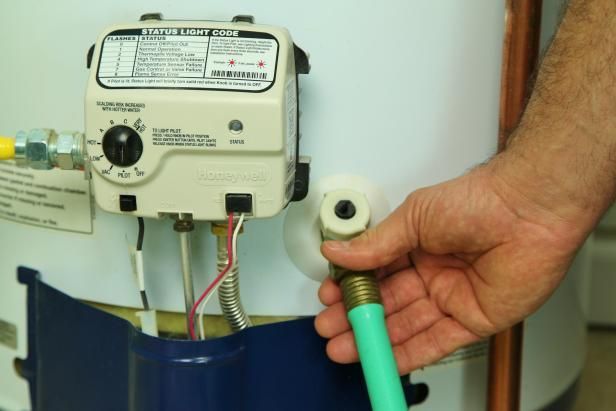
Low water pressure is often an overlooked symptom of deeper drainage problems and clogged pipes. Understanding causes of low water pressure and its fixes is essential since irregular pressure can exacerbate clog-related troubles by reducing the natural flushing action of water that helps keep drains clear. Causes such as sediment buildup, pipe corrosion, leaks, or faulty valves might contribute to both water pressure issues and the persistence of stubborn clogs. By addressing water pressure problems alongside drain clearing, you ensure your plumbing system operates efficiently and reduces the likelihood of future blockages.
Preventative Measures to Avoid Future Clogs
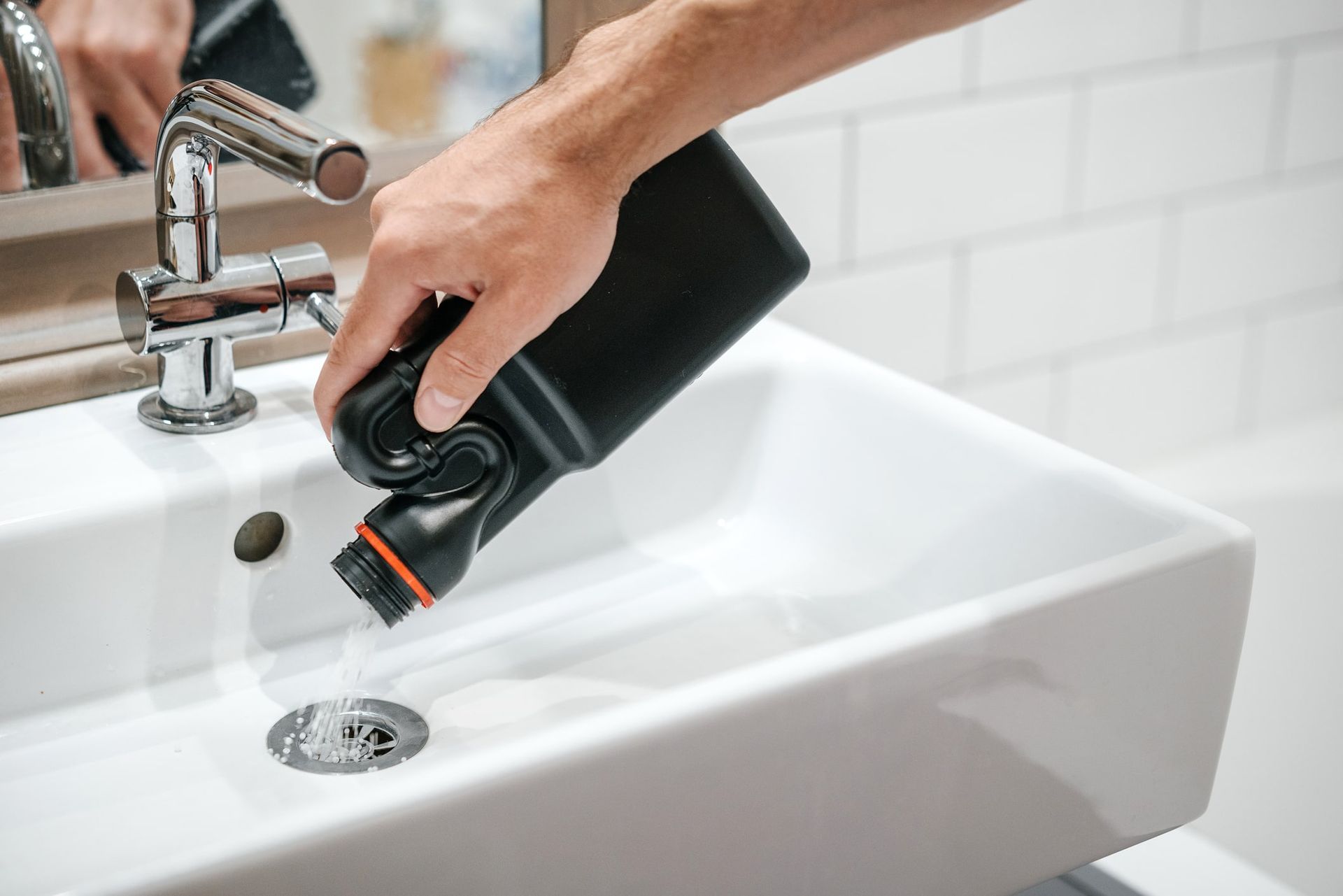
After professionally clearing a clog, maintaining your plumbing’s health through preventative measures is critical. Avoid disposing of grease, coffee grounds, and fibrous foods down your sinks, as these substances accumulate easily and lead to clogs. Installing drain guards can catch hair and larger debris before they enter your pipes. Regular plumbing inspections by trusted services like All City Plumbers help catch early signs of buildup or system malfunction. Additionally, flushing drains periodically with safe, natural solutions can slow residue buildup, contributing to long-term clog prevention.
Conclusion
While some minor clogs may be manageable at home, recognizing when to call professionals is vital to avoid costly repairs or permanent damage. If drains are slow despite cleaning attempts, if water backs up repeatedly, or if you notice foul odors emanating from your plumbing, consulting experienced plumbers is recommended. Professionals can provide detailed diagnostics and long-lasting solutions, including pipe repairs and system optimization to prevent recurring clogs. Entrusting your plumbing to certified experts like All City Plumbers guarantees skilled service, proper use of equipment, and peace of mind that stubborn clogs will not return.