Outdoor Kitchen Plumbing: Design, Installation and Maintenance
Creating an outdoor kitchen has become a popular feature in modern home designs, offering a unique blend of entertainment and convenience. However, the success of this addition relies heavily on thoughtful plumbing design, precise installation, and ongoing maintenance. Properly planned plumbing infrastructure ensures functionality, safety, and durability of water supply, drainage, and gas connections in outdoor settings. This article provides an in-depth guide to outdoor kitchen plumbing, incorporating essential topics such as waterline repair and replacement, the role of professional plumbers like All City Plumbers, and the integration of plumbing for home renovations to achieve seamless outdoor living spaces.
Planning and Design Considerations for Outdoor Kitchen Plumbing
The foundation of any effective outdoor kitchen lies in meticulous planning and plumbing design. Homeowners and designers must assess existing utility access points, space layout, and the intended appliances to be included, such as sinks, grills, refrigerators, and dishwashers. Planning waterlines involves evaluating pipe materials that withstand outdoor conditions, ensuring protection against freezing temperatures or UV exposure.
Drainage design must prevent water pooling and protect the foundation while matching the landscape’s slope to channel wastewater appropriately. Incorporating plumbing for home renovations adds complexity, requiring coordination between indoor and outdoor systems to maintain water pressure and avoid contamination. Experienced professional input from All City Plumbers during this phase ensures compliance with local codes and adoption of best practices to future-proof the installation.
Installation Best Practices for Water and Gas Lines
Installing plumbing for an outdoor kitchen presents unique challenges, primarily due to exposure to weather and potential for physical wear. Waterline repair and replacement expertise is critical in this setting to select corrosion-resistant materials such as PEX or chlorinated PVC (CPVC), which remain durable despite temperature fluctuations and direct sunlight exposure. Proper insulation of water lines protects against freezing and bursting in colder climates.
Gas line installation, typically used for grills and cooktops, requires rigorous safety standards. Licensed plumbers like All City Plumbers meticulously install gas lines with shutoff valves positioned for easy access, pressure testing to prevent leaks, and adherence to strict regulatory guidelines. Coordinating gas and water installations with electrical wiring and ventilation ensures functionality while minimizing risks inherent in outdoor environments.
Efficient Drainage and Wastewater Management
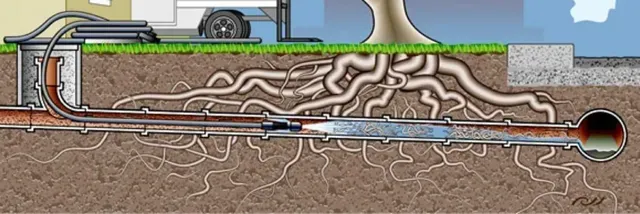
Drainage systems in outdoor kitchens must be designed to handle all used water from sinks and appliances while preventing clogs or stagnant water. Depending on local regulations and site conditions, wastewater may discharge into the municipal sewer system or require a dedicated septic or greywater system. Designing efficient drains often incorporates traps, venting, and backflow prevention to maintain hygiene and odor control.
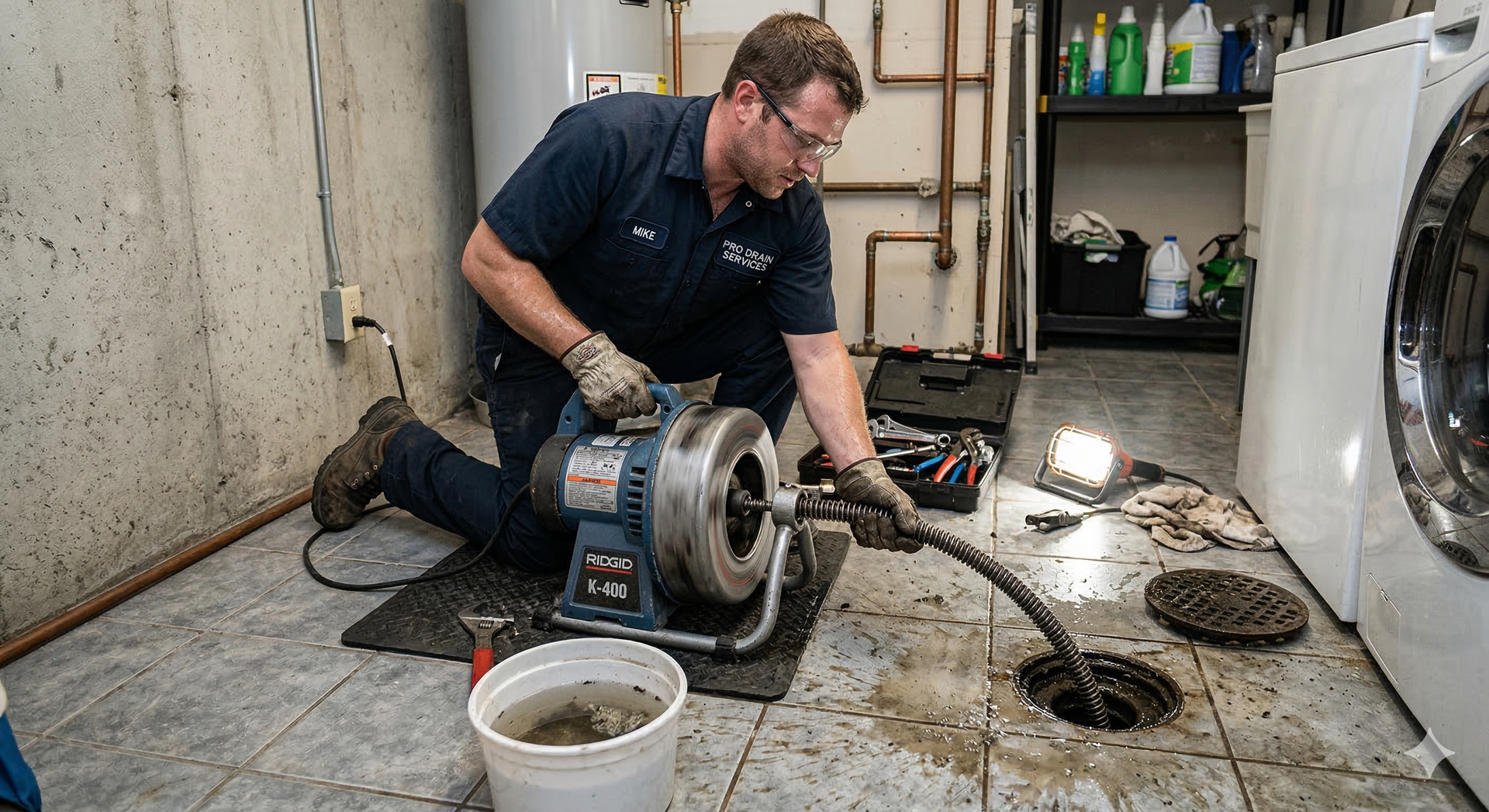
Maintenance considerations emphasize ease of access for cleaning and repair, and system designs must account for seasonal weather changes that affect soil stability and pipe integrity. Professionals offering waterline repair and replacement services, including All City Plumbers, provide expertise in maintaining or upgrading outdoor drainage to ensure uninterrupted, sanitary operation.
Routine Maintenance and Seasonal Preparations
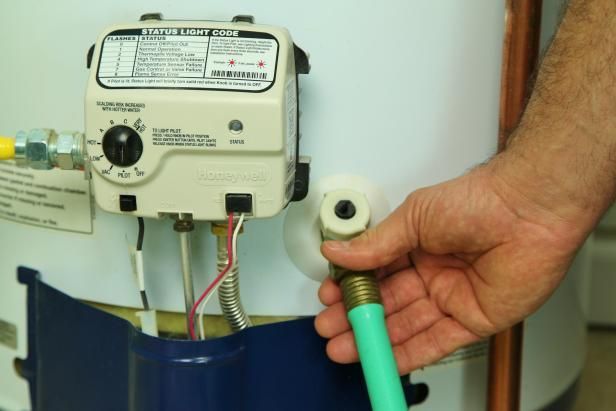
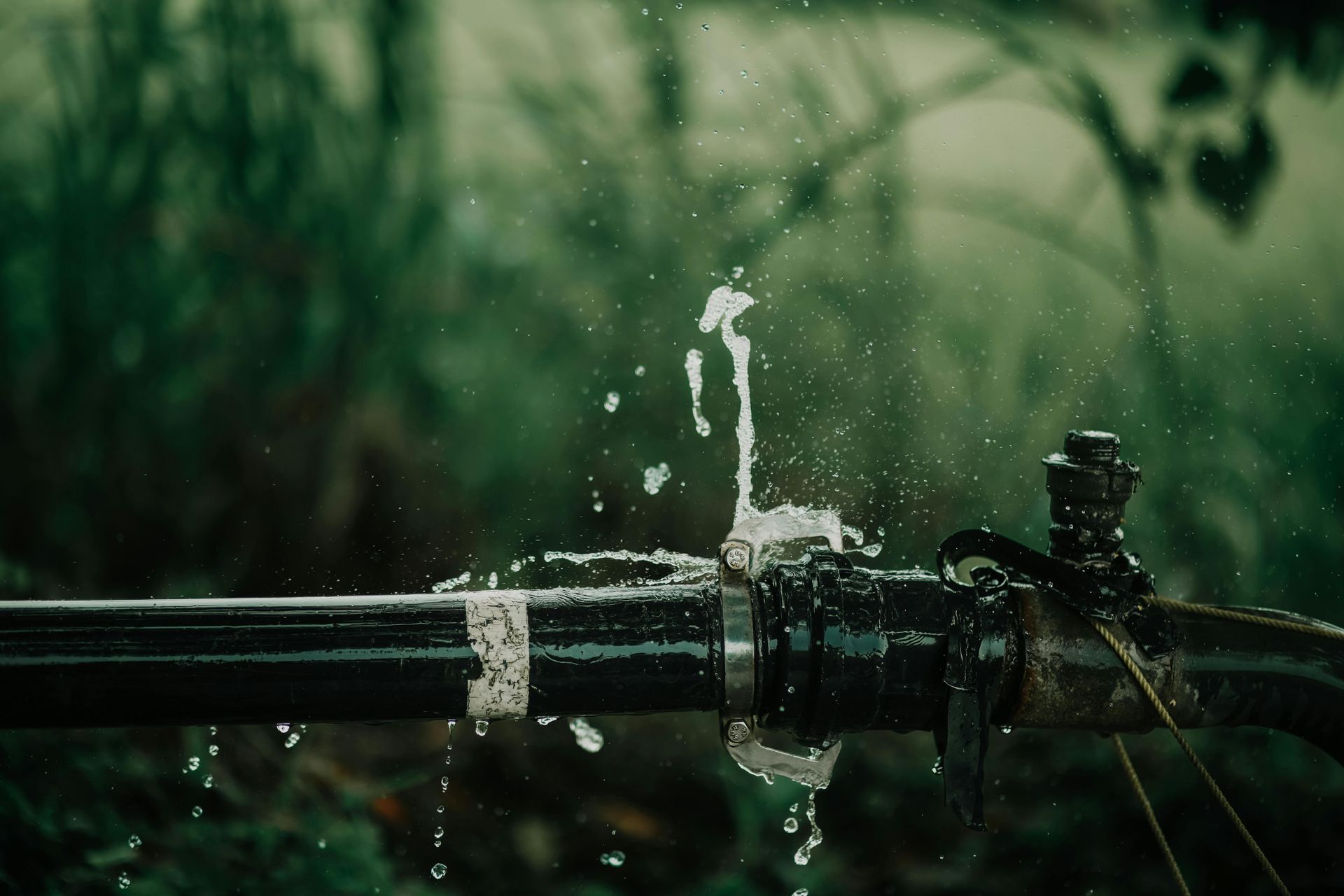
Outdoor kitchen plumbing demands regular maintenance to sustain optimal performance and mitigate damage from environmental exposure. Periodic inspections for leaks, joint integrity, and corrosion, along with flushing drainage systems to prevent buildup, are essential. Outdoor water fixtures and faucets should be winterized in colder regions by draining and insulation to prevent freeze damage.
Maintenance during plumbing for home renovations often includes evaluating existing outdoor systems for upgrades or alignment with new kitchen components. Engaging trusted plumbing professionals ensures inspections and repairs constitute comprehensive care rather than temporary fixes, enhancing durability and usability for all seasons.
Integrating Technology and Enhancing Functionality
Modern outdoor kitchens incorporate smart plumbing technologies such as sensor-activated faucets, automated irrigation linked to culinary water use, and water-saving fixtures that optimize sustainability. Integration with broader home systems enables efficient water and energy management, aligning with eco-conscious homeowner goals.
Expert plumbers including All City Plumbers provide consultative services, aiding in selecting compatible components that work harmoniously within outdoor plumbing systems while maintaining compliance and safety. Proper integration helps prevent issues like water hammer and supports energy-efficient appliances, reducing operational costs and environmental impact.
Conclusion
Comprehensive outdoor kitchen plumbing design, precise installation, and diligent maintenance form the pillars of creating functional and durable outdoor culinary spaces. By engaging professional expertise from All City Plumbers and considering critical factors such as waterline repair and replacement and strategic plumbing for home renovations, homeowners can enjoy seamless water and gas supply, efficient drainage, and long-lasting performance. Investing in these essentials not only elevates outdoor living experiences but also safeguards property through resilient, code-compliant plumbing infrastructure.