Snaking vs Root Cutting: Drain Cleaning Explained
Snaking and root cutting represent two fundamental approaches to drain cleaning, each suited to specific types of blockages and pipe conditions. Snaking, typically performed with a flexible auger, is effective for dislodging and breaking apart common obstructions such as grease buildup, soap residue, hair, and minor debris. It is a relatively non-invasive method, making it appropriate for routine maintenance and for use in pipes where preserving structural integrity is a priority.
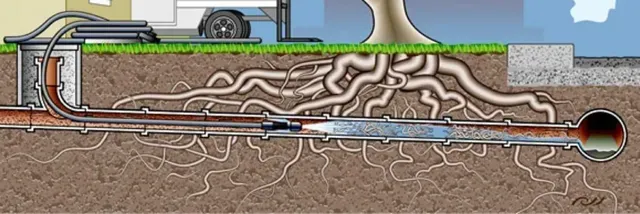
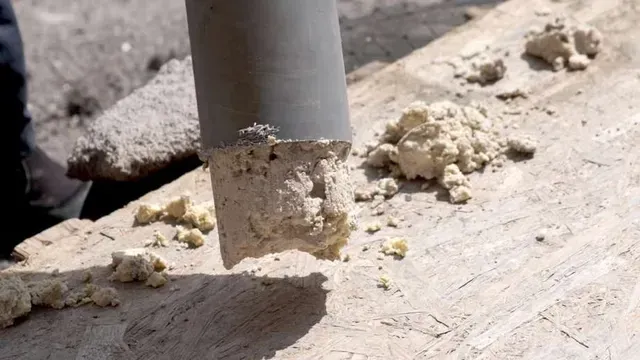
Root cutting, on the other hand, is designed to address more severe intrusions caused by tree roots entering the sewer line through small cracks or joints. This method uses specialized cutting heads attached to powered equipment to physically remove dense root masses that can significantly restrict or completely block flow. Because of its more aggressive nature, it requires precise handling and is typically followed by further inspection or treatment to prevent regrowth.
Understanding the distinctions between these methods—along with the severity and source of the blockage—allows homeowners to choose the most effective and least damaging solution. In many cases, combining the right technique with periodic inspections ensures long-term system reliability and reduces the likelihood of recurring drainage issues.
Understanding Drain Snaking
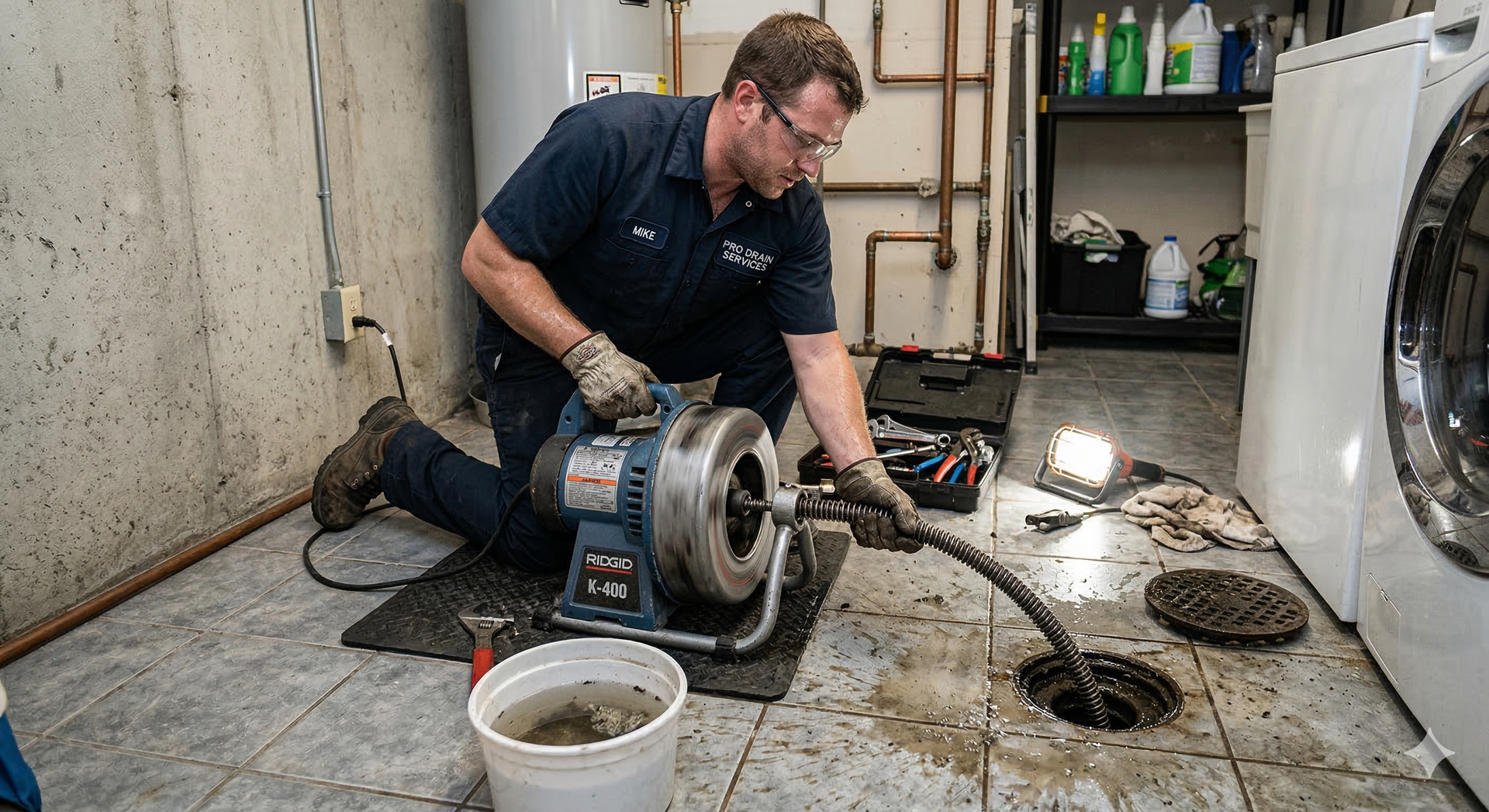
Drain snaking, also known as drain augering or rodding, involves inserting a long, flexible cable with a rotating auger head into the drain line. This mechanical tool twists and turns through the pipe, breaking up clogs made of hair, soap scum, grease, food particles, or other soft debris. The process begins with the plumber feeding the snake into the drain opening, such as a sink, tub, or main line access point, while manually or motor-driven rotation allows the auger to grab, shred, and pull back obstructing material. As the cable advances, it navigates bends and joints in the piping, often reaching depths of 50 to 100 feet depending on the equipment size. Professionals typically use manual hand-held snakes for smaller residential jobs or powered machines with larger drums for sewer lines, ensuring the cable remains under control to avoid pipe damage. One key advantage lies in its simplicity and speed; a basic snaking job can clear a household clog in under 30 minutes, making it a go-to first response for sudden backups. However, snaking primarily creates a path through the blockage rather than removing all residue from pipe walls, which means debris can accumulate again nearby, leading to recurring issues if underlying buildup persists.
The Mechanics of Root Cutting
Root cutting employs specialized cutting heads or chain knockers attached to a sewer snake or dedicated rooter machine, designed explicitly to slice through invasive tree and shrub roots that infiltrate sewer lines. These roots seek out the moisture, nutrients, and oxygen in underground pipes, entering through tiny cracks, joints, or faulty seals, and eventually forming dense mats that restrict flow. The root cutting process starts with a camera inspection to locate the intrusion, followed by inserting a robust cable equipped with hardened steel blades or saw-like attachments that spin at high speeds—often up to 500 RPM—to shear roots cleanly without excessive force. Unlike standard snaking, root cutters feature sectional chains or flailing heads that expand to match pipe diameters, ensuring thorough removal along the entire circumference of the pipe. This method excels in older clay, cast iron, or concrete sewer systems common in established neighborhoods, where root growth poses a chronic threat. The procedure might require multiple passes, with the plumber retrieving root fragments periodically to prevent them from compacting further downstream. While effective for immediate clearing, root cutting does not seal pipe defects, so preventive measures like root barriers or chemical treatments often follow to deter regrowth.
Key Differences in Application and Effectiveness
Snaking and root cutting differ fundamentally in their targets and outcomes, with snaking addressing everyday household debris and root cutting tackling structural invasions. Snaking works best for localized clogs within fixtures, such as bathroom sinks or kitchen drains, where soft materials dominate and quick restoration of flow is paramount. It pushes or pulls blockages aside, restoring partial capacity rapidly but leaving slime and scale intact on pipe interiors, which can harbor bacteria and odors over time. Root cutting, by contrast, demands precision for deeper sewer mains, excelling against fibrous, woody intrusions that snaking alone might only temporarily displace. For instance, a standard snake might bore a hole through a root ball, allowing short-term drainage, but roots regrow quickly without full excision, whereas cutting tools pulverize the mass entirely, providing months or even years of relief. Effectiveness also hinges on pipe material; snaking suits PVC or ABS plastics prone to scratching, while root cutters handle tougher vitrified clay lines. In practice, professionals assess via video scoping first, opting for snaking in 70 percent of routine calls and escalating to root cutting when diagnostics reveal vegetation. This targeted approach minimizes repeat visits and extends pipe longevity.
Tools and Equipment Involved
The equipment for snaking ranges from basic hand-crank models, like closet augers for toilets, to electric drain cleaners with 100-foot cables stored in reinforced drums. These machines include speed controls, reverse gears, and leader lines to guide the cable through traps, with auger heads varying from bullet-shaped corkscrews for pulling hair to spade tips for scraping grease. Root cutting tools build on this foundation, incorporating heavier-duty machines like speednor rooters or flex-shaft systems with interchangeable cutter heads, such as arrowheads for slicing or grinding mills for pulverizing thick roots. Modern iterations feature camera integration for real-time guidance and hydraulic drives for torque in large-diameter mains. Safety features like automatic shutoffs prevent cable kinks, while durable casings withstand the vibrations of root shredding. Companies like All City Plumbers equip their teams with these advanced setups, ensuring versatile service from routine snaking to aggressive root removal. Proper maintenance of the tools themselves—lubricating cables and sharpening cutters—guarantees reliable performance across countless jobs.
Pros and Cons of Each Method
Snaking offers affordability, with costs typically ranging from $100 to $300 per service, and its non-chemical nature appeals to environmentally conscious users. It requires minimal water usage and suits DIY attempts with rented machines, though professionals achieve better results by navigating complex pipe layouts without snags. Drawbacks include limited cleaning depth, potential to damage fragile pipes if over-torqued, and incomplete residue removal that invites rapid reclogging. Root cutting shines in longevity, often clearing lines for 6 to 12 months post-treatment, and its precision reduces the need for excavation. Yet it demands skilled operators to avoid weakening pipe walls, carries higher upfront costs of $300 to $800 due to specialized gear, and may not suffice for severely collapsed lines requiring replacement. Both methods risk pushing debris further if not executed flawlessly, underscoring the value of licensed technicians. Hydro-jetting complements them for comprehensive wall scouring, but snaking and root cutting remain staples for their direct mechanical action.
When to Choose Snaking Over Root Cutting
Opt for snaking when dealing with acute, soft clogs like flushed wipes or accumulated kitchen grease, especially in upper drain lines under 50 feet. Indicators include gurgling sinks, slow showers, or overflow in one fixture without backups elsewhere, signaling a proximal obstruction. If diagnostics show no vegetation, snaking restores function swiftly without overkill. It proves ideal for apartments or newer homes with straight-run PVC, where speed trumps deep cleaning. Conversely, multiple affected drains or sewage odors point away from snaking toward root issues. The frequency of professional drain cleaning varies by household; high-use families might schedule quarterly maintenance, while others suffice with annual checks to catch early buildup.
Scenarios Favoring Root Cutting
Root cutting becomes essential upon detecting symptoms like widespread slow drains, gurgling toilets across bathrooms, or lush tree growth near sewer easements. Video inspections confirming root hairs or mats at joints confirm the need, particularly in homes over 20 years old with clay laterals. It outperforms snaking in recurrent blockages post-standard clearing, as residual roots regenerate unchecked. For sump pump repair tied to main line issues, root intrusion often exacerbates flooding risks, making cutting a proactive step alongside pump maintenance. Persistent problems despite snaking warrant this upgrade, preventing costly digs.
Cost Considerations and Long-Term Value
Initial snaking expenses stay low due to equipment ubiquity, but repeated calls erode savings if roots underlie the issue. Root cutting investments yield better returns through extended intervals between services, potentially halving annual plumbing bills. Factors influencing price include line length, accessibility, and after-hours needs, with averages climbing for municipal tie-ins. Pairing either with pipe relining offers enduring protection, balancing upfront outlay against emergencies.
Conclusion
Beyond mechanical methods, enzyme treatments digest organics biweekly, while inspections every six months spot vulnerabilities early. Avoid harsh chemicals that corrode pipes, favoring natural preventives like boiling water flushes. Landscaping adjustments curtail root proximity to lines.
In summary, snaking provides rapid relief for debris clogs, while root cutting delivers lasting clearance for invasive growth, with the right choice depending on diagnostics and recurrence patterns. Homeowners benefit most from professional evaluation to match methods to their plumbing's unique demands, ensuring reliable flow year-round.