Helpful Plumbing Tips to Follow When Finishing Your Basement
Finishing a basement is an entirely different matter that’s unlike any other part of a house. It’s an entirely different environment that’s mostly damp and humid, which is the perfect setup to make finishing mistakes. You need to focus on the task at hand as you can easily overlook a lot of things.
The basement is also where you have mechanical equipment like water heaters, sump pumps, furnaces, and the like. In order to avoid damaging your home and calling emergency plumbing services, you need to keep some things in mind for your basement finishing project.
Check for Any Moisture Issues
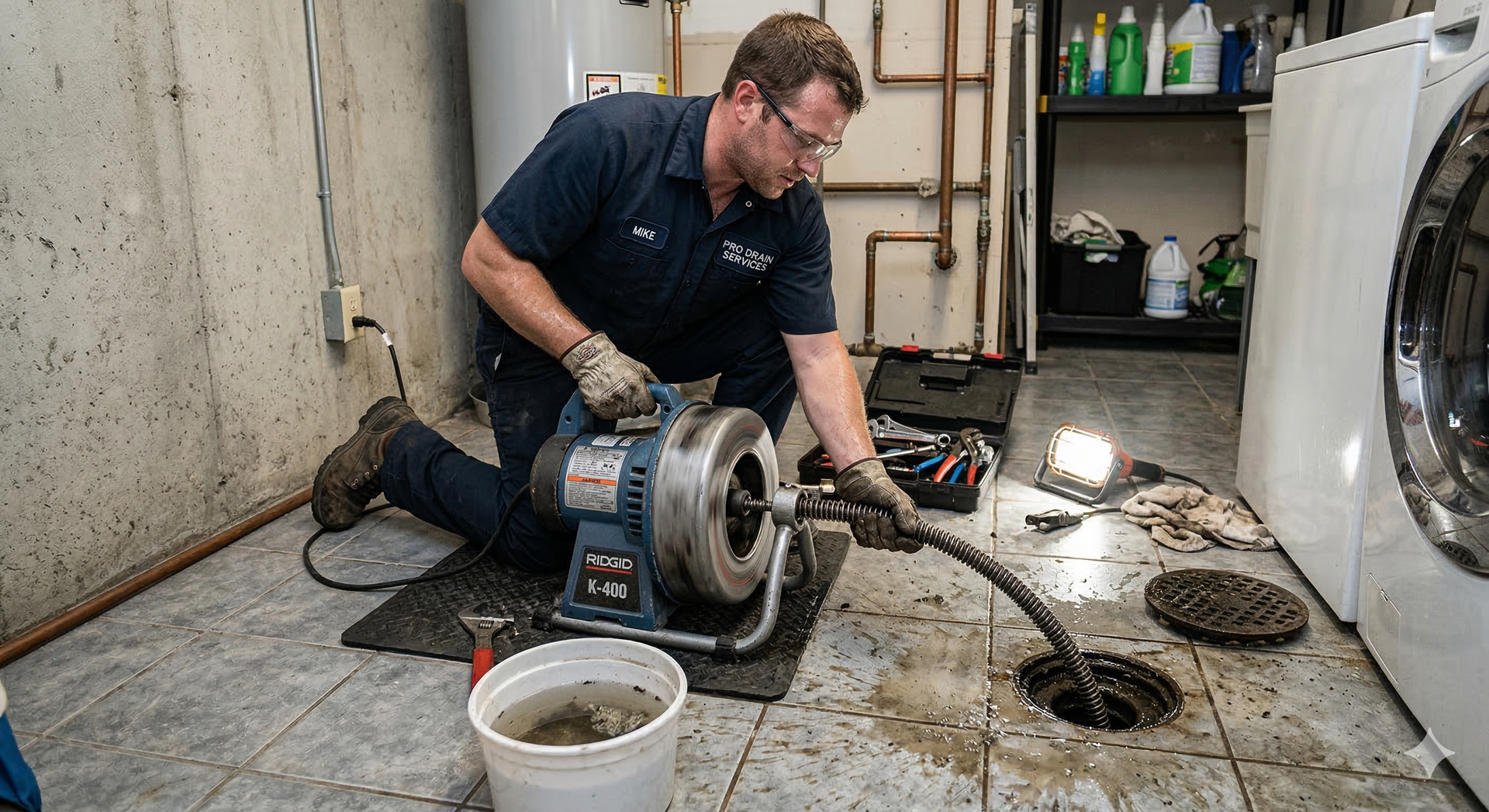
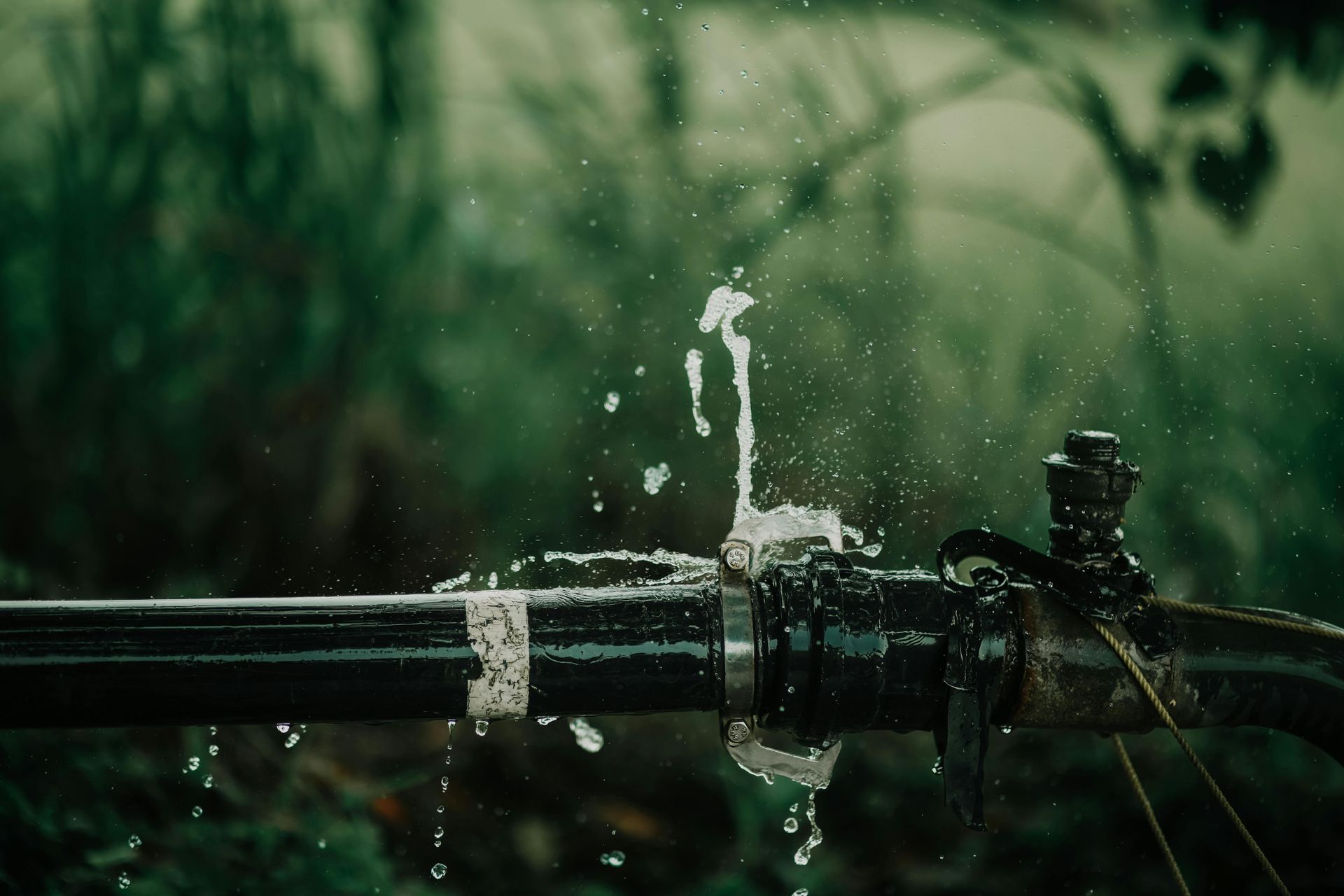
It’s a crucial step in the basement finishing process to check all the walls and corners of the room for any leaks and cracks. Cracks are your biggest concern in a basement as they can easily become a source of moisture, which is something you don’t want in your basement. You need to repair any cracks or possible water leaks as they can easily cause you a lot of trouble. If you’re not sure where to find or how to repair the leaks, calling a professional plumber would be the best course of action.
Leaks could easily cause a lot of damage to a finished basement wall. The worst part is these leaks could go undetected for a long period of time, which means it might already be too late once you see any signs of the leak on your walls. This could easily cause damp walls that are the preferred environment of molds to grow.
Use Metal Instead of Wood or Fiberglass
Since basements are known to become moist and damp because of possible leaks in the plumbing, using wood materials isn’t recommended here. Wood is very susceptible to mold and mildew, and they get easily damaged when they get soaked in water for a long period of time. Instead, use products that are specially made for basements like metal. Fiberglass is also another material to avoid as it can also get moldy because of the moist air that leaks into the basement and condensates.
Avoid Wood-Based Flooring
Aside from wooden walls, your basement’s flooring shouldn’t be made from wooden materials as well. Most residential and commercial plumbing experts recommend using vinyl as it’s easily the most water-resistant material for flooring. Hardwood, laminate, and carpeting are all big no-nos as they will not last in the humid environment of a basement. In addition, these materials will undoubtedly show signs of mold after exposure. However, vinyl flooring is pretty much safe to use in your basement waterproofing project.
Always Ask Help from the Professionals
Don’t spend resources without knowing exactly what type of space you want to create in the lower levels of your home. Before you even start your finishing project, you must first have your plumber take a look at your entire plumbing system to determine if there are any leaks or possible vulnerabilities that could lead to leaks. After that, working with a designer and a basement finishing contractor will help you build a basement that is stylish, functional, and free from leaks and moldy interiors.
Conclusion
Basement finishing is something that requires a lot of planning and attention to detail. You must know exactly which materials are suitable to keep moisture and mold at bay. The most crucial step is to make sure you check in with your local plumber if there are any possible leaks in the area before starting your finishing project.
At Plumb One Inc., we make sure to make all your plumbing dilemmas go away after requesting a service from us. We provide residential and commercial plumbing services for homeowners and businesses of all sizes. Whenever you need emergency plumbing services in BIrmingham, don’t hesitate to call us. Contact us today!