Should You Consider Metal Pipes Over Plastic Ones?
Metal and plastic are the two most common types of pipes to install in your home. Which is clearly superior to the other? Continue reading to find out what we believe, or go through the data and make your own decision!
Metal
Metal has been used in plumbing since the beginning of modern plumbing because it is dependable, sturdy, and effective. The most popular metals used for pipes are/were lead (no longer used), copper, brass, iron, and steel. Copper is a popular material nowadays due to its reduced weight and sturdy construction. Furthermore, copper lasts longer and rusts less. On the other hand, Steel is an excellent choice for heavy-duty piping.
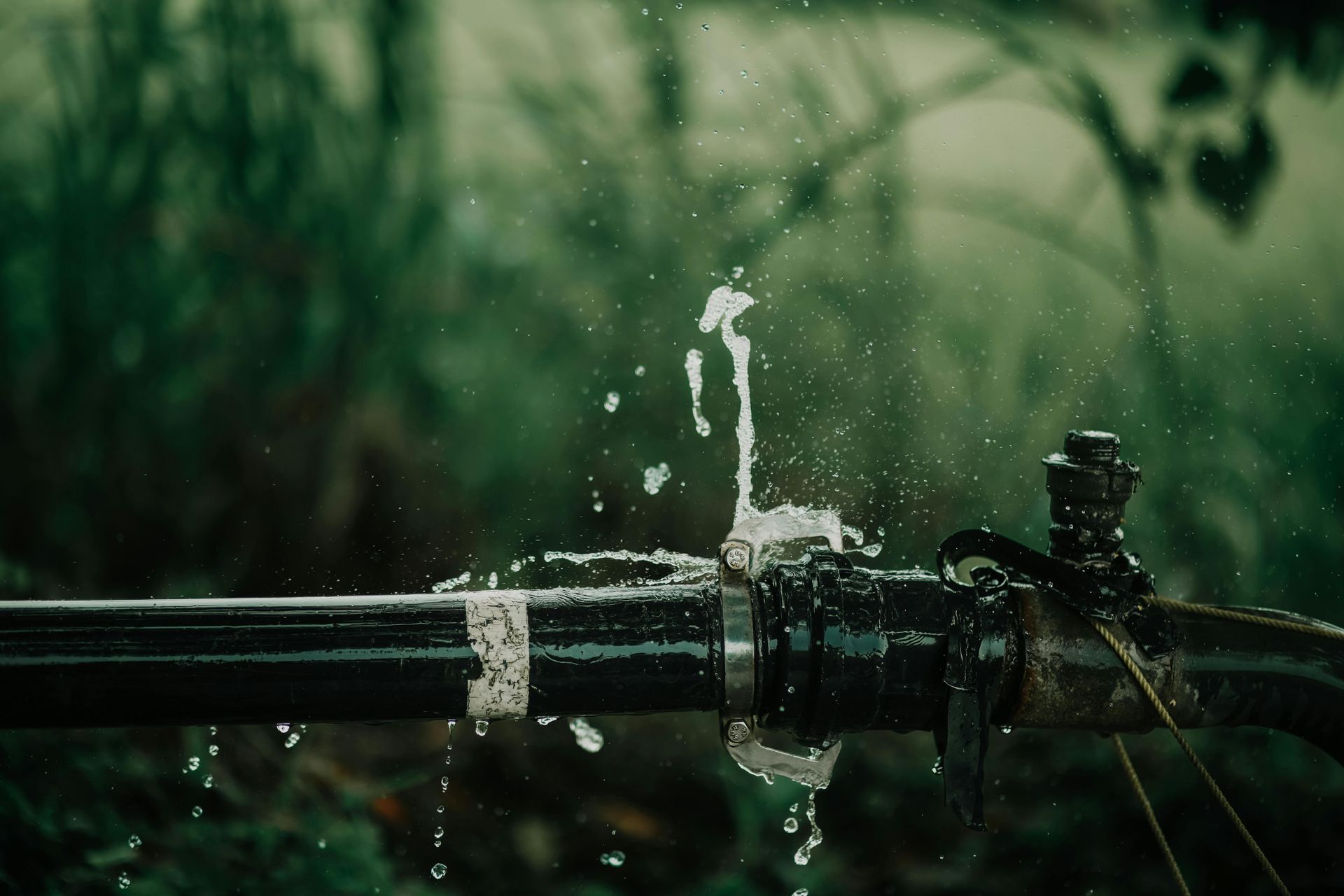
Corrosion is the most severe disadvantage of metal pipes. Air and water will react with the metal components over time, causing them to flake inside. Internal flaking can cause pipes to deteriorate over time, and accumulation causes blockages. Metal pipes are much more costly than plastic pipes.
Brass is an ancient material that resists corrosion pretty well; nevertheless, bear in mind that some brass is not lead-free and may cause harm to the body. Galvanized steel is less expensive than other metals and is zinc-coated to increase durability. The disadvantage of this material is that it has a very sluggish water flow compared to other pipe materials.
Plastic
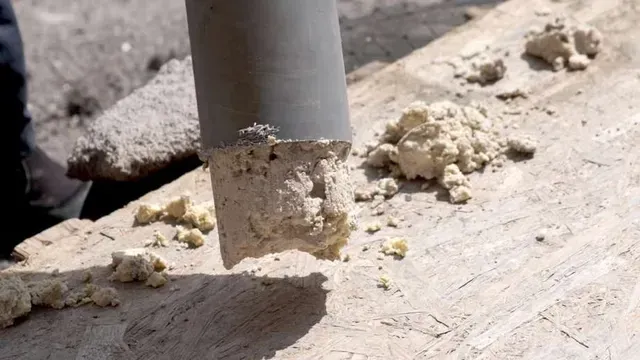
Plastic was introduced as an alternative to metal plumbing but is now the staple of the industry. The biggest positive of plastic piping is that it is lightweight and cost practical. Plastic piping is also easier to install than metal piping; the only downside is it can’t withstand as much pressure, hence why it is suited for smaller fixtures.
Plastic piping will also degrade over time. The material will leach chemicals into the water that can damage the body. This is why it is recommended that you only use plastic piping for 50% of your home’s piping. This gives time for a slow degradation of the plastic and prevents you from replacing the whole piping system.
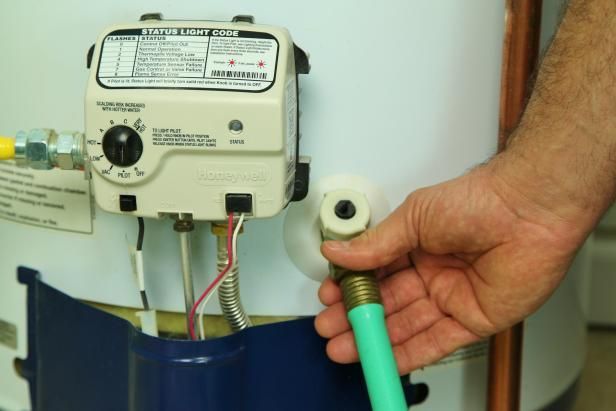
If you opt for plastic pipes, they should be polybutylene or chlorinated polyvinyl chloride (CPVC). Chlorine is added to the CPVC pipe, which boosts heat resistance, makes it acceptable for drinking water, and offers superior insulation. PEX (cross-linked polyethylene) can also be an excellent, long-lasting alternative for use in drinking water lines. Still, if used for a hot water heater, it must be connected by a segment of copper tubing. PVC pipes may be used to drain areas of the plumbing system quickly and effectively.
Another significant advantage of plastic piping over metal pipes is that it will not rust or corrode. Plastic pipe is simple to join since there are numerous techniques for installation, and no welding is required, which saves time and effort.
Which One Should You Choose?
Steel is the superior material when compared to PVC pipes. PVC pipes are more robust, durable, and less expensive compared to PVC pipes. When deciding between these two materials, bear in mind the environmental conditions they must withstand. Steel is unquestionably superior for plumbing, petrochemical, and structural applications.
If you are looking for all-in-one plumbing services in Birmingham, AL , look no further than our expertise here at All City Plumbers Inc. We offer emergency, commercial, and residential plumbing services that are sure to fix all of your piping problems in no time! Call us today and let us handle your plumbing concerns for you.