How to Identify and Repair Frost-Damaged Pipes?
Frost and freezing temperatures are among the leading causes of seasonal plumbing damage, often causing pipes to freeze, crack, or burst as expanding ice creates intense internal pressure. Identifying the warning signs early—such as reduced water flow, visible frost, leaks, or damp areas—can help prevent extensive water damage and costly repairs. Prompt action, including safely thawing frozen pipes, isolating leaks, and carrying out the appropriate temporary or permanent repairs, restores your plumbing system while minimizing disruption. This article explains how to identify frost damage, repair affected pipes, and implement practical preventive measures to reduce the risk of future freeze-related problems.
Recognizing Frost Damage
Pipes exposed to cold—those in uninsulated crawlspaces, attics, garages, or along exterior walls—are most vulnerable to frost damage. Signs include reduced or no flow at faucets when temperatures drop, bulging or frost on visible pipe sections, and damp spots that appear soon after thawing; a sudden increase in water meter activity when you haven’t used water is another indicator of a hidden burst. Inside walls, look for warm, discolored patches on ceilings or floors, soft drywall, or unexplained damp odors after an overnight freeze. Catching these signs early allows for controlled repairs before widespread water damage or mold growth develops.
Safe Thawing and Initial Steps
If you suspect a frozen pipe but it has not ruptured, begin by opening the affected faucet to allow pressure relief and a path for melted ice to exit. Apply gradual, even heat using an electric hair dryer, heating pad, or infrared lamp; never use open flames, propane torches, or unvented combustion heaters because they create fire hazards and uneven heating that can damage materials. Keep the heating source moving and avoid overheating nearby insulation or flammable items. If you cannot find the frozen section or if the pipe is inaccessible, shut off the main water supply and call a professional. Experienced contractors, including those who offer full-service winter plumbing support, can also advise when a temporary thaw should be followed immediately by permanent repairs.
Leak Isolation and Minimizing Damage
When a pipe ruptures or a joint begins leaking after thaw, isolate the problem by shutting off the water to the affected fixture or the main service if necessary. Place towels or basins beneath leaks and, if safe, divert water toward a floor drain or sump. For leaks in heated basements or utility rooms, protecting nearby electrical equipment and furnishings is essential—shut off breakers for affected circuits if water is present near outlets. For homes with sump systems, ensure the pump and its power source are operational; scheduling sump pump repair ahead of freeze-prone months reduces the risk of basement flooding after a pipe failure. Document the location and nature of leaks with photos to assist professionals and for insurance claims.
Temporary Patching Techniques
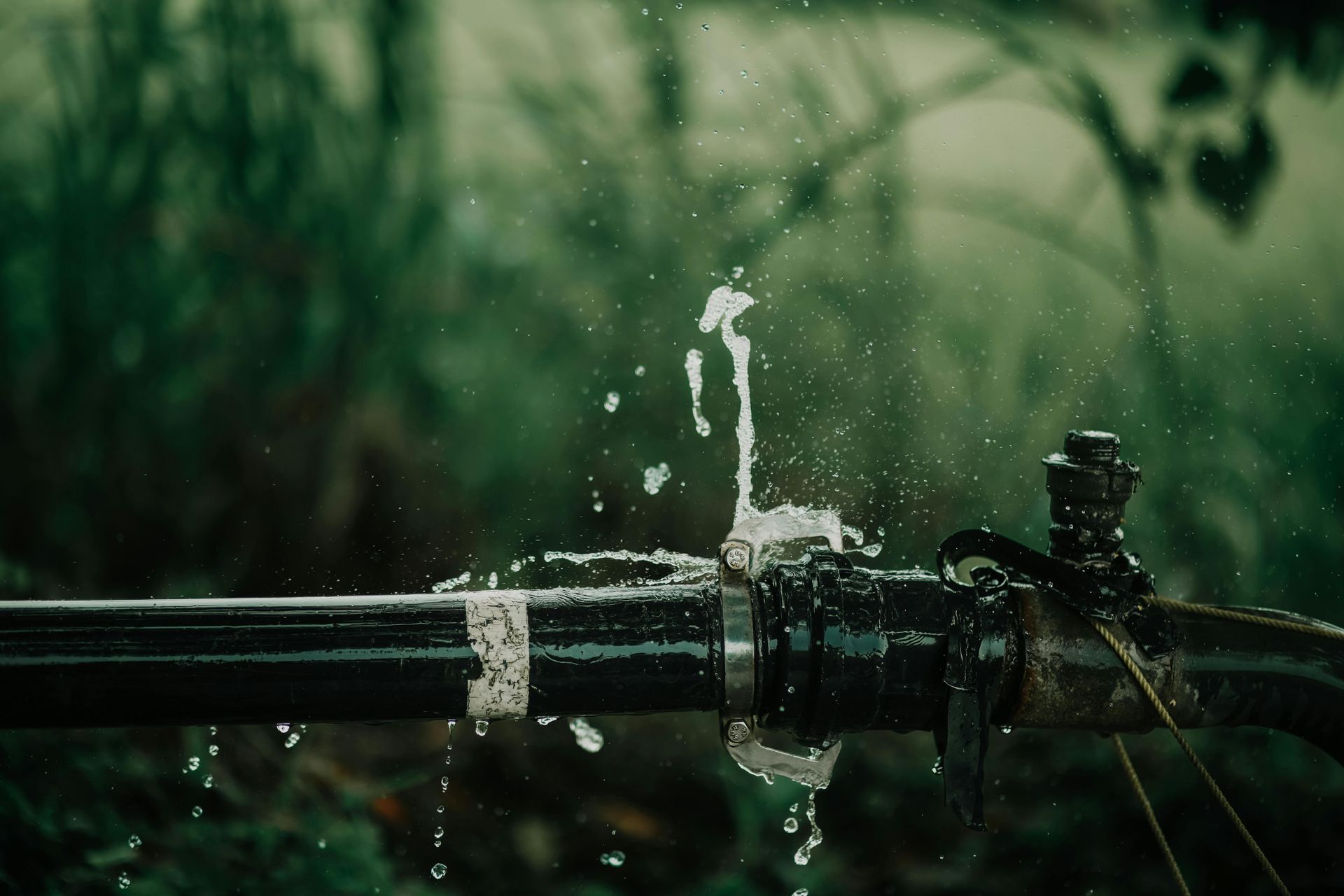
Temporary repairs can limit damage until a permanent replacement is scheduled. For small leaks on accessible straight runs, drying the area and applying epoxy putty formulated for plumbing creates a quick stop-gap that cures into a solid patch resistant to typical household pressures. Rubber patching with a piece of rubber or heavy hose wrapped around the leak and secured with hose clamps or a repair clamp provides a durable short-term solution especially for copper or plastic pipes. For threaded fittings that leak after freeze-thaw cycles, draining and disassembling the joint to clean threads, then applying fresh thread sealant tape or compound before reassembly often restores watertightness. Always test temporary repairs at normal system pressure and prioritize permanent solutions, since temporary methods can fail under temperature cycles or fluctuating pressure.
Permanent Repair and Replacement Methods
Permanent fixes depend on the extent of damage and the pipe material. For small, localized splits in accessible copper or PEX lines, cut out the damaged section and replace it with a new piece using soldered couplings (for copper) or push-fit/expansion fittings (for PEX) following manufacturer and code requirements. For larger sections of damage, or where freezing has compromised multiple fittings, replacing the run or rerouting the line to more protected areas is often the most reliable long-term solution. When repairs involve older infrastructure, assess the pipe material and condition broadly; some homes contain aging metals or service lines that warrant full replacement. If hazardous materials are present or suspected, coordinate the replacement with licensed professionals who follow safe handling and disposal practices.
Addressing Hidden and Slab Leaks
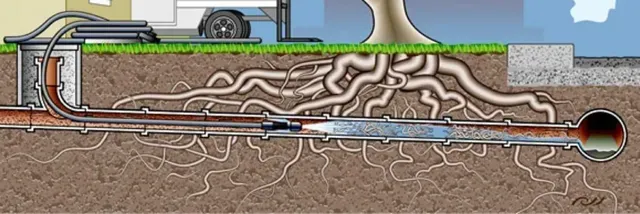
Freezing can cause damage hidden behind walls or under slabs; these cases often present as persistent damp spots, unexplained pressure loss, or inflated repair costs from repeated patching. Leak detection specialists use pressure tests and camera inspection to pinpoint hidden failures without unnecessary demolition. For slab leaks, common remedies include targeted pipe rerouting above the slab, directional drilling to replace the affected service segment, or sectional replacement where feasible. Because repair choices affect structural elements and long-term serviceability, consult licensed plumbers to weigh options and secure necessary permits.
Patching Methods for Joints and Fixtures
Freeze-thaw cycles commonly weaken joints, valve stems, and fixtures. When a valve stem leaks, replacing the packing or the valve cartridge typically restores proper operation; if the valve body is corroded, replace the entire valve for reliability. For threaded union fittings or compression joints that leak after a freeze, disassemble, inspect for corrosion or damaged ferrules, and replace worn components before reassembling with proper sealants. Choose replacement parts made of corrosion-resistant materials appropriate to the system—brass, stainless steel, or high-quality plastic—as incompatible pairings can accelerate future failures via galvanic corrosion.
Long-Term Prevention and Maintenance
Preventing future frost damage hinges on insulation, heat retention, and design choices that minimize exposure. Insulate exposed pipes with foam sleeves or mineral wool, seal gaps where cold air intrudes, and relocate vulnerable lines away from exterior walls where practical. Install UL-listed heat tape or thermostatically controlled heating cables on sections that remain cold; these should be installed and used per manufacturer instructions and local codes. Maintain indoor temperatures during cold spells and allow faucets to drip slightly when severe cold is expected; running water, even at a trickle, reduces the chance of freezing. Regular inspections before and after winter, including checking insulation integrity and evaluating vulnerable piping, ensure early identification of wear that could be exacerbated by freezing.
Material Choices and Health Considerations
When carrying out repairs or upgrades after frost damage, evaluate the pipe materials for durability and safety. Some older systems may contain legacy materials that pose health concerns; for instance, understanding how lead pipes affect health and how to replace them? is critical when undertaking invasive repairs. Replacing lead-bearing service lines and interior plumbing with safe alternatives (copper or PEX, where permitted) requires careful planning, water testing, and qualified contractors who follow proper removal and disposal protocols to limit exposure. Additionally, selecting materials compatible with existing systems reduces galvanic corrosion risks and extends the lifespan of new installations.
When to Call Professionals
Call a licensed plumber for inaccessible frozen sections, suspected slab leaks, multiple simultaneous failures, or when repairs intersect with electrical systems or hazardous materials. Professionals can perform safe thawing when risks exist, execute code-compliant replacements, and provide leak-detection diagnostics to reveal secondary damage. Preseason maintenance, including inspecting insulation and evaluating vulnerable runs, often involves services from experienced companies; many homeowners rely on reputable firms for comprehensive winterization and emergency response, including related services like sump pump repair when thaw-related flooding is a concern.
Conclusion
Identifying frost-damaged pipes early and responding with safe thawing methods, effective leak isolation, and appropriate repairs can significantly reduce water damage and prevent costly restoration work. While temporary fixes may help in an emergency, permanent repairs using durable, compatible materials provide the best long-term defense against recurring freeze-thaw damage and future plumbing failures.
For lasting protection, insulate exposed pipes, install heating tape where suitable, and replace aging or vulnerable plumbing materials with the help of qualified professionals. Whether you need emergency assistance or long-term plumbing solutions, All City Plumbers can help assess, repair, and protect your plumbing system. By combining preventive maintenance, expert workmanship, and timely support, All City Plumbers helps ensure your home's plumbing remains reliable throughout the winter while safeguarding your property and your family's safety.