The Difference Between A Continuous-Feed & Batch-Feed Garbage Disposal
Garbage disposals are indispensable kitchen appliances that help manage food waste efficiently. When selecting a garbage disposal, understanding the difference between continuous-feed and batch-feed models is key to choosing the best fit for your home. Both types have distinct operational methods, safety features, and maintenance needs. This article provides an in-depth and professional comparison of continuous-feed versus batch-feed garbage disposals, informed by expert services from All City Plumbers. It also considers related home plumbing insights, including Waterline Repair & Replacement and fixing a water heater relief valve, to provide a comprehensive view of kitchen plumbing care.
Understanding Continuous-Feed Garbage Disposals
Continuous-feed disposals are the most widely used type in residential kitchens. These units operate using a switch that remains on as long as you need to grind food waste. With water running, you can continuously add food scraps into the disposal, making it convenient for handling large volumes of waste while cooking or cleaning up after meals.
This continuous operation allows for quick and easy disposal of food particles, minimizing kitchen cleanup time. However, because the disposal blades keep spinning throughout use, there is a higher risk of accidental injury. Care must be taken to keep hands and utensils away from the grinding chamber. Additionally, continuous-feed disposals tend to be louder as they operate for extended periods, potentially causing more noise disruption.
Exploring Batch-Feed Garbage Disposals
Batch-feed garbage disposals function only when a specially designed stopper or lid is securely placed over the drain opening. This lid acts as both an activation mechanism and a safety feature. When the lid is locked in place, the motor engages to grind a fixed batch of food waste. Once the grinding cycle completes and the lid is removed, the disposal automatically turns off.
Batch-feed disposals offer enhanced safety, especially beneficial for households with children or pets, as the unit cannot run unless the lid is engaged. This containment reduces the risk of accidental contact with the sharp blades. Additionally, batch-feed units typically generate less noise because they operate in shorter, controlled bursts instead of extended runs.
Despite these advantages, batch-feed disposals might be less convenient when frequent disposal is necessary, as users must wait for one batch to finish grinding before adding more waste.
Installation, Maintenance, and Plumbing Considerations
Correct installation and maintenance prolong the life and performance of garbage disposals. Licensed plumbers like All City Plumbers ensure disposals—whether continuous or batch-feed—are installed with secure connections, employing techniques such as properly using plumber’s tape to seal pipe joints and prevent leaks.
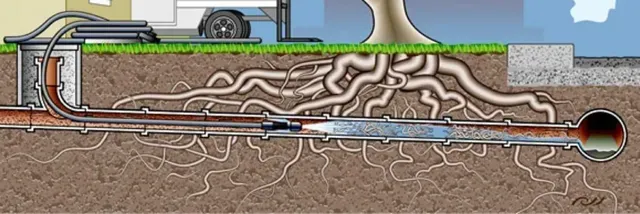
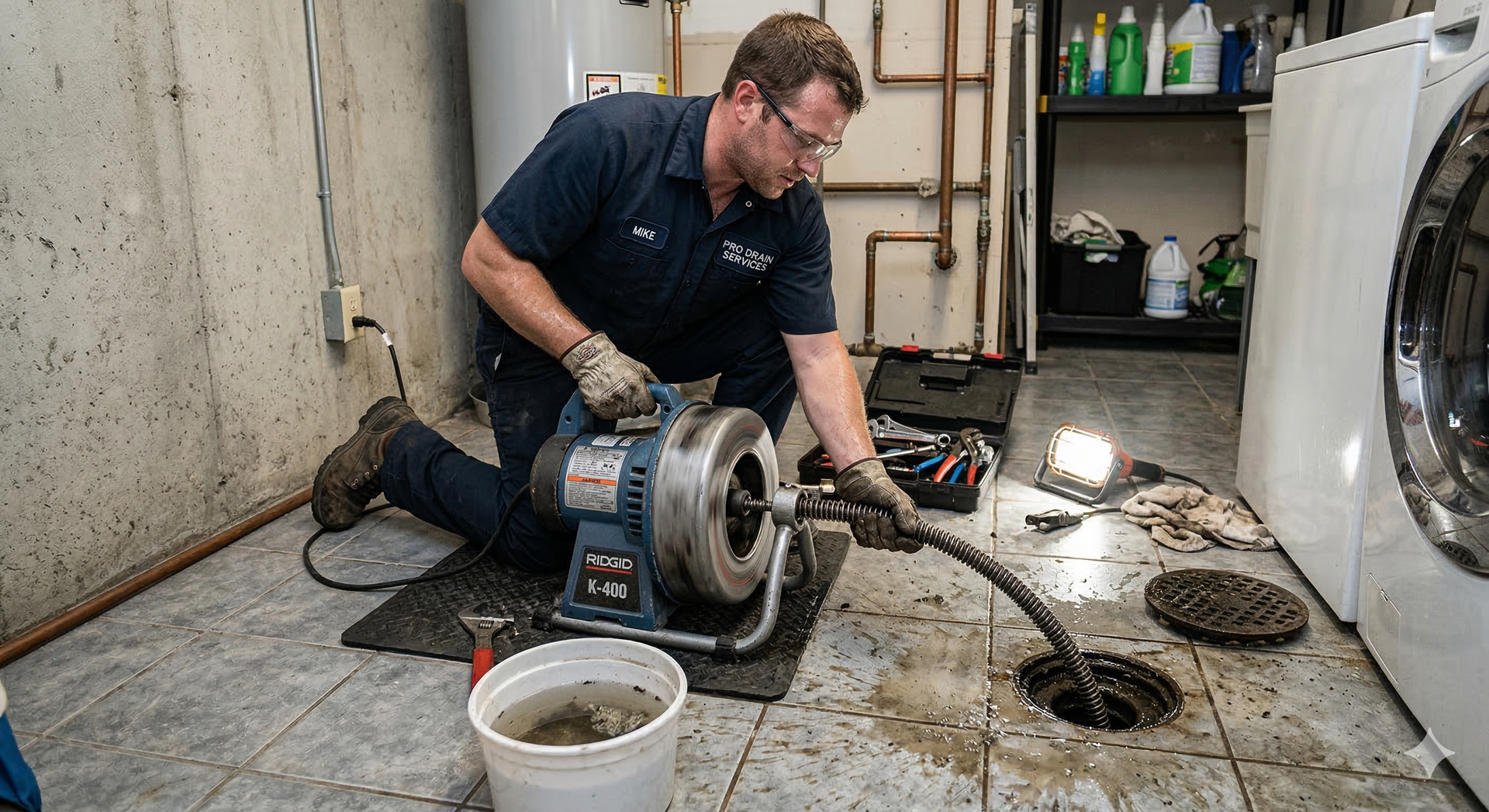
Routine maintenance, including clearing clogs and inspecting plumbing connections, is essential. Professionals also provide broader services like Waterline Repair & Replacement to fix issues affecting kitchen plumbing that could impair garbage disposal efficiency.
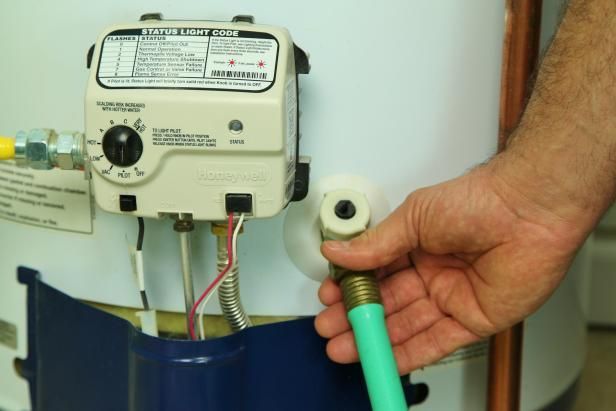
Additionally, when addressing household plumbing, tasks like fixing a water heater relief valve impact overall water flow and temperature, indirectly influencing disposal operation performance.
Choosing Between Continuous-Feed and Batch-Feed Disposals
Choosing the right disposal depends on your household's needs and priorities. Continuous-feed disposals are favored for their convenience and capacity to handle continuous waste during food prep, ideal for larger families or heavy kitchen usage. On the contrary, batch-feed disposals prioritize safety and noise reduction, perfect for homes with children or where safety is a paramount concern.
Both systems have pros and cons: continuous-feed disposals offer ongoing disposal with the risk of higher noise and injury potential, while batch-feed disposals provide controlled operation with safer usage but may limit disposal speed.
Conclusion
Understanding the differences between continuous-feed and batch-feed garbage disposals helps homeowners make informed decisions aligned with lifestyle, safety, and kitchen usage. Both types, when professionally installed and maintained by experienced plumbers like All City Plumbers, perform effectively as part of an integrated household plumbing system.
These experts also provide comprehensive plumbing support services, including Waterline Repair & Replacement and fixing a water heater relief valve, ensuring resilient and efficient kitchen water management.
Whether prioritizing convenience or safety, selecting the suitable garbage disposal type coupled with professional care ensures a cleaner, safer, and more efficient kitchen environment.