The Importance Of Insulating The Water Heater Tank To Save Energy
Insulating your water heater tank is a highly effective way to enhance energy efficiency, reduce utility bills, and prolong the lifespan of your water heating system. Despite its relatively simple concept, tank insulation is often overlooked by homeowners during maintenance or upgrades, missing out on significant potential savings and improved performance. This comprehensive article discusses the importance of insulating your water heater tank, explains how it works, outlines best practices, and emphasizes the role of expert professionals such as All City Plumbers in ensuring proper installation and maintenance. We also touch upon related plumbing concerns such as sump pump repair and how engaging a licensed plumber stands out in delivering safe, effective solutions.
How Water Heater Tank Insulation Saves Energy
Water heaters continuously lose heat through the tank walls, a process called standby heat loss, which occurs even when no hot water is being used. This heat loss forces the water heater to consume additional energy to maintain the desired water temperature, increasing electricity or gas costs unnecessarily.
By insulating the water heater tank, you create a thermal barrier that significantly reduces the rate of heat loss. Insulation blankets or custom-fitted jackets surround the tank with materials designed to trap heat inside. As a result, the water remains hot longer, reducing the frequency and duration that the heating element or burner activates.
The Department of Energy estimates that insulating an older water heater tank can reduce heat losses by 25% to 45%, resulting in substantial energy savings. For households, this translates into lower utility bills and a reduced carbon footprint, supporting eco-friendly living.
Benefits Beyond Energy Savings
Insulating your water heater provides several benefits beyond just saving energy costs. For one, insulation stabilizes the water temperature inside the tank, leading to more consistent hot water delivery. This stability means less fluctuation and improved comfort during showers or appliance use.
Furthermore, lowered strain on the heating element or burner extends the system’s service life. Water heaters frequently cycling on and off spoil components faster; insulation helps moderate this cycling by maintaining heat longer.
In addition, insulating your water heater tank can help reduce condensation on the tank’s exterior surface in humid environments, preventing surface rust and corrosion. This preservation reduces the likelihood of leaks and costly water damage.
Proper Installation and Maintenance Considerations
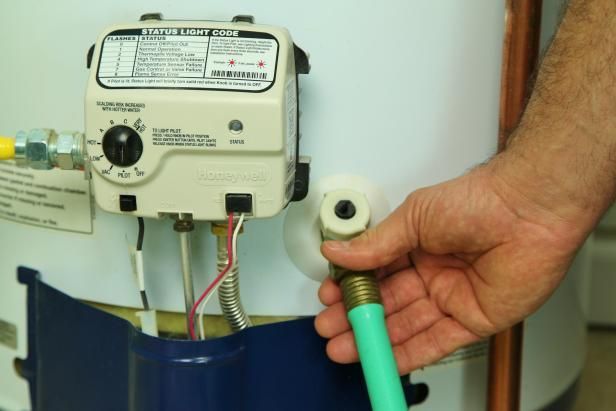
While insulating a water heater tank may seem like a straightforward DIY task, correct installation is vital to ensure safety and effectiveness. Improperly applied insulation can block important components such as temperature and pressure relief valves or control panels, posing risks and violating building codes.
Choosing the right insulation material is also important. Fiberglass insulation blankets with a vapor barrier are common, but there are also foam jackets or pre-cut kits tailored to specific tank models and sizes.
Engaging professionals like All City Plumbers ensures expert assessment of your existing water heater’s condition and precise installation without obstructing essential parts. Their experience guarantees maximum thermal protection and compliance with local regulations.
Regular maintenance by a licensed plumber stands out in prolonging water heater life, including inspection for leaks, evaluating sediment buildup, and testing safety valves. Such comprehensive care complements insulation benefits.
Related Plumbing Maintenance: Sump Pump Repair and Home Efficiency
Energy efficiency is a holistic home concern. Alongside water heater insulation, other plumbing components such as sump pumps also require regular attention. A malfunctioning sump pump can lead to flooding and water damage, wasting energy through related repairs and drainage efforts.
Scheduled sump pump repair and maintenance by skilled professionals like those at All City Plumbers ensure these systems operate reliably, especially during heavy rainfall or rising groundwater situations.
Combining energy-saving measures with routine plumbing upkeep creates a safer, more efficient household. Homeowners benefit from coordinated services that address multiple aspects of water management and conservation.
Conclusion
Insulating your water heater tank is a straightforward, cost-effective step with significant benefits for energy savings, improved comfort, and prolonged system life. Proper insulation reduces standby heat loss, retains temperature stability, and protects the tank from environmental wear.
For optimal results, professional installation and inspection by experienced plumbing experts such as All City Plumbers are essential. Their knowledge helps avoid common pitfalls, ensures compliance with safety standards, and integrates insulation with ongoing maintenance services.
Coupling insulation with related plumbing care, including sump pump repair and regular system checks, enhances home efficiency, safety, and durability. Through proactive investment in insulation and professional maintenance, homeowners secure long-term savings and peace of mind in their water heating systems.