The Importance of Regular Plumbing Maintenance
Your home’s plumbing system is like the circulatory system of your house—hidden away, but essential to everyday life. From taking a warm shower in the morning to washing dishes after dinner, we rely on plumbing more than we realize. Yet, it often gets overlooked until a major issue arises. Imagine waking up to a flooded kitchen or finding yourself without water just when you need it the most. Regular plumbing maintenance can prevent these scenarios, saving you from expensive repairs, water damage, and the stress of unexpected breakdowns. A well-maintained plumbing system ensures efficiency, longevity, and peace of mind. So, let’s explore why keeping your plumbing in top shape is not just a good idea—it’s a necessity.
Does Home Warranty Cover Plumbing?
Understanding the Common Causes of Plumbing Issues
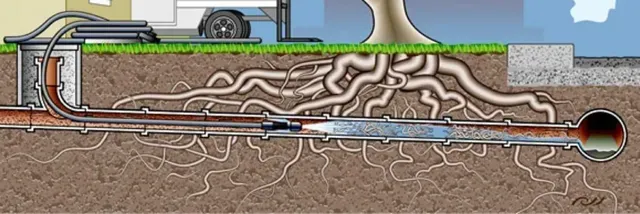
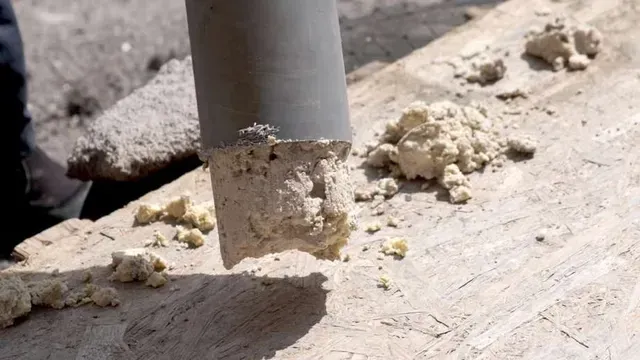
Plumbing problems don’t just appear out of nowhere. Most of them stem from gradual wear and tear, poor maintenance, or external factors. Clogged drains are one of the most frequent issues, often caused by grease buildup, hair, soap scum, and food particles. Leaky pipes can result from corrosion, excessive water pressure, or faulty connections. Hard water, filled with minerals like calcium and magnesium, can slowly damage pipes and reduce water flow over time. Even the environment plays a role—tree roots can infiltrate underground pipes, leading to severe blockages and costly repairs. Knowing these causes allows homeowners to be proactive, rather than reactive, in maintaining their plumbing.
Risks of Neglecting Your Plumbing System
Ignoring your plumbing system is like ignoring your health—sooner or later, the consequences will catch up.
- Water Damage: A minor leak can escalate into structural damage, mold growth, and costly repairs.
- Sewage Backups: Clogged pipes can cause wastewater to flow back into your home, creating a health hazard.
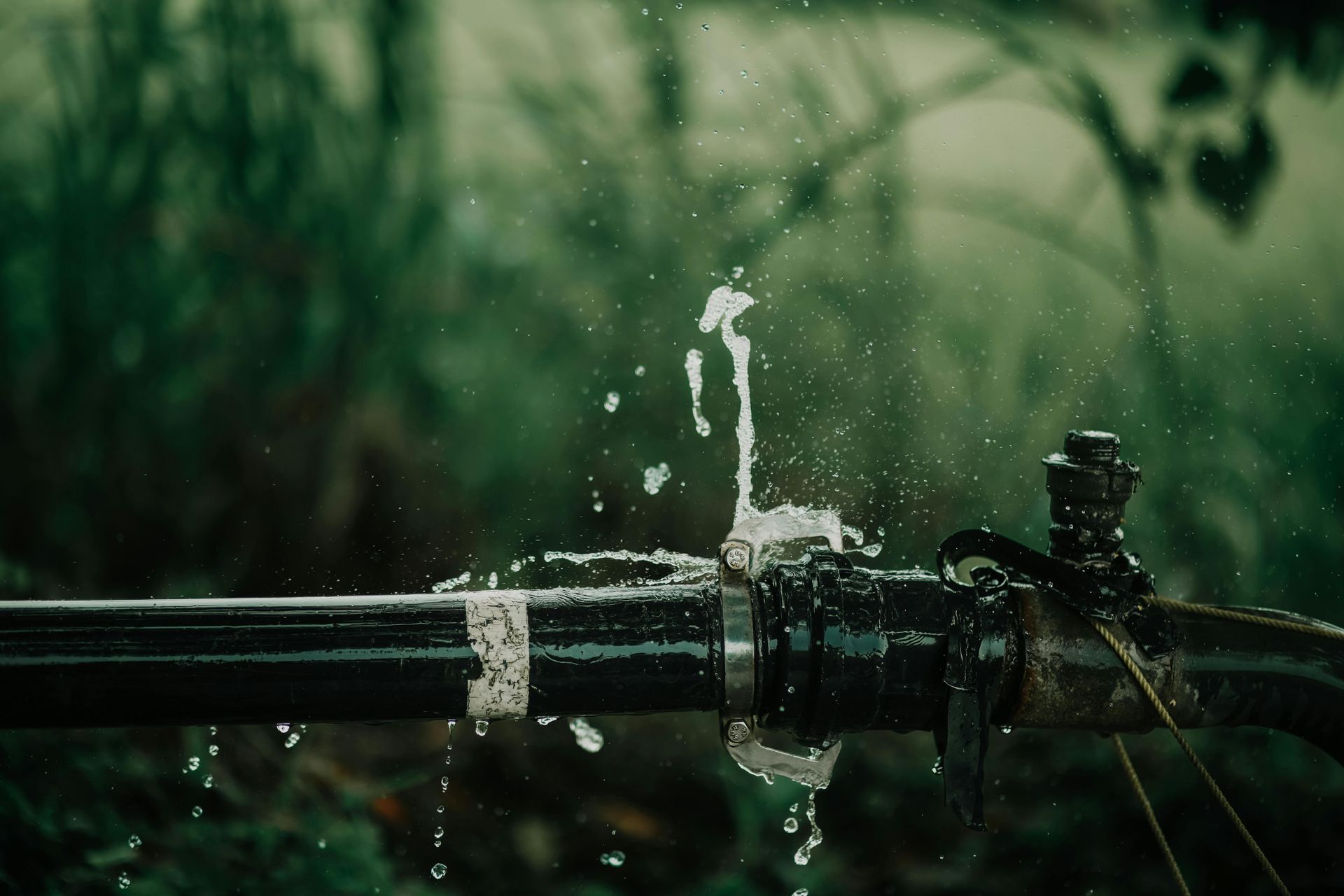
- Burst Pipes: Excessive pressure or freezing temperatures can cause pipes to crack or burst, leading to flooding.
- Increased Water Bills: Unnoticed leaks can waste thousands of gallons of water, driving up costs.
- Health Hazards: Mold, mildew, and contaminated water from pipe issues can pose serious health risks.
- Appliance Damage: Poor plumbing maintenance can reduce the lifespan of water heaters, dishwashers, and washing machines.
Steps to Keep Your Plumbing System in Top Shape
Regularly Check for Leaks
Inspect under sinks, around toilets, and near appliances for small drips or moisture buildup. Addressing leaks early prevents major damage.
Be Mindful of What Goes Down the Drain
Avoid flushing anything other than toilet paper, and never pour grease or oil down the sink. Use strainers to catch debris before it causes clogs.
Flush Drains Periodically
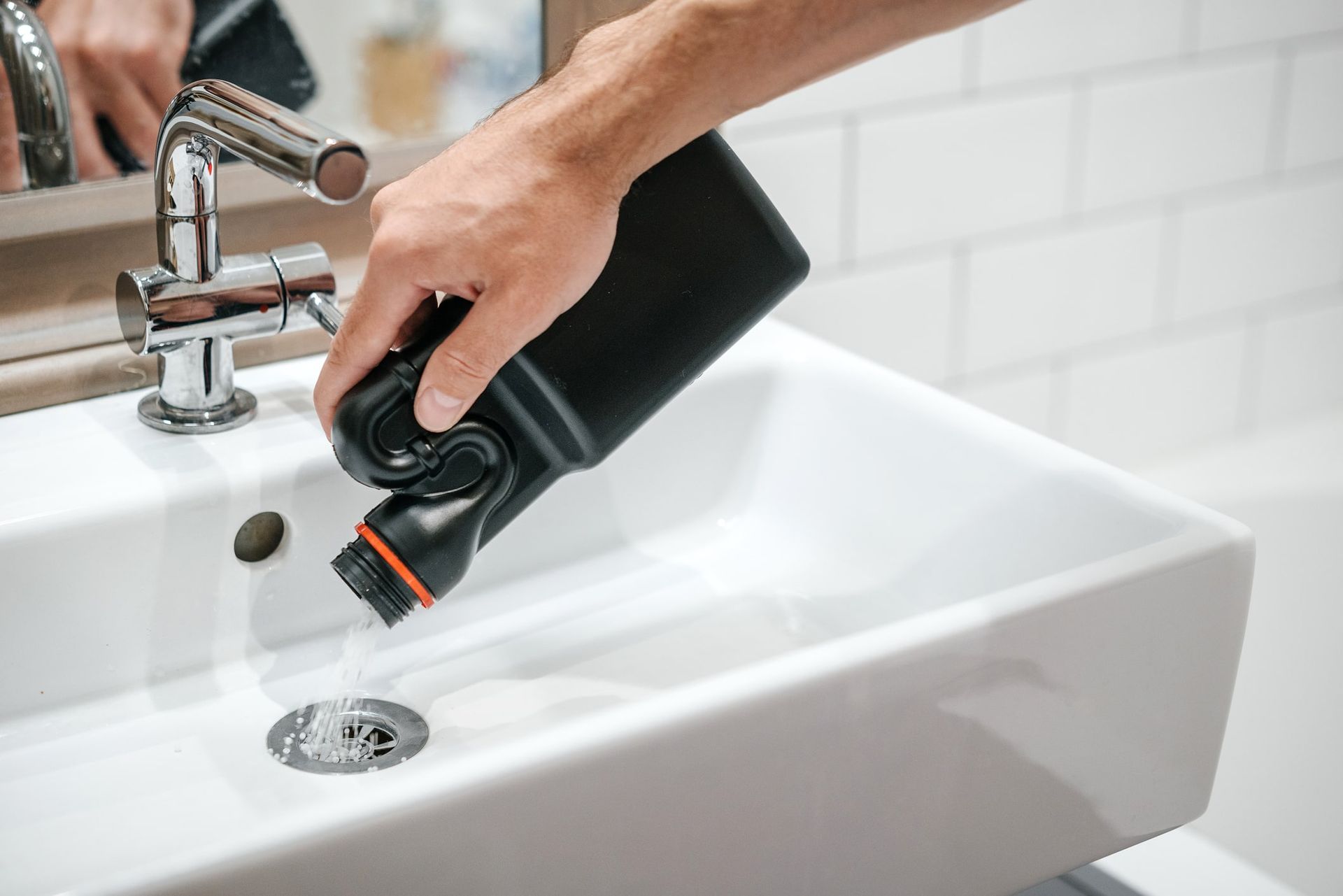
Every few months, clean your drains with a mixture of hot water, vinegar, and baking soda to prevent buildup and odors.
Monitor Water Pressure
High water pressure may feel great, but it can strain pipes. Use a pressure regulator to keep it at safe levels and extend the life of your plumbing system.
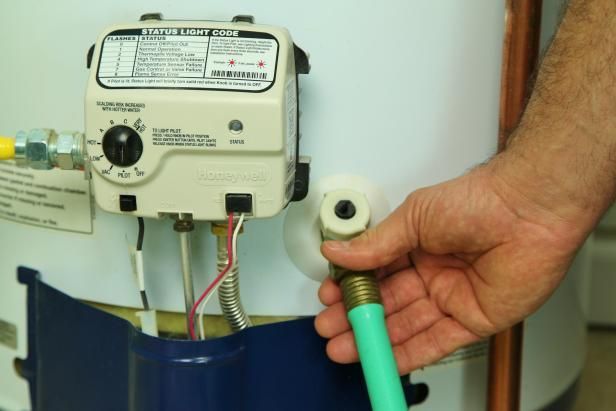
Flush Your Water Heater Annually
Over time, sediment buildup can affect performance and efficiency. Flushing the tank yearly ensures it runs smoothly and lasts longer.
Install a Water Softener if Needed
If you have hard water, installing a softener helps prevent mineral buildup in pipes and appliances, improving longevity and efficiency.
Insulate Pipes for Winter
Prevent frozen pipes by wrapping exposed pipes with insulation, especially in colder climates. This reduces the risk of bursts and costly repairs.
Expert Recommendations: When to Call All City Plumbers
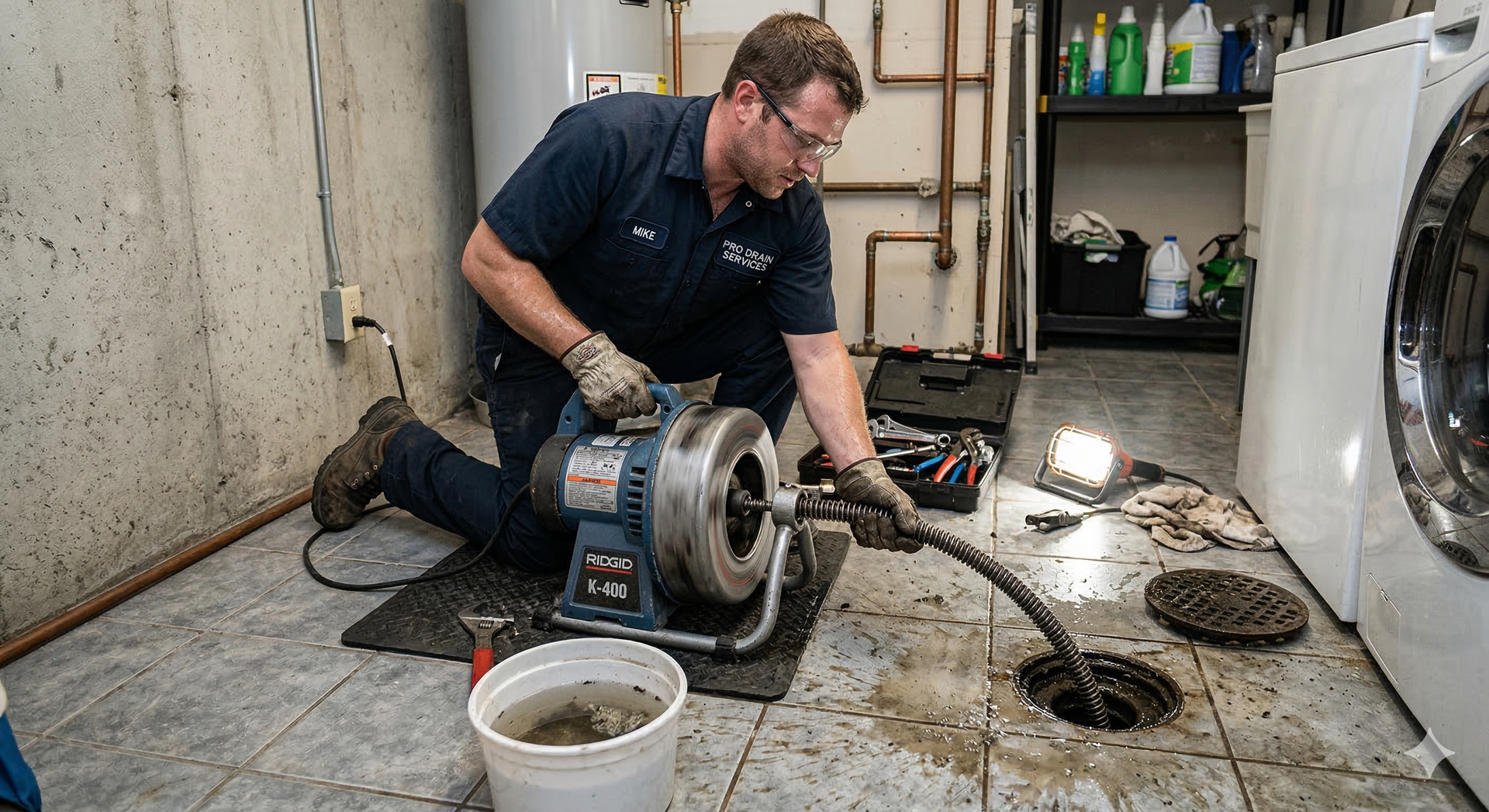
While DIY maintenance can go a long way, some plumbing issues require the expertise of All City Plumbers. Call a professional if:
- You notice a sudden drop in water pressure or discolored water.
- Your water bill spikes unexpectedly.
- Drains are slow despite home remedies.
- Your water heater isn’t providing consistent hot water or is making unusual noises.
- You have an older plumbing system that hasn’t been inspected in years.
How to Avoid Plumbing Disasters
- Routine Inspections: Even if nothing seems wrong, regular checkups can catch hidden problems early.
- Install Leak Detectors: These can alert you to small leaks before they cause damage.
- Know Your Main Water Shut-Off Valve: In an emergency, turning off the water quickly can prevent severe flooding.
- Educate Household Members: Teach family members what can and cannot go down the drain to prevent unnecessary clogs.
Conclusion: A Little Effort Goes a Long Way
Regular plumbing maintenance is not just about avoiding disasters—it’s about ensuring comfort, efficiency, and financial savings in the long run. A well-maintained plumbing system reduces water waste, prevents costly repairs, and keeps your home safe from hidden dangers like mold and structural damage. Taking a little time to inspect, clean, and maintain your plumbing can spare you from stressful emergencies down the road. So, before you put off that small leak or ignore that slow drain, remember: a little effort today can save you a fortune tomorrow.