The Top 5 Plumbing Emergencies (And How to Minimize Damage)
Plumbing emergencies can disrupt your daily life and cause significant damage to your property if not handled promptly and effectively. Being prepared and informed about the most common emergencies can save you time, stress, and money. In this article, we explore the top five plumbing emergencies homeowners usually face and provide detailed guidance on how to minimize damage before professional help arrives. With reliable Emergency Services from trusted providers like All City Plumbers, you can swiftly restore your home’s plumbing health. Alongside, we’ll touch on important topics such as the causes of slow-draining sinks and how to fix them, helping you maintain a well-functioning system and avoid future crises.
1. Burst Pipes
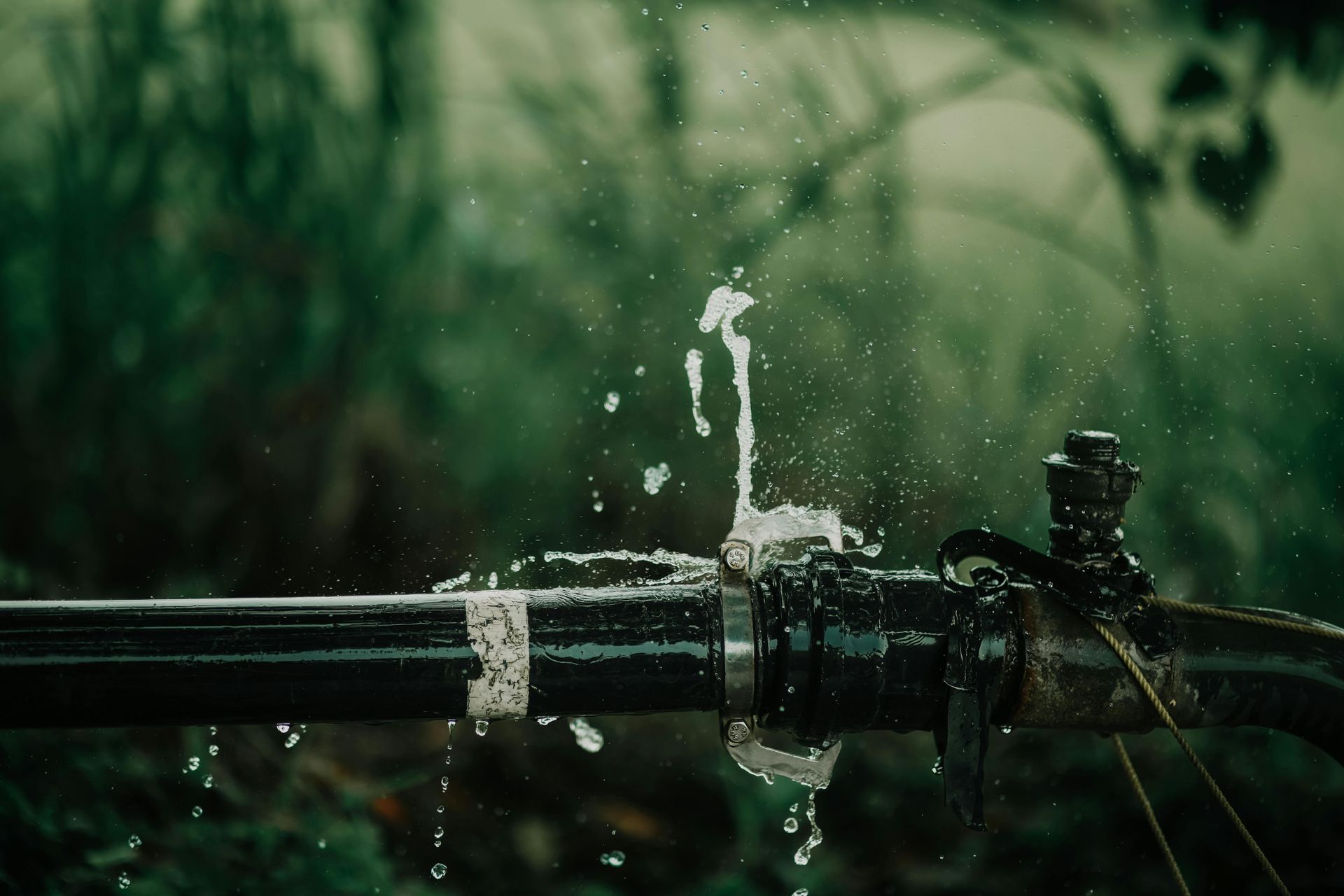
Burst pipes are among the most dramatic and destructive plumbing emergencies. They typically occur due to freezing temperatures that cause water inside the pipes to expand, corrosion weakening pipes, or sudden pressure surges. When a pipe bursts, water can flood your home rapidly, damaging floors, walls, and belongings within minutes.
Minimizing Damage: At the first sign—such as a drop in water pressure, unusual sounds, or visible leaks—immediately shut off your home’s main water supply to stop flooding. Remove valuables from the affected area and contact emergency plumbing professionals like All City Plumbers for rapid response. Meanwhile, try to dry the area thoroughly to prevent mold growth. Regular insulating of pipes and winterizing your home are preventative measures to reduce the risk of burst pipes.
2. Clogged Drains and Toilets
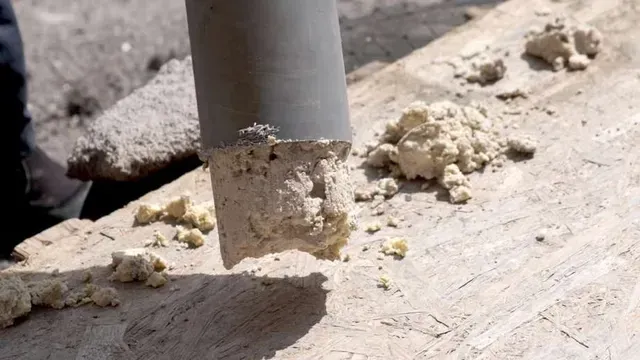
Clogged drains are a frequent nuisance that can escalate to an emergency if wastewater starts to back up, contaminating basements or living spaces. Causes vary from hair, grease, and soap buildup to flushing inappropriate items down toilets. Clogged sinks and toilets not only disrupt daily life but also pose health risks.
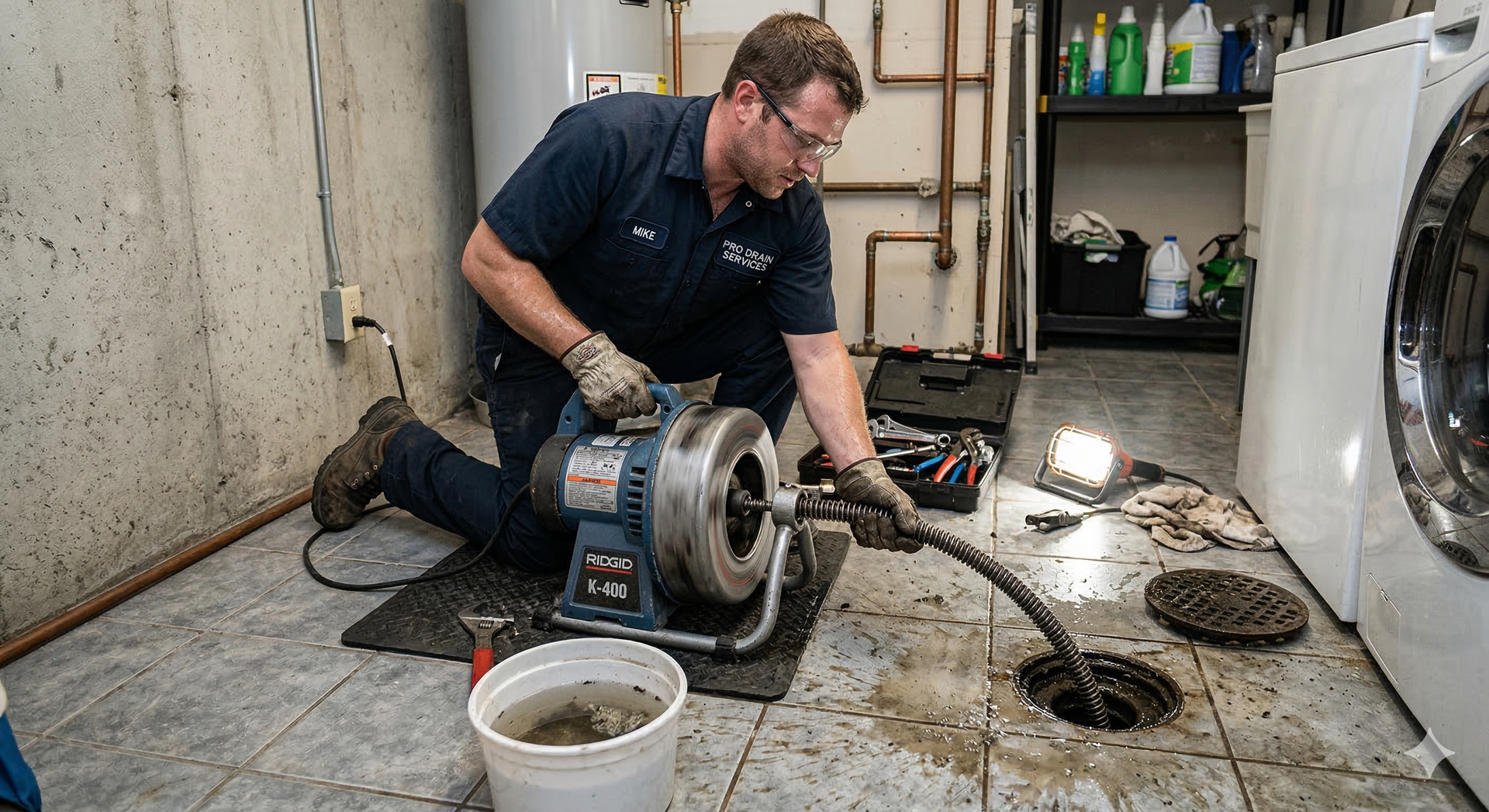
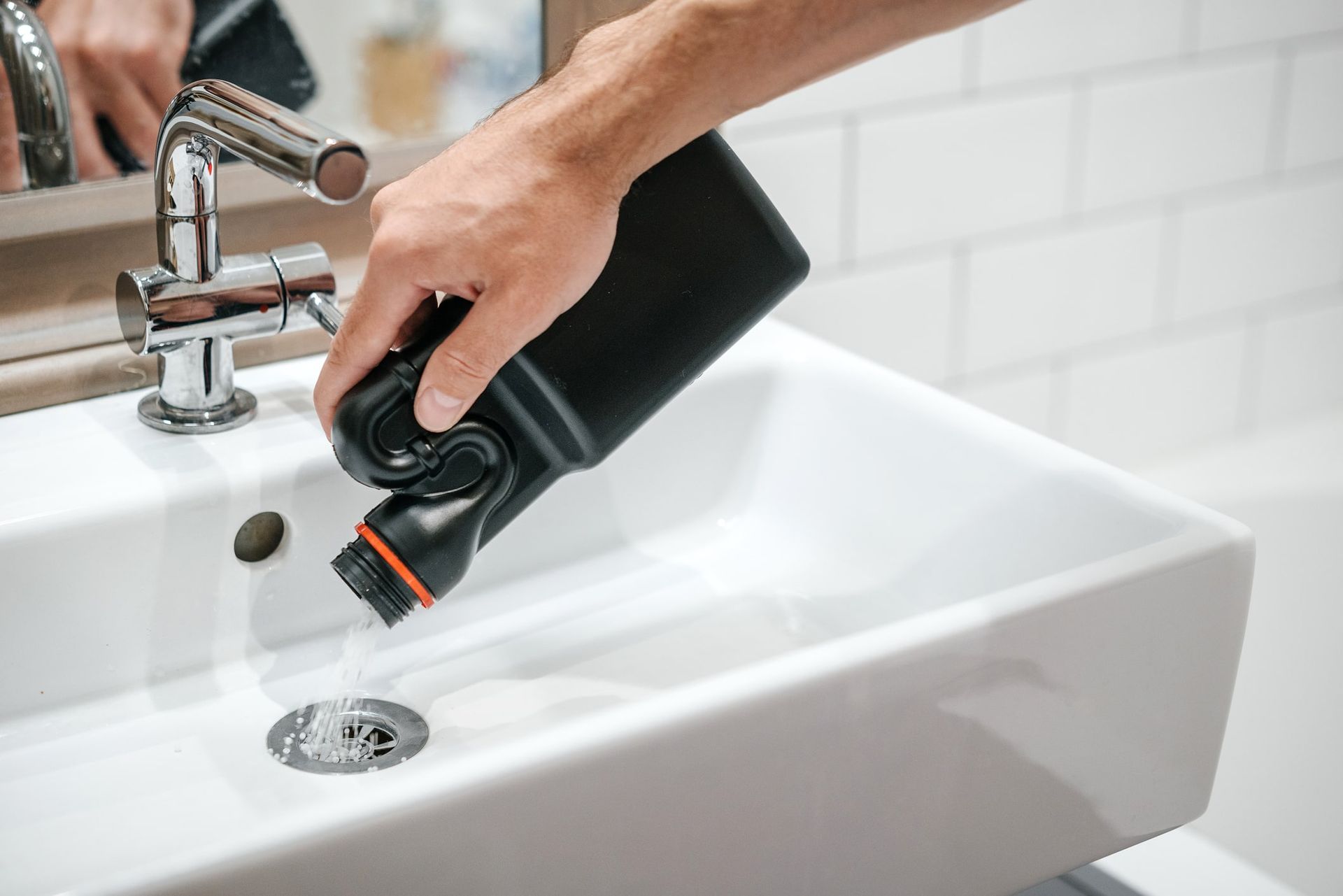
Minimizing Damage: Avoid using chemical drain cleaners excessively, as they may erode pipes. Instead, use a plunger or hand auger for minor clogs. If these fail, call professional Drain Clearing services. Understanding the causes of slow-draining sinks and how to fix them can help you identify problems early. In severe cases, professionals might recommend hydro jetting or traditional snaking to clear pipes effectively. Each method has pros and cons, which the plumber will explain based on your system’s needs.
3. Water Heater Failures
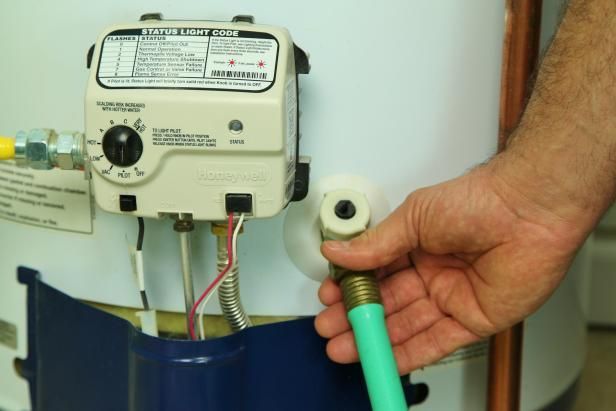
When your hot water heater malfunctions or leaks, it may cause water damage, disrupt your household routine, and raise energy costs due to inefficiency. Typical problems include thermostat failures, sediment buildup, and leaks.
Minimizing Damage: Shut off power or gas to the heater and close the water supply valve immediately if you detect leaks. Draining the tank periodically and scheduling professional maintenance can prolong the unit's life. If failure occurs, seek assistance from licensed plumbers to perform repairs or replacement safely.
4. Sewer Backups
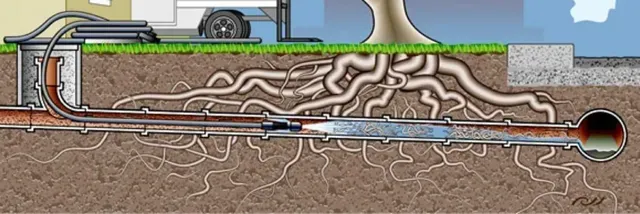
A sewer backup is a severe emergency where wastewater and sewage flow back into your home’s drains, often caused by clogged main sewer lines or tree root infestations. This issue can cause significant property damage and expose your family to harmful bacteria.
Minimizing Damage: Stop using water immediately to reduce backup volume. Do not attempt to handle sewage cleanup yourself due to health risks. Contact emergency plumbing experts with specialized equipment to clear blockages and sanitize affected areas. Regular sewer line inspections and preventative Drain Clearing can minimize the likelihood of backups.
5. Leaks and Flooding
Small leaks can quickly become major water intrusion problems if not addressed. Hidden leaks behind walls or under floors often go unnoticed until signs like water spots or mold appear.
Minimizing Damage: Regularly inspect your plumbing fixtures, appliances, and visible pipes for drips or corrosion. When a leak is detected, turn off the water supply to limit damage and call an emergency plumber. Prompt leak repair preserves water, protects your home, and reduces utility bills.
Proactive Tips to Avoid Emergencies
In addition to responding effectively to emergencies, it’s crucial to adopt preventative maintenance strategies. Regular inspections by professionals, such as All City Plumbers, coupled with periodic Drain Clearing help ensure your plumbing system functions optimally. Understanding common issues—including the causes of slow-draining sinks and how to fix them—enables you to identify early warning signs and take corrective steps before emergencies arise.
Conclusion
The top five plumbing emergencies—burst pipes, clogged drains, water heater failures, sewer backups, and leaks—pose serious threats to your home and wellbeing. Immediate action can minimize damage considerably. Having access to 24/7 Emergency Services from trusted companies like All City Plumbers ensures a rapid and professional response when you need it most. Combining quick reactions with regular preventative care and knowledge of your plumbing system will keep your home safe, dry, and comfortable.