Safe Use of Enzyme Cleaners in Garbage Disposals
Enzyme cleaners represent a biological powerhouse in modern plumbing maintenance, harnessing natural proteins derived from bacteria and fungi to break down organic waste. Unlike harsh chemical drain cleaners that rely on corrosive acids or lye, enzyme formulas produce enzymes like proteases, lipases, and amylases, which target specific food particles—proteins in meat, fats in grease, and starches in potatoes. In garbage disposals, these cleaners dissolve buildup inside the grind chamber and impellers, preventing clogs without damaging stainless steel components or rubber seals.
The appeal lies in their eco-friendliness; they biodegrade fully, leaving no toxic residues that could harm septic systems or waterways. Activated by warm water, enzymes multiply and digest waste over hours or days, offering a slow-release cleaning action superior for preventive care. Homeowners favor them for handling common disposal offenders like eggshells, fibrous vegetables, and coffee grounds, which traditional grinding alone often fails to eliminate completely. Proper understanding ensures maximum efficacy while minimizing risks like overuse leading to temporary bacterial blooms.
Benefits of Enzyme Cleaners Over Chemical Alternatives
Switching to enzyme cleaners yields tangible advantages in safety, longevity, and performance for garbage disposal upkeep. Chemical cleaners generate intense heat and fumes, risking burns, inhalation hazards, and pipe corrosion that shortens appliance life. Enzymes operate at ambient temperatures, avoiding such dangers and preserving the disposal's motor and seals. They excel at liquefying grease traps, a leading cause of backups, by emulsifying fats into water-soluble forms that flush easily.
Studies from plumbing research institutes highlight enzymes' superiority in septic-safe environments, where they enhance bacterial colonies rather than killing them. Cost-effectiveness shines through too; a single bottle treats multiple uses, outlasting pricier chemical batches. For households with frequent cooking, enzymes reduce odor emissions by neutralizing proteins before they ferment, maintaining a fresh kitchen. Overall, they promote sustainable habits without sacrificing cleaning power.
Step-by-Step Guide to Safe Application
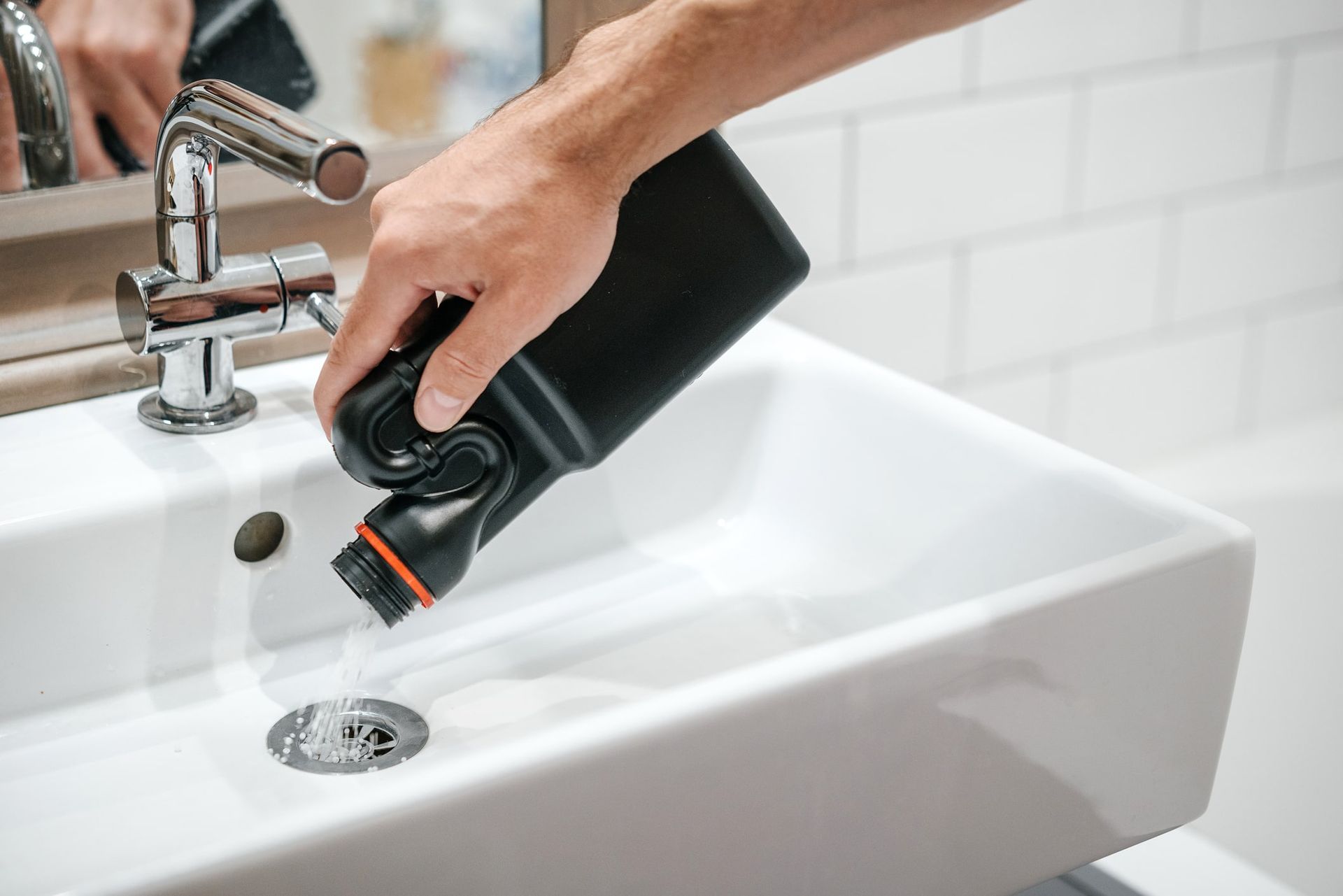
Applying enzyme cleaners safely begins with preparation: run cold water for 30 seconds to clear loose debris, then stop the disposal. Pour the recommended dose—typically one ounce—directly into the disposal opening, avoiding overflows. Add one cup of warm water to activate the enzymes without shocking the system; hot water above 140 degrees Fahrenheit can denature them prematurely. Let the mixture sit for 15 minutes to several hours, depending on buildup severity, before running warm water and the disposal for 20 seconds to rinse.
For overnight deep cleans, cover the opening loosely with a stopper to contain fizzing action. Always wear gloves and ensure ventilation, though enzyme products produce minimal odors. Test on small areas first if your disposal shows rust, as prolonged exposure might mildly etch older metals. Follow up weekly during heavy use seasons like holidays to maintain flow. This methodical approach maximizes dissolution while safeguarding the unit.
Common Mistakes and How to Avoid Them
Missteps with enzyme cleaners can undermine results or cause issues, so vigilance is essential. Overdosing leads to excess foam backing up sinks, so adhere strictly to label dosages scaled by drain size. Mixing with chemical cleaners creates hazardous reactions releasing chlorine gas; flush thoroughly between uses. Applying in cold pipes slows enzyme activity, so precondition with warm water.
Ignoring compatibility dooms efforts—enzymes falter against inorganic clogs like glass or plastic, requiring mechanical removal first. Running the disposal during treatment grinds enzymes prematurely, diminishing potency; patience yields better outcomes. Neglecting post-clean rinses leaves residues fostering new buildup. By sidestepping these pitfalls, users achieve reliable, residue-free results.
Integrating Enzyme Cleaners with Broader Plumbing Maintenance
Enzyme cleaners fit seamlessly into holistic plumbing routines, enhancing garbage disposal health alongside other fixtures. Pair them with monthly vinegar-baking soda flushes for mineral deposit removal, alternating to cover biological and inorganic challenges. For persistent odors, sprinkle ice cubes and lemon peels post-enzyme treatment to refresh impellers naturally.
Contact All City Plumbers for garbage disposal repair and replacement when enzymes alone fall short, as their specialists diagnose motor failures or jammed flywheels efficiently. Extend benefits to drains by using enzyme packets in sink traps monthly. This integrated strategy fortifies your entire system against common failures.
Safety Precautions and Health Considerations
Prioritizing safety elevates enzyme cleaners from effective to exemplary. Store bottles upright in cool, dry cabinets away from children and pets, as concentrated forms irritate skin or eyes—rinse exposures with water for 15 minutes. Though biodegradable, avoid ingestion; seek medical advice if swallowed. Pregnant users or those with respiratory sensitivities should ventilate well during application.
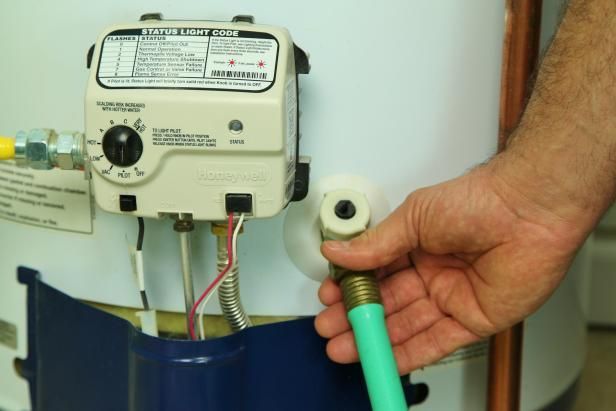
In multi-unit homes, notify neighbors before deep cleans to prevent shared-line backups. Regularly inspect for leaks, and learn to identify gas leaks near your water heater by watching for hissing sounds, dead vegetation, or sulfur smells, ensuring comprehensive home safety. These measures protect users and infrastructure alike.
When to Seek Professional Assistance
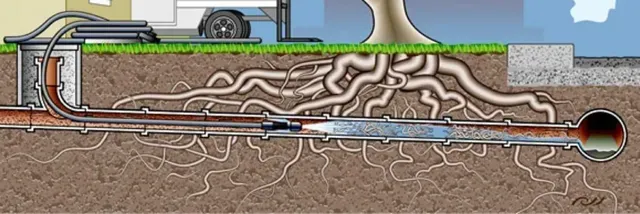
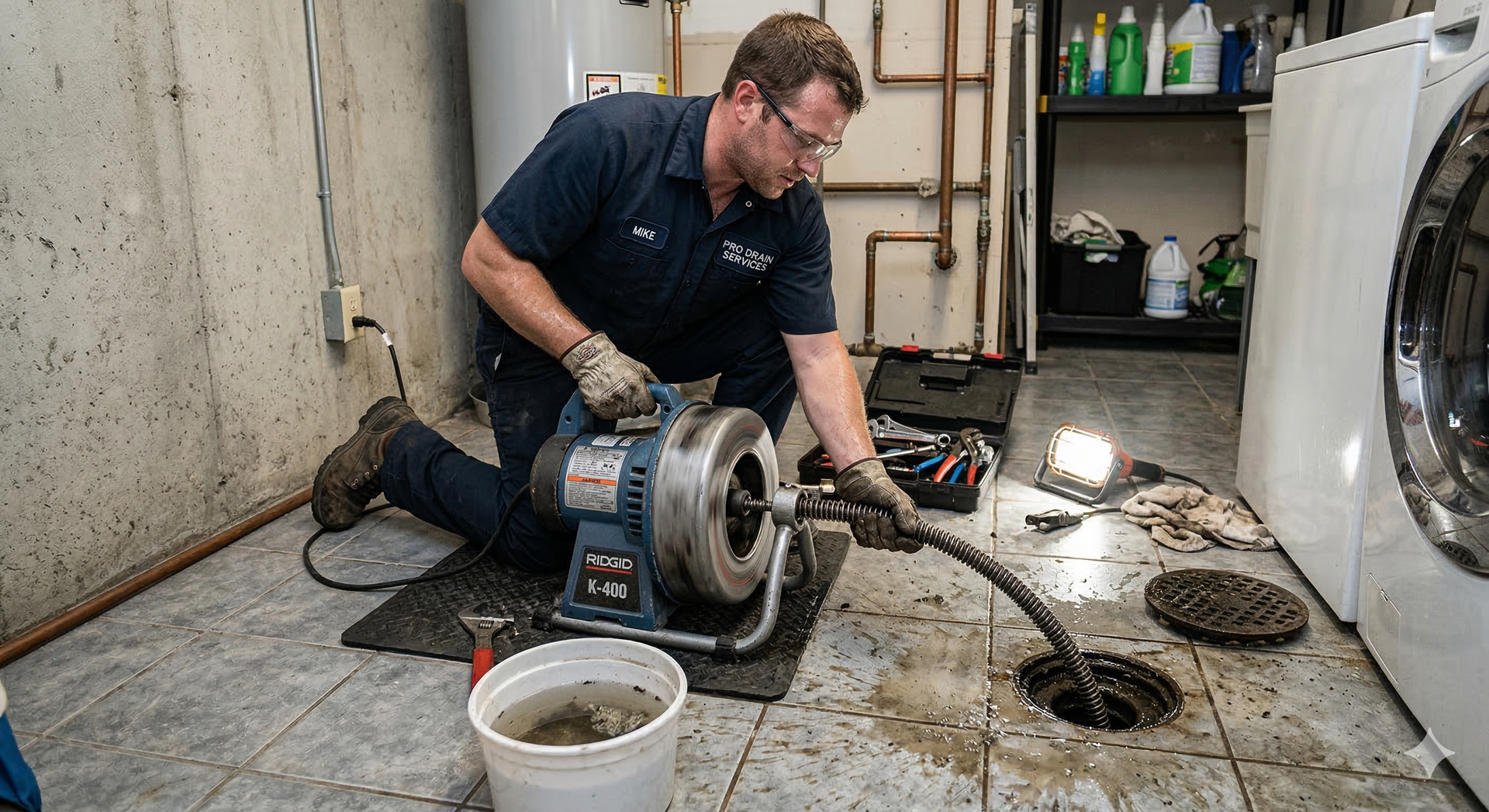
Enzyme cleaners handle routine maintenance superbly, but red flags signal pro intervention. If backups recur post-treatment, gurgling persists, or blades fail to engage, underlying issues like pipe offsets or motor burnout lurk. Professionals wield augers, cameras, and hydro-jets for thorough inspections beyond DIY reach.
Water in cabinets or foul sewage odors indicate breaches needing immediate repair. Budget $150-400 for services, far less than full replacements. Proactive calls prevent escalation, preserving warranty coverage on newer units.
Conclusion
In conclusion, mastering the safe use of enzyme cleaners revolutionizes garbage disposal care, delivering powerful, green cleaning without the pitfalls of chemicals. From precise application to integrated maintenance, these tools empower homeowners to sustain efficient, odor-free kitchens effortlessly while prioritizing safety and longevity.