Understanding the Basics of Your Home's Sewer System
A well-functioning sewer system is essential for maintaining a clean, safe, and healthy home environment. Despite its importance, many homeowners have limited knowledge of how their sewer system works and the steps required to maintain it. This comprehensive guide explores the fundamental components and operation of residential sewer systems, highlighting key maintenance tips and when to call professionals like All City Plumbers for assistance.
The Role and Components of a Home Sewer System
Your home’s sewer system is responsible for removing wastewater—from sinks, toilets, showers, and appliances—and directing it safely away from your property. Typically, this system includes drainpipes inside your home, a main sewer line, and connections to either a municipal sewer or an on-site septic system.
Drainpipes within the home carry wastewater from various fixtures to the main sewer line, which then transports it away from your property. The main sewer line is usually made of durable material such as PVC or cast iron and is designed to handle the cumulative wastewater flow from the entire household. Proper installation and maintenance of these components ensure smooth operation and prevent leaks or blockages.
Common Issues and Maintenance Considerations
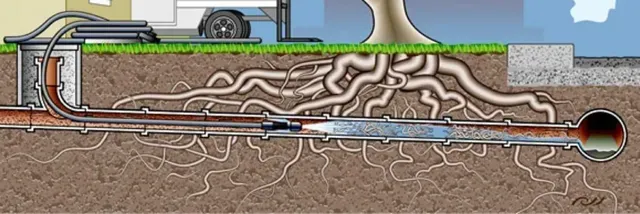
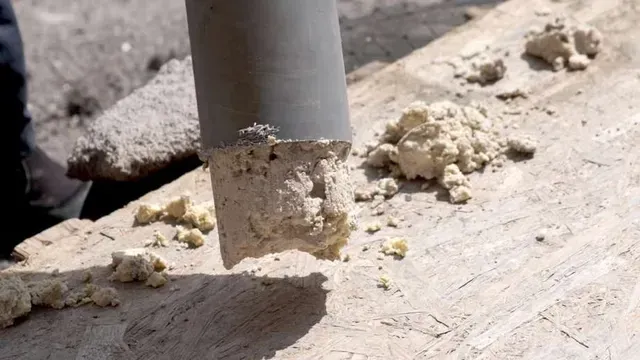
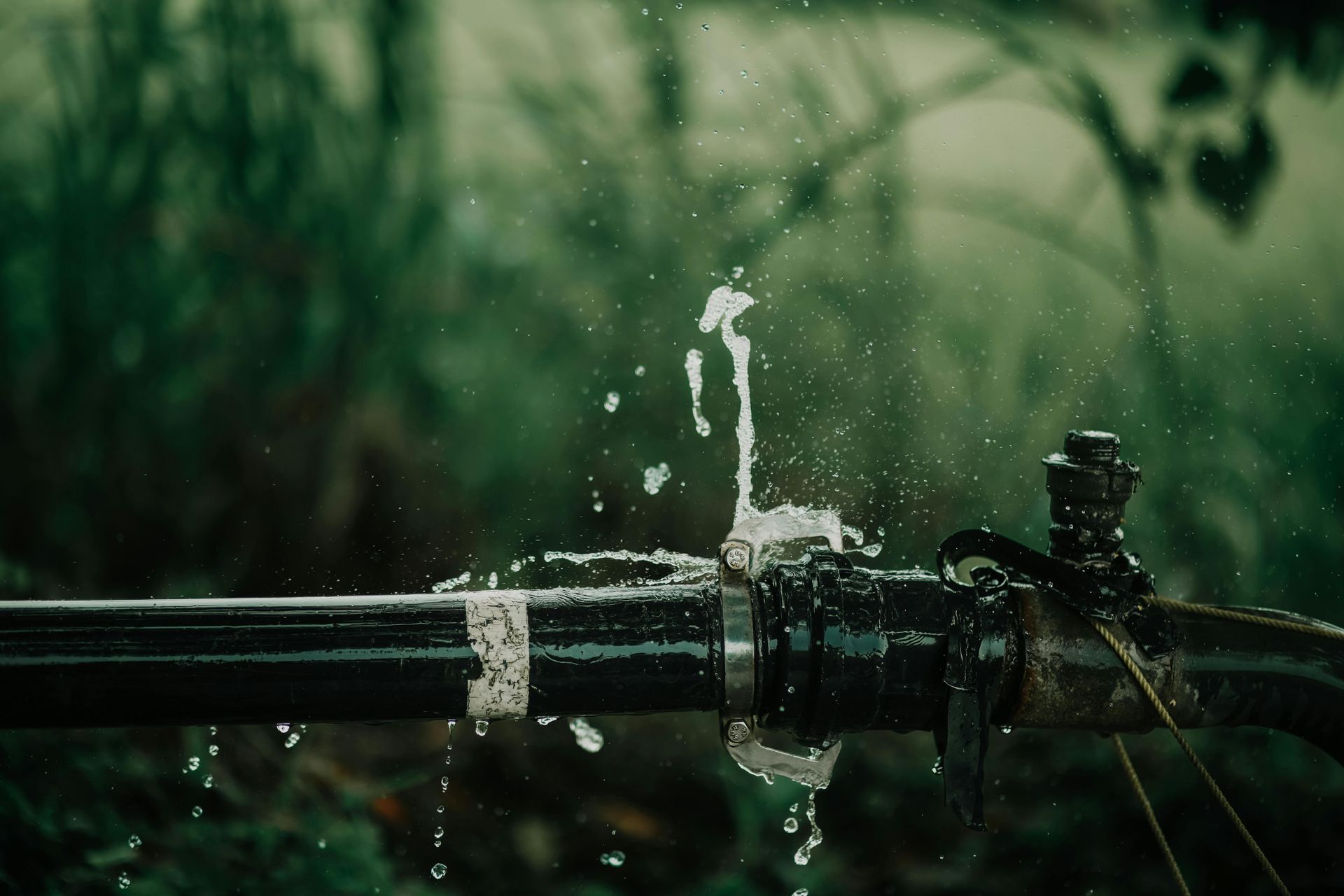
Blockages, leaks, and pipe deterioration are the most common issues affecting home sewer systems. Blockages often occur due to grease buildup, foreign objects, or tree roots intruding into underground pipes. Leaks and breaks may result from shifting soil, corrosion, or physical damage.
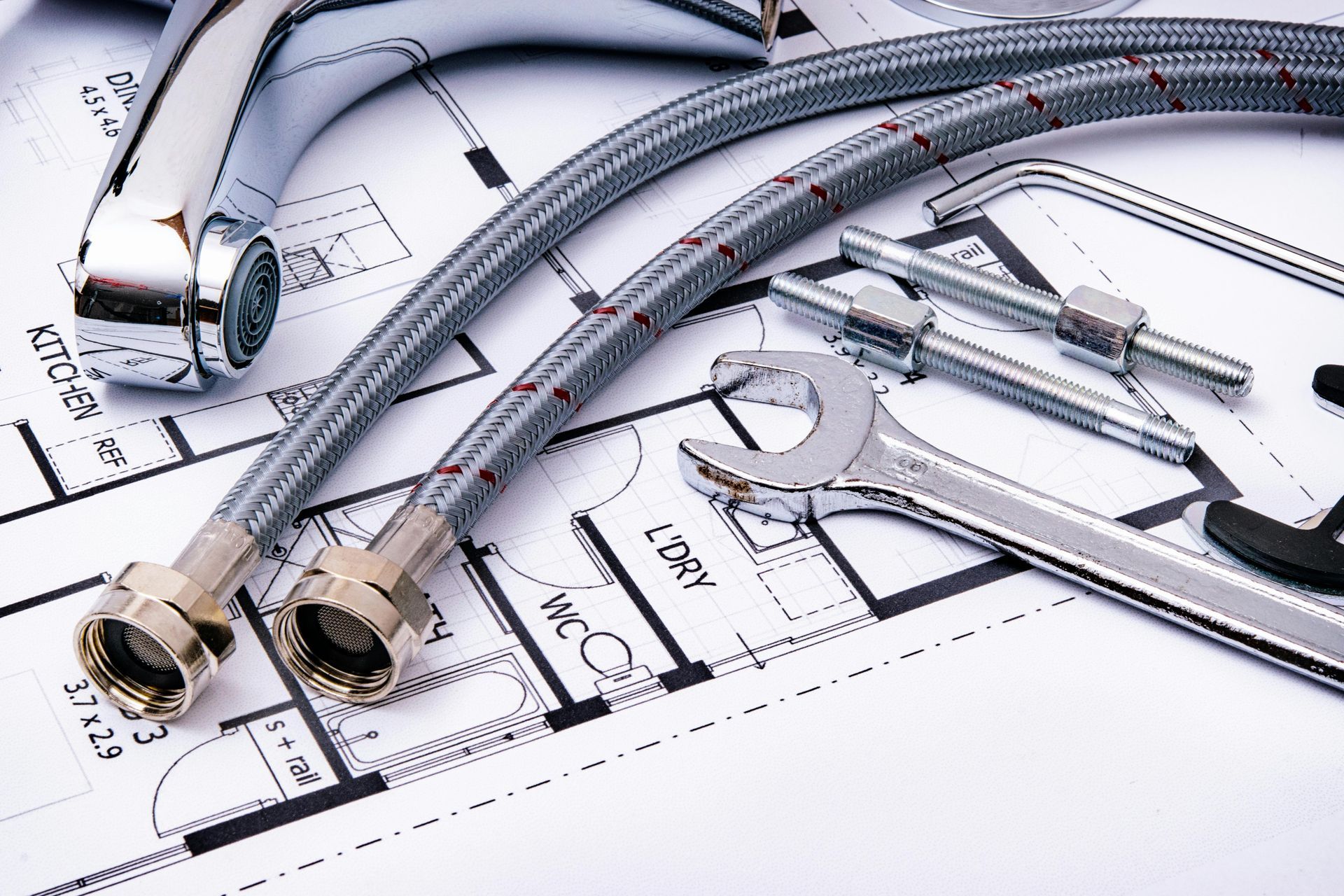
Routine inspections and preventive practices are vital to minimizing sewer problems. For instance, avoiding flushing non-degradable items and oil down drains helps reduce blockage risks. Understanding how to use plumber's tape for leak free pipe joints can be beneficial for minor repairs, ensuring secure and watertight connections.
When to Seek Professional Help
While minor blockages and leaks may be manageable, significant sewer line problems require expert intervention. In the event of sewer backups, foul odors, slow drains, or visible pipe damage, contacting professional services is imperative.
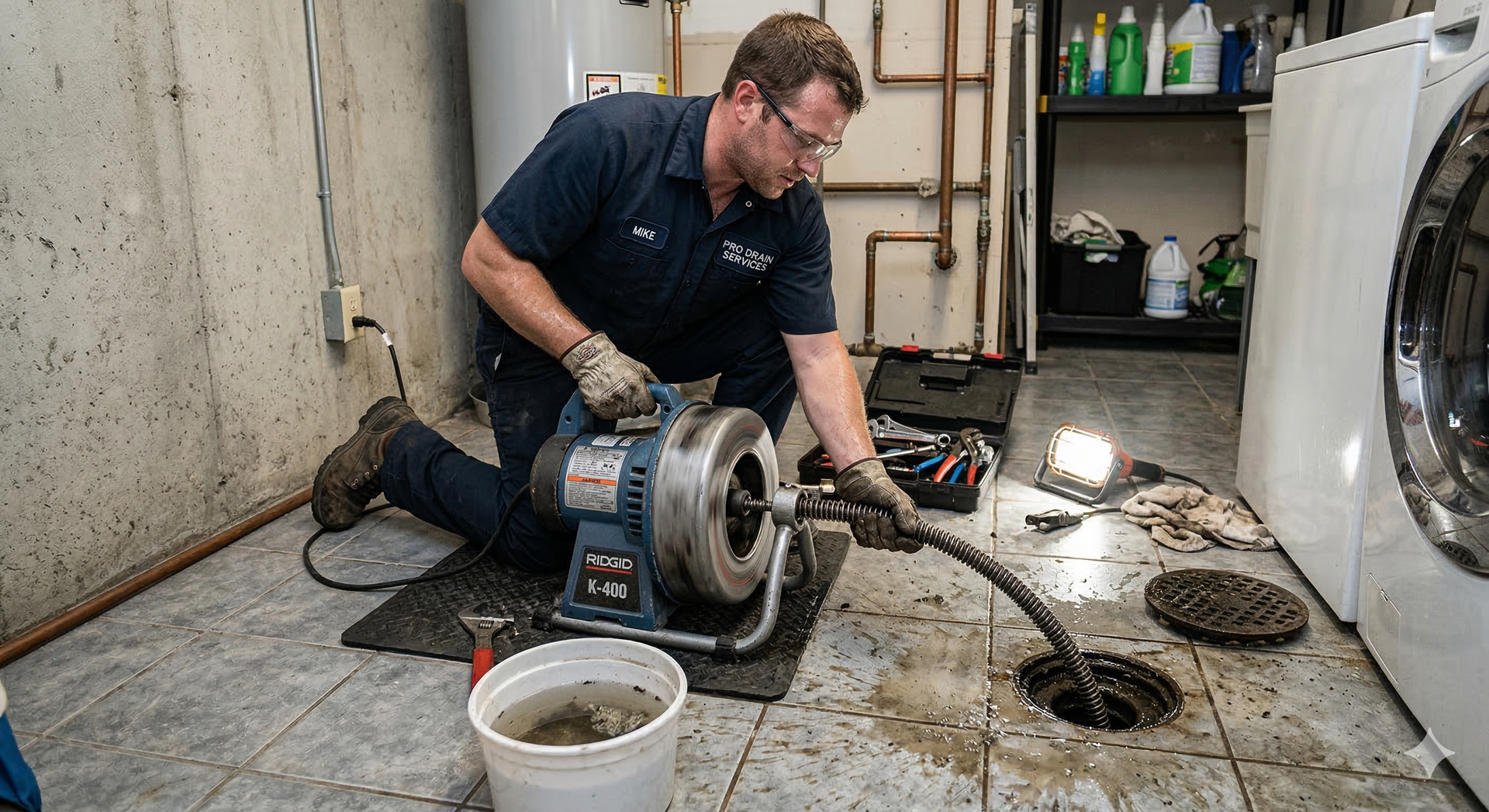
All City Plumbers specialize in sewer system diagnostics and repair, offering comprehensive solutions ranging from routine maintenance to emergency services. Their expertise includes using advanced techniques such as video pipe inspections to accurately identify and address issues.
The Importance of Emergency Services
Sewer system failures can escalate quickly, causing extensive property damage and health hazards. Therefore, having access to reliable emergency services is critical. Experienced plumbers can respond promptly to prevent flooding, sanitize affected areas, and restore the system’s operation.
Conclusion
Understanding your home’s sewer system basics helps you appreciate the importance of proper maintenance and timely repairs. Collaborating with professionals like All City Plumbers ensures your sewer lines remain clear and functional, safeguarding your home’s environment and your family’s well-being. When issues arise, whether routine or emergencies, relying on expert services offers peace of mind and long-term savings.