Sewer Line Freeze-Ups: Tools and emergency Fixes
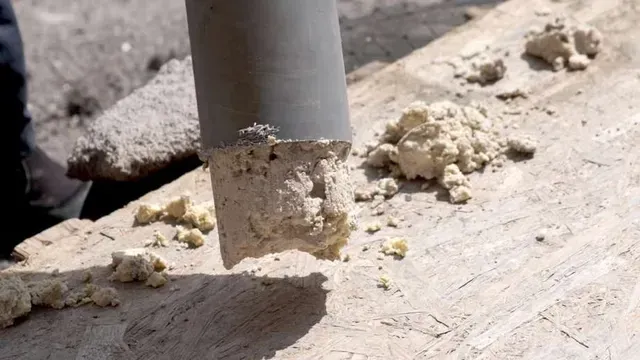
Sewer line freeze-ups occur when extreme cold temperatures cause water inside underground pipes to expand as it turns to ice, potentially cracking or blocking the lines. This issue is particularly common in regions with harsh winters, where ground temperatures drop below freezing for extended periods. Unlike surface-level plumbing problems, sewer lines buried several feet underground can still succumb to frost penetration, especially if they lack sufficient insulation or depth. Homeowners often notice the first signs during cold snaps: slow drains in toilets, gurgling sounds from fixtures, or sewage backups into bathtubs and showers. These symptoms arise because the ice blockage restricts flow, forcing wastewater to back up through the lowest points in the system.
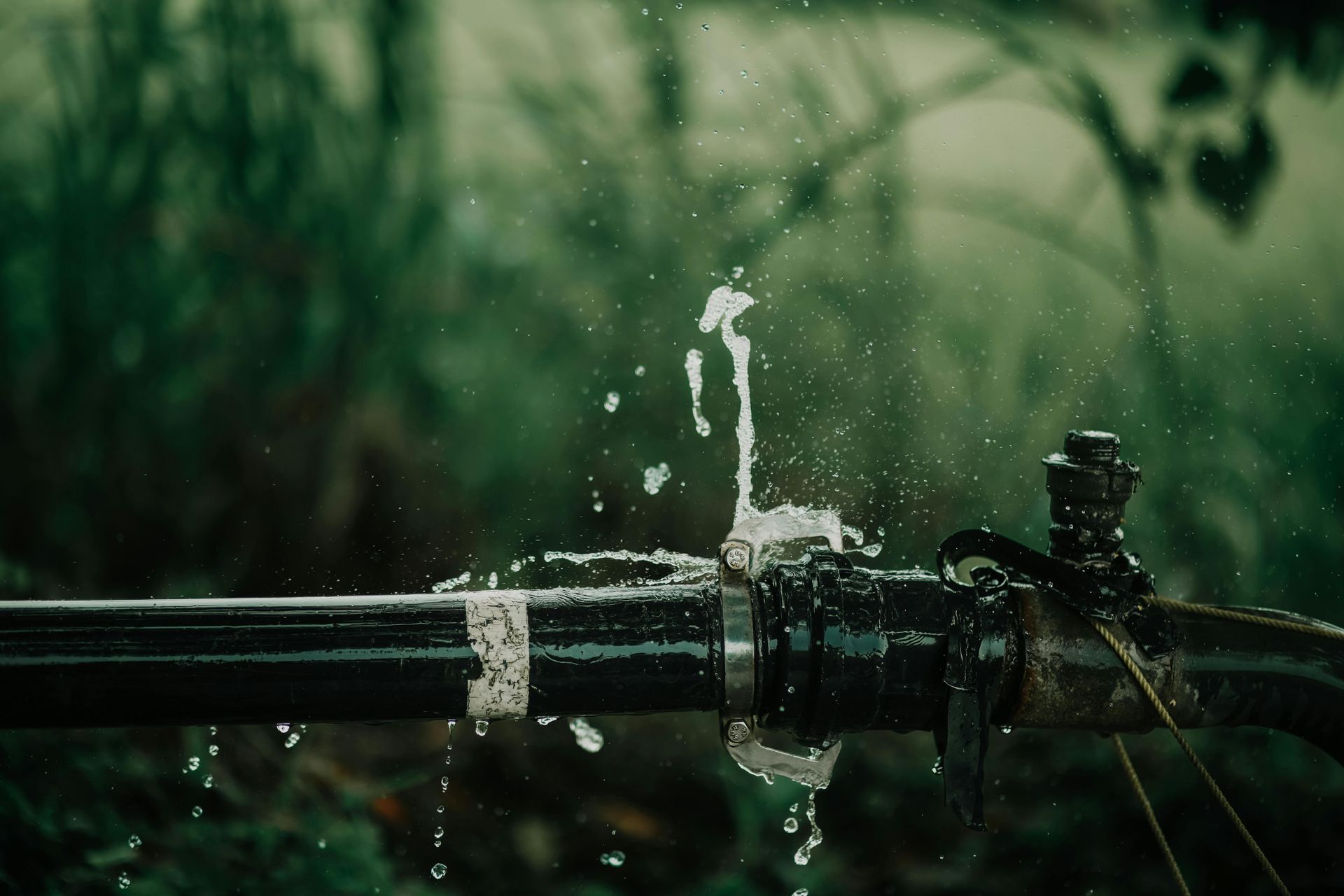
The mechanics of a freeze-up involve the unique properties of water, which expands by about nine percent when it freezes. In a sewer line, this expansion exerts immense pressure—up to 11,000 pounds per square inch—on pipe walls made of materials like PVC, cast iron, or clay. Over time, repeated freeze-thaw cycles weaken these materials, leading to cracks that worsen with each winter. Factors like poor drainage around the home, shallow pipe burial, or even tree roots exploiting existing vulnerabilities can compound the problem. Early recognition is key; ignoring initial slowdowns can escalate to full overflows, posing health risks from contaminated water and requiring costly excavations.
Essential Tools for Diagnosing Freeze-Ups
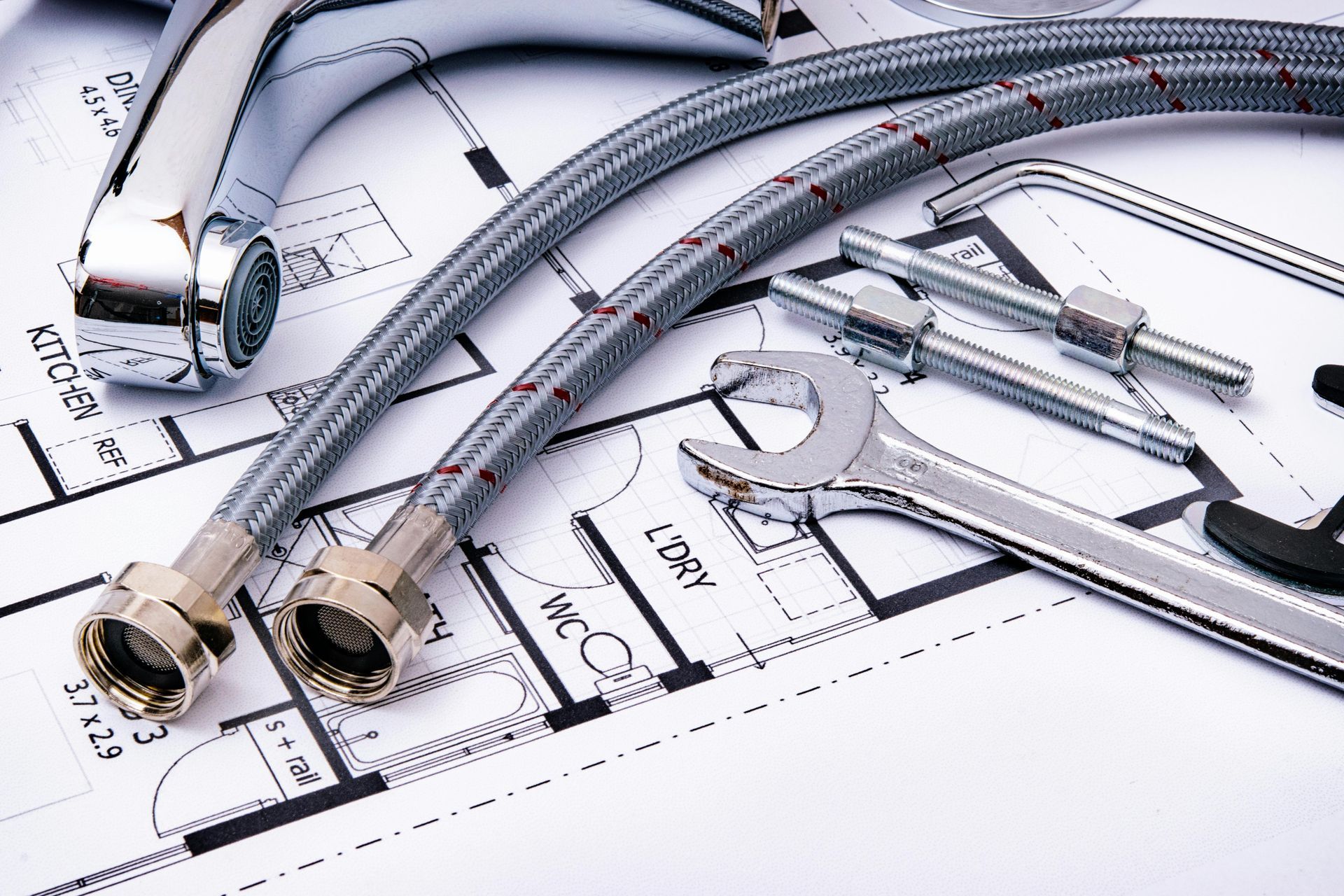
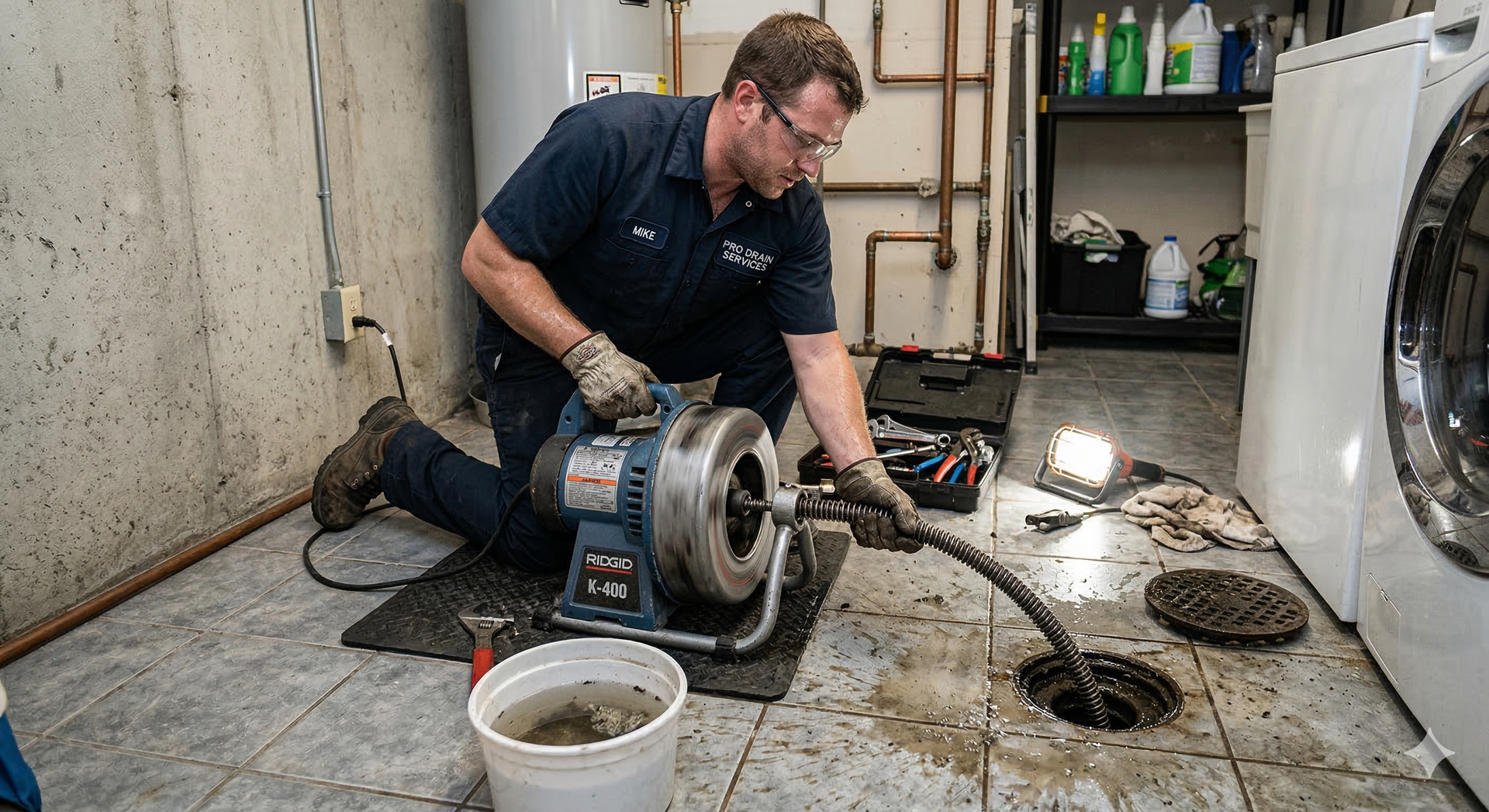
Diagnosing a sewer line freeze-up starts with the right tools, which allow homeowners to pinpoint the issue without immediately calling professionals. A basic plumbing snake, also known as an auger, is indispensable for probing drains from multiple access points like the toilet or cleanout. Models with flexible cables up to 100 feet long can navigate bends and reveal obstructions by feel or resistance. Pair this with a drain camera inspection tool, a waterproof device with a lighted head attached to a cable, which feeds live video to a handheld screen. These cameras, available in consumer-grade versions for under $200, let you visually confirm ice blockages or cracks without guesswork.
For temperature assessment, an infrared thermometer proves invaluable, scanning soil surfaces and pipe exteriors to detect unusually cold spots indicating frozen sections. Moisture meters complement this by measuring dampness levels around suspected areas, signaling potential backups. Don't overlook simple yet effective tools like a plunger with a flange for initial dislodging attempts or a pipe locator for tracing underground lines. Investing in a quality tool kit empowers proactive homeowners, but always wear protective gear such as gloves and goggles to handle potential sewage exposure safely. Regular maintenance with these tools can prevent minor freezes from becoming major crises.
Emergency Fixes to Restore Flow Quickly
When a sewer line freeze-up strikes, swift action can mitigate damage and restore functionality. Begin by shutting off the main water supply to prevent further pressure buildup in frozen sections, then open all faucets to drain residual water. Apply targeted heat using space heaters or heat lamps positioned safely near accessible pipes, maintaining a distance of at least three feet to avoid fire hazards. Wrapping exposed sections with heat tape—electric cables that self-regulate temperature—provides consistent thawing without overheating; plug them into a GFCI outlet and monitor closely.
For underground lines, dig small test trenches around cleanouts if accessible, exposing pipes to ambient warmth or directing steam from a pressure washer. Boiling water poured strategically down drains can melt minor surface ice, but use caution to avoid thermal shock that cracks pipes. Natural remedies like rock salt flushed through the system draw heat from the environment to dissolve ice, though they're less effective for deep freezes. Throughout, run hot water intermittently in unused fixtures to encourage melting from multiple angles. These fixes buy time, often restoring partial flow within hours, but persistent issues demand professional intervention to avoid recurrence.
Preventive Tools and Long-Term Solutions
Prevention trumps emergency fixes, and specialized tools make it achievable year-round. Insulating pipe sleeves, foam wraps, and rigid foam boards shield vulnerable sewer lines from frost, especially at joints and above the frost line. Install these during warmer months using adhesive-backed materials that conform to irregular shapes. Heat trace cables, permanently wired along pipes, activate via thermostat when temperatures dip, offering automated protection superior to temporary fixes.
Slope checks with a digital level ensure proper drainage grading around the home, directing water away from foundations and pipes. Aerator screens on downspouts prevent icicle formation that could drip onto sewer access points. For advanced setups, consider All City Plumbers for expert installation of these systems, as their technicians specialize in comprehensive winterization tailored to local conditions. Regular hydro-jetting with a high-pressure water tool clears debris buildup, enhancing flow resilience against cold snaps. Combining these tools with seasonal maintenance schedules fortifies your sewer system, potentially saving thousands in repair costs over time.
Integrating Water Heater Maintenance in Cold Weather
Water heaters play a subtle yet critical role in overall plumbing health during freezes, as their operation influences hot water circulation that can aid thawing. Tank-style units should be insulated with jackets to retain heat, reducing strain on the system when cold air infiltrates basements. Inspect anode rods annually to prevent corrosion, which weakens tanks and exacerbates freeze-related stress. Tankless models, with their on-demand heating, prove resilient but require freeze guards like recirculation pumps to keep water moving.
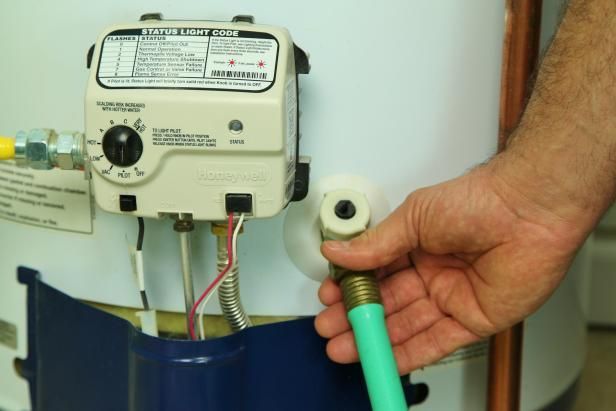
Beyond the heater itself, routine checks help identify gas leaks near your water heater, a hidden danger in cold months when ventilation slows. Sniff for rotten-egg odors from mercaptan additives in natural gas, or use a gas detector placed nearby for continuous monitoring. Shut off the supply valve and ventilate immediately if detected, then call for service. Proper maintenance ensures water heaters support rather than hinder sewer line performance, maintaining household hygiene amid winter woes.
Professional Interventions and When to Call Experts
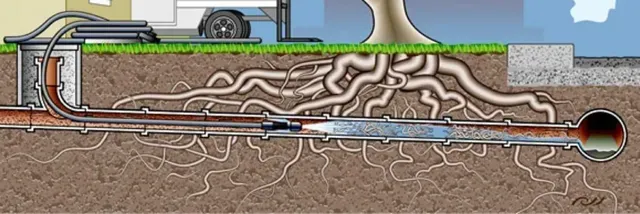
While DIY tools and fixes handle many freeze-ups, complex cases—like deep underground blockages or multi-line failures—require professional-grade equipment. Plumbers deploy sewer jetters blasting 4,000 PSI streams to pulverize ice and debris, followed by robotic cutters for precise root or crack removal. Thermal imaging cameras map entire systems, revealing hidden freezes invisible to homeowners. Pipe relining, a trenchless method, inserts epoxy-coated liners to seal cracks without digging, ideal for recurrent issues.
Video pipe inspections post-thaw verify integrity, preventing springtime surprises. Costs vary from $250 for basic jetting to $10,000 for full replacements, but early professional calls minimize escalation. Signs warranting experts include multiple fixture backups, foul odors persisting after fixes, or visible ground heaving near lines. Trust certified pros with liability insurance for safe, code-compliant resolutions.
Conclusion
In summary, arming yourself with the right tools and knowledge transforms sewer line freeze-ups from winter catastrophes into manageable events. From infrared diagnostics to heat tape applications and proactive insulation, these strategies safeguard your home's plumbing integrity. By staying vigilant through cold seasons and integrating maintenance like water heater checks, you ensure reliable flow year-round, preserving comfort and avoiding disruptions.