What to Do When Your Water Heater Stops Working?
A water heater is a vital appliance in any home, providing warm water for bathing, cleaning, and daily chores. When your water heater stops working, it can cause considerable inconvenience and discomfort. Understanding the common causes of failure, troubleshooting options, and when to seek expert help can save time, prevent further damage, and restore your comfort efficiently. This detailed article covers essential steps to take when your water heater breaks down, incorporating professional tips and clarifications on service roles such as the difference between a plumber and a general contractor in home repairs.
Understanding the Importance of Your Water Heater
Water heaters are critical components of household infrastructure, supplying hot water throughout bathrooms, kitchens, and laundry areas. They come in various models including tank-based storage heaters and tankless systems, each with unique operating mechanisms. A malfunctioning water heater impacts your daily activities, hygiene, and overall home functionality, making prompt diagnosis and repair essential.
Common Causes of Water Heater Failure
Many factors can cause a water heater to stop working. Common issues include:
- Power supply problems like blown fuses or tripped breakers in electric heaters.
- Faulty thermostats or heating elements.
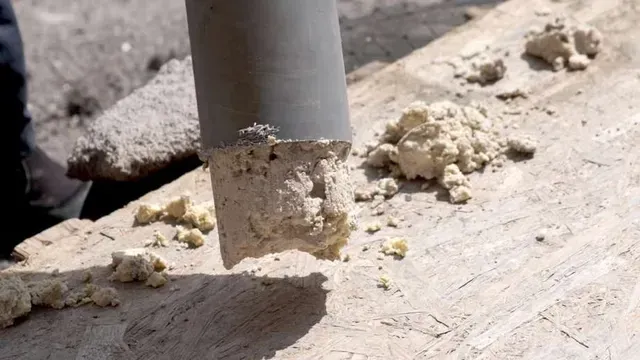
- Sediment buildup inside the tank leading to inefficient heating or leaks.
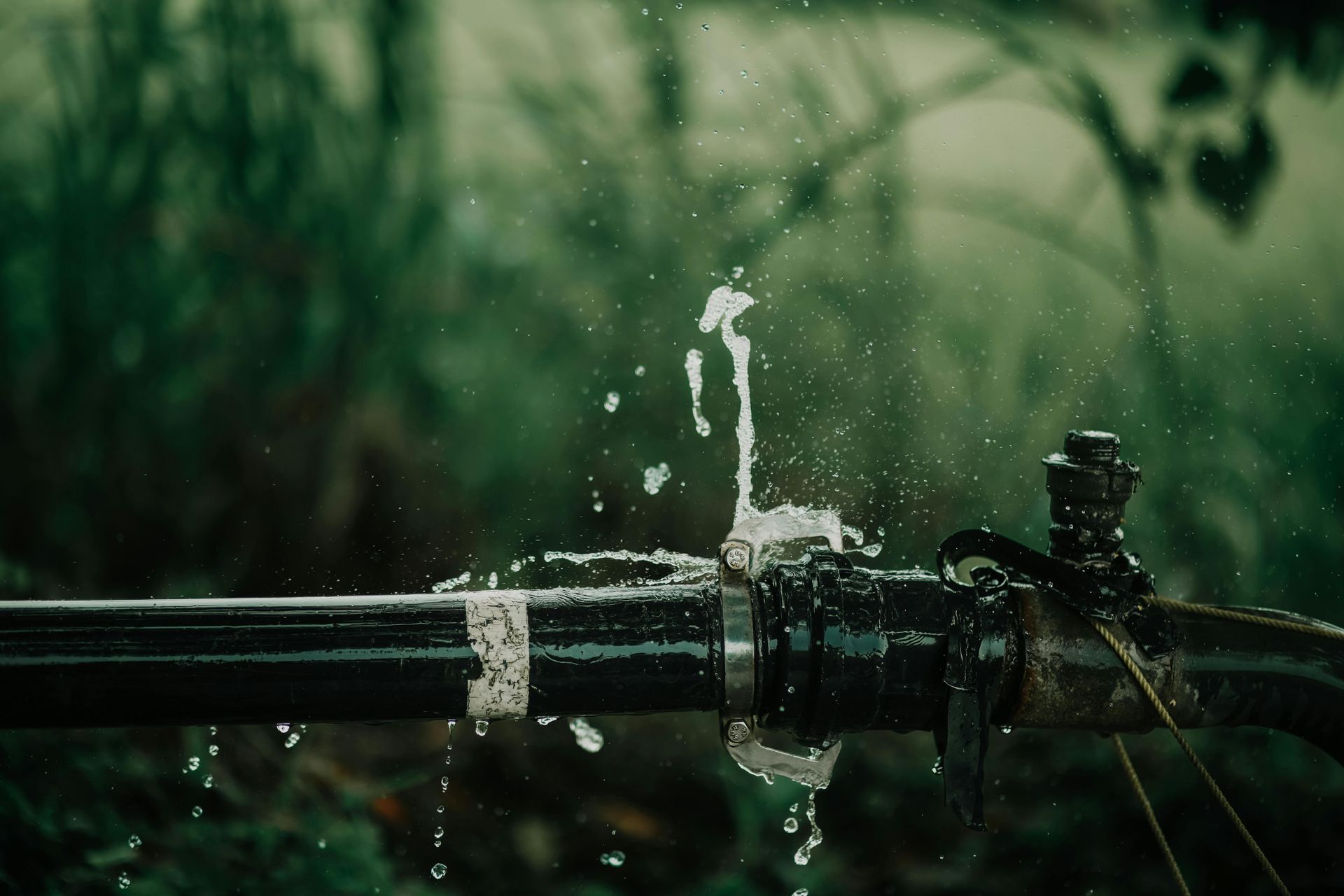
- Leakage from damaged pipes or valves.
- Pilot light outages in gas water heaters.
- Malfunctioning gas valves or igniters.
Each cause requires different troubleshooting approaches, ranging from simple resets to component replacement.
Initial Troubleshooting Steps
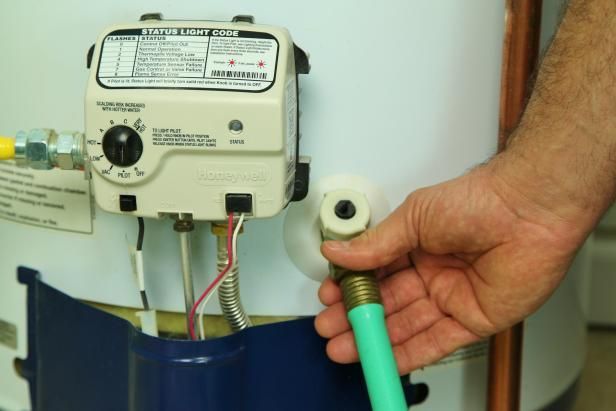
Before calling a professional, you can perform some basic checks to identify obvious problems. Ensure the water heater is receiving power by checking circuit breakers or electrical connections. For gas models, confirm the pilot light is lit. Test the thermostat settings and look for visible leaks or corrosion signs around the unit. If the water temperature is inconsistent, sediment buildup may need draining.
Safety is paramount—always cut off power or gas supply before inspecting or touching your water heater’s components.
Deciding When to Call All City Plumbers
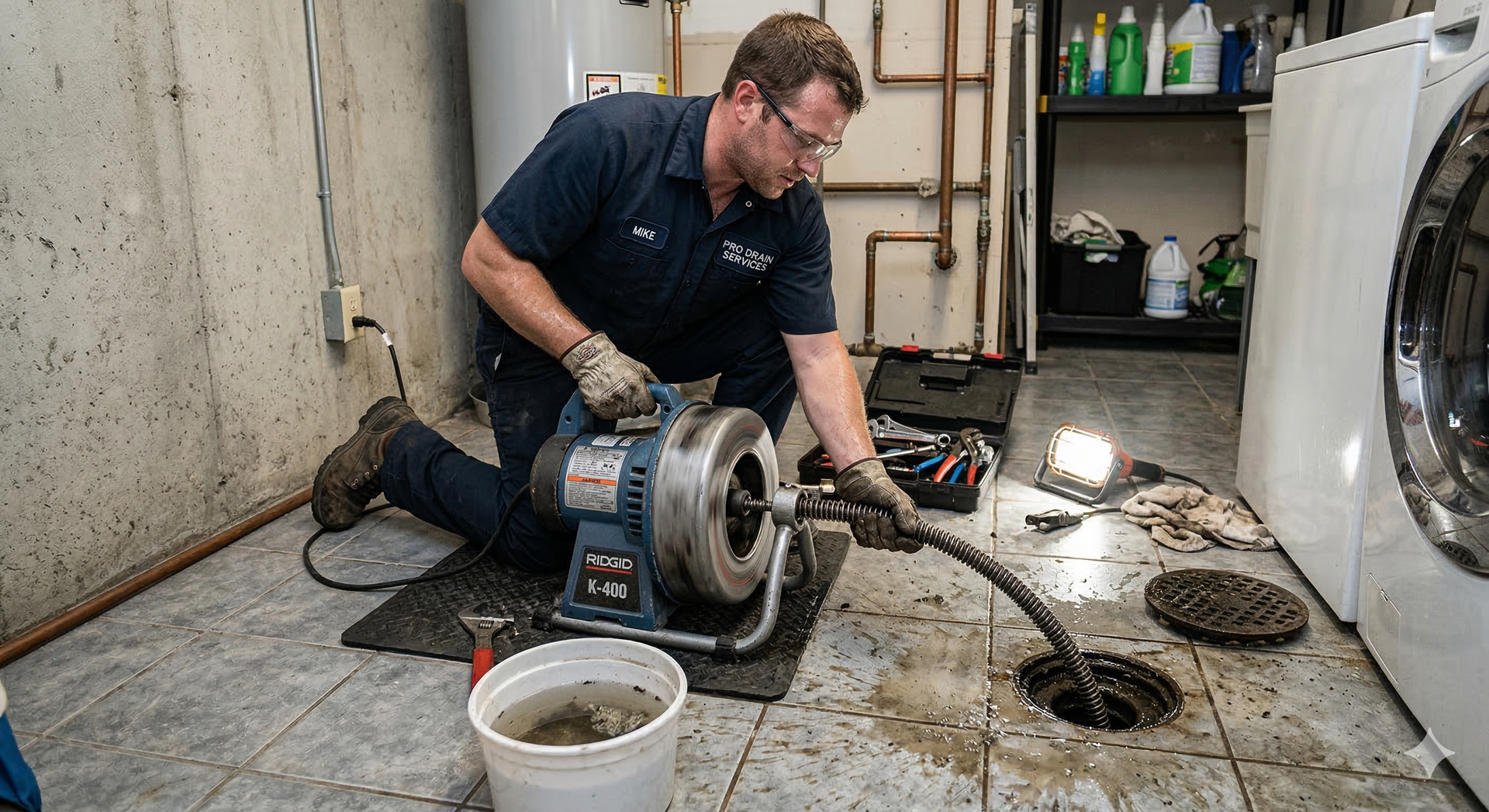
While minor issues can be addressed by homeowners, many repairs require the expertise of professionals like All City Plumbers. Certified plumbers possess the tools, training, and experience to diagnose complex problems, replace worn parts safely, and ensure compliance with safety regulations. They provide reliable service for issues such as gas leaks, persistent electrical faults, significant leaks, or full water heater replacement.
Hiring All City Plumbers ensures work is done correctly, minimizing risks to your property and health while prolonging your water heater’s lifespan.
The Difference Between a Plumber and a General Contractor in Home Repairs
Understanding the distinction between a plumber and a general contractor is useful when managing home repairs involving water heaters. A plumber specializes in pipework, water supply lines, and appliance installation or repair specifically related to plumbing systems. They are the go-to experts for diagnosing and fixing water heater failures.
A general contractor oversees entire home repair or remodeling projects, coordinating various trades including plumbing, electrical, and carpentry. While they might manage the replacement of a water heater as part of a larger renovation, the actual repair or installation work is typically subcontracted to plumbers.
This distinction helps homeowners direct specific repair tasks to the right professional, ensuring efficient and cost-effective solutions.
Preventive Maintenance to Avoid Water Heater Failures
Regular maintenance can prevent many common water heater problems. Flushing the tank annually helps remove sediment, maintaining heating efficiency and preventing corrosion. Inspecting anode rods, valves, and connections for wear ensures early detection of issues. Scheduling professional inspections adds a layer of safety and optimal performance.
All City Plumbers often provide maintenance services that increase the reliability and longevity of your water heaters.
Conclusion
When your water heater stops working, timely action and appropriate troubleshooting are crucial to restoring hot water and comfort in your home. Starting with basic checks, understanding common failure causes, and knowing when to call experts like All City Plumbers streamline the repair process. Additionally, distinguishing between plumbers and general contractors clarifies which professional to engage, especially in complex home repair scenarios.
Adopting regular maintenance practices further reduces the chances of unexpected breakdowns and extends the service life of your water heating system. Ultimately, being informed and proactive ensures your water heater remains dependable when you need it most.