Why You Should Insulate Your Water Heater Tank To Save Energy?
Water heating typically accounts for a significant portion of household energy consumption, often up to 18%. One of the most effective and affordable ways to reduce this energy usage is by insulating your water heater tank. Insulation minimizes standby heat loss—the gradual cooling of water stored in the tank—which causes the heating element or burner to cycle on more frequently. This article explores the benefits of insulating water heaters, methods of insulation, and practical advice, including tips from professionals like All City Plumbers. Along the way, we’ll also touch on related home plumbing maintenance topics such as how to prepare your home's plumbing for a vacation and even how to locate & eliminate foul smells from your garbage disposal.
The Role of Insulation in Water Heaters
Insulation acts as a thermal barrier around the water heater tank, reducing heat transfer from the hot water inside to the cooler surrounding air. By retaining heat more effectively, the system’s heating cycles are less frequent, which saves energy, reduces utility bills, and limits wear on components.
According to guidance from energy experts, insulating a poorly insulated tank can cut standby heat loss by 25% to 45%, translating to average energy savings of 7% to 16%. This reduction often results in the insulation investment paying for itself within a year.
Moreover, insulation helps maintain a more consistent hot water temperature, allowing hot water to be available for longer without additional heating. This is especially beneficial for homes with high water demand or during peak usage.
Types of Water Heater Insulation
Several methods exist for insulating water heaters:
- Insulation Blankets: These thick, flexible blankets typically made from fiberglass or foam are wrapped around standard tank water heaters. Installation is straightforward, cost-effective, and widely accessible.
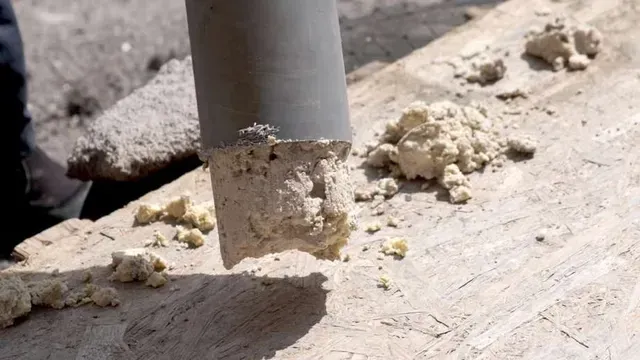
- Foam Insulation: High-density expanding foam can be professionally injected between the tank’s inner and outer walls. This technique provides a seamless and highly effective insulation layer but requires expert installation and higher costs.
Additionally, insulating hot water pipes connected to the tank further limits heat loss during water delivery.
Additional Benefits of Insulation
Insulating your water heater extends the system’s lifespan by reducing the frequency of thermal cycling and the associated mechanical stress on heating elements and temperature sensors. Using insulated tanks also contributes to environmental sustainability by lowering overall energy consumption.
From a safety perspective, insulating the tank helps reduce heat radiation to the surrounding environment, increasing comfort and minimizing risks of accidental burns near the heater.
Maintenance Tips and Related Plumbing Considerations
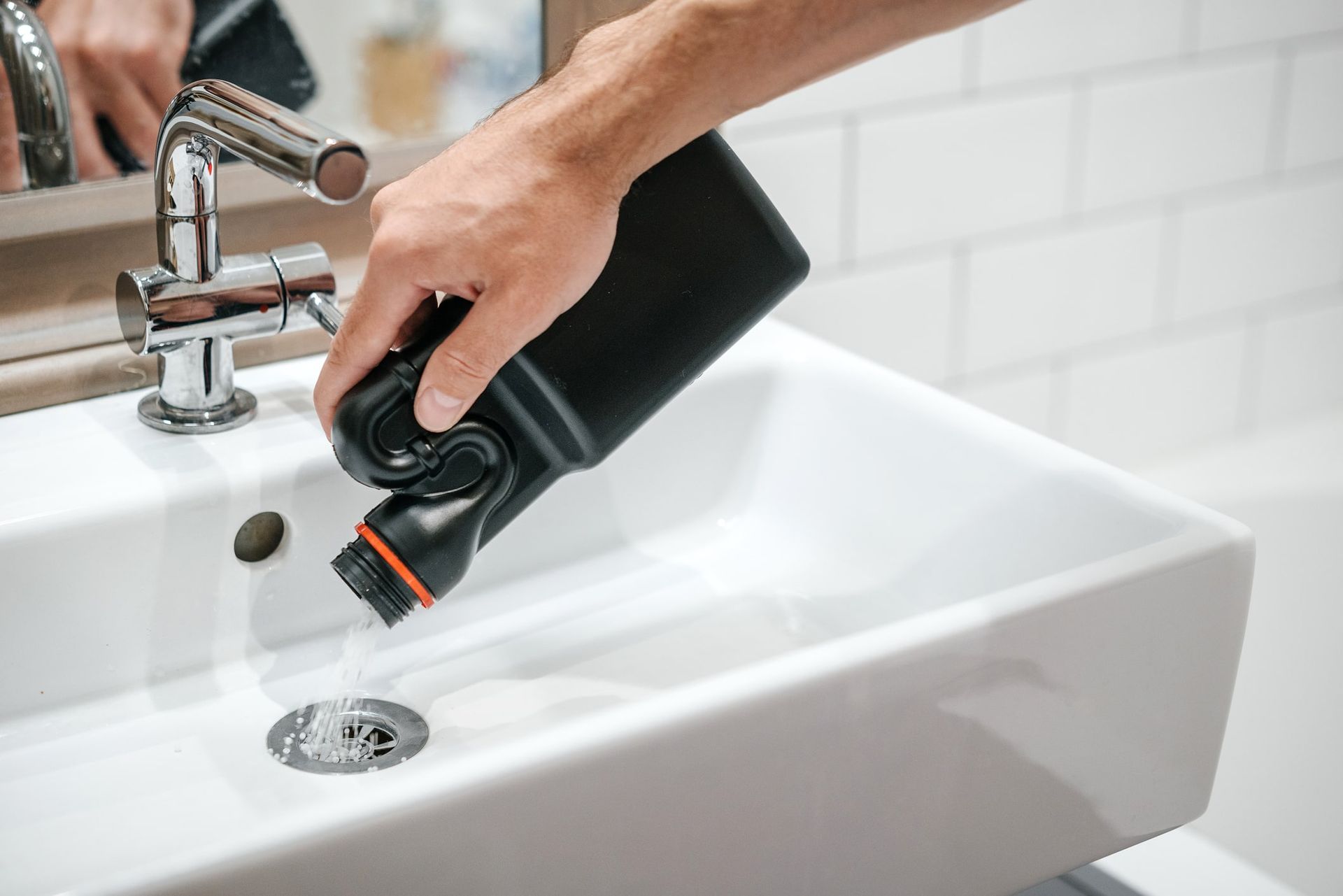
Experts at All City Plumbers advise homeowners to combine insulation upgrades with preventive maintenance like flushing the tank regularly to remove sediment buildup.
Before extended absences, such as vacations, it’s wise to prepare your home's plumbing for a vacation by inspecting insulation, shutting off or adjusting temperature settings to prevent energy waste.
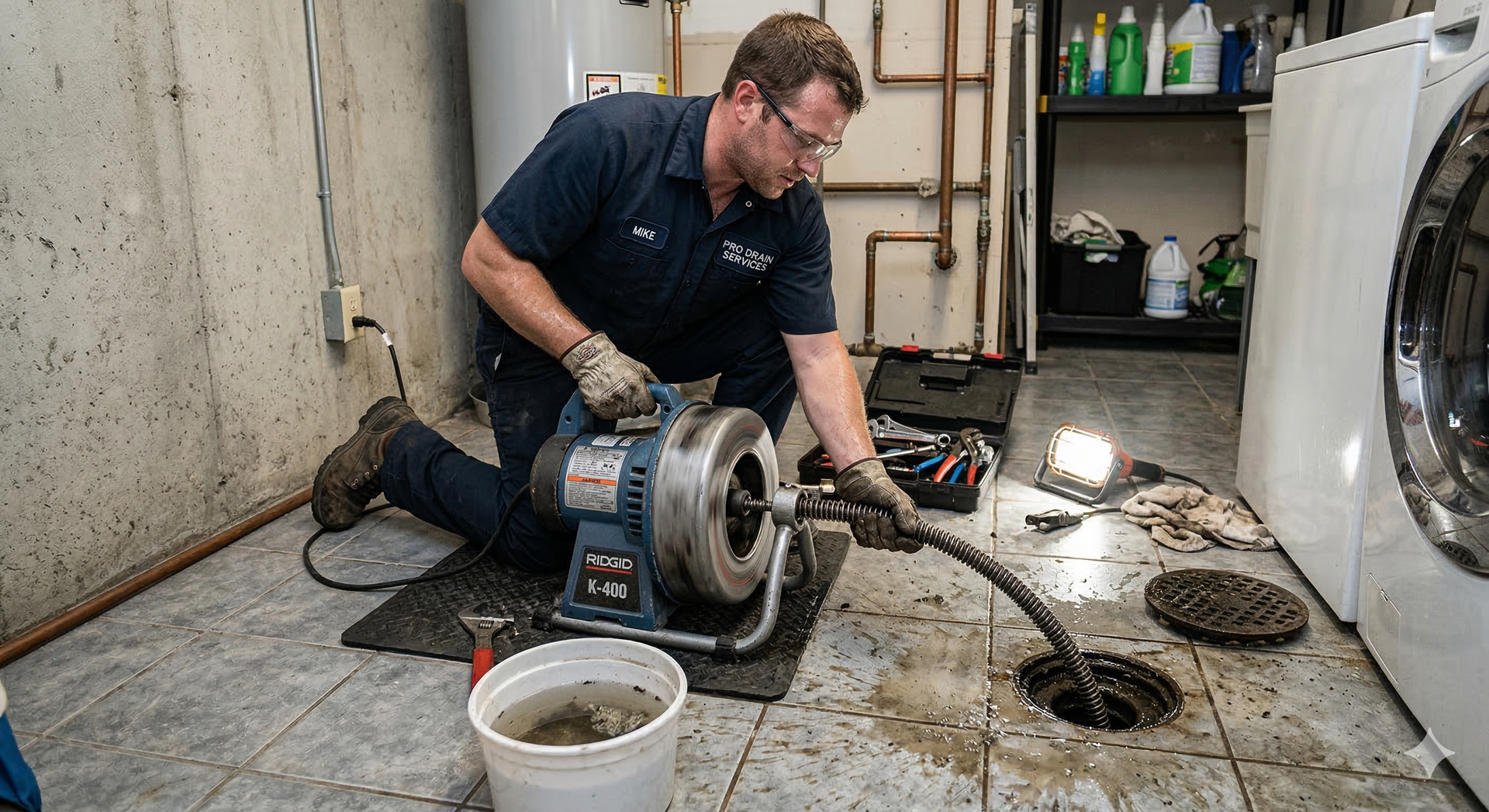
While focusing on water heaters, maintaining other plumbing components is also essential. For instance, homeowners can benefit from knowing how to locate & eliminate foul smells from your garbage disposal, which if left unchecked, may affect indoor air quality and reflect neglected pipe conditions.
Conclusion
Insulating your water heater tank is a practical, low-cost strategy that conserves energy, reduces bills, and prolongs your system’s operative life. It mitigates standby heat loss, ensuring that hot water stays hot longer and your heater runs less frequently. With simple solutions like insulation blankets or professional foam installation, nearly every homeowner can benefit.
Partnering with professional plumbing services such as All City Plumbers ensures proper insulation installation alongside comprehensive plumbing care, including emergency services should urgent issues arise.
By adopting insulation and regular maintenance, you enhance your home's efficiency and comfort sustainably.