5 Ways You’re Ruining Your Drains (and What You Can Do)
Let’s face it: our drains are essential for keeping our homes clean and functional, yet we often take them for granted. From clogs to slow drainage, the problems can sneak up on us if we’re not careful. In this article, we'll highlight five common ways you might be damaging your drains and provide practical tips to fix and prevent these issues. So, let's dive in and learn how to keep your drains in top condition!
How to Clean Gutters and Clogged Roof Drains!
Pouring Grease Down the Drain
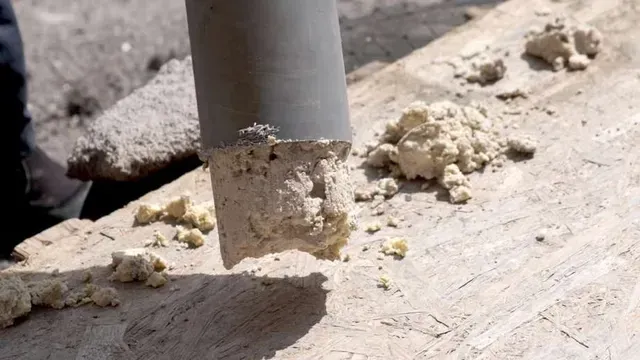
When you pour grease down the drain, it cools and solidifies, leading to stubborn clogs. Instead, collect grease in a container and dispose of it in the trash. Regularly clean your drains with hot water and dish soap to break down any residual grease.
Flushing Non-Flushable Items
Toilets and sinks are not trash cans. Flushing items like wipes, sanitary products, or cotton balls can cause serious blockages. Stick to flushing only toilet paper and human waste. Dispose of other items in the trash to keep your drains clear.
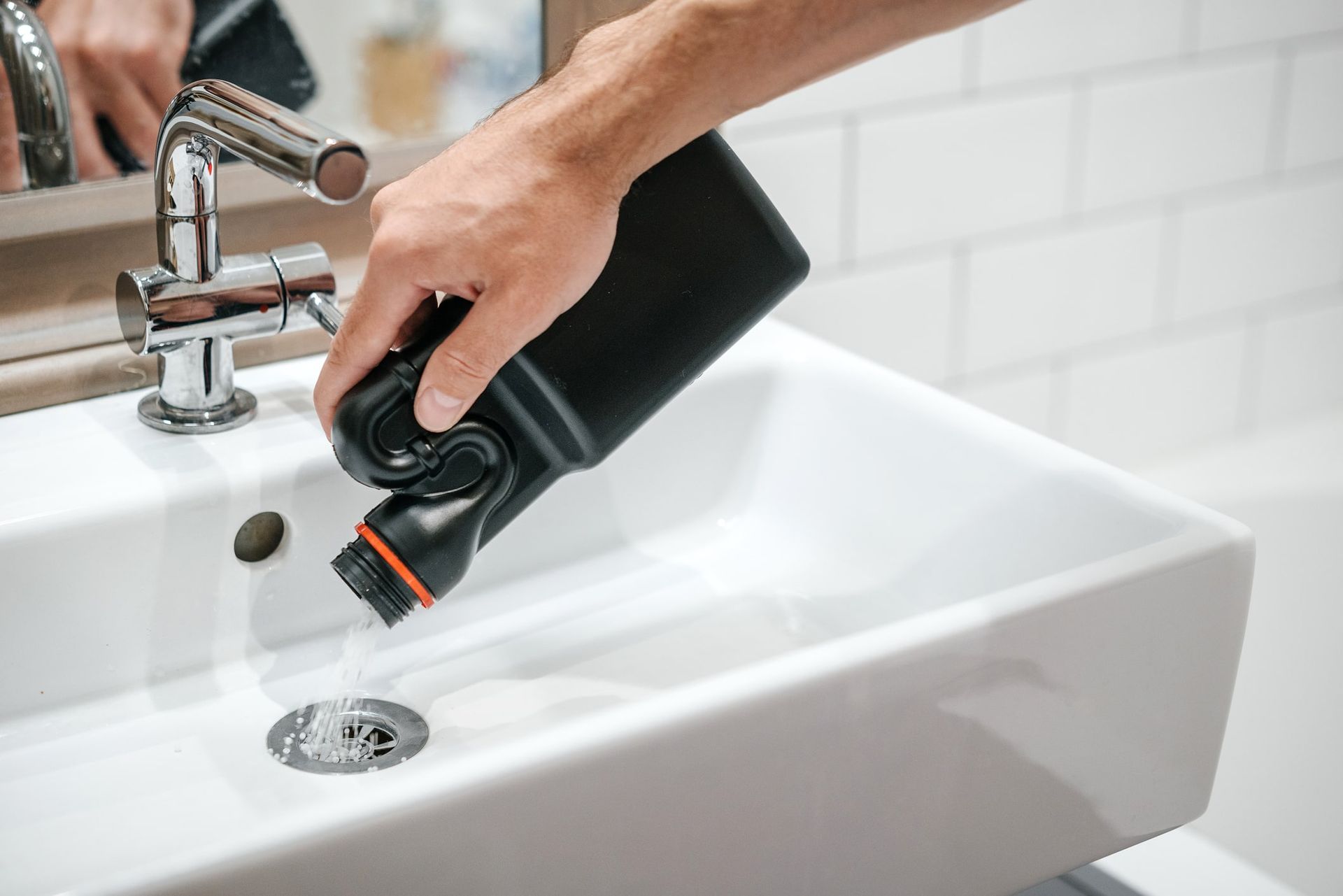
Using Harsh Chemical Cleaners
Harsh chemical cleaners can damage your pipes over time. Opt for natural alternatives like baking soda and vinegar to clean your drains. If you need a stronger solution, use enzyme-based cleaners that are safe for your plumbing system.
Ignoring Slow Drains
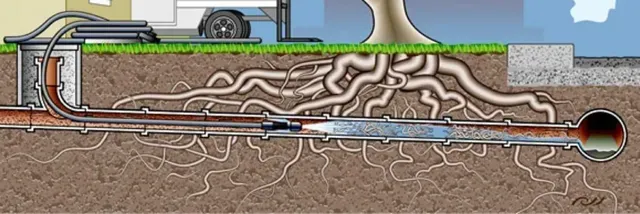
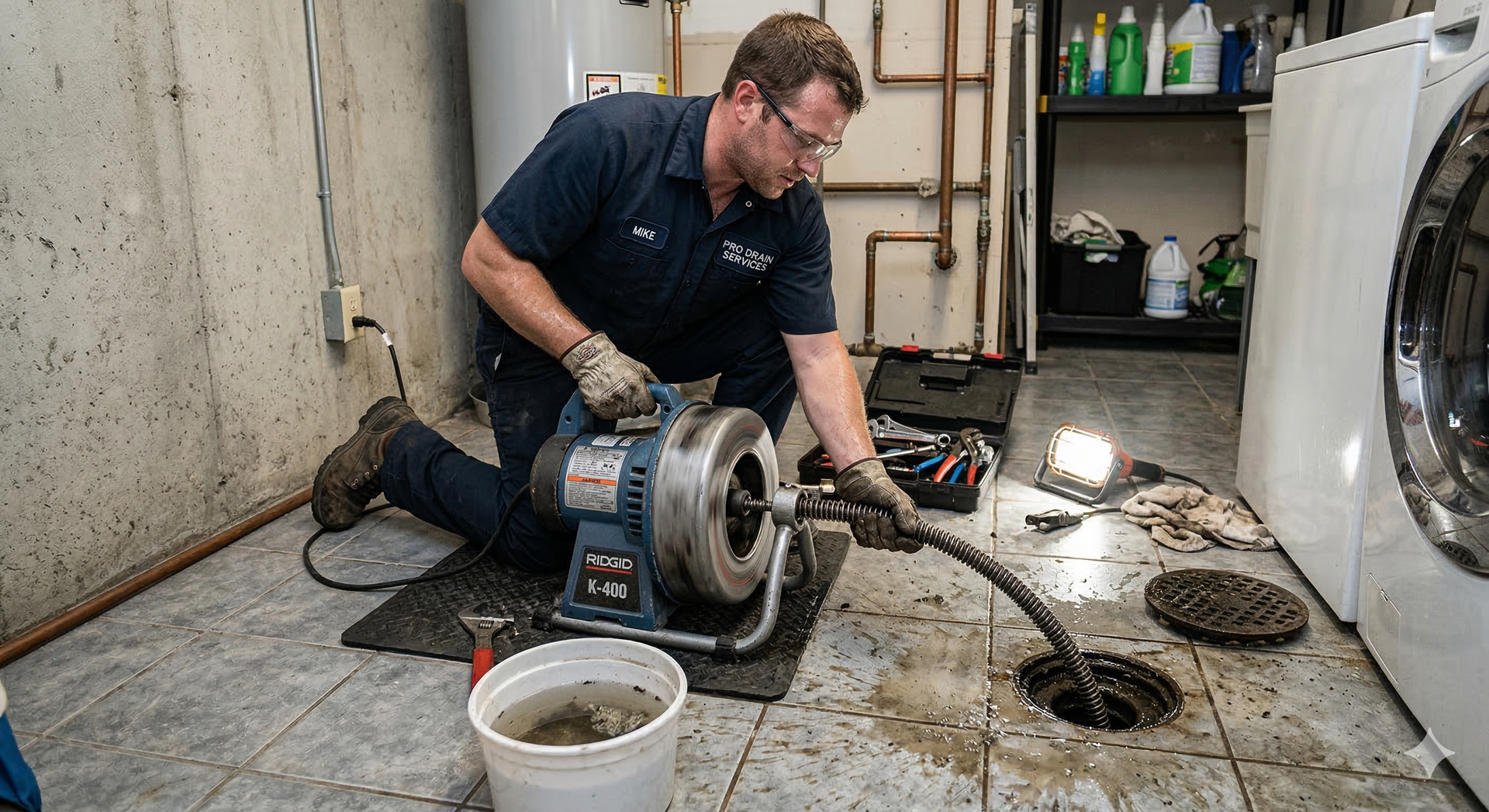
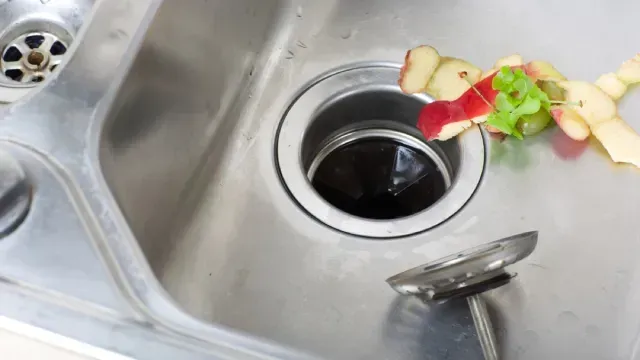
Ignoring slow drains can lead to bigger problems down the line. When you notice water draining slowly, take action immediately. Use a plunger or a plumbing snake to clear minor blockages. Regular maintenance can prevent major clogs.
Neglecting Regular Maintenance
Routine maintenance is key to keeping your drains in good condition. Clean your drains monthly with natural solutions, and inspect them regularly for signs of trouble. Preventive care can save you time and money on costly repairs.
How to Fix a Clogged Drain?
When faced with a clogged drain, start with a plunger to dislodge the blockage. If that doesn’t work, try a mixture of baking soda and vinegar, followed by hot water. For stubborn clogs, use a plumbing snake or call a professional plumber. Regularly cleaning your drains can help prevent future clogs.
What Is Bad to Put Down the Drain?
Many everyday items are bad for your drains. Avoid pouring grease, oil, coffee grounds, and food scraps down the kitchen sink. In the bathroom, don’t flush wipes, hair, dental floss, or sanitary products. Proper disposal of these items can help maintain clear and functional drains.
Hacks for Keeping Your Drains Clear
- Use Drain Guards: Install drain guards to catch hair, food particles, and debris before they enter your pipes.
- Regular Cleaning: Clean your drains monthly with a mix of baking soda and vinegar followed by hot water.
- Hot Water Flush: Pour boiling water down your drains weekly to help clear away minor clogs and buildup.
- Avoid Chemical Cleaners: Stick to natural or enzyme-based cleaners to avoid damaging your pipes.
- Routine Inspections: Regularly check your drains for signs of trouble and address issues promptly.
Conclusion
Maintaining your drains doesn’t have to be a daunting task. By avoiding common mistakes and implementing simple hacks, you can keep your plumbing system running smoothly. Remember, a little preventive care goes a long way in ensuring the longevity and functionality of your drains. So, take action today and enjoy hassle-free drains in your home!
Reach out to All City Plumbers for excellent drain cleaning services!