How Often Should You Clean Your Drains?
Let's face it: dealing with clogged or slow drains is a hassle no one wants. But keeping your drains clean is crucial for preventing those annoying blockages and ensuring your plumbing runs smoothly. Regular drain maintenance can save you from costly repairs and the headache of unexpected plumbing issues. So, how often should you clean your drains to keep everything flowing smoothly? Let's dive in and find out!
Signs You Need to Clean Your Drains
- Slow draining water
- Unpleasant odors
- Frequent clogs
- Gurgling noises
How Often Should You Clean Your Drains?
Kitchen drains: every few months Kitchen drains are notorious for getting clogged with grease, food particles, and soap scum. To keep your kitchen sink draining efficiently, it's a good idea to clean the drain every few months. This routine maintenance can prevent buildup and keep everything running smoothly, saving you from the frustration of a backed-up sink.
Bathroom drains: every few months Hair, soap, and personal care products can quickly clog bathroom drains. Cleaning these drains every few months helps prevent slow drainage and blockages. Regular maintenance ensures that your shower, sink, and tub drains remain clear, allowing water to flow freely and keeping your bathroom in top shape.
Annual professional inspection and cleaning While regular DIY cleaning is essential, having a professional inspect and clean your drains annually is a smart move. Professionals can identify and address potential issues before they become major problems, ensuring your plumbing system remains in excellent condition. An annual check-up can give you peace of mind and help extend the life of your pipes.
DIY Methods for Regular Drain Cleaning
Baking soda and vinegar: One of the most effective and eco-friendly methods to clean your drains is using a combination of baking soda and vinegar. Start by pouring half a cup of baking soda down the drain, followed by half a cup of white vinegar. Let the mixture fizz and work its magic for about 15 minutes. Then, flush the drain with hot water. This method helps break down buildup and keeps your drains smelling fresh.
Boiling water: For a simple and quick drain cleaning solution, boiling water can be surprisingly effective. Just boil a kettle of water and slowly pour it down the drain in stages, allowing the hot water to dissolve grease, soap scum, and other debris. This method works best for kitchen sinks and can be done weekly to maintain clear pipes.
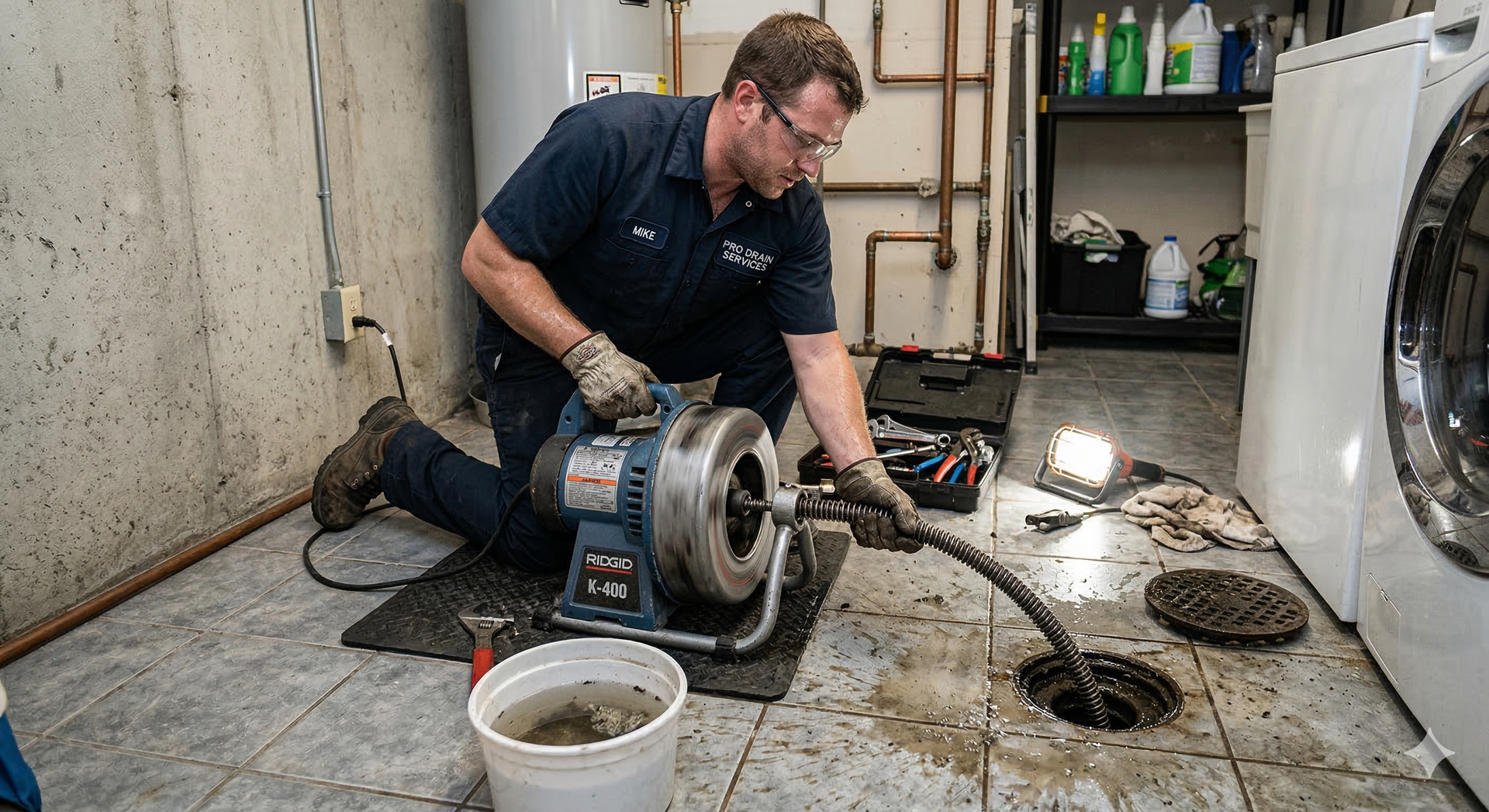
Drain snake or plunger: When you encounter stubborn clogs, a drain snake or plunger can be your best friends. A drain snake, also known as a plumber's snake, can reach deep into the drain to dislodge and remove blockages. A plunger creates suction to help break up and push clogs through the pipes. Both tools are affordable and easy to use, making them essential for regular drain maintenance.
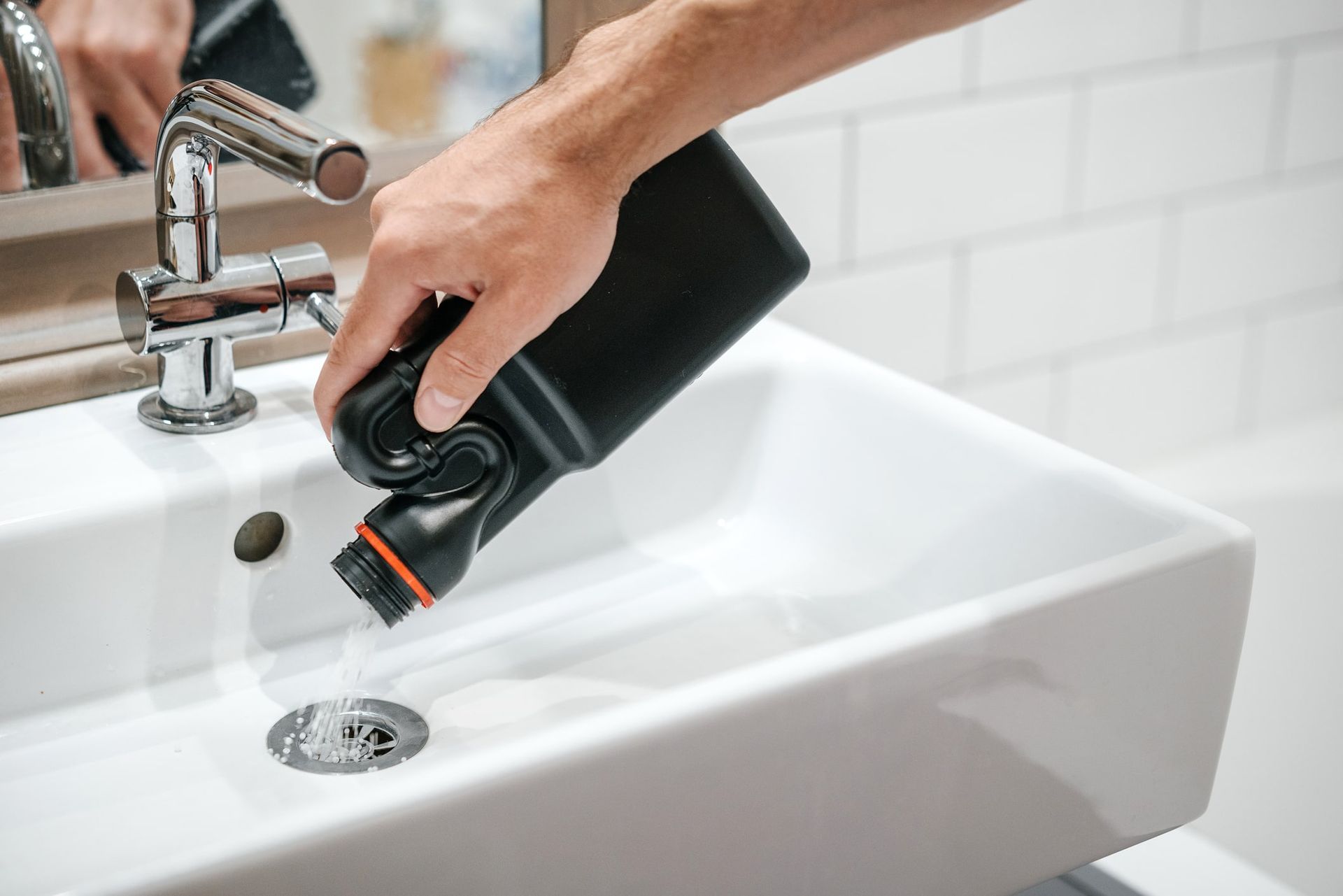
Enzyme-based cleaners: Enzyme-based drain cleaners are a gentle yet effective way to keep your drains clear without harsh chemicals. These cleaners use natural enzymes to break down organic material like hair, grease, and food particles. Simply follow the instructions on the product for the best results. Using enzyme-based cleaners regularly can prevent buildup and keep your drains flowing smoothly.
Professional Drain Cleaning Services
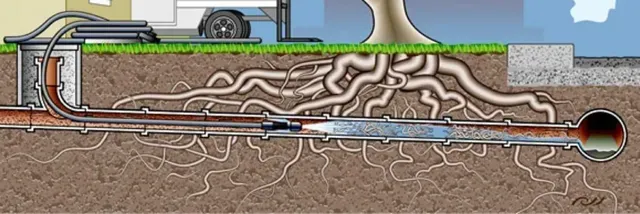
When it comes to tackling serious clogs and ensuring your plumbing system is in top-notch condition, All City Plumbers has got you covered. Their team of experienced professionals uses state-of-the-art equipment and techniques to thoroughly clean your drains and address any underlying issues. Whether it's a routine maintenance check or an emergency call, All City Plumbers provide reliable and efficient service, helping you avoid costly repairs and extend the lifespan of your plumbing system. Trust All City Plumbers for comprehensive drain cleaning services that keep your home’s plumbing running smoothly year-round.
Preventative Measures to Keep Drains Clean
- Avoid pouring grease and food particles down the kitchen sink.
- Use drain guards to catch hair and debris.
- Regularly flush drains with hot water.
- Dispose of coffee grounds and other solids in the trash.
- Clean drain stoppers and screens regularly.
- Run cold water while using the garbage disposal.
- Avoid chemical drain cleaners; use natural solutions instead.
- Perform monthly maintenance with baking soda and vinegar.
- Schedule annual professional inspections and cleanings.
- Educate household members about proper drain care.
The Risks of Neglecting Drain Cleaning
- Increased risk of severe clogs and blockages.
- Potential damage to pipes and plumbing fixtures.
- Foul odors from stagnant water and organic buildup.
- Reduced water flow and inefficient drainage.
- Higher likelihood of costly plumbing repairs.
- Health hazards due to bacterial growth in stagnant water.
- Compromised home hygiene and cleanliness.
- Decreased lifespan of plumbing system components.
- Inconvenience and disruption to daily routines.
- Environmental impact from chemical drain cleaners and wastewater contamination.
Conclusion
Regular drain cleaning isn't just about maintaining the functionality of your plumbing—it's about safeguarding your home and ensuring peace of mind. By implementing preventative measures and addressing issues promptly, you can avoid the risks associated with neglected drains, such as severe clogs, pipe damage, and foul odors. Whether through DIY methods or professional services like those offered by All City Plumbers, investing in regular maintenance pays off in the long run by prolonging the life of your plumbing system and preventing costly repairs. Take charge of your home's plumbing health today to enjoy efficient drainage and a cleaner living environment tomorrow.