DIY Garbage Disposal Repair: What You Can and Can’t Do
Garbage disposals are a handy kitchen appliance that simplifies cleanup and reduces food waste. But like any machine, they can occasionally break down or malfunction. While some issues can be easily fixed at home, others require professional help. In this guide, we’ll break down what you can and can’t do when it comes to DIY garbage disposal repair, covering common problems, troubleshooting steps, and red flags that mean it’s time to call an expert.
"How to Fix a Jammed Garbage Disposal"
What Is a Garbage Disposal, and How Does It Work?
A garbage disposal is a motorized device installed under your kitchen sink that grinds food waste into small particles to be flushed away through your plumbing. It works by:
- Grinding Blades: Breaking food waste into tiny pieces.
- Motor Power: Driving the blades to ensure efficient grinding.
- Drainage System: Transporting waste particles into the sewer or septic system.
Understanding the basics helps you identify potential issues and what might need repair.
Common Garbage Disposal Problems
1. Disposal Won’t Turn On
A non-responsive garbage disposal can result from power issues, a tripped reset button, or a motor malfunction.
2. Humming Sound but Not Working
This is often caused by a jammed disposal or stuck blades.
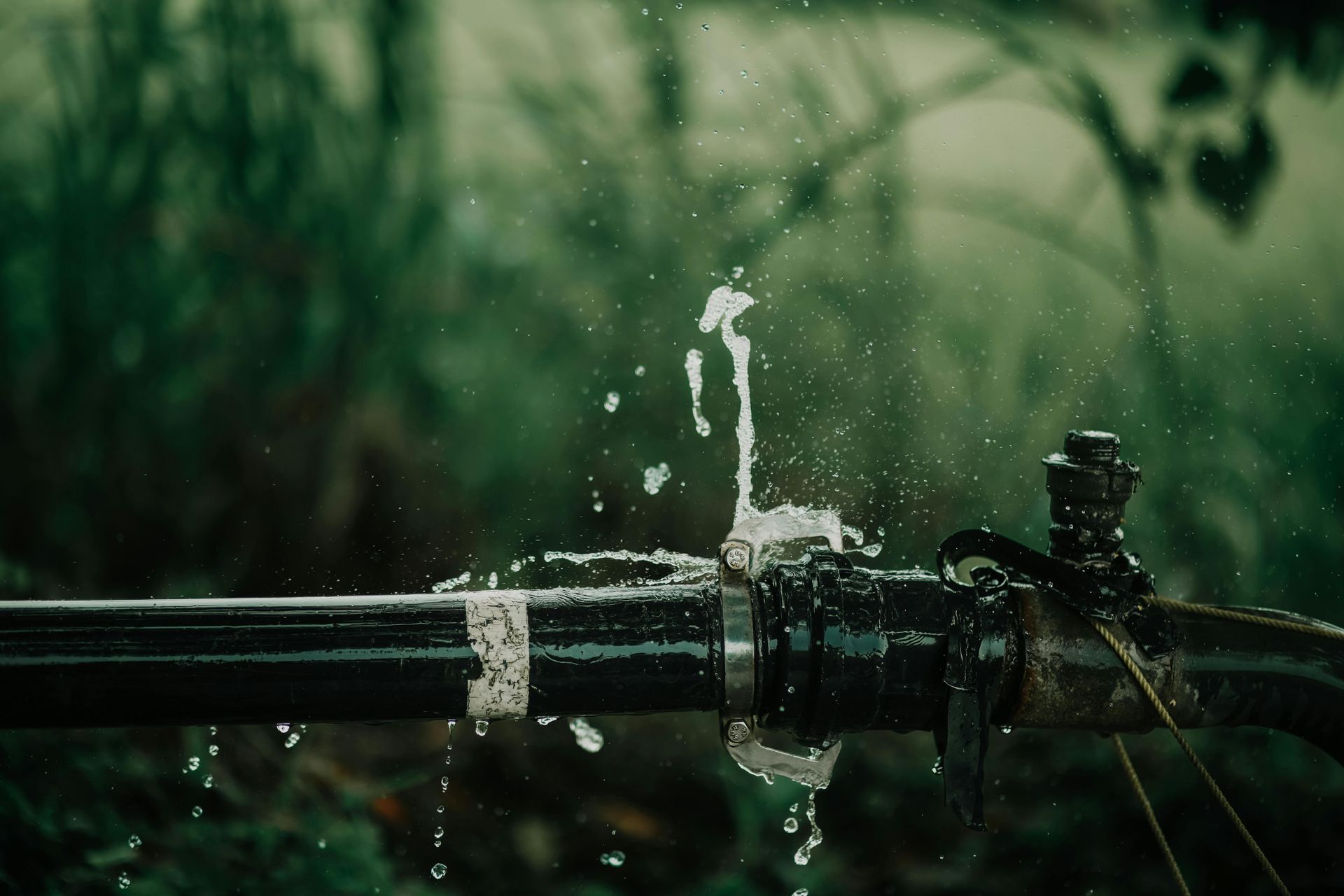
3. Leaks Under the Sink
Leaks can occur at the sink flange, dishwasher connection, or drainpipe.
4. Slow Drainage or Clogging
Food buildup or improper use can lead to clogs and slow water drainage.
5. Foul Odors
Uncleaned waste stuck in the disposal or pipes often causes unpleasant smells.
DIY Garbage Disposal Repairs You Can Do
Not all disposal problems require a professional. Some can be tackled with simple tools and techniques.
1. Resetting the Disposal
- Locate the red reset button under the disposal unit.
- Press it to restart the motor.
- If it trips again, inspect for deeper issues like jamming or overheating.
2. Unjamming the Blades
- Turn off the power at the circuit breaker for safety.
- Use an Allen wrench to rotate the flywheel manually via the hole at the bottom of the unit.
- Remove any visible debris causing the jam.
3. Fixing a Leak at the Sink Flange
- Tighten the mounting bolts securing the disposal to the sink.
- Apply plumber’s putty around the flange to create a watertight seal.
4. Cleaning and Deodorizing
- Flush the disposal with hot water and dish soap.
- Grind ice cubes and lemon peels to clean the blades and remove odors.
"Why Is My Garbage Disposal Leaking? Causes and Solutions"
When DIY Repairs Won’t Work: What You Can’t Fix
Certain issues are beyond DIY repair and require professional help:
1. Electrical Wiring Problems
If your disposal has persistent power issues despite resetting, it may involve electrical components, which are best handled by a licensed electrician.
2. Motor Burnout
A burned-out motor will need replacement, which involves disassembling the entire unit.
3. Extensive Leaks
If leaks occur in hard-to-reach areas like internal seals, replacing the unit might be the only solution.
4. Cracked or Damaged Unit
A disposal with visible cracks or structural damage isn’t repairable. Replacement is the safest option.
Essential Tools for DIY Garbage Disposal Repair
To safely and efficiently handle basic repairs, you’ll need:
- Allen wrench (usually included with your disposal)
- Screwdriver
- Plumber’s putty
- Flashlight
- Bucket or towel (to catch water spills)
Safety Tips for DIY Garbage Disposal Repairs
- Turn Off the Power: Always disconnect the disposal from its power source before working on it.
- Avoid Putting Your Hand Inside: Use tools like tongs or pliers to remove debris.
- Follow the Manufacturer’s Manual: Refer to the specific manual for your disposal model to avoid mistakes.
How to Prevent Garbage Disposal Problems
1. Use It Properly
Avoid grinding hard items like bones, coffee grounds, or fibrous vegetables (e.g., celery).
2. Clean It Regularly
Flush with hot water and soap weekly, and grind ice cubes to sharpen the blades.
3. Don’t Overload
Run the disposal in small batches to prevent jamming and motor strain.
Signs It’s Time to Replace Your Garbage Disposal
Even with the best care, disposals have a limited lifespan. Here are signs you might need a replacement:
- Frequent clogs or jams despite proper use.
- Persistent foul odors that don’t go away with cleaning.
- The unit is over 10 years old and experiencing frequent issues.
Why Professional Help Might Be Necessary
While DIY repairs save money, certain issues demand expertise to avoid further damage. Hiring a professional ensures:
- Correct diagnosis of the problem.
- Safe and effective repairs.
- Long-term functionality of your garbage disposal.
FAQs About Garbage Disposal Repair
Can I use a plunger to unclog a garbage disposal?
Yes, but ensure it’s a sink-specific plunger. Avoid plunging too aggressively, as it could damage the pipes.
How do I reset my garbage disposal?
Press the red reset button on the bottom of the disposal. If it keeps tripping, there’s likely a deeper issue.
Can I repair a disposal leak myself?
Yes, but only if it’s at accessible points like the sink flange or pipe connections. Internal leaks require a professional.
Final Thoughts
While many garbage disposal problems can be tackled with simple DIY methods, knowing your limits is crucial. Attempting complex repairs without proper knowledge may worsen the issue. Follow these tips to troubleshoot safely, and don’t hesitate to call a professional when needed. With proper care and occasional maintenance, your garbage disposal can last for years!