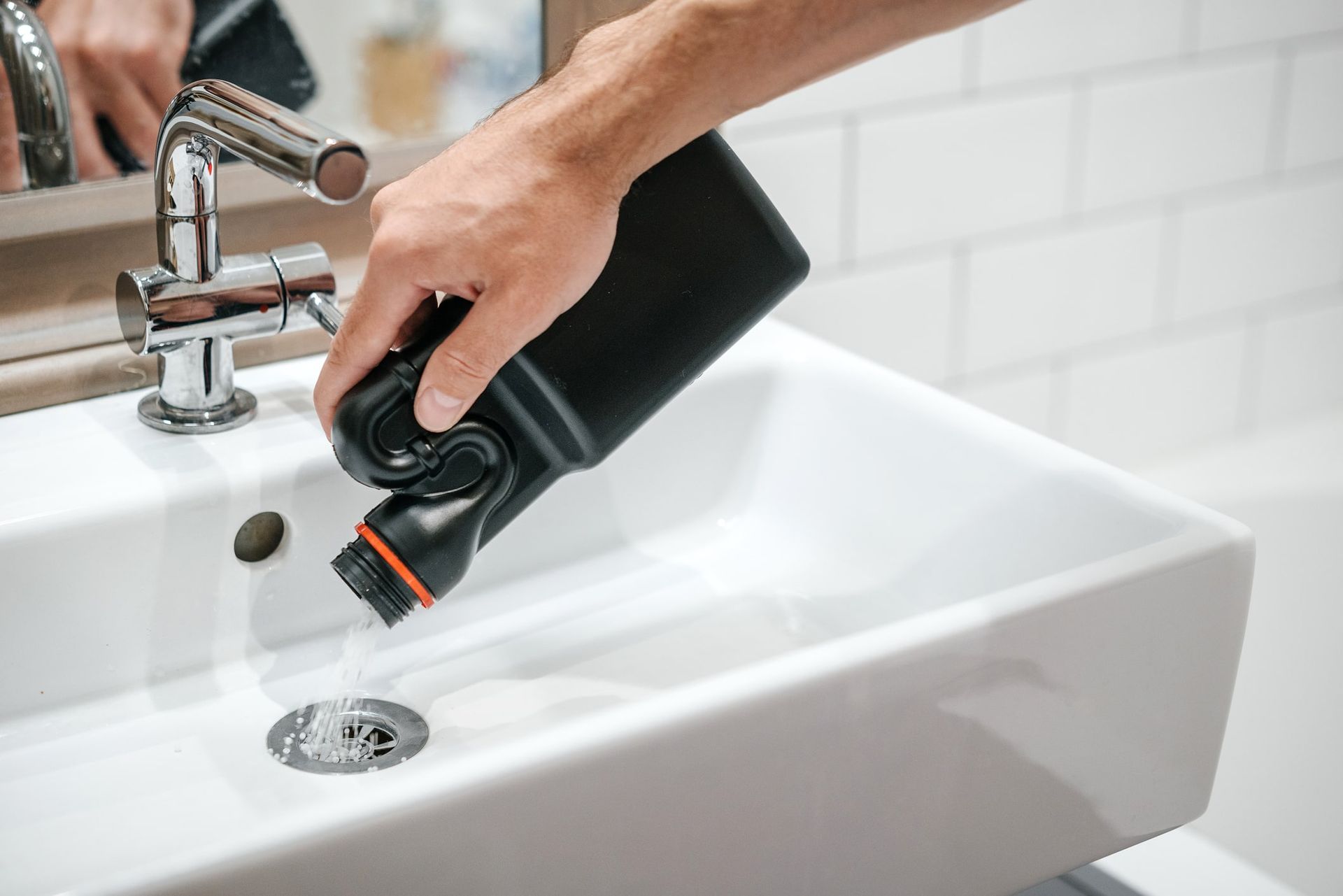
How A Plumber Isolates A Ruptured Waterline And Patches It?
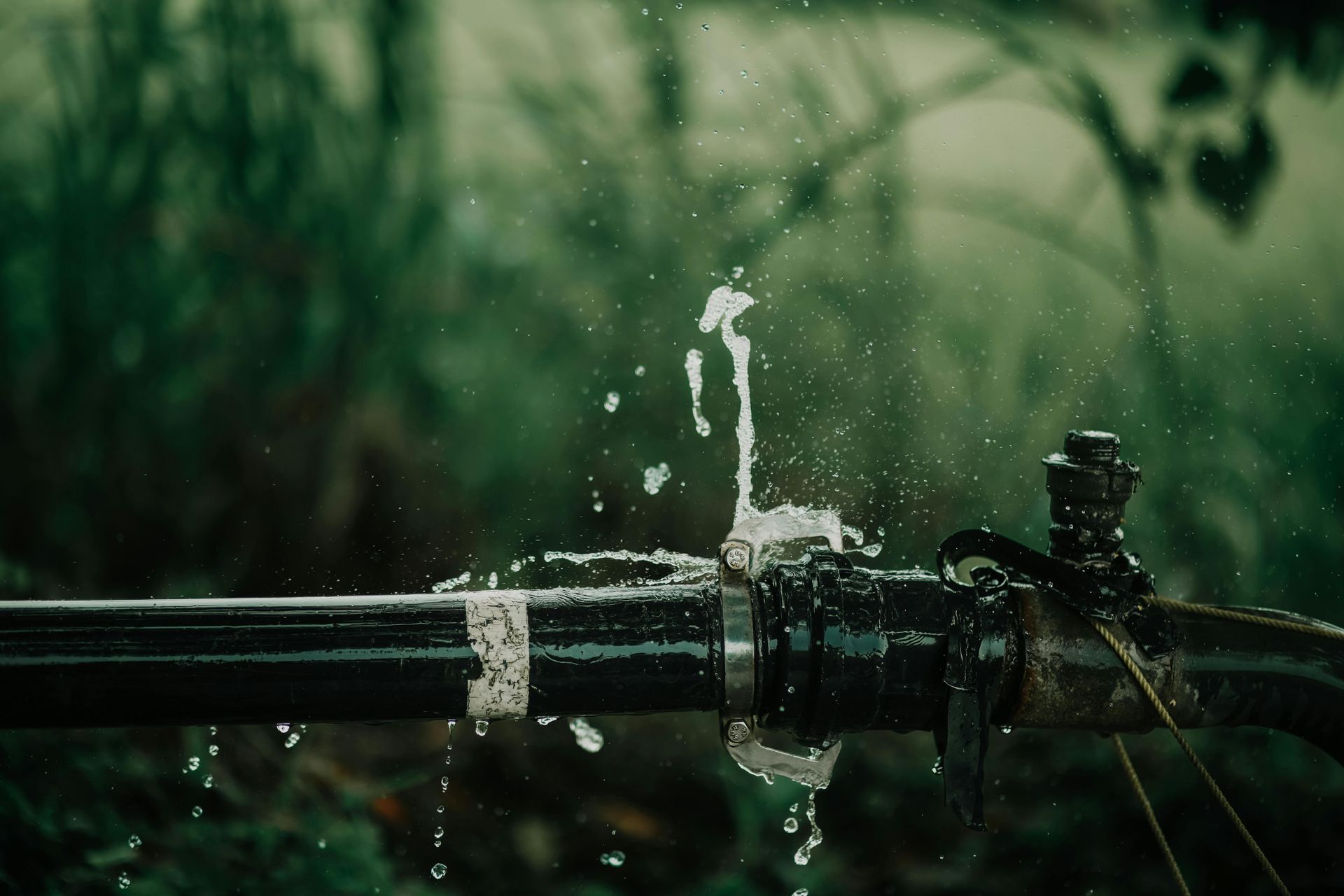
Waterline ruptures represent one of the most disruptive plumbing emergencies homeowners face, often leading to extensive water damage, structural issues, and costly repairs if not addressed promptly. These ruptures typically occur in underground or wall-embedded pipes that supply fresh water to a home, caused by factors such as ground shifting, freezing temperatures, corrosion from age, or excessive water pressure. When a pipe bursts, water floods the surrounding area rapidly, potentially compromising foundations, soaking insulation, and fostering mold growth within hours. Recognizing the signs early—such as unexplained spikes in water bills, low household water pressure, visible damp spots on floors or walls, or the sound of rushing water when no fixtures are in use—can prevent escalation. Professional intervention becomes essential because amateur attempts often exacerbate the problem, leading to further leaks or contamination. In such scenarios, services specializing in waterline repair and replacement prove invaluable, offering the expertise needed to restore functionality without unnecessary disruption.
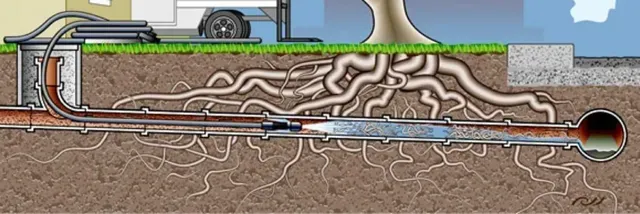
Homeowners must understand that waterlines are under constant pressure, making them vulnerable to hidden weaknesses that only surface during stress events like heavy rain or thermal expansion. For instance, older galvanized steel pipes, common in homes built before the 1960s, corrode internally over decades, narrowing the flow and eventually splitting under pressure. Modern copper or PEX lines fare better but can still fail due to improper installation or external forces like tree roots infiltrating joints. The financial toll is significant: a single rupture can release thousands of gallons, racking up bills for water usage, emergency cleanup, and property restoration. Prompt isolation and patching not only halt the damage but also safeguard long-term plumbing integrity, emphasizing why calling a trusted team like All City Plumbers ensures reliable, efficient resolution.
Essential Tools and Preparation for Isolation
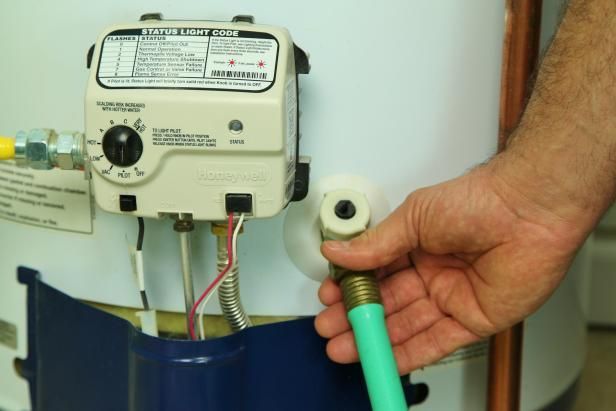
Before any plumber begins isolating a ruptured waterline, meticulous preparation sets the stage for a safe, effective repair process. This phase involves gathering specialized tools such as pipe cutters, compression clamps, epoxy putty, PEX crimpers, leak detection cameras, and a hydro excavation vacuum for non-destructive digging. Safety gear is non-negotiable: heavy-duty gloves, protective eyewear, steel-toed boots, and high-visibility vests protect against hazards like sharp pipe edges, contaminated water, and underground utilities. The plumber starts by shutting off the main water supply valve, typically located near the water meter or in the basement, to prevent additional flooding. Verification follows with pressure gauges to confirm zero flow, and all household fixtures are tested to ensure complete isolation.
Environmental assessment comes next, including checking weather forecasts to avoid rain-saturated soil that complicates digging, and marking utility lines via services like 811 calls in the U.S. to locate gas, electric, and sewer pipes. Documentation plays a key role: photographs of the affected area, meter readings, and initial damage extent create a record for insurance claims and future reference. Plumbers also prepare contingency plans, such as temporary bypass lines for essential water needs, ensuring minimal disruption. This thorough groundwork, often spanning 30-60 minutes, minimizes risks and lays the foundation for precise isolation, transforming a chaotic emergency into a controlled operation.
Step-by-Step Process of Isolating the Rupture
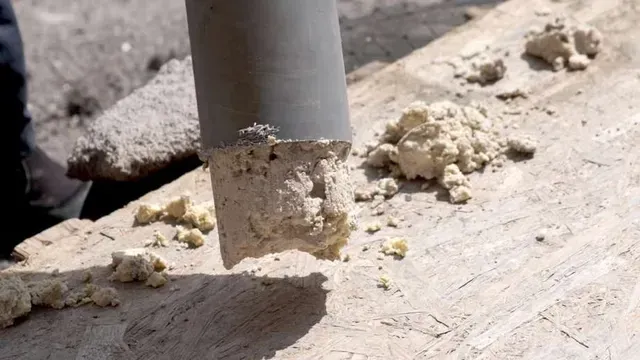
Isolating a ruptured waterline demands precision to contain the leak without compromising the entire system. The plumber begins by tracing the waterline from the main supply using a combination of blueprints, acoustic listening devices, and ground microphones to pinpoint the rupture's exact location, often buried 2-6 feet underground. Once identified, they excavate a targeted trench—typically 3-4 feet wide and deep enough to access the pipe—using hand tools or hydro-vac systems to avoid damaging nearby lines. As dirt is removed layer by layer, the exposed pipe segment reveals the rupture, which might appear as a clean split, pinhole, or jagged tear.
With the site exposed, the plumber installs isolation valves or saddle clamps upstream and downstream of the rupture, effectively segmenting the damaged section from the rest of the system. These clamps, secured with stainless steel bands, create airtight seals tested via pressure checks. Residual water is then pumped out using wet vacuums, and the area is dried with industrial fans to prepare for patching. This isolation phase, which can take 1-3 hours depending on access difficulty, ensures no further water escapes, allowing focus on repair. Throughout, the plumber monitors for secondary issues like soil erosion or pressure buildup in adjacent sections, adjusting as needed to maintain system stability.
Techniques for Patching the Ruptured Section
Patching a ruptured waterline varies by pipe material, rupture severity, and accessibility, with plumbers selecting methods that balance durability and speed. For minor cracks in copper pipes, epoxy putty or fiberglass wrap provides a temporary seal: the plumber cleans the surface with a wire brush, applies the adhesive in overlapping layers, and cures it under pressure for 24 hours. More substantial damage calls for a slip coupling repair, where a new pipe segment slides into the existing line, secured with crimp rings or solvent welds for a seamless bond.
In cases of severe corrosion or multiple failures, full section replacement becomes necessary, involving cutting out the damaged portion with a rotary pipe cutter and inserting a reinforced PEX or CPVC sleeve fused via expansion fittings. Underwater patching, rare but possible for accessible sub-slab lines, uses inflatable pipe plugs and chemical sealants injected through access ports. Each technique undergoes rigorous testing: hydrostatic pressure at 1.5 times operating levels confirms integrity before backfilling. These methods restore flow efficiency, often exceeding original performance, and extend the line's lifespan by 20-50 years when paired with modern materials.
Advanced Considerations Amid Power Failures
Plumbing systems rely on electricity for pumps, sump systems, and well operations, so power failures introduce unique challenges during waterline repairs. For instance, during outages, gravity-fed municipal supplies remain functional, but private wells cease without backup generators, halting isolation efforts. Savvy plumbers integrate manual overrides and battery-powered tools—like cordless leak detectors and LED excavation lights—to proceed uninterrupted. This resilience proves critical in prolonged blackouts from storms, where flooded basements compound rupture damage.
Homeowners benefit from proactive strategies on how to keep your plumbing running during power failures, such as installing check valves to prevent backflow, elevating sump pumps on concrete blocks above flood levels, and stocking siphons for manual water transfer. Plumbers may also deploy portable generators with grounding adapters to power essential tools, ensuring repairs continue safely. Post-outage, surge protectors safeguard control panels from electrical spikes that could trigger new leaks. These measures not only facilitate patching but enhance overall system reliability against environmental disruptions.
Long-Term Maintenance After Patching
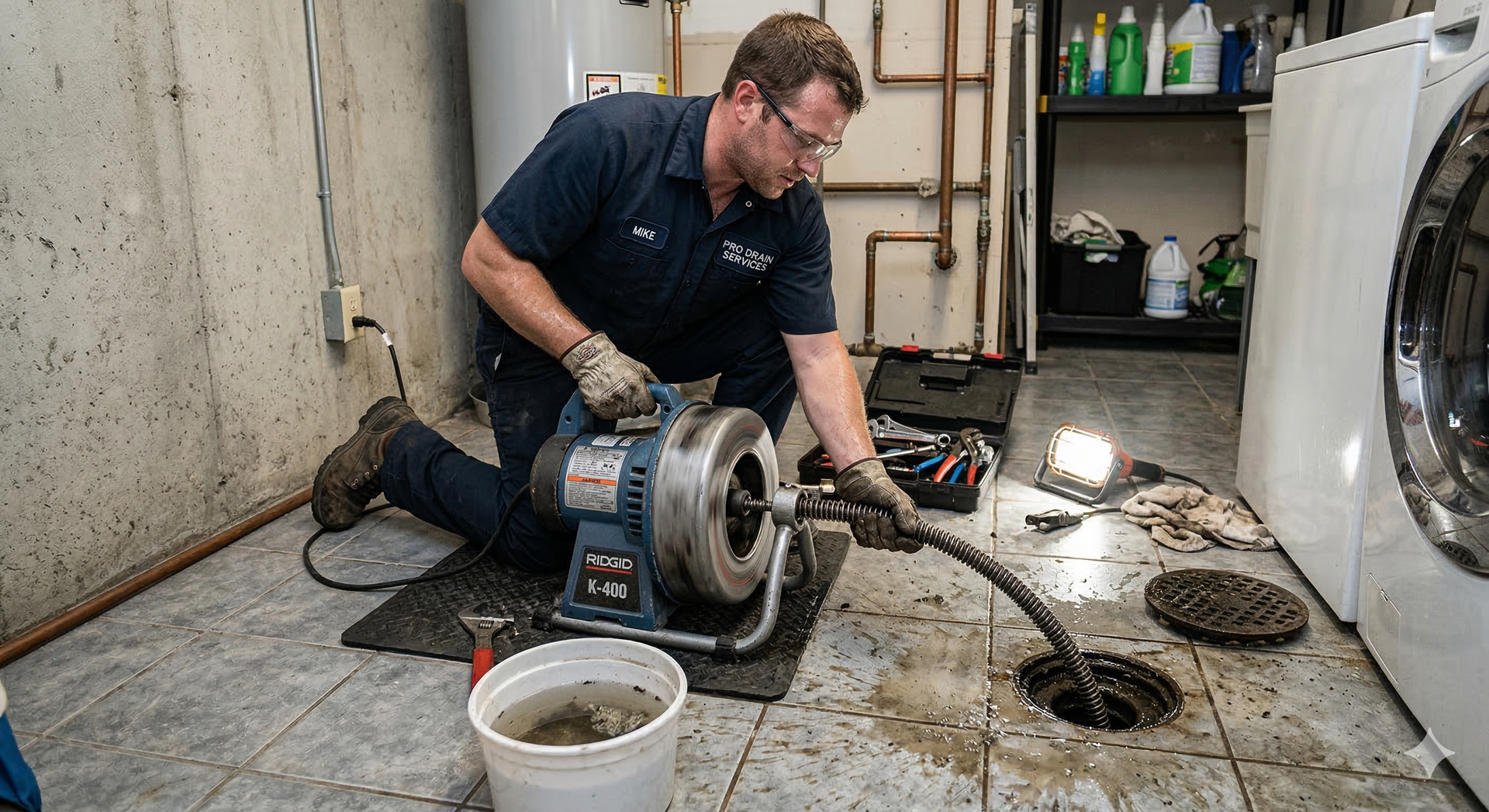
Post-patching maintenance solidifies the repair's longevity, preventing recurrence through systematic care. Immediately after backfilling with compacted soil and sod restoration, the plumber flushes the line to clear debris, then installs water softeners or pressure regulators if high minerals or PSI contributed to the failure. Annual inspections using video cameras detect early wear, while pipe insulation in cold climates averts freeze-thaw cycles. Water quality testing for pH and hardness guides additive treatments, and smart leak monitors with app alerts provide real-time vigilance.
Educating homeowners forms a cornerstone: regular valve exercises prevent seizing, and avoiding chemical drain cleaners preserves pipe integrity. Budgeting for periodic hydro-jetting clears buildup, and upgrading to trenchless relining for aging mains avoids future digs. These habits, combined with professional tune-ups every 2-3 years, transform a one-time crisis into enduring plumbing health.
Conclusion
In conclusion, isolating and patching a ruptured waterline requires far more than a temporary fix—it demands technical precision, calculated decision-making, and a proactive understanding of plumbing system dynamics. What begins as a sudden and potentially destructive failure can be transformed into a controlled repair process through proper preparation, accurate leak isolation, pressure management, and the use of durable patching techniques. Each stage plays a critical role in preserving the integrity of the water system, preventing structural damage, mold growth, soil erosion, and escalating repair costs. Homeowners who approach waterline emergencies methodically are far better positioned to restore normal water flow safely while protecting the long-term reliability of their plumbing infrastructure.
Beyond the immediate repair, long-term resilience depends on continued maintenance, early leak detection, and professional oversight. Factors such as pipe age, corrosion, shifting ground conditions, fluctuating water pressure, and seasonal temperature changes can all contribute to future failures if left unaddressed. By incorporating preventive inspections, upgrading weakened sections, and consulting experienced plumbing professionals at the earliest signs of trouble, property owners significantly reduce the likelihood of recurring ruptures and emergency disruptions. This combination of rapid response and forward-thinking maintenance not only minimizes financial strain and inconvenience but also delivers lasting peace of mind, ensuring the plumbing system remains dependable even under unpredictable conditions.